REVIEW · RIO DE JANEIRO
Rio de Janeiro 3-hour tour of the Rocinha Favela with local guide
Book on Viator →Operated by FAVELA TOUR GUIDE · Bookable on Viator
Rocinha is Rio with the lights left on. This 2 to 3 hour experience pairs a local guide with real neighborhood stops, panoramic viewpoints, and culture you can actually watch and ask about, including capoeira at Projeto Acorda. I like that it mixes city scenery with everyday Rocinha life, not just a quick photo run, and that you get a first taste of the place via the mototaxi climb. One thing to consider: groups and guide pacing can vary, and rules around phones and cameras can feel strict in certain stretches.
You’ll walk through alleys, see social projects and street art, and visit places where locals do business, like the Camelódromo da Rocinha market. I also like that you’re given rest stops along the way and viewpoints that help you understand Rocinha’s layout instead of only skimming it. The possible drawback is practical rather than scary: the route isn’t suitable for temporary mobility problems, and you should expect uneven ground and stairs.
If you go in with respect and patience, this tour can be a sharp reality check in the best way. You’ll also want to plan for Portuguese-speaking moments and follow-the-guide instructions, because you may not get everything explained in English at every stop.
In This Review
- Key highlights (what makes this tour work)
- Rocinha From the Inside: Stories, Views, and the Ethics of Seeing
- Getting There at Metro São Conrado: Where the Tour Starts and How Long It Really Takes
- Salocin Tour Stop: Panoramas Plus Alley Life (and When the Camera Goes Away)
- Mototaxi Express: The Quick Adrenaline Climb Up Rocinha
- Projeto Acorda Capoeira: Watching, Then Learning the Why
- Laje Bella Vista Viewpoint: Rua Um, Estrada da Gávea, and Getting Your Bearings
- Camelódromo da Rocinha: Market Time That Feels Like Rio Life, Not a Souvenir Trap
- Visual do Laboriaux: Christ, Sugarloaf, Ipanema, and the Photo Moment
- Safety and Phone/Camera Rules: Why They Feel Strict—and Why You Should Follow Them
- Guides and Group Sizes: The Experience Depends on Who’s Leading
- Price and Value at $43.35: What You’re Paying For (and What to Watch)
- What to Bring and How to Prep: Small Decisions That Make the Tour Better
- Should You Book This Rocinha 3-Hour Tour?
- FAQ
- FAQ
- How long is the Rocinha favela tour?
- How much does the tour cost?
- Where do I meet for the tour?
- What stops are included?
- Which stops include admission tickets?
- What should I expect during the walk?
- Is the tour suitable for people with mobility issues?
- Are service animals allowed?
- Will the tour run in bad weather?
- Can I cancel and get a refund?
Key highlights (what makes this tour work)
- Local stories inside Rocinha: hear how people live, work, and organize day to day.
- Mototaxi adrenaline: a fast, fun ride up winding streets with experienced local drivers.
- Capoeira education: Projeto Acorda pairs performance with history, rhythms, and movements.
- Rocinha viewpoints with Rio panoramas: see the city and coastline from high points.
- Market time at Camelódromo: watch daily trade, then support local sellers if you want.
- Clear photo/cell rules: you’ll be told when phones and cameras need to stay put.
Rocinha From the Inside: Stories, Views, and the Ethics of Seeing

Rocinha is the kind of place that forces a question you don’t get at most sightseeing stops: what does it mean to visit? This tour answers it the practical way—through local guides, community-focused stops, and a route designed to keep your attention on people and context, not shock value.
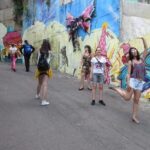
The best part is the balance. You get big Rio views, yes—Christ the Redeemer and Sugarloaf show up from high points on clear days—but the heart of the experience is the human scale: alley life, social projects, street art, and everyday entrepreneurship. Even the capoeira stop fits that idea. Instead of treating the performance like a postcard, you learn about the history, rhythms, and movements behind it.
The ethical note matters. Rocinha tourism can lean wrong when it turns into party scouting or photo chasing. Your best bet is to come ready to follow guidance, ask thoughtful questions, and accept that certain areas are off-limits for photos or phone use. That mindset keeps the tour from becoming a one-way street.
You can also read our reviews of more guided tours in Rio de Janeiro



Getting There at Metro São Conrado: Where the Tour Starts and How Long It Really Takes
The meeting point is the Metro São Conrado / Rocinha (Saída A) area, at R. Gen. Olímpio Mourão Filho, 320, São Conrado, Rio de Janeiro. The activity ends back at the same spot.
Plan for the full time window: the tour runs about 2 to 3 hours, and the walking itself can feel longer than the clock suggests. One person described the uphill/downhill pace as very physical, and that tracks with what this kind of Rocinha route usually demands—bumpy streets, stairs, and tight passages.
Also keep an eye on real-world flow. This tour is scheduled to start on time, and you’ll want to arrive with a buffer. One past experience included an early arrival and then a late start, which is the kind of thing that can throw off your whole day. If your plan is tight—dinner reservations, a museum timed ticket—add slack.
Salocin Tour Stop: Panoramas Plus Alley Life (and When the Camera Goes Away)
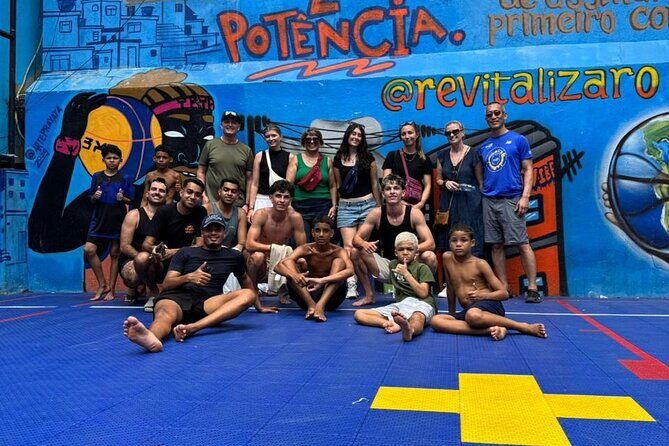
Stop 1 is the Salocin Tour, about 15 minutes, with admission included. The promise here is simple: get to know Rocinha from the inside with local residents guiding you through everyday life and viewpoints.
What you’re likely to experience at Salocin:
- Quick panoramic viewpoints showing the city and sea
- Walking through alleys to see daily routines
- A look at social projects, street art, and local entrepreneurship
- Interactions that emphasize hospitality and community context
The value of this stop is orientation. The viewpoint helps you understand where you are in relation to the rest of Rio, and the alley walk shows how the neighborhood works on foot.
One practical consideration: photo rules can change fast. Some areas may require you to put your camera away, even if others look open. That’s not random. It’s usually about safety and privacy in spots linked to street activity. The point is to respect instructions without arguing. Your guide may also tell you to keep phones out for stretches where visible crime or security concerns exist.
Mototaxi Express: The Quick Adrenaline Climb Up Rocinha
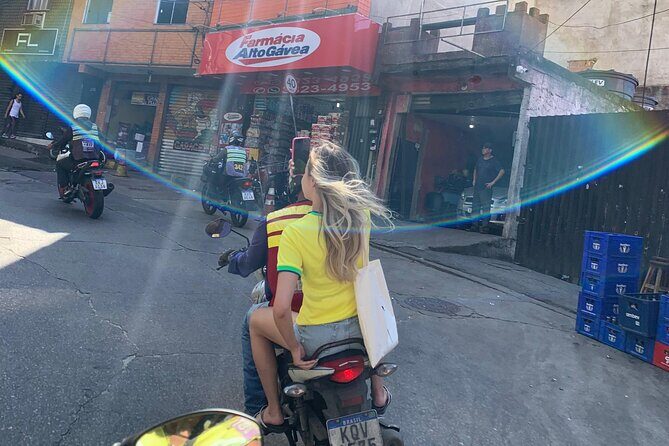
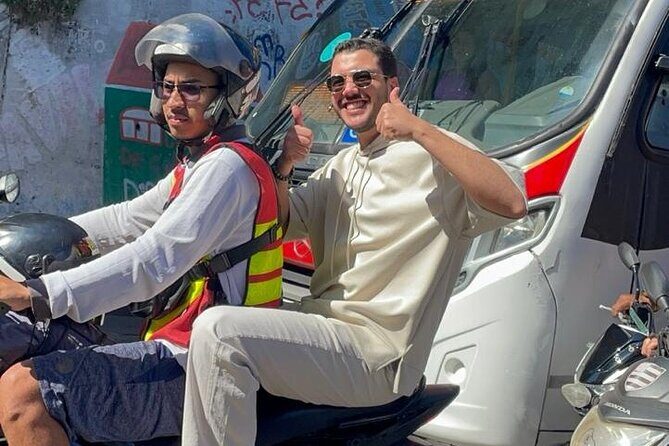
Stop 2 is the mototaxi ride, around 12 minutes, admission included. This is where you get the first jolt of Rocinha reality: the transport system locals use, plus the way the neighborhood’s layout shapes movement.
You’ll climb through winding streets with experienced local drivers. Expect:
- Steep grade changes
- Tight passages where you have to trust the driver’s line
- A feeling of speed you don’t usually get on normal city streets
Some people compare the fun level to amusement rides—provided you’re the type who enjoys controlled adrenaline rather than “slow and steady.” If you hate heights or you get motion-sick, think twice. If you like the ride-there, learn-while-you-go style, this mototaxi segment is one of the most memorable parts.
This is also an important cultural detail. It’s not a gimmick. Mototaxis are part of how the neighborhood connects, especially where cars struggle with narrow paths and steep grades.
Projeto Acorda Capoeira: Watching, Then Learning the Why
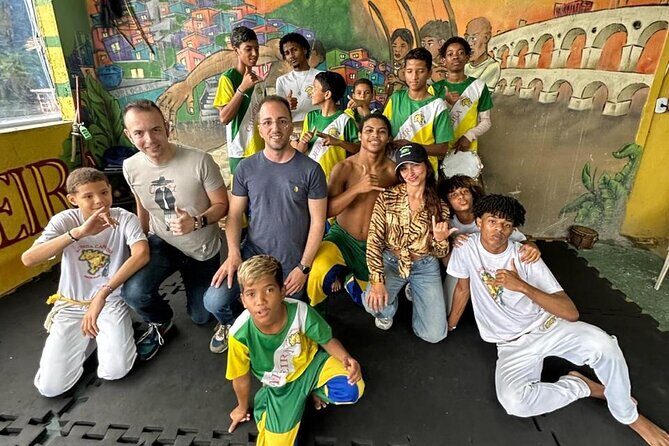
Stop 3 is Projeto Acorda Capoeira, about 30 minutes, admission included. This is an Afro-Brazilian cultural expression, and the tour doesn’t treat it as just a show.
You can expect a performance plus a lesson that covers:
- History of capoeira
- Rhythms and how they drive the movement
- Movements you can understand in context
Why this stop matters on a Rocinha tour: capoeira isn’t just entertainment. It’s linked to resistance, community, and identity in Brazil’s history. That makes it more than a break from walking—it’s a culture lesson you can watch with your eyes, not only hear with your ears.
If you’re traveling with kids or teens, this stop can be a win because it turns learning into something physical and easy to follow.
You can also read our reviews of more tours and experiences in Rio de Janeiro



Laje Bella Vista Viewpoint: Rua Um, Estrada da Gávea, and Getting Your Bearings
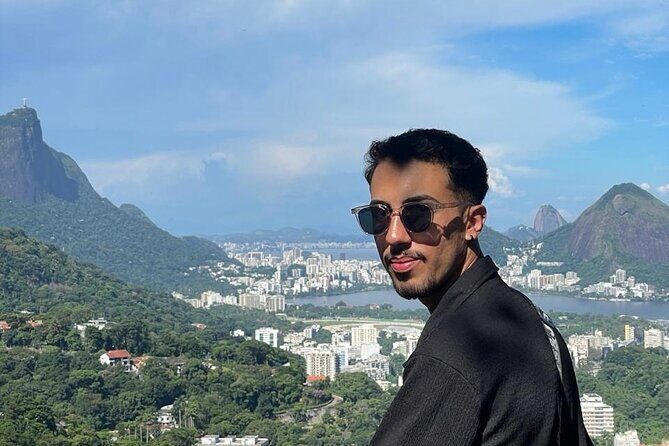
Stop 4 is the Estrada da Gávea & Rua Um area, including Laje Bella Vista, around 45 minutes, with admission included. This is one of the best “understand the map” moments of the whole route.
Here’s what you’re there to do:
- Reach one of the highest points in the community
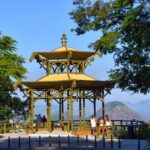
- Take in a panoramic view of Rocinha itself
- Understand the neighborhood’s geography—how it spreads across hills and ridges
This stop is valuable because it changes how you see everything you walked through before. From up here, the alleys and stairs stop feeling like a maze and start looking like a system.
Also, this is one of those times when photos are likely to be encouraged—at least compared to tighter alley sections. Still, follow the guide’s cues.
Camelódromo da Rocinha: Market Time That Feels Like Rio Life, Not a Souvenir Trap
Stop 5 is Camelódromo da Rocinha, about 15 minutes. It’s free to enter, and it’s focused on daily life and local trade.
What you’re likely to see:
- Tents and stalls selling fruit, clothes, crafts, and more
- A chance to observe how shopping and sales work in the neighborhood
- A way to support local entrepreneurship if you want to buy something
The practical value here is simple. If you only see viewpoints, you miss the economic texture of Rocinha—where people earn money, what they sell, and how they interact with customers.
The only caution: don’t turn this into a bargaining circus. You’re visiting a working market. Move respectfully, ask quick questions if you want, and keep your pace steady so you don’t block aisles.
Visual do Laboriaux: Christ, Sugarloaf, Ipanema, and the Photo Moment
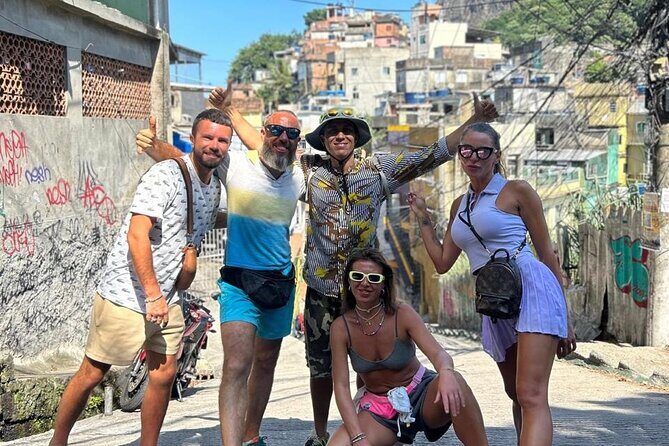
Stop 6 is Visual do Laboriaux Rocinha, about 30 minutes, admission included. This is the big payoff viewpoint where the tour connects Rocinha’s heights to Rio’s famous shoreline.
You may be able to see:
- Redemptor Christ (Christ the Redeemer)
- Sugarloaf (Pão de Açúcar)
- The Ipanema shore
- The city center and other landmarks
This stop is ideal for photos, stories, and a slower moment to take it all in. It’s also the moment when the tour’s structure really clicks: you started with local life, you climbed through neighborhood movement, you learned culture through capoeira, and then you end with a skyline that gives you context for the city beyond Rocinha.
Even if you don’t nail the perfect photo angle, you’ll still come away with a mental map of how Rocinha relates to the rest of Rio.
Safety and Phone/Camera Rules: Why They Feel Strict—and Why You Should Follow Them

Most of the tour’s safety approach is about rules, not just staff presence. You may hear strong instructions about when to remove phones or cameras, especially in stretches where the guide points out security concerns such as guns visible in the area or drug stalls nearby.
This is one of the most important differences between a guided neighborhood walk and casual exploration. You are not free-lancing. You’re moving as a group inside someone’s home community, and you’re following local knowledge in real time.
How to handle it:
- Put your phone away when told, even if other people aren’t
- Don’t argue over a rule in a tight alley
- Ask for clarification if you don’t understand, then follow the answer
If you’re the type who hates rules, this might frustrate you. If you’re the type who wants to visit responsibly, you’ll likely appreciate how the guide protects the group and keeps the experience respectful.
Guides and Group Sizes: The Experience Depends on Who’s Leading
One of the most consistent themes in the available feedback is that the tour lives or dies by the guide. Some guides are praised for friendly communication, clear safety habits, and community access. Names that show up include Brian, Victor, Leonard, Carlos, Antônio, and also Gabi in a couple of less favorable stories.
Here’s what you should take from that, practically:
- If your guide is sharp and engaging, the tour can feel like a movie scene—fun, personal, and educational.
- If your guide is disorganized or doesn’t manage the group well, you can lose time and comfort.
Group size also matters. The tour can run with up to 100 travelers, but your actual group might be much smaller. One experience described a group of 26 that felt too large, while other experiences mention smaller groups around 3 to 5.
What does this mean for you? If you want more conversation and less “traffic jam,” consider booking with a time slot that tends to run smaller groups. If you’re okay with a structured, guide-led rhythm, a larger group might not bother you as much.
Language is another reality check. Even when a guide is great, the show and some explanations can run in Portuguese, Spanish, or French, and English coverage may be limited. If you only speak English, be ready to rely on visual context and simple questions.
Price and Value at $43.35: What You’re Paying For (and What to Watch)
At $43.35 per person for about 2 to 3 hours, the value is mostly in the access and organization. This isn’t just a walk—you’re paying for:
- Local guidance inside Rocinha
- Admission-included stops, including capoeira and multiple viewpoints
- The mototaxi ride, which is part of local transportation culture
- Time in community spaces like the Camelódromo market
Where value can wobble:
- If you don’t receive what you expected (like water)
- If the start time slips and your paid time feels shortened
- If the group is very large or pacing drifts
One important practical tip that comes up in the experiences shared here: don’t assume water is provided. Bring your own bottle. You’ll thank yourself when the climb and walking stretch longer than your brain expected.
Also, plan on spending a little extra only if you want to buy something at the market or support local projects. The tour should still work without purchases, but your flexibility improves the experience.
What to Bring and How to Prep: Small Decisions That Make the Tour Better
This tour is one of those “bring the right basics” situations. You’ll move on foot in hilly terrain, and some areas will likely be crowded, steep, or uneven.
Bring:
- Comfortable walking shoes with grip (the route includes bumpy streets and stairs)
- A small daypack for essentials
- Your own water bottle
- A light layer, since Rio weather changes fast
- Cash or a card for market purchases if you want
Avoid heavy reliance on electronics. The guide can instruct you to put your phone or camera away for safety. If you want photos, be ready to shoot fast when allowed, then store your device again.
Fitness matters. The tour isn’t suitable for people with temporary mobility problems, but it is described as possible for older people, partly because you’ll have rest spots. Still, take the walking part seriously.
If it’s raining or extreme weather hits, the tour may resume after conditions improve to prioritize safety.
Should You Book This Rocinha 3-Hour Tour?
I’d book this if you want an honest Rocinha experience with local access, a culture stop that teaches you something (capoeira), and viewpoints that put Rocinha on the Rio map. It’s also a good fit if you’re respectful with photo rules and comfortable with a structured guide-led walk.
I’d skip or look for a different option if:
- Your schedule is tight and you can’t handle a possible time slip
- You need everything explained in English, step by step
- You’re not comfortable with strict instructions about phones/cameras
- You have temporary mobility issues that would make stairs and uneven ground hard
If you go in with the right mindset—curious, calm, and ready to follow local guidance—this can be one of the most memorable, grounded ways to understand Rio beyond the postcard.
FAQ
FAQ
How long is the Rocinha favela tour?
It runs about 2 to 3 hours.
How much does the tour cost?
The price is $43.35 per person.
Where do I meet for the tour?
You meet at Metro São Conrado / Rocinha (Saída A), R. Gen. Olímpio Mourão Filho, 320 – São Conrado, Rio de Janeiro – RJ, 22610-020, Brazil.
What stops are included?
The experience includes a Salocin Tour viewpoint and alley walk, a mototaxi ride, Projeto Acorda Capoeira, a viewpoint area at Estrada da Gávea & Rua Um (Laje Bella Vista), the Camelódromo da Rocinha market, and a final viewpoint at Visual do Laboriaux Rocinha.
Which stops include admission tickets?
Admission tickets are included for Salocin Tour, the mototaxi portion, Projeto Acorda Capoeira, Estrada da Gávea & Rua Um (Laje Bella Vista), and Visual do Laboriaux Rocinha. The Camelódromo da Rocinha market stop is free.
What should I expect during the walk?
You’ll walk through alleys and include viewpoints. There are rest spots along the way.
Is the tour suitable for people with mobility issues?
It is not suitable for people with temporary mobility problems.
Are service animals allowed?
Yes, service animals are allowed.
Will the tour run in bad weather?
In case of heavy rain or extreme weather conditions, the tour will be resumed to ensure safety and comfort.
Can I cancel and get a refund?
Yes. Free cancellation is available up to 24 hours in advance for a full refund.