REVIEW · RIO DE JANEIRO
Rio De Janeiro: Half-Day Rocinha Favela Walking Tour
Book on GetYourGuide →Operated by LOCAL55 TRAVEL · Bookable on GetYourGuide
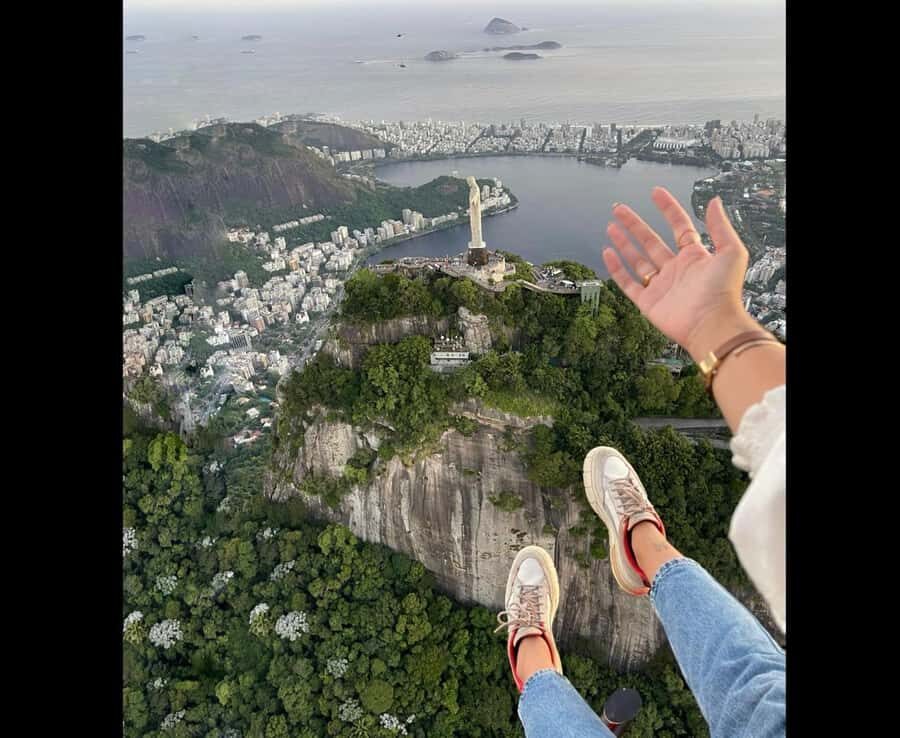
Rocinha on foot changes what you think you know. This half-day Rocinha experience is built around a respectful walk with local English-speaking guides, plus hard-to-forget Rio views that sit above the stereotypes. You’re not getting a drive-by photo stop; you’re learning how life works here.
I love the respectful approach. You’ll walk in small groups, talk with people who live the reality every day, and hear stories meant to correct the sensational headlines. I also love the cultural payoff, especially the capoeira stop, where the energy feels real and tied to the neighborhood.
One drawback to plan for: Rocinha is walkable, but it is physically demanding. Narrow alleys and stairs can wear you out, and the tour is not recommended for knee problems or mobility issues.
In This Review
- Key Highlights You’ll Feel Right Away
- Meeting in Copacabana: Start Where Rio Looks Like Postcards
- Why This Rocinha Walking Tour Doesn’t Feel Like a Zoo
- Walking Rocinha Streets: What You Learn Beyond the Headlines
- The Views Over Rio: Rooftops, Novo Visual, and That First Look
- Capoeira in Rocinha: Culture You Can Watch and Participate In
- Safety and Respect: The Guide Makes the Difference
- Price and Timing: Is $35 Worth It for Three Hours?
- What to Bring, What to Wear, and How to Make It Easier
- Who Should Book (and Who Should Skip This One)
- Should You Book the Rio: Rocinha Half-Day Favela Walking Tour?
- FAQ
- Where is the meeting point for the Rocinha tour?
- How long is the Rio: Rocinha Half-Day Favela Walking Tour?
- What languages are the tour guides available in?
- Is food or drinks included in the tour price?
- What should I bring and wear?
- Is this tour suitable for people with mobility issues?
Key Highlights You’ll Feel Right Away
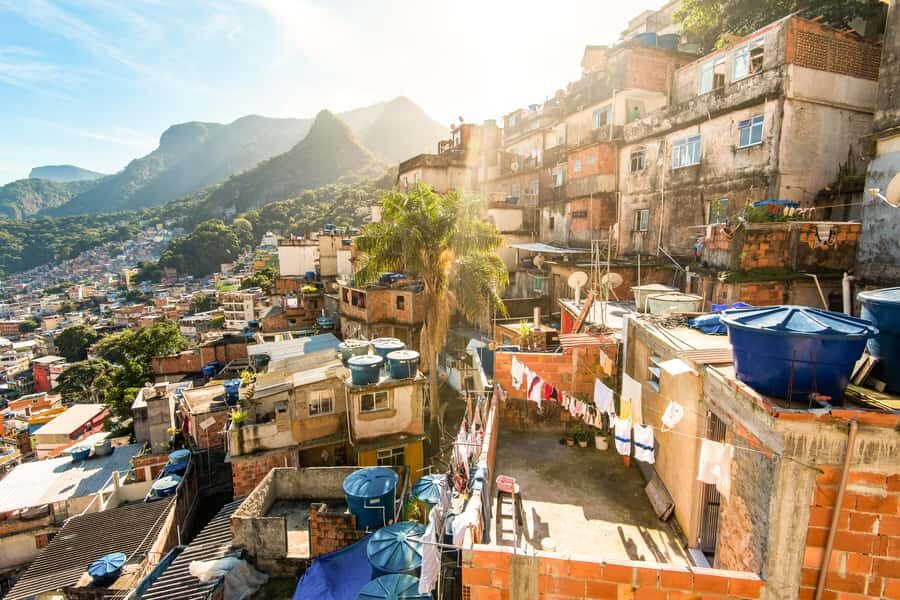
- Walk with local guides and favela hosts who focus on stories, not spectacle
- Smaller-group pace that keeps things respectful and lets you ask questions
- Panoramic viewpoints over Rio that make the “wow” feel earned
- Capoeira with local practitioners, often including hands-on moments with music and rhythm
- A monetary contribution included in the tour cost, supporting the community
Meeting in Copacabana: Start Where Rio Looks Like Postcards
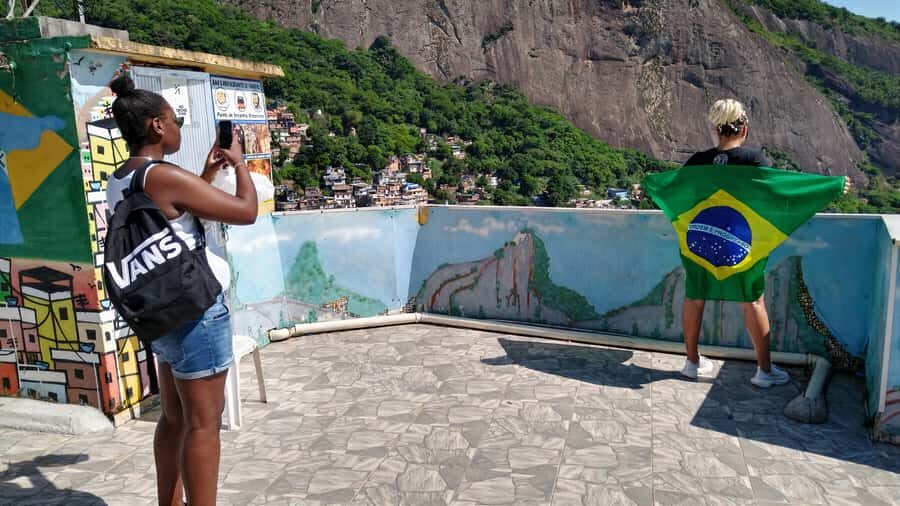
You meet in front of Belmond Copacabana Palace Hotel at 13:25, by the journalist Ibrahim Sued statue on the same sidewalk as the main entrance. It’s a good anchor point because Copacabana is familiar territory, and you’ll be able to spot your group before you head into an area that feels totally different.
Plan to arrive a few minutes early. This tour runs on a simple clock, and once the group forms, the day moves. Also note: there is no hotel pick-up, so you’ll be responsible for getting yourself to the meeting point in Copacabana.
Most people treat this start like the “warm-up” phase. The real shift happens after you begin the walk and your guide starts connecting the landscape, the history, and the daily rhythms you’re about to see.
You can also read our reviews of more walking tours in Rio De Janeiro



Why This Rocinha Walking Tour Doesn’t Feel Like a Zoo

Plenty of people have heard the old-school plan for favela tours: pile into jeeps, rush past highlights, and treat the neighborhood like a theme park. This tour goes the other direction on purpose.
You’ll explore Rocinha on foot in small groups, guided by locals and English-speaking hosts. The goal is not to stare. The goal is to understand. That shows up in how your guide frames what you see: social and economic challenges, how daily life functions, and how stereotypes distort what people actually experience.
Several guides are described as having deep personal ties to Rocinha, including people who grew up there for decades. That matters more than you might expect. When someone knows the neighborhood from the inside, they can explain context instead of just pointing at “interesting” corners. And when the group is small, you spend less time being moved along and more time asking real questions.
Walking Rocinha Streets: What You Learn Beyond the Headlines

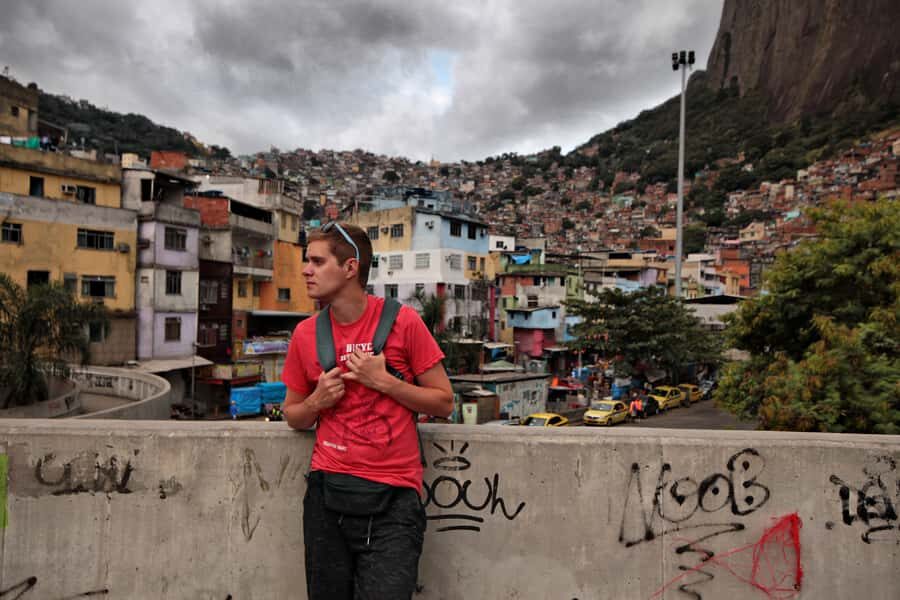
The heart of the tour is the walking itself. You’ll cut through narrow alleys and stairways in Rocinha, and along the way you’ll get the kind of explanation that doesn’t fit into Instagram captions.
Expect your guide to connect three layers:
1) The human layer. You meet locals and hear personal stories. This is where the experience changes your perspective. Rocinha isn’t presented as a single storyline. It’s everyday life—work, family routines, community expectations, and the small decisions people make to get through a day.
2) The history layer. You learn how Rocinha developed and how the neighborhood has been shaped by larger forces in Rio. That context helps you understand why the area looks the way it does and why community rules matter.
3) The challenges layer. You also hear about social and economic obstacles. The tone stays grounded, not sensational. Your guide keeps the focus on how Rocinha residents respond and adapt.
And yes, there’s a practical side to this too. Walking gives you a better sense of scale and layout than driving ever will. You’ll see the “in-between” spaces where daily life actually happens—spaces that get skipped when tours rush.
The Views Over Rio: Rooftops, Novo Visual, and That First Look

Rio has views everywhere, but the Rocinha viewpoint moments hit differently. You’re not looking at Rio from an approved scenic platform. You’re seeing the city from within the setting that many people ignore.
One common highlight is a viewpoint stop at Novo Visual Rocinha, described as offering stunning panoramic views over the city. That panoramic moment is usually timed so it doesn’t feel like a random break. It works as a reset: you’ve been walking through the close-up reality, and then your guide gives you the city-scale perspective.
There’s also often a rooftop bar stop. In some cases, this includes the option to buy a drone video of you in the neighborhood, plus the chance to grab a caipirinha or other drinks while you take in the view. Since food and drinks are not included in the tour price, treat anything at the bar as an add-on if you want it.
The takeaway: this isn’t just about scenery. It’s about seeing Rio’s contrasts from a spot many tourists never reach.
Capoeira in Rocinha: Culture You Can Watch and Participate In
Capoeira shows up in Rocinha tours for a reason: it’s more than performance. It’s community culture, movement, music, and history tied to identity.
In this experience, you’ll visit a capoeira school or see a capoeira session as part of the tour. People describe it as especially impressive because it comes from local kids and practitioners, with energy that feels less staged and more lived.
A few useful details for your expectations:
- You’ll likely see demonstrations, and some tours include time where you get to play instruments or join in more than you’d expect from a basic show.
- Donations may be suggested for the session, depending on how your guide structures the stop.
- It’s a fun moment, but it also plugs into the tour’s bigger theme: how culture grows in the same place people assume is only hardship.
If you want a “Rio beyond beaches” day, capoeira is one of the best ways to get there without turning the neighborhood into a museum exhibit.
You can also read our reviews of more tours and experiences in Rio De Janeiro






Safety and Respect: The Guide Makes the Difference
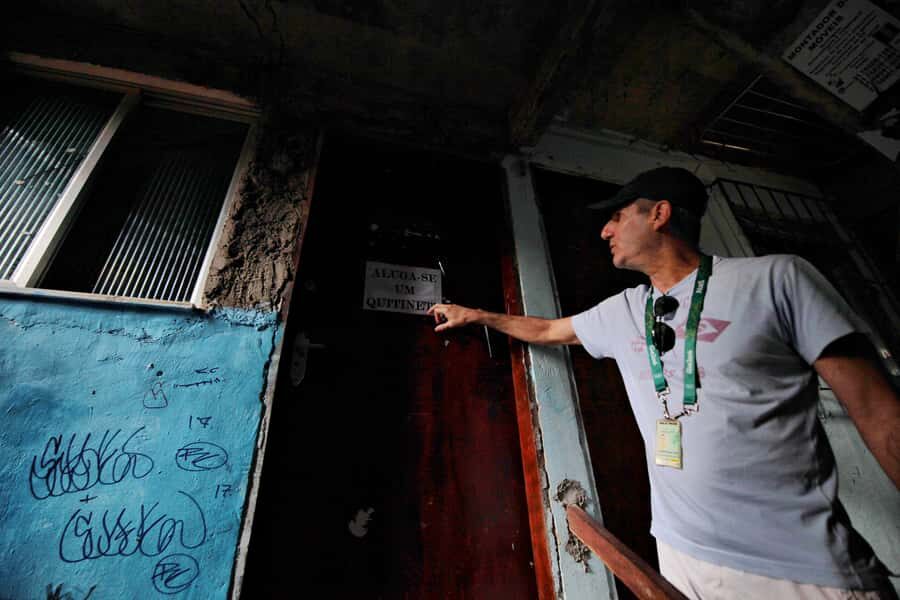
Safety is the question everyone asks. Here, the key is not bravado. The tour is designed around local guidance and a respectful pace.
Multiple accounts praise the feeling of being safe throughout the walk, including routes that some people assume are more sensitive. The common pattern is that the guide keeps the group together, manages timing, and explains what you’re seeing in a way that keeps interactions calm and appropriate.
There’s also a strong emphasis on being non-intrusive. You’re not walking in with a crowd-control mindset. You’re being brought into the neighborhood with hosts who know how to balance education with boundaries.
One more thing that I think matters: the “walking” format naturally forces patience. You can’t rush through Rocinha like you can from a vehicle. Your guide slows you down just enough to observe, ask questions, and move on without turning the street into a spectacle.
Price and Timing: Is $35 Worth It for Three Hours?
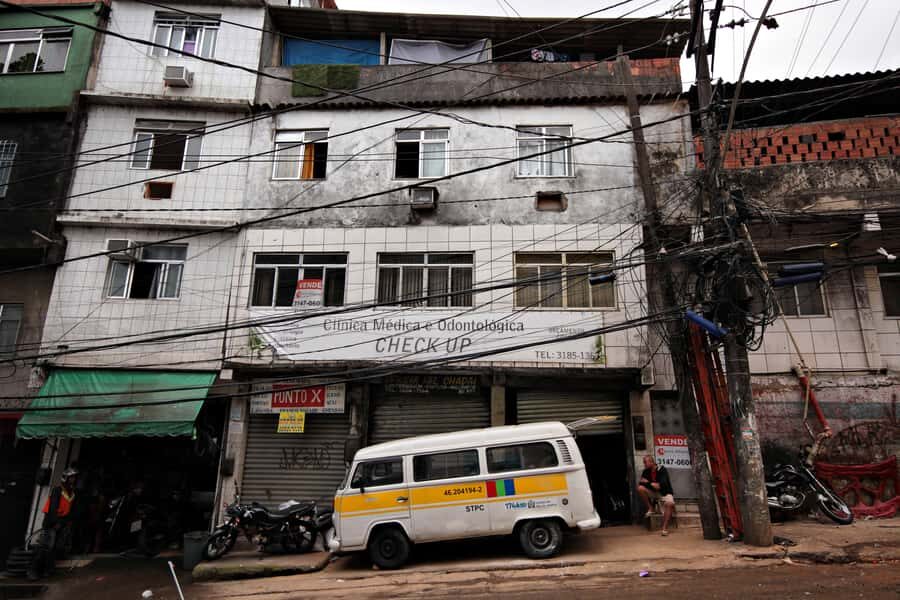
At $35 per person for about three hours, this tour sits in the “mid-range” area for Rio day activities, but it feels like strong value when you look at what’s included.
What you get for the price:
- A local guide
- The walking tour itself
- The tour cost includes a monetary contribution to the community
When you compare that to typical “experience” pricing, the biggest value driver is access plus intent. You’re not paying just for a viewpoint. You’re paying for a guided, respectful walkthrough of daily life with explanations that help the whole area make sense. And the community contribution component adds a layer of impact beyond your own photos.
Timing also helps. A half-day format means you can do this without losing your whole day to logistics. You’ll still have time in Rio for a beach afternoon, a museum, or just wandering with your new context switched on.
What to Bring, What to Wear, and How to Make It Easier
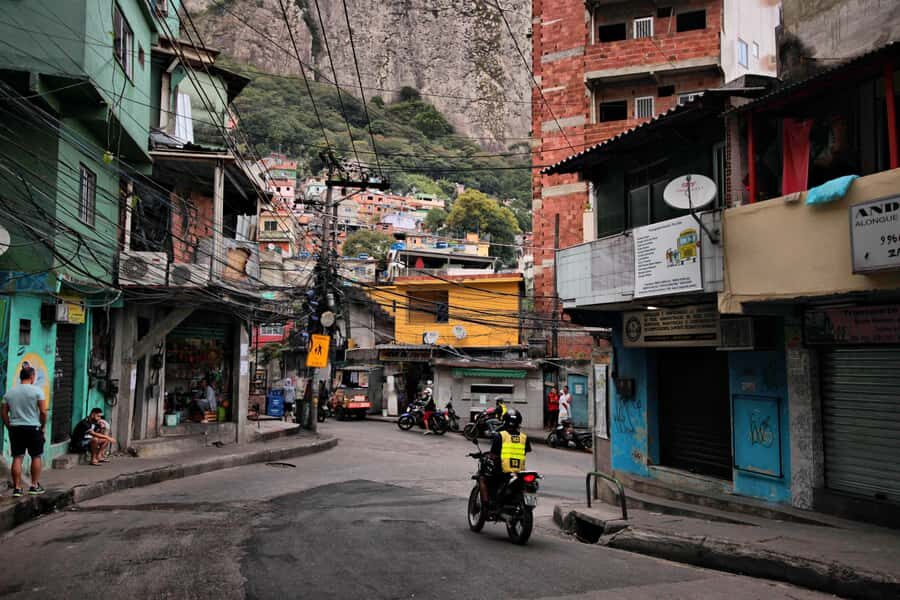
This is not a flip-flop day.
Wear comfortable clothes and comfortable shoes. You will walk through narrow alleys and stairs, and the physical load matters. There’s no way to make Rocinha stairs feel like a flat city stroll.
Bring your camera if you want photos, but also remember that the point is learning. If you treat the tour like a casual photo hike, you’ll miss the explanations that make it meaningful.
Since food and drinks are not included, think about your own preferences for snacks or water beforehand if that’s part of your travel routine. At minimum, plan your energy level so you don’t feel like you’re dragging yourself uphill.
Who Should Book (and Who Should Skip This One)

This tour fits best if you:
- Want a real, guided understanding of Rocinha instead of a quick drive-through
- Like walking tours and short cultural stops
- Are comfortable asking questions and talking with locals
- Want both city views and neighborhood context in one afternoon
It’s not suitable for:
- Children under 6
- People with mobility impairments or wheelchair users
- People with knee problems or recent surgeries
- People over the stated weight limits (130 kg / 140 kg) and upper age limits listed in the tour info
If you’re on the edge physically, be honest with yourself. The stairs and narrow lanes are a big part of the experience. This is one of those tours where “I’ll be fine” can turn into “why did I do that” by the end.
Should You Book the Rio: Rocinha Half-Day Favela Walking Tour?
If you want Rio without the easy stereotypes, I think this is a smart book. The biggest reason is the format: walking with locals, small-group pacing, respectful storytelling, and cultural moments like capoeira. The viewpoint stops also help you connect micro-level daily life with the bigger picture of Rio’s geography and contrasts.
But if you know you struggle with stairs or you’re not comfortable with a physically demanding walk, skip it. There are other ways to learn about Rio that don’t require climbing narrow alleys.
Bottom line: if you can handle the walking and you care about respectful access, this tour is one of the more worthwhile ways to spend a half-day in Rio.
FAQ
Where is the meeting point for the Rocinha tour?
Meet in front of Belmond Copacabana Palace Hotel at 13:25. The address is Av Atlantica 1702, Copacabana, and you should wait next to the statue of journalist Ibrahim Sued in front of the main entrance.
How long is the Rio: Rocinha Half-Day Favela Walking Tour?
The tour lasts about 3 hours.
What languages are the tour guides available in?
The live tour guide is available in Spanish, English, and Portuguese.
Is food or drinks included in the tour price?
No. Food and drinks are not included.
What should I bring and wear?
Wear comfortable clothes and comfortable shoes. Bring your camera if you want to take photos.
Is this tour suitable for people with mobility issues?
The tour is not recommended for people with knee problems or mobility issues. It is also listed as not suitable for wheelchair users and some other mobility limitations, based on the tour’s stated restrictions.