REVIEW · RIO DE JANEIRO
Tijuca National Park and all its wonders!
Book on GetYourGuide →Operated by Ecotu Rio · Bookable on GetYourGuide
Waterfalls hide minutes from Rio’s city noise. This guided hike in Tijuca National Park threads coffee-era history, rainforest wildlife, and three standout stops: Taunay Waterfall, Cascata da Baronesa, and Gruta dos Murcegos (bat cave). I love the waterfall moments and the wildlife-spotting chances, but be ready for a dense-forest hike that can run 6 to 12 km.
What makes this outing especially practical is the way it’s set up for real bodies, not show-only walking. You start at Praça Afonso Viseu, go with a certified guide team (live tour in Portuguese, English, and Spanish), and you keep the route flexible depending on your group’s level and comfort. The main consideration: it’s not for mobility limits, and it’s not a good match if you have respiratory issues, epilepsy, or recent surgery.
I also like that the tour doesn’t treat the park like a backdrop. It’s focused on how plants and animals survive in the Atlantic Forest, plus environmental awareness and NGO support along the way, and that thoughtful approach shows up in how guides like Thomas handle the group.
In This Review
- Key things I’d circle before you go
- Why Tijuca Feels Like a Forest Escape From Rio
- Meeting at Praça Afonso Viseu and What the 4 Hours Are Really Like
- The Historical Circuit: Coffee and Livestock Routes Under the Canopy
- Taunay Waterfall: The Moment the Trail Feels Like a Reward
- Cascata da Baronesa: A Second Waterfall Stop With Different Energy
- Gruta dos Murcegos: Bat Cave Stop and How to Handle It
- Wildlife Viewing in the Atlantic Forest: What You Can Actually Do
- Hiking 6 to 12 km: Choosing the Right Pace for Your Day
- What Makes Thomas’s Style So Effective on the Trail
- What’s Included, What You Should Pack, and What to Leave Behind
- Price and Value: Is $51 a Good Deal for 4 Hours?
- Who This Tour Fits Best (and Who Should Skip It)
- Should You Book Tijuca National Park and Its Wonders?
- FAQ
- How long is the Tijuca National Park hike?
- Where do we meet for the tour?
- How far do we hike?
- What languages are available with the guide?
- What should I bring?
- Is this tour suitable for people with mobility issues?
Key things I’d circle before you go
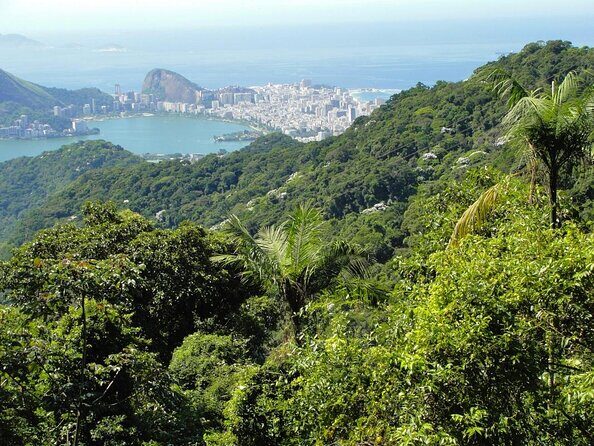
- Taunay Waterfall: a classic payoff that makes the hike feel worth every step
- Cascata da Baronesa: a second waterfall moment that adds variety in a short time
- Gruta dos Murcegos: bat cave stop built into the trail experience
- Historical circuit: old coffee-growing and livestock routes inside the park
- Wildlife viewing: chances to spot sloths, monkeys, coatis, and more
- Flexible 6 to 12 km pacing: choose challenging or more relaxed depending on your group
Why Tijuca Feels Like a Forest Escape From Rio
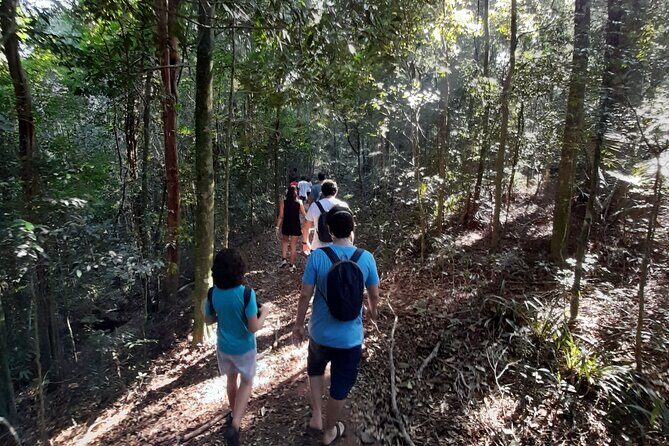
Tijuca National Park is one of those places where your brain still expects streets, but your eyes get canopy, mist, and moving wildlife instead. In just a half-day, you go from a city meeting point into the Atlantic Forest world that shaped this region.
This isn’t only about pretty scenery. The trail ties together living nature and human history: along the way, you learn about plants, animals, and how they interact with the environment. You also get waterfall stops that break up the hike and make it easier to stay focused on the experience, not just the effort.
The best part is that it doesn’t promise perfect wildlife sightings. It gives you structured time for wildlife viewing, so if sloths, monkeys, or coatis decide to show up, you’re in the right place to notice them.
You can also read our reviews of more tours and experiences in Rio De Janeiro.



Meeting at Praça Afonso Viseu and What the 4 Hours Are Really Like
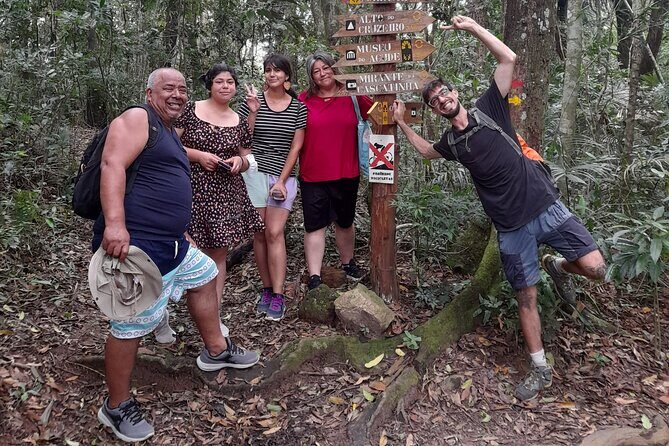
You’ll meet at Praça Afonso Viseu, where there’s a big sign for Tijuca National Park. That matters more than it sounds. A clear meeting point reduces stress at the start, and the tour begins smoothly.
The total time on the experience is about 4 hours. That timeframe is long enough to feel like a real hike, but short enough that you can still build the rest of your Rio day around it. Because it’s a private group, your guide can set the pace and adjust the route choices based on your comfort level.
You’re not stuck with one rigid plan either. The tour is designed for a hike between 6 and 12 km depending on how your group handles forest trails. So even though the experience is set, your day doesn’t feel like a factory line.
The Historical Circuit: Coffee and Livestock Routes Under the Canopy
One of the most interesting parts is the historical circuit. This is where the park’s human story comes in, not as a museum lecture but as a walk through the kinds of paths people used in the past.
The tour focuses on how Brazilians once grew coffee and raised livestock along this area. As you walk, your guide explains what you’re seeing in the vegetation and how it connects to the landscape’s older use.
For you, this changes the vibe. Instead of treating the forest as only a hiking backdrop, you’ll start noticing how the ecology and human activity shaped what’s here. It’s a great reminder that conservation isn’t about freezing nature in time. It’s about protecting what survives now.
Taunay Waterfall: The Moment the Trail Feels Like a Reward
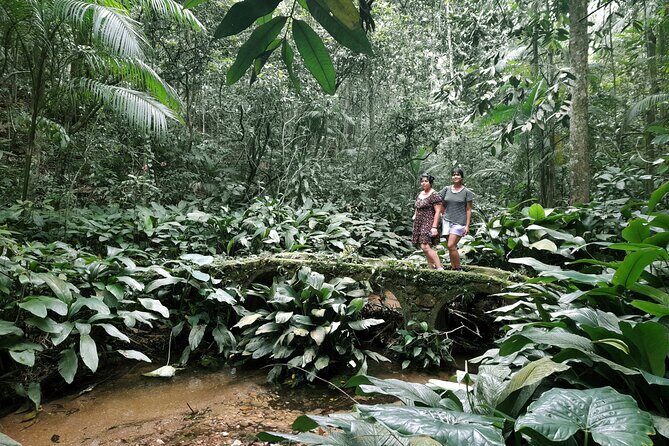
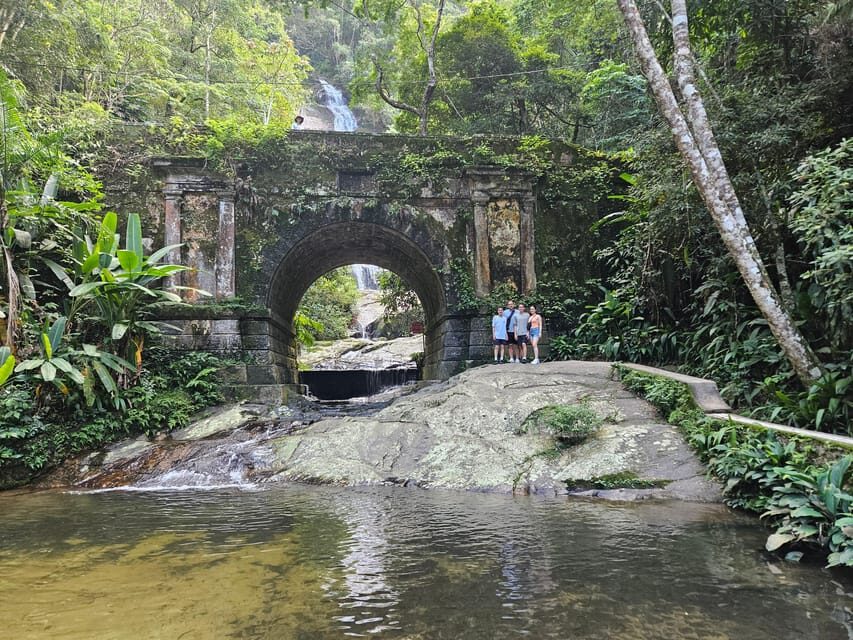
Taunay Waterfall is one of the highlights, and it’s exactly the kind of stop that turns effort into payoff. Even if you’re not a hardcore hiker, a waterfall break gives you a clear goal during the walk and helps you reset.
Expect a dense-forest setting. The experience is built around hiking through a thick, active environment, so you’ll likely feel humidity and changing light as you move. When the waterfall finally appears, it’s not just a view stop. It’s a scene that lets you understand why water and forest life are linked.
Practical tip: bring the right footwear and be ready for slick spots. Waterfalls mean damp ground, and the trail is often uneven. Take it slow and keep your weight stable.
Cascata da Baronesa: A Second Waterfall Stop With Different Energy
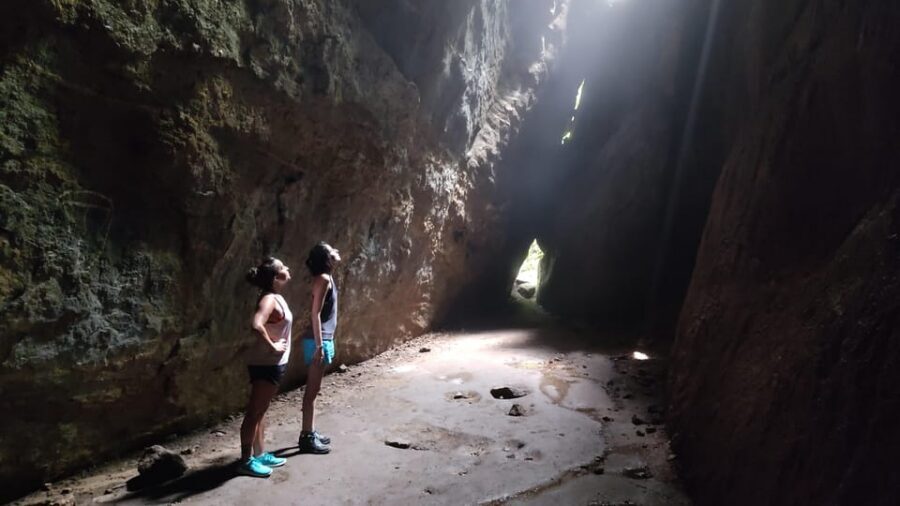
Cascata da Baronesa is the next major waterfall highlight, and it’s a smart choice within a half-day schedule. Two waterfall moments in one hike means you don’t get one big burst and then feel like the rest is filler.
This stop also helps with variety. Even in the same park, changing water flow, viewpoints, and the feel of the surrounding vegetation can make the experience feel fresh. It’s the kind of structure that keeps you interested when the trail goes from exciting to simply beautiful.
Again, don’t underestimate how wet a waterfall route can be. Your best friend here is traction: comfortable shoes with good grip and a steady pace.





Gruta dos Murcegos: Bat Cave Stop and How to Handle It
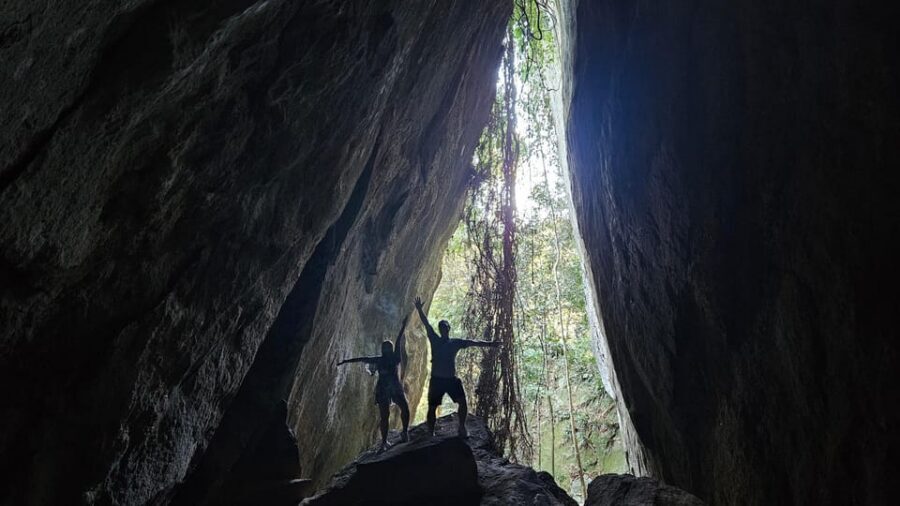
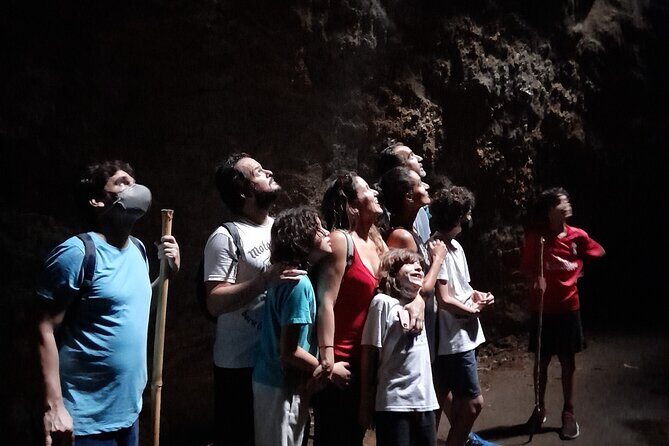
Gruta dos Murcegos is included as a highlight, and it’s the most “different from your average hike” stop on the route. Bat caves bring a specific kind of attention: how animals use dark spaces, how they survive in the environment, and what you should do to respect the cave atmosphere.
You won’t get just a quick look and move on. The tour is set up as guided hiking with wildlife viewing, and this cave stop fits that same approach. Your guide will talk through characteristics and interaction with the environment, so you’re not just looking at a hole in the rock.
Practical advice: wear the clothing and footwear you can trust. Cave areas can feel cooler and more humid, and trails to reach them can be uneven.
Wildlife Viewing in the Atlantic Forest: What You Can Actually Do
The park offers a real chance to see large mammals like sloths and monkeys, plus coatis and other wildlife. The key phrase is chance. This is nature, not a zoo with scheduled feedings.
What you can do is set yourself up to notice. Your guide will talk about plants and animals and their characteristics, which makes spotting easier because you’ll know what you’re looking for. You’ll also spend time on the trail with wildlife viewing in mind rather than rushing straight through.
And you’ll likely learn how the forest works as a system: where animals find cover, how movement patterns relate to the environment, and why dense vegetation matters. That’s more valuable than a checklist of species, because it teaches you how to think like a careful observer.
If you care about wildlife ethics, this is a good style of tour. It promotes environmental awareness and supports conservation efforts with different NGOs, so the focus stays on respectful observation and learning.
Hiking 6 to 12 km: Choosing the Right Pace for Your Day
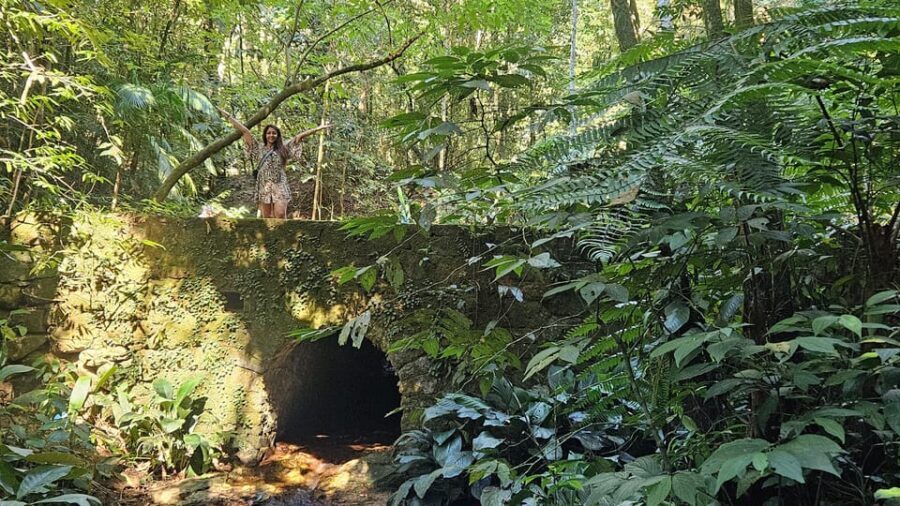
This is a hike through dense forest, and the route can be adjusted between 6 and 12 km depending on your skill level. That range is important for you to understand because the difference between comfortable and miserable is often only a few kilometers and a few hours of stop-and-go.
If you’re comfortable with walking trails and uneven ground, you can push toward the longer side. If you want to enjoy waterfalls and photos without feeling crushed, choose the shorter end. Either way, you’ll still get the core highlights.
Bring your best shoes, not your prettiest ones. The tour doesn’t allow high-heeled shoes, and you shouldn’t assume your regular sneakers have the grip you need. Also, the park is dense enough that you’ll want outdoor clothing and layers. Forest weather can change quickly.
Your best mindset: slow and steady. In the end, the point is not speed. It’s getting far enough into the park that it feels like a true escape.
What Makes Thomas’s Style So Effective on the Trail
In the ratings, one name keeps showing up for the right reasons: Thomas. The common themes are friendly energy, quick adjustments to the group’s needs, and strong explanations of both the park and the history behind it.
That combination matters. A waterfall hike can become frustrating if the guide refuses to adapt or keeps a rigid pace. Thomas’s style, based on the feedback, is to stay flexible and keep the group comfortable while still hitting the impressive spots.
You’ll also benefit from how the guide handles context. Instead of only saying what you see, the guide explains the why. That’s how a forest hike turns from photos-only into something you remember because it made sense.
What’s Included, What You Should Pack, and What to Leave Behind
This tour keeps the basics covered, so you don’t have to overthink it. You’ll have hiking sticks, plus a professional tour guide with more than 10 years of experience on the Atlantic Forest.
You’ll want to pack smart:
- Comfortable shoes with traction
- Change of clothes (because a waterfall trail can mean dampness)
- Towel
- Camera
- Food and drinks
- Outdoor clothing and hiking shoes
- Biodegradable insect repellent
Also note what’s not allowed. No bare feet, no high heels, and you should avoid alcohol and drugs. Fishing and fireworks are also not part of the experience. Keeping it simple helps you focus on the park.
One more small but important thought: bring what you need to stay calm and hydrated. Forest hikes feel cooler sometimes, but you can still work up a sweat fast.
Price and Value: Is $51 a Good Deal for 4 Hours?
At $51 per person for a 4-hour guided hike in a major national park, the value comes from what you get for your time and energy. You’re paying for guided walking that covers real highlights—two waterfalls plus a bat cave stop—while also teaching you what you’re seeing.
The fact that this is a private group matters for value too. In a private setup, the guide can tailor pacing and trail choices between 6 and 12 km based on your skills level. You’re not stuck with a mismatched group tempo.
Then there are the included essentials: hiking sticks and an experienced guide who knows the Atlantic Forest. If you’ve ever tried to do Tijuca on your own, you’ll know that “just hiking” is easy to get wrong—starting points, trail interpretation, and safe pacing are where a guide pays off.
Who This Tour Fits Best (and Who Should Skip It)
This experience is built for people who can handle a hike through dense forest. It’s not suitable for:
- Pregnant women
- People with mobility impairments, wheelchair users
- People with respiratory issues
- People with epilepsy
- People over 80, and also not for those over 75
- People with pre-existing medical conditions or recent surgeries
- Babies under 1 year
If you’re generally healthy and you’re comfortable walking 6 to 12 km on a trail, this is a strong fit. It’s also a good option for couples, friends, or small groups who want a guided structure without sharing the day with strangers.
If you love nature with context—plants, wildlife, and history—this tour will keep you engaged. If you only want an easy stroll with minimal walking, consider choosing a shorter or less demanding plan in Rio instead.
Should You Book Tijuca National Park and Its Wonders?
I’d book it if you want a half-day that feels like real rainforest time, not a quick stop. The combination of Taunay Waterfall, Cascata da Baronesa, and Gruta dos Murcegos gives you variety that stays interesting even when you’re tired. Add the historical circuit about coffee and livestock, and you get more than scenic walking.
I’d skip it if any of the health or mobility limits apply, since it’s a dense-forest hike. Also skip it if you’re unwilling to bring the right footwear and accept that the route can be 6 to 12 km.
One final decision tip: choose your pace honestly before you start. With a flexible distance and a guide who can adapt, you’ll enjoy the park more if you walk within your comfort zone.
FAQ
How long is the Tijuca National Park hike?
It runs for about 4 hours.
Where do we meet for the tour?
You meet at Praça Afonso Viseu, at the square with a big Tijuca National Park sign.
How far do we hike?
The hike is designed for 6 to 12 km depending on your skills level and the trail choice for your group.
What languages are available with the guide?
The live tour guide is available in Portuguese, English, and Spanish.
What should I bring?
Bring comfortable shoes, hiking shoes, outdoor clothing, a change of clothes, a towel, camera, food and drinks, and biodegradable insect repellent.
Is this tour suitable for people with mobility issues?
No. It is not suitable for wheelchair users or people with mobility impairments, and it’s also not recommended for people with respiratory issues, epilepsy, or recent surgeries.