REVIEW · RIO DE JANEIRO
Samba Show (Ensaio de Escola de Samba)
Book on Viator →Operated by Kings Turismo · Bookable on Viator
Samba rehearsals feel like carnival warm-up. I like that this 5-hour experience pairs a real samba school rehearsal with an admission ticket, so you are not just watching from the sidelines. I also like that it runs as a small group (up to 14) with English offered, which makes it easier to ask questions and follow what is happening. The main drawback to keep in mind: pickup timing can slip, and the show may include only light explanation once you arrive.
From the setup, this is built for people who want the rhythm behind Rio’s carnival, not just the final parade moment. If you catch the right guide, the experience can click fast; one name that shows up in feedback is Anderson, praised for showing people around and keeping the night fun and clear. Still, if you expect a full guided lecture, you might feel the pacing is more show-first than talk-first.
You’ll start in Copacabana and head out with a pickup option, then return to the same meeting point at the end. I’d book this when you want to feel the energy—dancers, drummers, and school rehearsal atmosphere—while staying realistic about what a “show” format includes.
In This Review
- Key things I’d plan for
- Rio’s samba rehearsal: what you’re actually buying
- The 5-hour timing and what to expect during the show
- Copacabana pickup at the OthonPalace area
- Inside the samba school rehearsal: dancers, drummers, and the rhythm you can feel
- English commentary and guide influence (Anderson gets credit)
- Price and value: is $70 fair for a 5-hour ticketed night?
- Who this is best for (and who should consider something else)
- Small-group size: why it matters more than you think
- What I’d do differently to avoid the main complaint
- Should you book Samba Show (Ensaio de Escola de Samba)?
- FAQ
- Where is the meeting point for the Samba Show?
- Is hotel pickup available?
- How long does the experience last?
- What does the ticket price include?
- Will the tour be in English?
- How many people are in the group?
- Is the activity round-trip from the meeting point?
- Is confirmation provided after booking?
- Can I cancel and get a refund?
Key things I’d plan for
- Pickup timing needs confirmation: the schedule is described as approximate and should be confirmed before your date.
- Up to 14 people: this keeps the group manageable and less chaotic than big coach tours.
- Admission ticket included: the $70 is not just transport; you are paying for entry to the rehearsal.
- English is offered: helpful if you want commentary while the samba school action moves quickly.
- Show energy is the point: the rehearsal format can feel more like a party than a formal tour.
- Guide quality matters: Anderson is specifically called out for guiding and explaining in a friendly way.
Rio’s samba rehearsal: what you’re actually buying
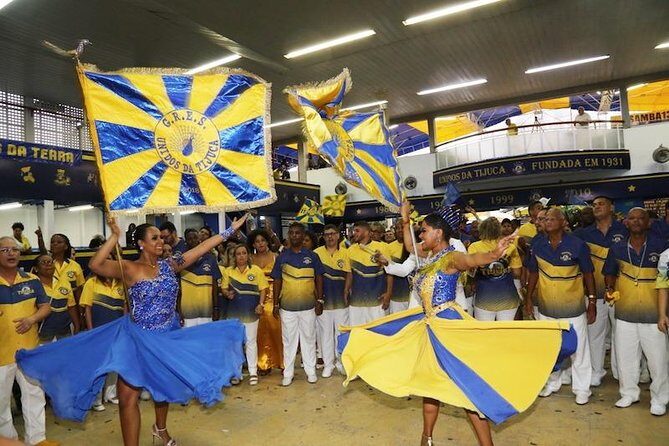
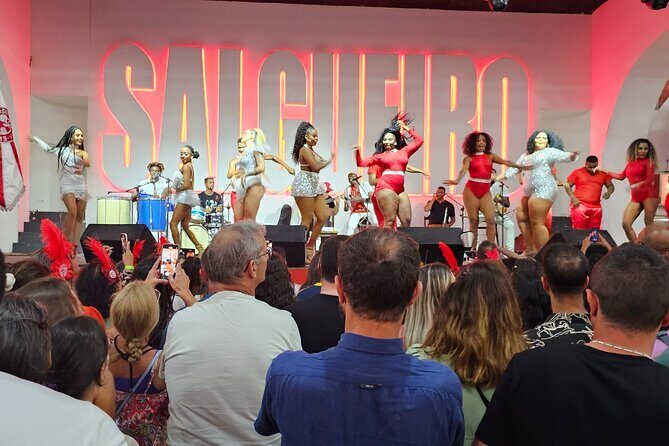
This is not a museum visit. It is a samba school rehearsal setting—dancers, drummers, and the kind of back-in-the-scenes carnival vibe that explains why Rio takes samba so seriously. You’re paying for entry to that rehearsal moment, plus a guided day plan that connects you from Copacabana to the activity and back.
That distinction matters. When a night is built around rehearsal, the emphasis is on music, movement, and momentum. You should expect the sound to drive the experience more than a deep, step-by-step lesson. If you like learning by watching—watching footwork, hearing how the rhythms lock together, noticing how the group reacts—this style works well.
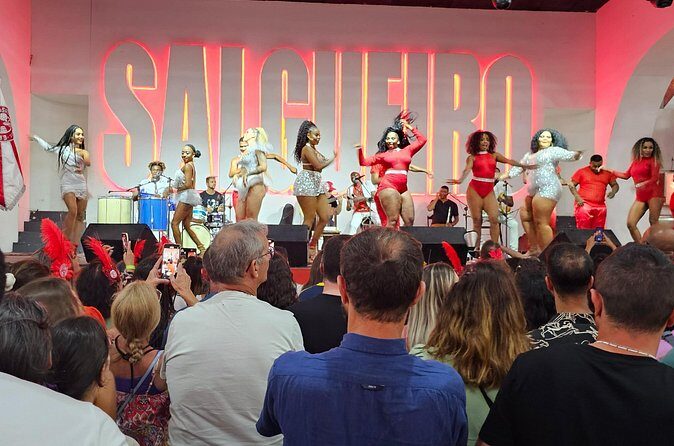
It also helps that the experience is framed as Rio de Janeiro Carnival: samba school rehearsal with dancers and drummers. That wording is your clue. Think carnival preparation energy, not a quiet performance. In the feedback, the energy gets praised as really good, which lines up with the “rehearsal” promise.
You can also read our reviews of more tours and experiences in Rio de Janeiro



The 5-hour timing and what to expect during the show
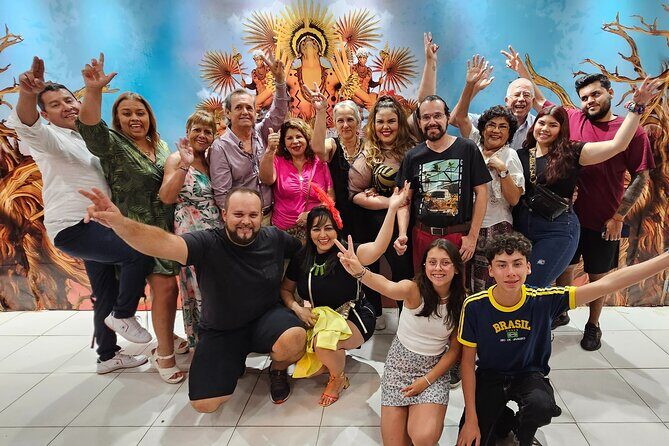
The total time listed is about 5 hours. That’s long enough for you to settle in, watch multiple passes, and get a feel for how a samba school rehearses as a unit. It also means you should show up ready for a few hours of motion and sound.
One important detail: the format may be seating-based in some fashion. A mixed comment describes arriving and being seated at a table with a schedule handed out, rather than receiving lots of immediate instruction. You can plan on a “get settled, then watch” flow, rather than a constant guided walkthrough the moment you arrive.
Here’s a realistic mental picture of how these rehearsal nights usually move (and why the timing matters):
- You’ll likely get a short orientation at the venue.
- Then the rehearsal activity becomes the main show.
- The drummers and dancers usually control the pace, not a speaker.
If you are the type who enjoys structure—like exact explanations, minute-by-minute narration—this could feel lighter than expected. On the flip side, if you want to witness samba culture in motion, that same open format can feel more authentic. The positive feedback highlights that the show felt like a party with performers and strong energy, which is the upside of a rehearsal setting.
Copacabana pickup at the OthonPalace area
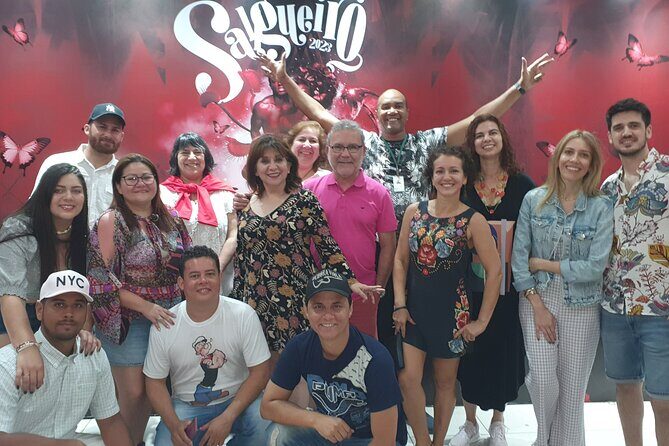
You start at R. Xavier da Silveira, 5 in Copacabana, Rio de Janeiro. The meeting point is in front of OthonPalace hotel, but pickup in Copacabana hotels or flats is also offered. That matters if you want to avoid the “find the right bus stop” stress in a busy area like Copacabana.
Pickup timing is where you need to be sharp. The plan says pickups commence roughly 30–60 minutes prior to the scheduled start, and you are advised to confirm the pick time before your travel date. This is one of the clearest logistical warnings in the information you were given. If you hate waiting, do the confirming step early and build in patience.
Also note the end point: the activity returns back to the meeting point. That’s good for planning your night. You’re not stuck figuring out transportation after a long show.
Finally, the meeting point is described as near public transportation. That is a comfort factor if you end up doing any last-minute adjustments, because it can be easier to self-arrange your way if needed.
Inside the samba school rehearsal: dancers, drummers, and the rhythm you can feel
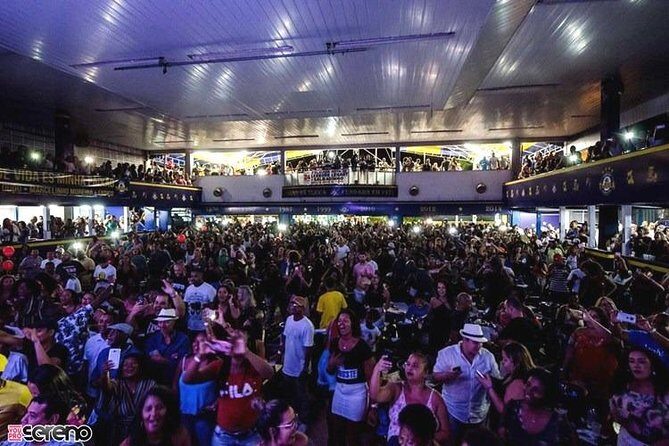
The entire itinerary centers on one main stop: Rio de Janeiro Carnival, a samba school rehearsal with dancers and drummers. That makes the value very simple: you are not splitting attention across multiple sites. All your energy goes into one experience.
What I like about this setup for your trip is focus. When the night has one clear target, you can judge it on one scale: did you enjoy samba school rehearsal energy, did it make sense, and did you feel connected to the performance?
From the feedback you provided, the best moments seem to be about atmosphere:
- The place can feel like a party, with singer, dancers, and drummer energy.
- The vibe is praised as really good.
- A top guide mention points to Anderson, who helped people understand what they were seeing and kept the experience moving.
The “singer” detail is useful because not all rehearsal formats lean heavily on vocals. If vocals show up, that can make the night feel more complete and easier to follow, even if you’re new to samba.
The potential downside is explanation. One comment says there was little explanation and that when the group arrived, they were mainly seated and given pickup time information. That doesn’t mean the show is bad—it means your understanding depends more on what the guide adds once you arrive, and less on a pre-planned talk.
English commentary and guide influence (Anderson gets credit)
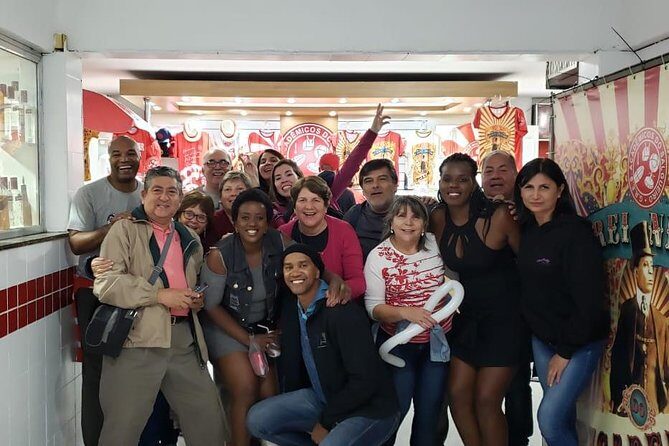
English is offered on this experience, and that’s a big deal for value if you do not read Portuguese samba-school jargon. In a rehearsal setting, being able to ask quick questions—or even just having a guide narrate what you’re seeing—helps you stop feeling like you are watching something random.
In the positive feedback you shared, Anderson is specifically praised for showing people around and for helping make the show enjoyable and understandable. That’s the kind of guide support that turns a fun night into a memorable one.
Still, not every run will feel equally coached. One mixed comment suggests that the tour component can be light. So here is the practical move: treat the “tour” part as a support layer, and treat the “show” part as the core product. If you do that, you are less likely to feel disappointed.
If you want more explanation, come with curiosity. Ask your guide what to watch for during the rehearsal rhythm changes, and pay attention to how dancers and drummers respond as a group.





Price and value: is $70 fair for a 5-hour ticketed night?
At $70 per person, the key question is what you actually receive for that cost. The pricing info you provided lists:
- Approximate duration of 5 hours
- Admission ticket included
- Pickup offered (with timing confirmation needed)
- English offered
- Maximum group size of 14
With admission included, your money is not just covering transport. You are paying to get into the rehearsal itself and have structured access to it. That pushes the value in the right direction, especially since carnival-style events can cost more once you add entry fees.
One reason I think the $70 can feel worthwhile is the time block. Five hours is enough to feel like a real evening plan, not a quick stop. When you are paying for a night experience, duration is part of the deal.
The other reason is group size. Up to 14 people is small enough for a guide to interact meaningfully, at least in theory. And when that happens, English commentary becomes more useful.
Is it a bargain? It depends on what you want from the night. If you want deep narration and a tightly scripted guided lecture, some feedback suggests the explanation may be limited. If you want the samba school rehearsal atmosphere with a fun guide and strong performance energy, that $70 can feel like a fair exchange.
Who this is best for (and who should consider something else)
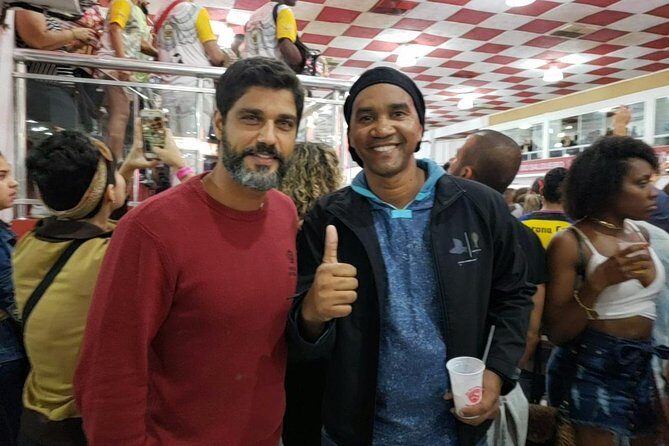
This experience makes the most sense if you:
- Want carnival rehearsal energy without committing to the full parade season.
- Like music and performance-based travel, where you learn by watching and listening.
- Need English support while you watch dancers and drummers at work.
- Prefer smaller groups to large-city chaos.
It may be less ideal if you:
- Expect a highly structured guided tour with lots of narration.
- Are extremely sensitive to pickup delays. The info you have clearly warns you to confirm pick time.
In other words, you’re choosing between two experiences that both involve samba:
- A show-first rehearsal night where the energy is the product.
- A talk-first tour where explanations dominate.
Based on what’s described, this leans show-first.
Small-group size: why it matters more than you think
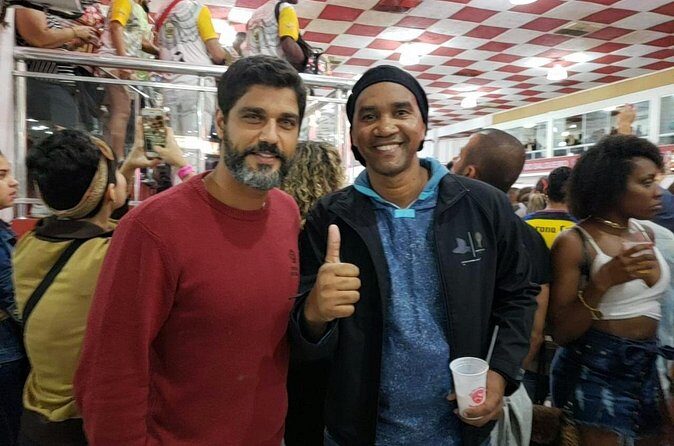
Up to 14 people sounds minor, but it changes the feel of your night. Smaller groups usually mean:
- easier movement on pickup and arrival
- better chances of hearing English explanations
- less time wasted waiting around
In performance settings, that matters. A samba rehearsal can be loud and fast-moving. If you’re in a huge group, it’s hard for a guide to reach everyone, and it’s harder for you to keep track of where the action is relative to you.
This is one reason the “small group” detail is not fluff. It is part of the quality equation for how you’ll experience the rehearsal.
What I’d do differently to avoid the main complaint
A mixed comment points to two issues: pickup lateness and limited explanation. You can’t control every schedule, but you can control your prep.
My practical checklist:
- Confirm pickup time before your date (the info explicitly says to do this).
- Arrive ready to settle in quickly once you get to the venue.
- If you care about explanations, ask your guide early what you should watch for during the rehearsal.
That last part is the best antidote to a show-first format. It turns your evening into an active experience instead of passive waiting.
Should you book Samba Show (Ensaio de Escola de Samba)?
Book it if you want a ticketed samba school rehearsal night in Rio with pickup from Copacabana, English offered, and a small group size that keeps the experience from feeling like a cattle call. If strong performance energy is your goal, this format is built for that.
Skip it or look for an alternative if you need heavy guided narration as the main product. The information you were given includes signs that some runs may feel more like a party with performers than a fully explained tour. And if your schedule is tight, treat pickup timing as something you must confirm.
If you do book, do the confirming step, then relax into the rhythm. This is carnival culture in motion, and your best results come from treating the rehearsal like the star of the evening.
FAQ
Where is the meeting point for the Samba Show?
The meeting point is in front of OthonPalace hotel at R. Xavier da Silveira, 5, Copacabana, Rio de Janeiro, RJ 22061-010, Brazil.
Is hotel pickup available?
Yes. Hotel pickups are offered in Copacabana, and pickup details say pickups commence about 30 to 60 minutes prior to the start time. The exact pickup time is advised after reconfirmation.
How long does the experience last?
The duration is approximately 5 hours.
What does the ticket price include?
Admission ticket is included.
Will the tour be in English?
English is offered.
How many people are in the group?
The maximum group size is 14 travelers.
Is the activity round-trip from the meeting point?
Yes. The activity ends back at the meeting point.
Is confirmation provided after booking?
Confirmation is received at the time of booking.
Can I cancel and get a refund?
No. This experience is non-refundable and cannot be changed for any reason.