
REVIEW · RIO DE JANEIRO
3-Hour Brazilian Cooking Class in Rio de Janeiro
Book on Viator →Operated by Gregtur Turismo · Bookable on Viator
Brazil tastes better when you cook it. This Rio de Janeiro class is a fun way to learn the flavors you hear about all the time, with hands-on cooking led by Chef Simone and stories tied to Brazilian food culture. You’ll also taste what you make, with five dishes and two drinks served after the cooking.
My two favorite parts are how interactive it feels (you’re not just watching) and how quickly you go from chopping and cooking to sitting down and eating. One possible drawback to consider: at $195 per person for a 3-hour evening, it’s best if you really want a guided food experience, not just a casual snack.
In This Review
- Key highlights worth your attention
- A 5 pm Copacabana kitchen session with Chef Simone
- Moqueca on Mon/Wed/Fri, Feijoada on Saturday
- The hands-on flow: prep, cook, and then eat
- The menu: five Brazilian dishes, cassava sticks, and two drinks
- Why the small-group limit (seven max) changes everything
- Value check: is $195 worth it?
- What to bring (and how to get the most out of it)
- Who should book this cooking class in Rio?
- Should you book this 3-hour Brazilian cooking class?
- FAQ
- How long is the cooking class?
- Where does the class start?
- What time does the class begin?
- Is hotel pickup and drop-off available?
- What dishes are included?
- Are drinks included?
- How many people are in the class?
- Is it private or shared?
- What’s included in the price?
- FAQ
- Do I need to tip?
- Can I cancel for a full refund?
- Do I need prior cooking experience?
Key highlights worth your attention
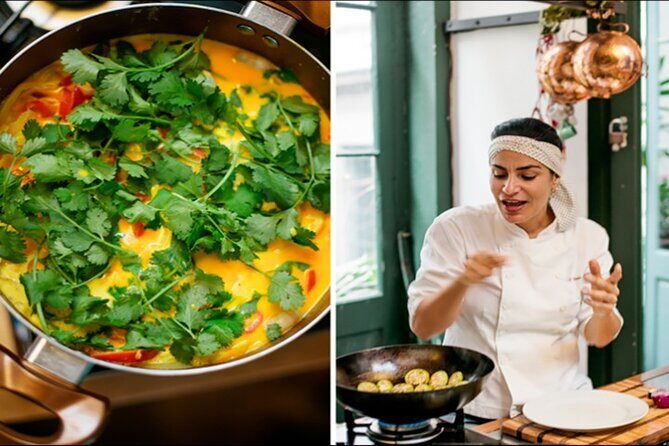
- Chef Simone leads the class with energy and food-and-history storytelling
- Moqueca vs. Feijoada depends on the day (Mon/Wed/Fri vs. Saturday)
- Small groups max out at seven for real back-and-forth while you cook
- Five dishes plus two drinks are included, with cassava sticks served alongside
- You get ingredients and equipment provided, so you can focus on learning
A 5 pm Copacabana kitchen session with Chef Simone
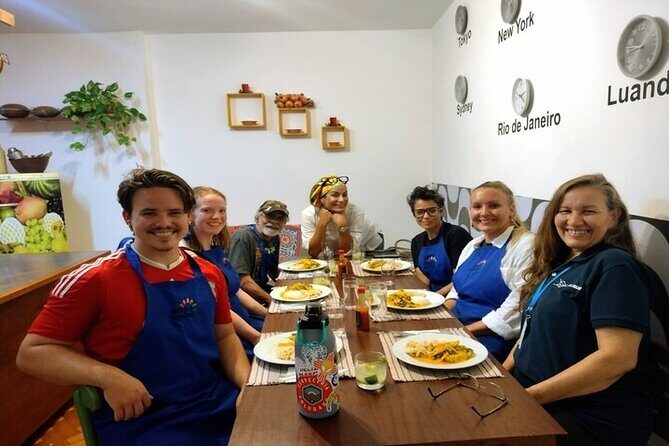
This cooking class starts at 5:00 pm and takes place in Copacabana, with the meeting point at Rua Belfort Roxo, 161. Plan for an evening that feels like you’re stepping into a real local routine: short intro, then straight into the action.
Chef Simone is the heart of the experience. Based on what people consistently say, she teaches with both enthusiasm and practical clarity, and she mixes in personal stories and cultural context as you cook. That combination matters because it helps you remember flavors and techniques later, not just the steps in the moment.
If you’re staying in Rio, you’ll like the option for hassle-free hotel pickup and drop-off (if selected). If not, the meeting point is easy enough to reach from Copacabana. Either way, the session ends back at the meeting point.
One small time note: three hours sounds quick, but in a cooking class it moves fast. You’ll be cooking, tasting, and then eating what you made. Come hungry.
You can also read our reviews of more cooking classes in Rio de Janeiro


Moqueca on Mon/Wed/Fri, Feijoada on Saturday
One of the smartest things about this class is that the main dish changes by day, so you can pick based on what you want to try. On Mondays, Wednesdays, and Fridays, you’ll focus on moqueca seafood. On Saturdays, it’s black bean feijoada.
Moqueca and feijoada aren’t just two different meals. They represent two very different sides of Brazilian comfort food—one more seafood-forward and aromatic, the other built around slow-cooked beans and classic sides. That day-specific menu also keeps the class from feeling repetitive if you’re in Rio for more than a day or two.
Each dish is served with cassava sticks, and you’ll also have two alcoholic drinks included. So even when the star ingredient changes by day, the structure stays satisfying: you get a full set of dishes, drinks, and the chance to practice technique rather than just sampling.
The hands-on flow: prep, cook, and then eat
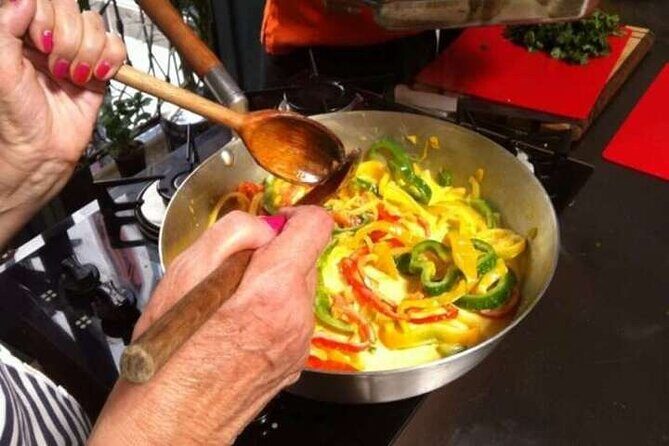
This is not a sit-and-watch demo. You’ll be part of the cooking process, guided step-by-step by the instructor as you prepare the recipes and then cook them. With a maximum of seven people, it’s the kind of class where it’s realistic to ask questions without waiting your turn.
A typical rhythm looks like this:
- You start with a quick orientation to the ingredients and the plan for the evening.
- Then you shift into hands-on prep and cooking, with the chef checking in as you go.
- After you’ve prepared and cooked the items, you sit down to a meal built from what you made.
That “cook first, eat right away” structure is where the learning sticks. You’re paying attention because you’re accountable for results. And when the food lands on your plate, it feels more like your achievement than the chef’s output.
Even if you’re not a confident home cook, this format helps. People highlight that the chef makes it easier to follow along, even if you don’t cook at home. The small-group size likely helps here, too, because the chef can slow down or explain again when needed.
The menu: five Brazilian dishes, cassava sticks, and two drinks
The class includes five dishes and two drinks, plus all ingredients and equipment. That means you’re covered from start to finish—you’re not factoring in grocery shopping, cookware, or any extra “food and drink” costs once you arrive.
From the information you’ll receive, expect cassava sticks served alongside the dishes and a dinner built around traditional Brazilian flavors. From the experiences people describe, one drink that commonly shows up is caipirinha, and there may also be juices or other drink pairings during the evening.
On the food side, people specifically call out enjoying feijoada and its sides and also the moqueca when it’s on the schedule. There’s also mention of a coconut dessert showing up as part of the overall spread. Since this is a cooking class (and menus can vary by day), I’d treat that as a likely sweet finish rather than a guaranteed menu promise. The reliable part is that you’ll leave with a full set of dishes and not just a couple bites.
If you’re the kind of traveler who loves learning what goes into Brazilian home cooking, this is a strong deal. The class also emphasizes that the ingredients are something you can find around the world, which helps when you want to recreate dishes later.
Why the small-group limit (seven max) changes everything
A max of seven participants isn’t a marketing number here. It shapes the whole vibe. You’ll get more direct guidance, and you’re more likely to have your specific questions answered while you’re still cooking, not after the fact.
In a larger group, cooking classes can turn into a one-way flow: watch, wait, repeat. Here, the chef can guide you through the moment where you actually need help. That’s especially valuable when you’re handling techniques that matter for flavor, like how beans are built for feijoada or how seafood is treated for moqueca.
Small group also makes it easier to connect. People repeatedly mention conversation, cultural storytelling, and a friendly atmosphere. In a class like this, that matters because food is cultural. Learning how to cook is also learning how people talk about what they eat.
And yes, it’s more fun. A cooking class for two or a small group often turns into a shared project, not a classroom assignment. You’ll still learn, but the pressure feels lighter.
You can also read our reviews of more tours and experiences in Rio de Janeiro






Value check: is $195 worth it?
At $195 per person, this isn’t the cheapest thing on your Rio list. But the price comes with several clear value boosters.
You’re paying for:
- A guided, hands-on cooking session
- Five dishes and two drinks
- All ingredients and equipment
- VAT and all taxes/handling charges included
So you’re not just buying a recipe sheet. You’re buying the chef’s time, the work setup, and the full meal experience that ends the class. In practice, it can feel closer to a “dinner plus a skill you can repeat” than a simple restaurant outing.
This is also the kind of activity that makes sense when you’re a couple, a small group, or a family unit. People specifically describe it as a great experience for families, including situations where someone in the group was newer to cooking but still got involved. If you’re traveling with different ages or different cooking comfort levels, the format tends to work.
Where it may not be a slam dunk is if you’re mostly interested in sightseeing and prefer free-form meals. If cooking isn’t your thing, the cost and time may feel heavy. But if you like learning through doing, this price lines up with what you actually get.
What to bring (and how to get the most out of it)
The nice part is you don’t have to bring ingredients or gear. The class includes all ingredients and equipment, so you can show up and focus.
Still, you can bring the mindset that makes cooking classes pay off. Ask questions as you go. Taste carefully as you cook. Pay attention to how the chef explains the why behind the technique, not just the what.
It also helps to come a bit flexible. Because it’s hands-on, you’re going to get flour on your hands, get sauce on your experience, and possibly adjust your approach once you see how the chef wants things done. That’s not a problem. It’s the point.
And if you want to recreate these dishes later, treat the recipes like a base. Brazilian cuisine varies by region and household, so learning the method matters as much as getting the exact flavors right.
Who should book this cooking class in Rio?
This class is a great fit if you:
- Want an activity that’s both social and practical
- Like learning culture through food, not through facts alone
- Are traveling with a partner or small group and want a shared project
- Enjoy recipes you can repeat at home with ingredients you can find outside Brazil
It’s also a good option if you like hands-on teaching. People highlight how the instructor involves participants and explains clearly, even for people who don’t cook much.
If you’re not interested in cooking at all and would rather just eat, you might prefer a restaurant meal. The class is built around participation, and you’ll get the most benefit by jumping into the process.
Should you book this 3-hour Brazilian cooking class?
If you want a memorable Rio evening that’s more than a meal, I’d book it. The combination of small-group attention, a named chef (Chef Simone), and a complete meal built from five dishes plus two drinks makes it a strong value for the time.
It’s especially worth booking if you’re in Rio for just a short window and you want one experience that gives you both skills and stories. And since the main dish follows a clear day pattern, you can choose your day based on whether you want moqueca seafood or feijoada.
I’d only hesitate if the $195 price feels too steep for you or if cooking sounds like work instead of fun. Otherwise, this is the kind of experience that leaves you with dinner in your stomach and recipes in your head.
FAQ
How long is the cooking class?
It runs for about 3 hours.
Where does the class start?
The meeting point is Rua Belfort Roxo, 161 – Copacabana, Rio de Janeiro – RJ, 22020-010, Brazil.
What time does the class begin?
The start time is 5:00 pm.
Is hotel pickup and drop-off available?
A hassle-free pickup and drop-off at your Rio hotel is available if that option is selected. Otherwise, you meet at the meeting point.
What dishes are included?
You’ll taste five different Brazilian dishes. The main dish changes by day: moqueca seafood on Mon/Wed/Fri, and black bean feijoada on Saturday.
Are drinks included?
Yes. The class includes two drinks with the meal.
How many people are in the class?
The class is designed for small groups, with a maximum of seven participants.
Is it private or shared?
It’s set up as a private tour/activity, so your group participates.
What’s included in the price?
The price includes the cooking class, five dishes, two drinks, all ingredients and equipment, and VAT/taxes/handling charges.
FAQ
Do I need to tip?
Tips aren’t included, so tipping is optional.
Can I cancel for a full refund?
You can cancel for a full refund if you cancel at least 24 hours before the experience starts.
Do I need prior cooking experience?
No. The class is set up so both beginners and cooking enthusiasts can participate.