REVIEW · RIO DE JANEIRO
Rio de Janeiro: Favela Santa Marta Top Tour with Local Guide
Book on GetYourGuide →Operated by Favela Top Tour · Bookable on GetYourGuide
This is favela tourism with a backbone. You’ll walk with a local resident guide and reach Michael Jackson Square, tied to the They Don’t Care About Us video. I like that it’s not a drive-by photo stop. It’s a lived-in explanation of Rio’s hills, stories, and everyday reality.
I also like how the tour pairs culture with real community work, from local samba moments to visits tied to social projects. The one drawback to plan for: the area involves hills and uneven walking, so wear comfortable shoes and be ready for some physical effort. Wheelchair access isn’t available, and babies under 1 year aren’t suitable.
In This Review
- Key things that make this Santa Marta tour worth your time
- Why Santa Marta feels more real than a standard Rio tour
- Meeting at Praça Corumbá and getting your bearings fast
- Michael Jackson Square: pop culture with neighborhood context
- Mirante Dona Marta viewpoint: the South Zone panorama with street-level meaning
- Roda de samba in Santa Marta: where the music feels normal, not performative
- The community stops that add up: tram, the residents’ association, and everyday places
- Santa Horta: sustainability that’s tied to income and learning
- Fast & Furious 5 filming locations: why big productions picked this neighborhood
- Joining football with kids: simple, human, and worth your attention
- Safety and comfort: how the best tours prevent the “lost in a maze” feeling
- Price and value: why $28 can feel like a bargain here
- Who this Santa Marta experience is best for
- Should you book Favela Top Tour in Santa Marta?
- FAQ
- How long is the Rio de Janeiro Favela Santa Marta tour?
- What does the tour cost?
- Where do I meet for the tour?
- What languages are available for the local guide?
- What’s included in the price?
- Is the transfer included?
- What should I bring with me?
- Is smoking allowed during the tour?
- Can I cancel and get a full refund?
- Who isn’t this tour suitable for?
Key things that make this Santa Marta tour worth your time
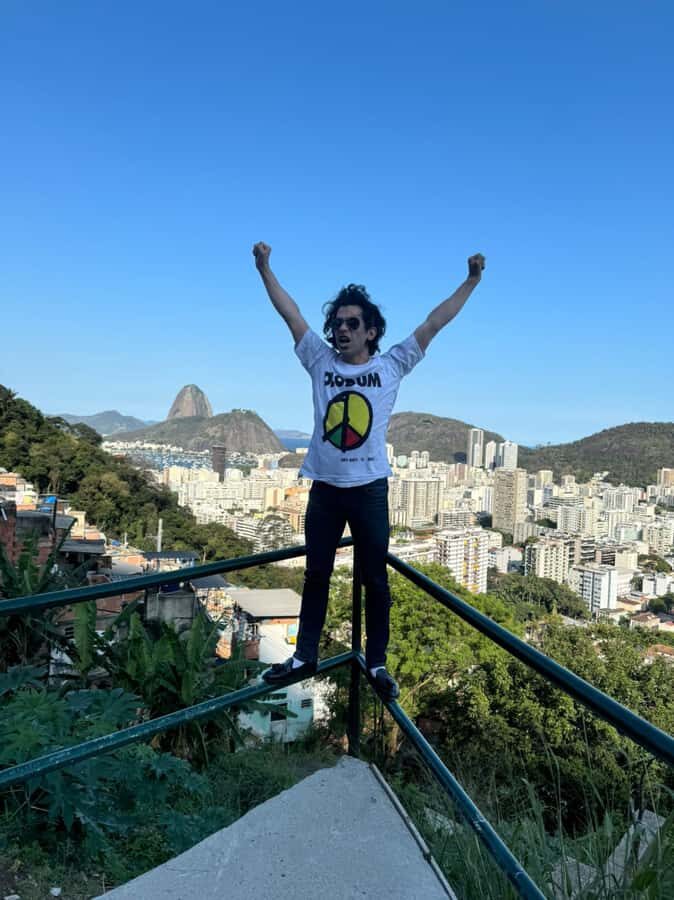
- Run by Santa Marta residents with community-connected guides
- Michael Jackson Square plus a guided walk that puts pop culture in context
- Roda de samba with locals who represent how samba is played in their world
- Mirante Dona Marta viewpoint for South Zone panoramas
- Santa Horta social project turning former dump sites into organic gardens and community income
- A chance to join a relaxed football match with neighborhood kids
Why Santa Marta feels more real than a standard Rio tour
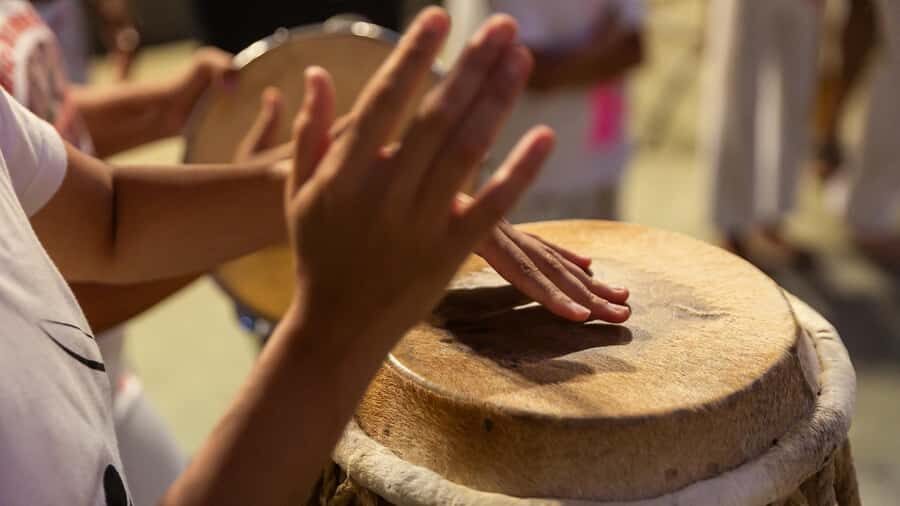
Santa Marta is one of those places people feel they already know—until they arrive. The big difference here is the guide. When the person leading you grew up in Santa Marta, you’re not getting a script. You’re getting route choices, explanations, and context that only make sense from inside the neighborhood.
I also appreciate the “go beyond sightseeing” approach. You’re not just collecting images. You’re learning how Santa Marta functions socially—what matters to people, what has been hard, and what pride looks like day to day. That matters in Rio, where favelas show up in films, headlines, and stereotypes far more often than they show up as home.
And yes, you’ll see famous spots. But the tour aims to connect the famous dots to living people.
You can also read our reviews of more guided tours in Rio De Janeiro


Meeting at Praça Corumbá and getting your bearings fast
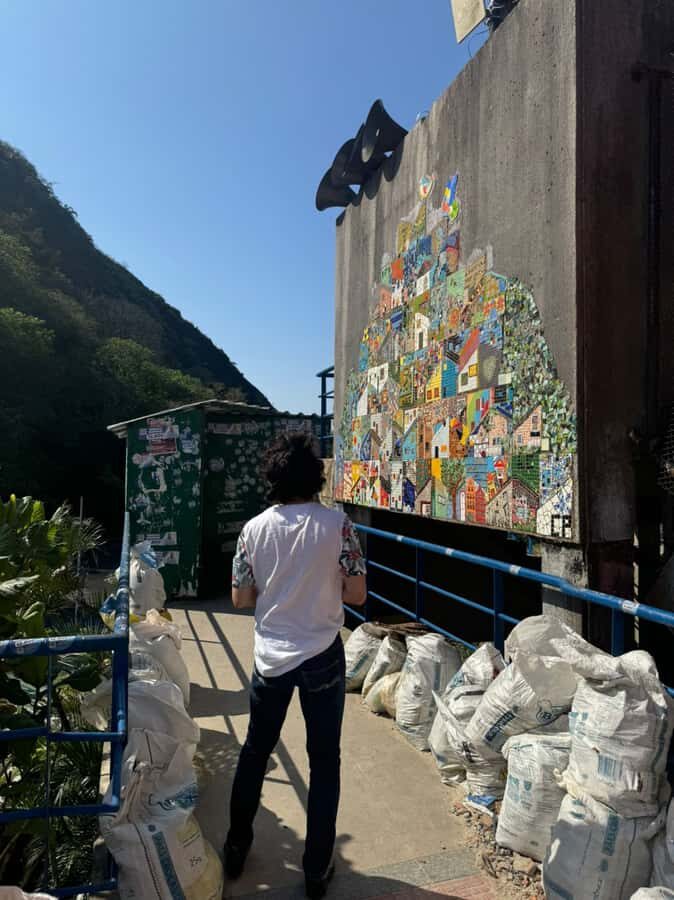
Your tour starts at Praça Corumbá area, with the schedule built around short, purposeful stops. You’ll also have a transfer component in the plan, but transfer isn’t included in the price—so if you’re planning logistics, budget for how you’ll get there.
What I find useful is how the timing keeps you moving. This is about learning the neighborhood layout on foot, not riding a bus while you stare out the window. The photo stop at a viewpoint early in the tour helps you build a mental map before you start walking deeper into Santa Marta.
Bring the basics and you’ll feel better immediately:
- Comfortable shoes (not “pretty” ones)
- Water
- Hat and sunscreen
- Camera
Michael Jackson Square: pop culture with neighborhood context
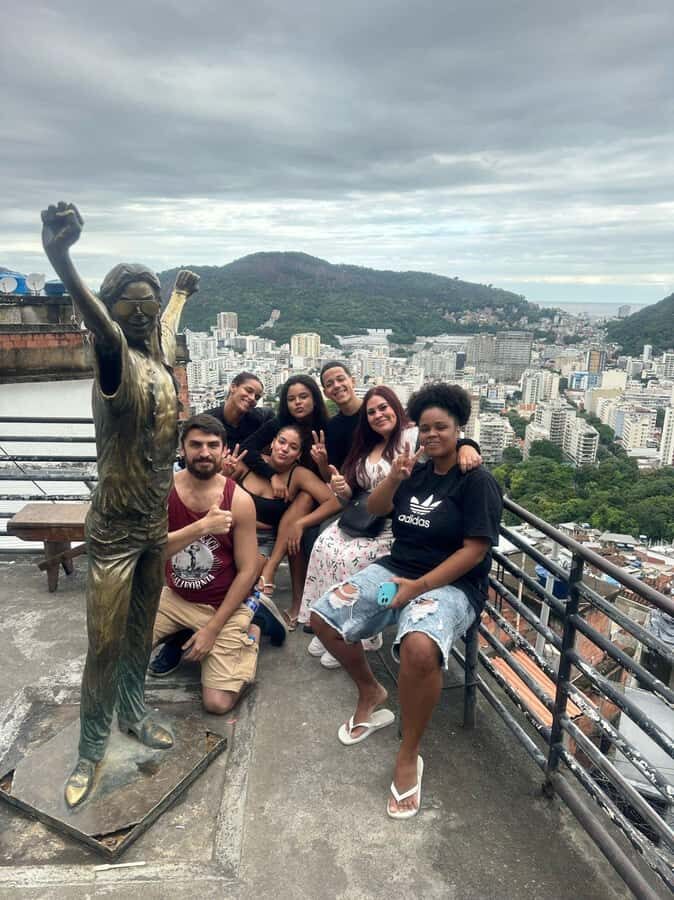
The highlight that draws most people is Michael Jackson Square, the statue tied to the They Don’t Care About Us music video. You’ll get a guided walk and time on the spot, plus the kind of pointing-out you simply can’t do from a distance.
Here’s what makes this stop more than a souvenir photo: the guide uses it as a doorway. You’ll hear why that connection happened, how Santa Marta became a film backdrop (including later international productions), and what it means to live in a place that the world recognizes from screens.
If you’re a film and music fan, you’ll enjoy how the guide connects the soundtrack to the street-level story. If you’re not, you’ll still get value. It’s a clear, easy-to-follow starting point that helps the rest of the neighborhood narrative click.
Mirante Dona Marta viewpoint: the South Zone panorama with street-level meaning
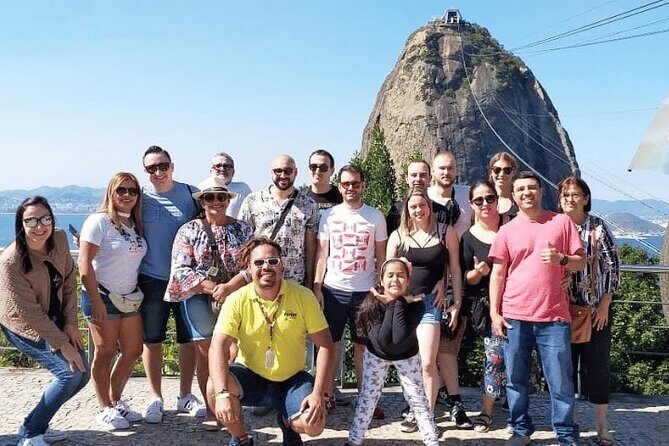
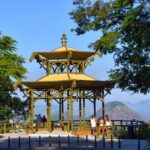
You’ll also visit Mirante Dona Marta. Even if you’ve seen Rio from other viewpoints, this one lands differently because you’re viewing the city while thinking about the neighborhood in the foreground.
In plain terms: you get the “wow” factor—South Zone views—without losing the plot. This tour doesn’t treat the viewpoint as a finish line. It uses the view to remind you how Santa Marta fits into the bigger Rio story: geography, visibility, and how people experience the city from their own angle.
Photo tip: plan to shoot, then listen. The best moments are when you’re looking outward and the guide is talking about what you’re seeing.
Roda de samba in Santa Marta: where the music feels normal, not performative
Samba is the heart of Brazil. In many tourist settings, it becomes a show. Here, you’re going for something closer to how samba functions socially—through locals and a roda de samba moment.
What I love about this part is the tone. You’re not being rushed through entertainment. The tour frames it as culture, not as a staged performance for outsiders. And because the guide is from the community, you’ll hear stories that explain why samba matters in Santa Marta beyond just rhythm and steps.
Also, music tends to relax a group quickly. By the time you reach the roda de samba, you’ll likely stop treating the tour like a checklist and start treating it like real time with real people.


The community stops that add up: tram, the residents’ association, and everyday places
The itinerary includes several “visit” segments, plus a tram ticket and a stop at the Residents’ Association. That structure is smart because it mixes three types of context:
1) How people move and connect (tram time and nearby transport logic)
2) How people organize (Residents’ Association visit)
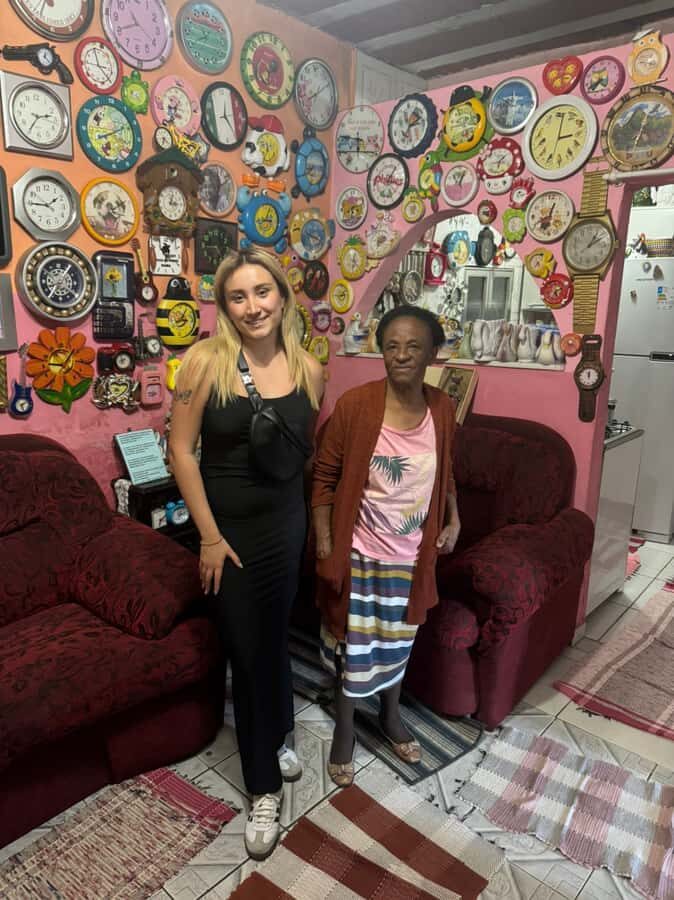
3) How local life shows itself in places you’d miss if you only looked for landmarks
This is where a local guide changes everything. In a place like Santa Marta, “where to go” isn’t obvious. Google maps can be incomplete, and street signage isn’t designed for tourists. With a guide, you’re not just safe. You also stop spending energy figuring out routes and start using that energy to ask questions.
From the on-the-ground vibe described by guides such as Mario, Luis, and Marco in different tours, the feeling is consistent: you get introductions, quick context, and a sense that the guide is known in the area—not just a hired voice.
Santa Horta: sustainability that’s tied to income and learning
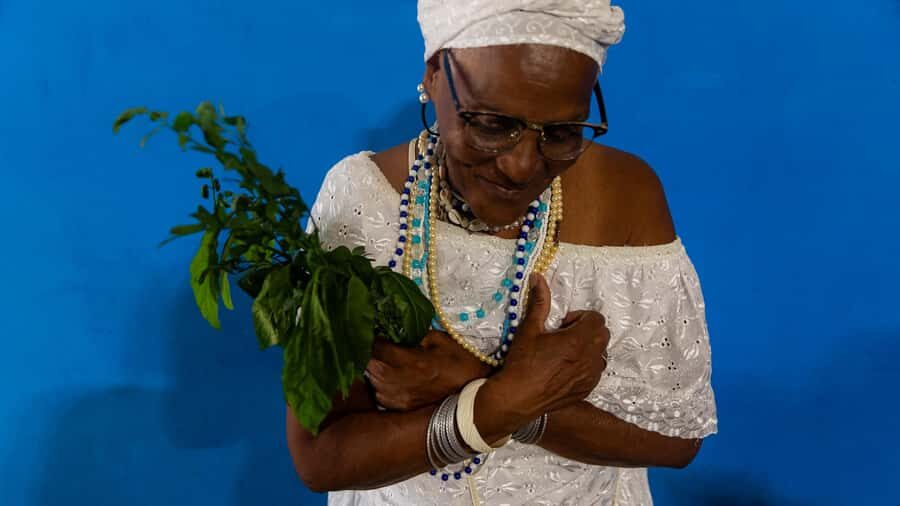
One of the most meaningful stops is Santa Horta. The idea is straightforward and powerful: former dump sites are transformed into community organic gardens. Those gardens create income, provide healthier food, and come with environmental education for residents.
This isn’t “look at this nice project.” It’s a practical illustration of resilience plus planning. The tour’s value here is that you see how solutions are built locally, not just announced by outsiders.
If you care about sustainability, you’ll appreciate the connection between environment and daily livelihood. If you don’t, you’ll still get something important: it shows the neighborhood isn’t only defined by what it lacks. It’s defined by what people build.
Fast & Furious 5 filming locations: why big productions picked this neighborhood
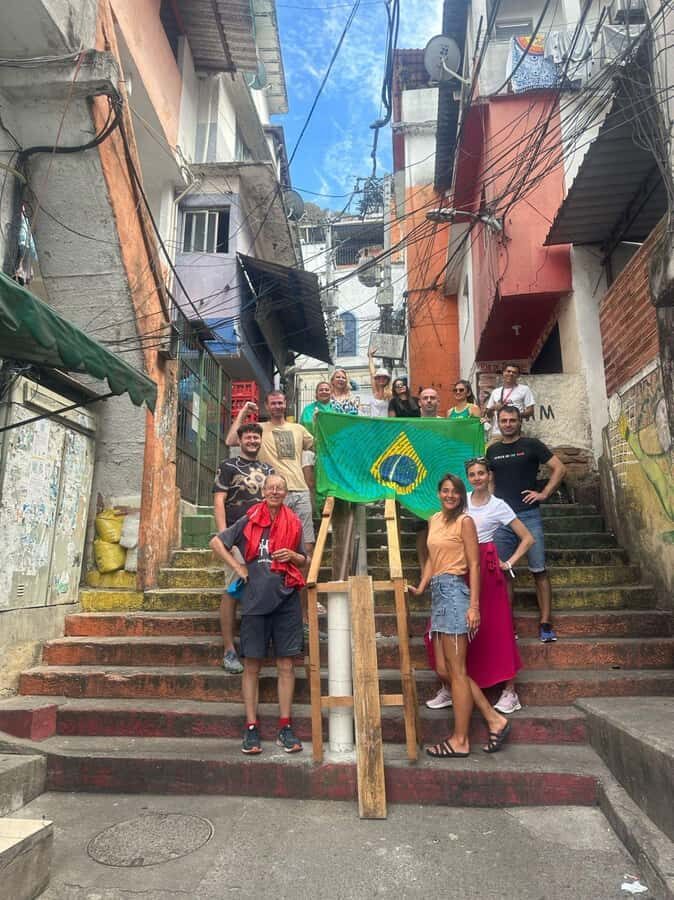
Santa Marta’s role as a filming location is a recurring thread in the experience. The tour includes stops at places linked to Fast & Furious 5, showing how the neighborhood became a recognizable backdrop for international production.
This part can be fun—especially if you know the movie. But it also has a serious side. You’ll get a chance to think about visibility: what it means when a place becomes famous for what it looks like, not for who it is.
In the context of a resident guide, the film-story becomes a conversation about representation. That’s the kind of nuance that tends to be missing from the typical “favela tour for photos” approach.
Joining football with kids: simple, human, and worth your attention
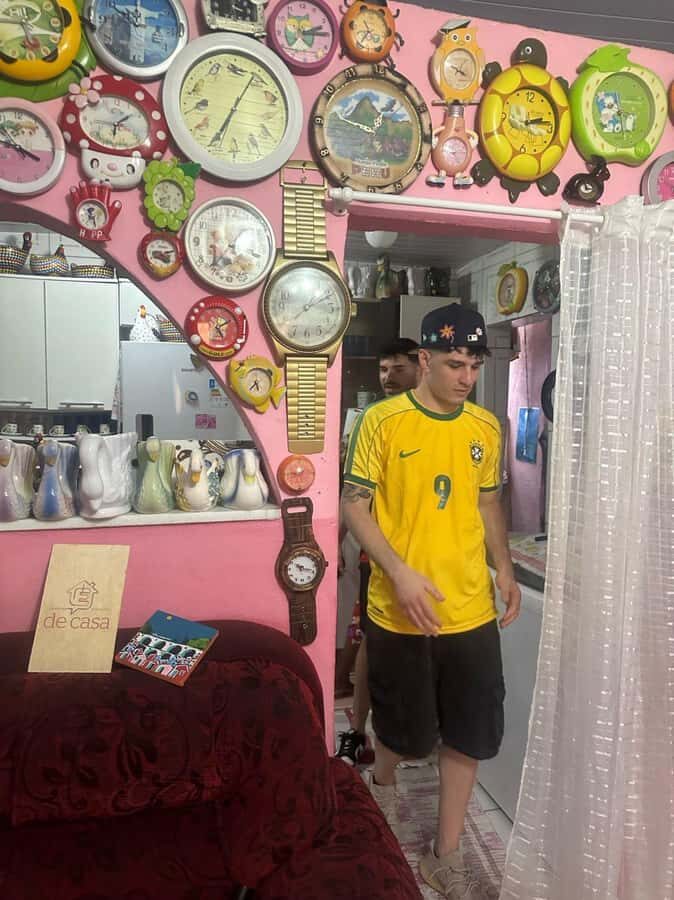
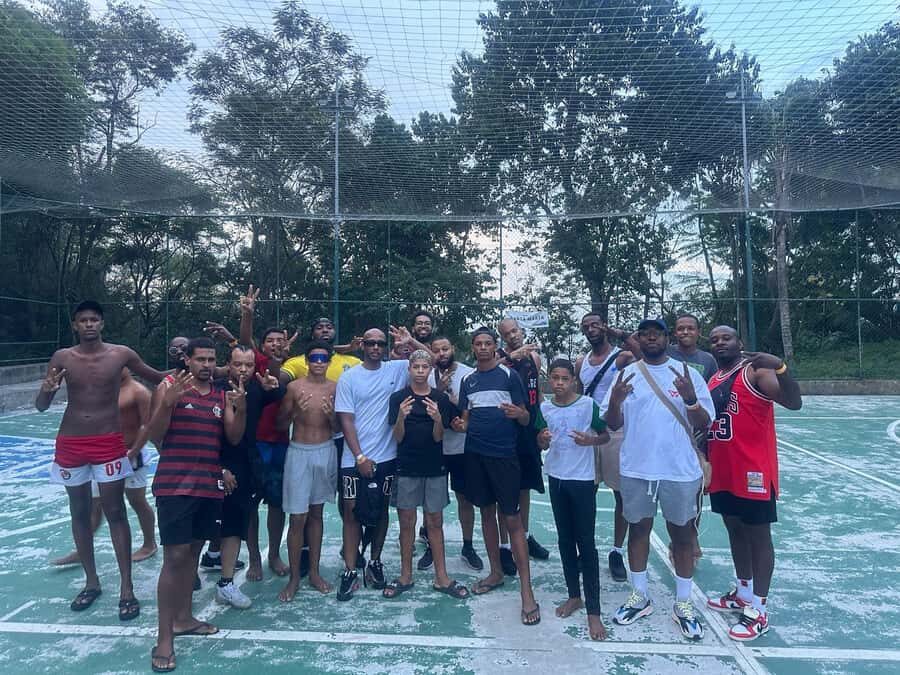
The tour can include a casual football match with community children. This is one of those moments that doesn’t sound like a big deal until you’re standing there.
I like it because it turns the visit into a shared experience instead of a one-way observation. It’s also a quick reminder that this is a living neighborhood with routines, laughter, and kids who are just being kids.
A practical note: bring your attention more than your performance. You don’t need to be good at football. You just need to be respectful, patient, and ready to follow the guide’s cues.
Safety and comfort: how the best tours prevent the “lost in a maze” feeling
Safety is built into the format. You’re not walking alone. You’re with a local resident guide who can navigate the neighborhood and manage group movement.
From guide-led stories you’ll hear on this kind of tour (for example, Mario being described as knowing everyone and making people feel welcome), the emphasis isn’t fear. It’s familiarity. That familiarity helps you avoid the two biggest problems: getting turned around and feeling like you’re standing out in the wrong way.
Still, plan for comfort. The terrain can be uneven and steep. One of the most helpful things you can do is dress for walking and bring water. On rainy days, you might notice how water flows through channels built into the neighborhood—one of those “Rio works like Rio” lessons that happens when weather throws you off schedule.
Price and value: why $28 can feel like a bargain here
At $28 per person for about 150 minutes (around 3 hours), this tour prices itself as accessible. But the value isn’t just the math. It’s where the money goes and what you get in return.
You’re paying for:
- Local resident guidance (not a company script)
- Access to places and contexts you wouldn’t find on your own
- Stops that include the Michael Jackson statue, Mirante Dona Marta, and community-linked visits
- A tram ticket included in the experience
It also helps that this company is rated very highly, with a 4.9 score across hundreds of bookings. That doesn’t guarantee perfection, but it does suggest consistent guide quality and a tour approach people feel good about.
One more value point: the tour is described as having a direct impact on the community. In a place where outside companies can charge high prices without real local leadership, that difference matters.
If you’re trying to choose between “cheap and generic” and “fair and community-connected,” this tends to hit the sweet spot.
Who this Santa Marta experience is best for
This tour fits best if you want more than a checklist. You’ll enjoy it most if you like asking questions and listening for stories behind the photos.
It’s also a strong choice if you’re curious about how Rio works at street level—how culture, social projects, and city fame collide on one hillside.
I’d skip it if you:
- Need wheelchair access
- Are traveling with a baby under 1 year
- Hate walking on uneven terrain (even with comfortable shoes, you’ll feel the hills)
Should you book Favela Top Tour in Santa Marta?
Yes—if your goal is to understand Santa Marta through local leadership, not through outside storytelling. The tour’s best features are the resident guides, the connection to community projects like Santa Horta, and the cultural moments such as samba with locals. You also get major context points: Michael Jackson Square, Mirante Dona Marta, and stops linked to well-known film productions.
If you’re on the fence because you worry about exploitative “poverty tourism,” this is built to be the opposite: community-run, guide-led, and focused on showing how residents live and organize. Book with realistic expectations: you’re walking, listening, and learning. You’re not collecting a theme-park version of Rio.
If you want the most helpful start, wear good shoes, bring water, and come ready with questions. Guides like Mario, Luis, Marco, and others described across tours tend to do best when you let the conversation move at neighborhood speed.
FAQ
How long is the Rio de Janeiro Favela Santa Marta tour?
The tour lasts about 150 minutes, which is roughly 3 hours.
What does the tour cost?
It costs $28 per person.
Where do I meet for the tour?
You meet at the Tourist Information Stand.
What languages are available for the local guide?
The tour guide offers English, Portuguese, and Spanish.
What’s included in the price?
Included are a guided tour by a local resident, the Michael Jackson statue visit, visits to local social projects, a tram ticket, a visit to Mirante Dona Marta, and a visit to the Residents’ Association.
Is the transfer included?
No, transfer is not included.
What should I bring with me?
Bring comfortable shoes, a hat, a camera, sunscreen, and water.
Is smoking allowed during the tour?
No, smoking is not allowed.
Can I cancel and get a full refund?
Yes. Free cancellation is available up to 24 hours in advance for a full refund.
Who isn’t this tour suitable for?
It isn’t suitable for wheelchair users, and it’s not suitable for babies under 1 year.