
REVIEW · RIO DE JANEIRO
3-Hour Tasting Session in Rio with 33 Foods Brazilians Love
Book on Viator →Operated by Cook in Fiesta · Bookable on Viator
This is one of the fastest ways to get your bearings fast with Brazilian food: you sample 33 foods and drinks in a small-group session while a local chef explains what you’re eating and why it matters. I love the fact that you don’t just taste snacks—you also get context from hosts like Flavio, Erica, Carina, Alex, Luis, and Roberto (when scheduled), so you understand what goes with what and when Brazilians eat it. Another big win: you also get caipirinhas and fresh fruit juice as part of the experience, then you finish with dessert and an artisanal coffee tasting. One thing to keep in mind: you’re eating small portions on purpose, so go in hungry, but don’t expect a full “one big meal” style dinner.
In This Review
- How the tasting actually works
- What you’ll love most (and what to watch)
- Where you start: Cook in Rio and a focused food plan
- Studio tasting: the “33 foods” foundation (about 90 minutes)
- The portion-size reality (and why it can be good)
- Caipirinha and juice: drinks that teach you Brazil’s palate
- The second half: juice bar, bakery, and a botequim stop
- 1) A Brazilian juice bar stop
- 2) A bakery-style stop
- 3) A botequim (Brazilian bar) finish
- Dessert and artisanal coffee: the sweet ending you’ll remember
- Small-group experience: why the max 10 matters
- Price and value: $85 for 33 tastings, not dinner
- Who this tour is best for
- Upgrade option: adding a supermarket visit
- Practical tips so you get the most from the 33 foods
- Should you book this 3-hour Rio tasting?
How the tasting actually works
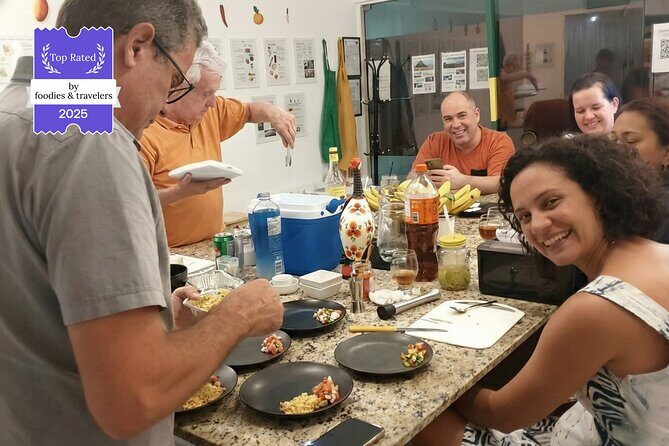
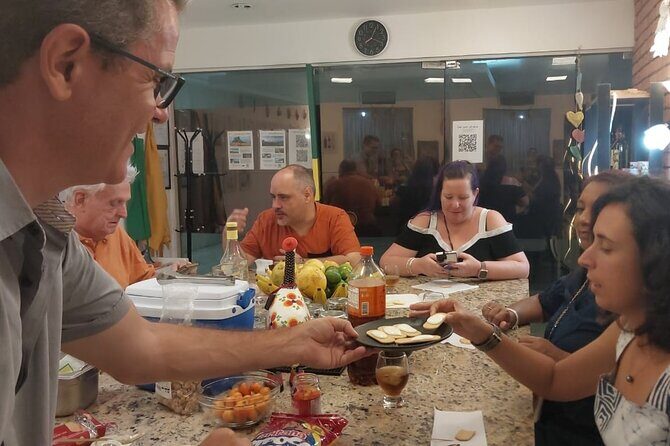
You’ll start at Cook in Rio – Traditional Brazilian Kitchen Cooking Experience in Ipanema and spend about 90 minutes tasting in the studio, where the food leans toward supermarket-friendly finds plus fruits, cheeses, and less-easy-to-find ingredients. After that, the tour shifts to street-style stops, where you sample more bites at a juice place, a bakery, and a Brazilian bar-style spot (a botequim). The upside is variety and pacing. The possible drawback is that some people want bigger portions or more restaurant-style sit-down time than a studio-and-snack route.
What you’ll love most (and what to watch)
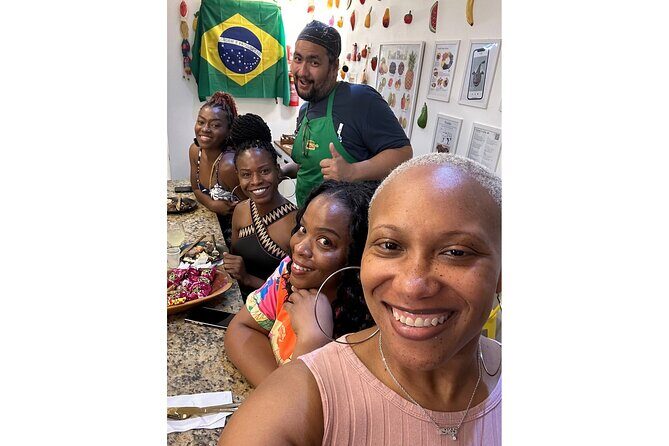
Here are a few details that explain why this tour earns such strong ratings.
33 tastings without dragging you across town
Small group limit (max 10) for a more personal feel
Bilingual experts in English or Spanish, with multiple other language options
Studio tasting first, then juice/bakery/bar stops for contrast
A capstone of dessert + artisanal coffee so you finish with something sweet
5-star experience guarantee if it misses the mark
You can also read our reviews of more food & drink experiences in Rio de Janeiro



Where you start: Cook in Rio and a focused food plan
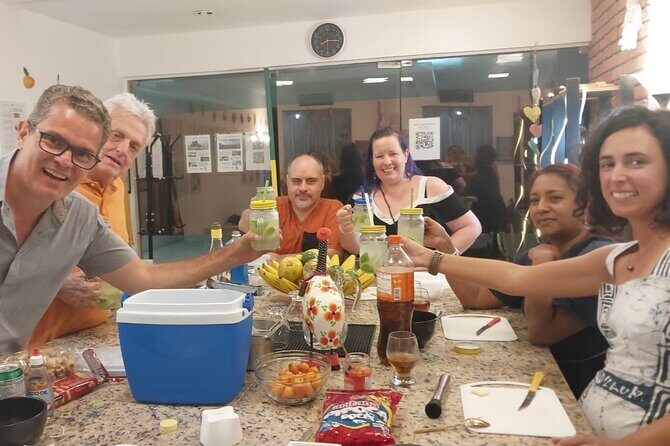
The experience begins at Cook in Rio – Traditional Brazilian Kitchen Cooking Experience, in Ipanema (R. Visc. de Pirajá, 281 – sala/shop 213). It’s the kind of meeting point that makes sense on a first night: you’re not wandering with a map in one hand and jet lag in the other.
Plan for a relaxed start. The session runs about 3 hours, and the tasting sequence is built to keep you moving but not rushed. Most days, you’ll get confirmation at booking time, and it’s offered in English, Spanish, French, and Portuguese—a nice touch if you’re traveling as a mixed-language group.
If you’re the type who likes to know what’s next, you’ll appreciate the structure: studio tasting for a big chunk of items, then bar/juice/bakery stops that bring the flavors closer to how people eat outside.
Studio tasting: the “33 foods” foundation (about 90 minutes)
Your first phase happens in the kitchen-studio setting, and it’s where the tour earns its “Brazil, explained through flavor” promise. Instead of only doing fried street-food loops, you’ll taste a mix that includes items you might see in Brazilian stores plus foods that are harder to spot unless you know what to look for.
From what’s described, expect:
- Tropical fruits and fresh juice blends
- Snacking items like cheeses, breads, and other packaged or store-based products
- Savory bites that may include meats and Brazilian preparations
- Sweet items that round out the story
- Drinks on the roster, including a signature caipirinha and refreshing tropical fruit juices
This part is especially useful if you want to build confidence before you start ordering in restaurants. When you can taste something and learn the language of it—how it’s served, how it’s used—you get less guesswork the next day.
The portion-size reality (and why it can be good)
Some folks feel disappointed if they expect big servings. But the logic here is simple: small portions let you reach all 33 items within the time window.
For you, that means two things:
- You’ll likely leave full in a “tasting menu” way, not in a “fried chicken bucket” way.
- If you truly want a heavy dinner, this is probably better as a pre-dinner activity or a food-education evening rather than your only meal.
Caipirinha and juice: drinks that teach you Brazil’s palate
One of the best reasons to do this tour early is that the drinks become your reference point. You’re not guessing what Brazilians mean when they talk about balance—sweet, sour, fresh, and herb-forward.
- You get caipirinha as part of the included experience
- You also get tropical fruit juices during the tasting flow
In multiple write-ups, hosts like Flavio and Alex get credit for the quality of the caipirinha. That matters more than people think. A well-made caipirinha tells you a lot about Brazilian taste: the fruitiness, the acidity, and how it cuts through salty snacks.
You can also read our reviews of more tours and experiences in Rio de Janeiro




The second half: juice bar, bakery, and a botequim stop
After the studio tasting, the tour shifts into three “real-life” food environments. You get more of that casual, everyday feel, where you’re tasting what people grab for quick satisfaction.
1) A Brazilian juice bar stop
This is where the fruit flavors get front and center. Expect fresh juice blends rather than bottled stuff. If you like tropical fruit but you’re not sure what to order on your own, this is a shortcut: you try a few styles and learn what tastes right to you.
2) A bakery-style stop
Bakery items help connect Brazil’s snack culture to what you’ll see later in markets and street stalls. If you’ve ever arrived in a new country and felt like every pastry looks the same, this is your training session—because your guide can point out what’s typical and how Brazilians usually eat it.
3) A botequim (Brazilian bar) finish
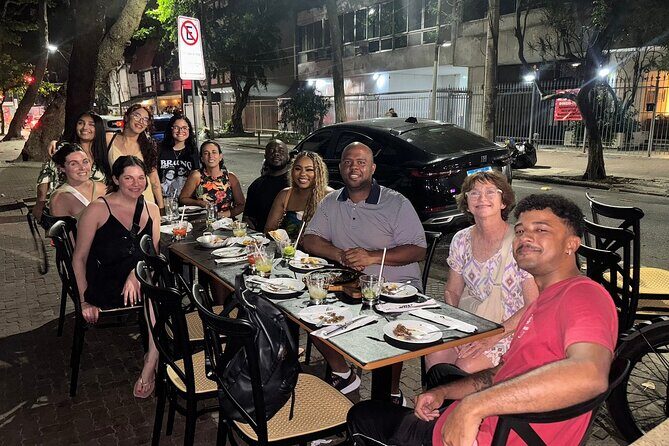
This is the “food + drink” social piece. A botequim is the Brazilian bar vibe where snacks often matter as much as the alcohol. You’ll taste more bites here, and it’s a very natural way to end the evening because it mirrors how locals wind down.
Some people mention that the bar stop is a fun bonus and helps you keep tasting to the end without feeling abruptly cut off.
Dessert and artisanal coffee: the sweet ending you’ll remember
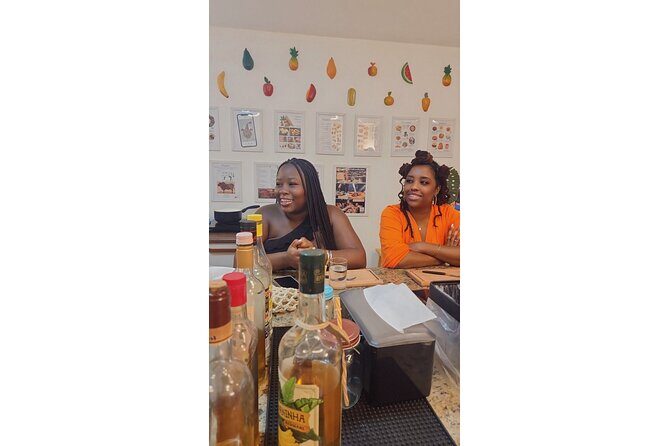
The tour includes a dessert and an artisanal coffee tasting to close things out. That ending matters, because it forces the experience to finish like a full meal rather than a snack sprint.
If you like sweet-and-café pairings, you’ll appreciate this. And even if you’re not a coffee person, you’re still tasting your way through Brazilian comfort flavors instead of just leaving with savory impressions.
Small-group experience: why the max 10 matters
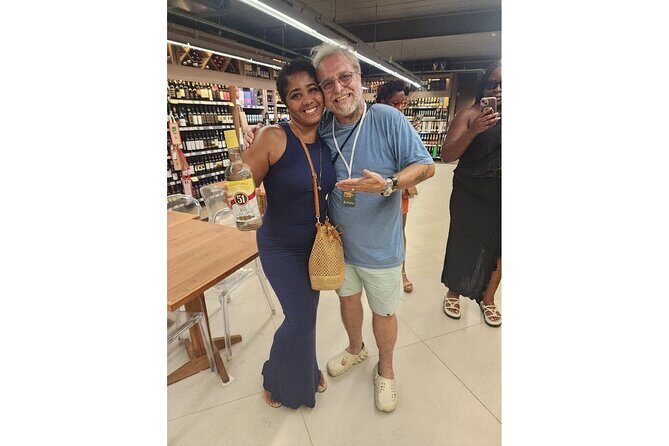
This is capped at 10 travelers, and you feel that difference. Less crowding means:
- You can actually hear the explanations
- Your guide can adjust the pace
- The tastings feel more like a class than a stamp-and-go
In particular, guides named Erica, Carina, and Luis get strong praise for friendliness and explaining how ingredients connect to Brazilian daily life. If you’re trying to travel smarter (not just harder), this structure fits.
Price and value: $85 for 33 tastings, not dinner
At $85 per person for about 3 hours, this isn’t a budget snack tour. It’s priced like a guided experience that includes multiple food types, drinks, and a final dessert/coffee portion.
So where does the value come from?
- You’re paying for someone to translate Brazilian food logic into something you can use right away
- Your cost is wrapped into caipirinha/juice and the guided tastings, so you’re not spending time and money piecing it together
- You get a concentrated sampling route: studio first, then multiple eating environments
Where some people feel it’s not worth it is usually when expectations lean toward “lots of meat, big plates, and a full dinner.” This tour is a tasting menu format. You should go into it expecting variety and education over size.
Who this tour is best for
This works especially well if:
- You’re in Rio for a short time and want a strong food orientation fast
- You like eating lots of small things and talking food with a guide
- You want tips you can use while ordering later—what to seek, what to skip, and how certain flavors behave together
It’s also a good pick for first-time Rio visitors because it’s positioned as a welcoming start. You’ll leave with enough Brazilian food references to order with confidence later.
If you’re a strict germaphobe or you worry about kitchen hygiene, pay attention to how the experience addresses safety. There was a cleanliness complaint tied to Roberto, and the provider states that they removed him from running the session and processed a refund after that issue. It’s the kind of note you should factor into your decision.
Upgrade option: adding a supermarket visit
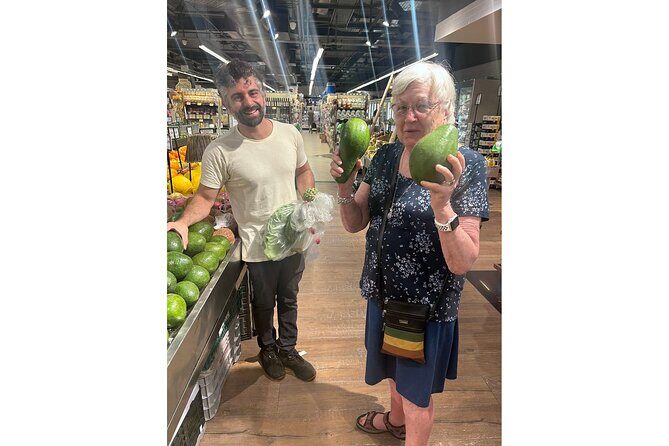
There’s an upgrade that includes a supermarket visit for even more local insights. This is the option to choose if you want to shop like a local, bring food flavors home, and learn how Brazilian brands and ingredients differ from what you see back home.
Even without the upgrade, the studio portion already includes store-style products and less-easy-to-find items, so you’ll still get that “how Brazilians actually buy food” perspective.
Practical tips so you get the most from the 33 foods
A few common-sense moves make this tour go from good to great:
- Eat lightly beforehand, so you can enjoy the later bites instead of feeling stuffed early.
- Go in open-minded. Brazil’s snacks and sweets can surprise you in a good way, especially if you usually stick to familiar flavors.
- Ask your guide what to order next. The tastings are useful only if you translate them into your future meals.
- Leave room for the bar stop. A lot of the experience payoff happens after the studio, when the vibe gets more casual and social.
Should you book this 3-hour Rio tasting?
I’d book it if you want a guided, high-variety introduction to Brazilian food, especially if you like learning while you eat. The small-group format, the included drinks, and the studio-to-juice-to-bakery-to-botequim flow make it a smart first food night in Rio.
Skip it—or at least think hard—if you only enjoy food when it comes as big, heavy plates. This is built for tasting breadth, not one-meal volume. Also, if kitchen hygiene is a top concern for you, take the provider’s response about instructor changes seriously and decide accordingly.
If you want to understand Brazil through flavor in a few hours, this is one of the more practical ways to do it in Rio.