REVIEW · RIO DE JANEIRO
PRIVATE SUV Tour Tijuca Forest, hiking & waterfalls + photos
Book on Viator →Bookable on Viator
Eight hours, three viewpoints, one rainforest mood.
This is a private SUV tour that strings together Rio’s wild coast-and-mountain scenery with time in the Tijuca Forest. You start with a stop at Praia da Joatinga through a private-condominium entrance, then climb into viewpoints around Pedra Bonita and Pedra da Gávea before shifting into forest paths and classic Tijuca lookouts. It’s the kind of route that feels planned, but not rushed: lots of short photo windows, then a real walk where you’ll earn the views.
Two things I especially liked: the guide’s ability to make the experience feel hands-on (you’re not just watching from behind a crowd), and the way the day escalates from cliff-edge panoramas to cooler, calmer forest air. One heads-up: this day depends on good weather, and there’s a 1.7 km light track segment plus time on foot, so you’ll want comfortable shoes and a steady pace.
In This Review
- Key highlights worth your attention
- From Copacabana to Praia da Joatinga’s private-condominium entrance
- Rampa Pedra Bonita: seeing the hang-glider launch world up close
- Pedra Bonita hike: 1.7 km of walking toward a 360° plateau
- Pedra da Gávea: the 844 m seaside monolith (and that face-like formation)
- Floresta da Tijuca National Park: rainforest air and historical context
- Emperor’s Table: a rest stop tied to XIX-century royalty
- Vista Chinesa: the Tijuca lookout with a descent plan toward Lage Park
- How the pacing works in an 8–9 hour day
- Price and value: paying $177.43 for a guided day that includes key tickets
- Who this tour suits best (and who should think twice)
- Should you book this private SUV Tijuca Forest + viewpoints tour?
- FAQ
- What time does the tour start and where does it meet?
- How long is the private SUV tour?
- How much does it cost?
- Is this a private tour?
- What stops are included during the day?
- Are any entrance tickets included?
- What happens if the weather is poor?
Key highlights worth your attention

- Private SUV from Copacabana with only your group, so the day stays flexible and calm
- Praia da Joatinga access via a private-condominium route (one of the most “secret” beach moments)
- Rampa Pedra Bonita for the hang-glider/paraglider takeoff area and its big-air viewpoint energy
- Pedra Bonita hike to the 700 m plateau on a light track with around 1.7 km of walking and 360° views
- Pedra da Gávea (844 m): the world’s largest seaside monolith, seen closely from the plateau
- Tijuca Forest + Emperor’s Table + Vista Chinesa for a full mix of jungle atmosphere and iconic viewpoints
From Copacabana to Praia da Joatinga’s private-condominium entrance
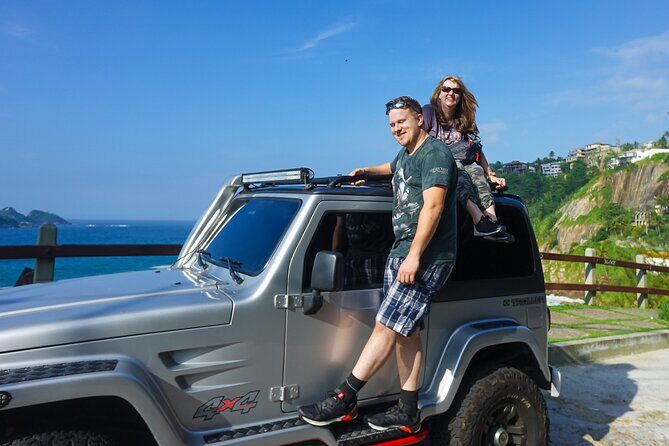
The day starts at 8:30 am at the Fairmont Rio de Janeiro Copacabana (Av. Atlântica, 4240). From there, you’re in a private SUV, which matters because Rio’s viewpoints are spread out and traffic can eat your day. This format keeps the route feeling efficient without feeling like a bus tour.
Your first scenic payoff is Praia da Joatinga, described as a secret beach area inside a private condominium. That “inside access” detail is a big part of why this stop feels different. You’re not just arriving at a public overlook and hoping for a good photo angle; you’re stepping into a place that’s more controlled and, in practice, easier to enjoy quietly. This is a short stop (about 15 minutes), so think of it as a quick scenic reset rather than a long beach session.
Practical note: bring sun protection and water even for the early minutes. Praia da Joatinga is still an exposed coastal setting, and Rio’s morning light can be strong.
You can also read our reviews of more private tours in Rio de Janeiro

Rampa Pedra Bonita: seeing the hang-glider launch world up close
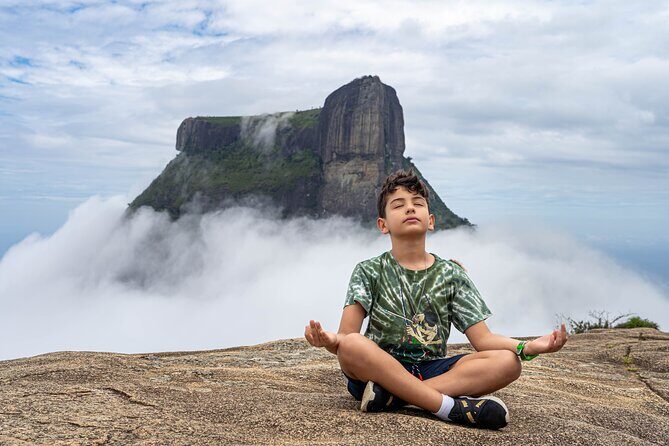
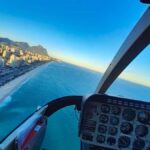
After the beach stop, you head to Rampa Pedra Bonita, a takeoff area where hang gliders and paragliders lift off. This is one of those stops that instantly tells you why Pedra Bonita is famous: the views aren’t a side benefit. They’re part of the system. From the ramp area, you get the sense of how the air and the coastline line up for flight.
This stop is also brief (around 15 minutes), so you’ll want to use it like a photographer does: look first, then frame. Watch for where the launch ramp sits relative to the cliffs and coastline. Even if you’re not seeing flights happening at the exact moment, the geometry is the point—this is where soaring begins.
Why it’s worth it: even if you don’t care about flying, you’ll understand the landscape faster once you see the launch point. It turns the mountain from a view into a living activity.
Pedra Bonita hike: 1.7 km of walking toward a 360° plateau
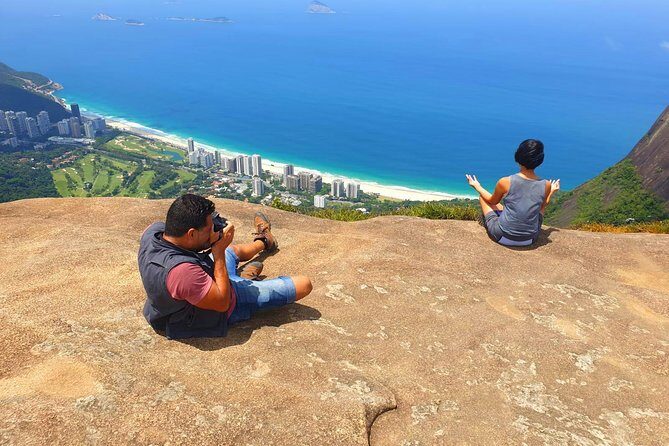
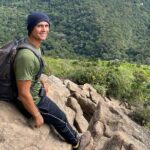
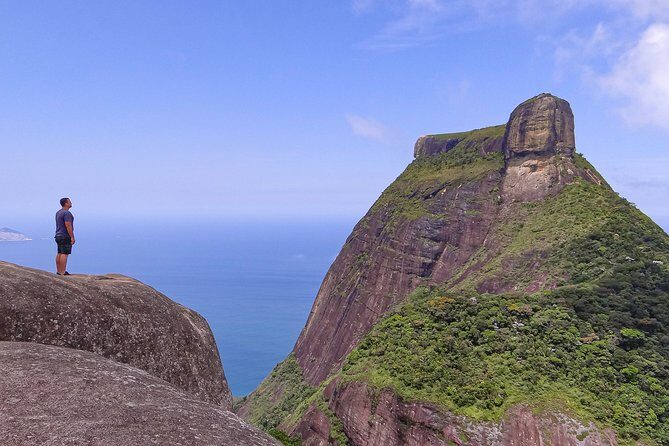
Next comes the longer, more “you get to move” part: Pedra Bonita. The itinerary calls this a light track of about 40 minutes over roughly 1.7 km, leading to a plateau around 700 m above sea level. From up there, you’re looking out over Pedra da Gávea (about 850 m) and you get 360° views.
This is where the day changes gear. The earlier stops are quick look-and-shoot moments. Here, you’re actually earning the viewpoint with a hike that’s manageable for many visitors, assuming you wear supportive shoes and keep a steady pace.
What to expect on the ground: the track is described as light, but Rio hikes still mean uneven sections and sun exposure. Bring water, and don’t plan on wide hiking shoes that trap heat. If you’re prone to slipping on stones, slow down on the uneven bits rather than trying to speed-run the path.
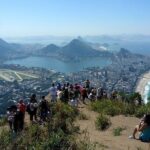
Why the plateau matters: from Pedra Bonita’s viewpoint, Pedra da Gávea isn’t just “out there.” It’s part of the same scene, and the day’s best photos tend to come from the plateau angle. The panoramic effect also helps you understand the coastline’s shape and how forest and cliff zones connect.
Pedra da Gávea: the 844 m seaside monolith (and that face-like formation)
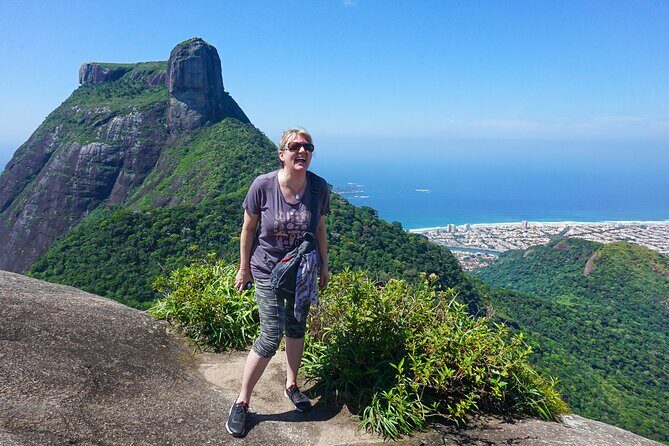
From the plateau, you’ll focus on Pedra da Gávea. The day’s description calls it the world’s largest seaside monolith at 844 meters. There’s also a spooky-myth vibe built into how it’s seen: a formation that resembles a face, which has sparked mystical theories over time.
You’re not climbing the monolith in this tour. Instead, you admire it closely from the viewpoint area you already reached. That’s a key value point: you get the drama of an epic cliff feature without the commitment of a full-on technical climb.
The stop here is about 1 hour, which is nicely paced. You’ll have enough time to settle into the view, take photos from slightly different angles, and let the scale register.
My practical take: when a place is that large, your photos can still look flat if you stand in one spot only. Spend a few minutes walking around the best viewing areas (within whatever safe boundaries are in place) so your photos show depth: coastline in the foreground, the monolith mid-distance, and the forest backdrop.
Floresta da Tijuca National Park: rainforest air and historical context
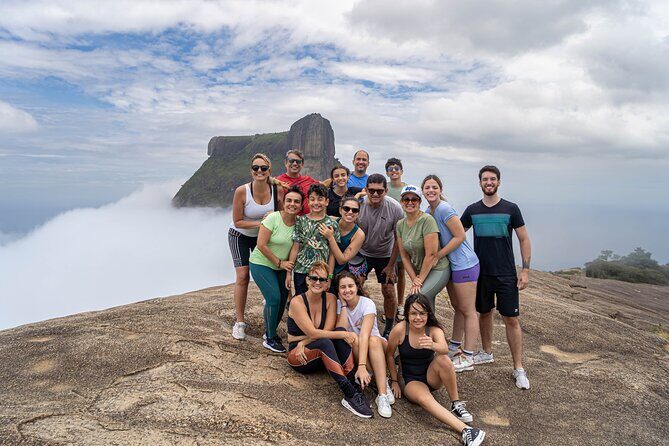
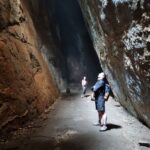
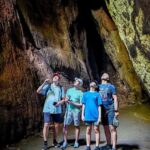
Once you’re done with the cliff views, you shift into Floresta da Tijuca (Tijuca Forest National Park). This portion is described as going through the park with natural attractions and facts about historical importance.
This stop lasts about 1 hour. In a day full of viewpoints, this is a welcome change in pace. Forest time tends to feel cooler and less harsh on the eyes than exposed lookouts. It’s also a change in sensory tone: instead of huge open-air panoramas, you’re paying attention to vegetation, shade, and the way trails frame the scene.
What you gain from the park part: the forest isn’t just scenery. The tour includes information about its historical importance, which helps you understand why the area is protected and why it became such a central piece of Rio’s nature identity.
Small tip: if it’s warm outside, forest shade is real relief. Still, keep water handy. Shade doesn’t mean you can skip hydration in Rio heat.
You can also read our reviews of more hiking tours in Rio de Janeiro


Emperor’s Table: a rest stop tied to XIX-century royalty
After the Tijuca Forest section, you’ll reach Emperor’s Table (Mesa do Imperador), a prepared resting point used during frequent royal family tours in the XIX century. This stop is about 15 minutes and sits as a “pause with a story.”
The appeal here is that it’s brief but meaningful. You’re not just looking at a point; you’re seeing how the route evolved. These resting spots were designed for people moving through tough terrain—so they help you picture how travel worked before modern roads made everything simpler.
For a short stop, it’s a smart inclusion. It adds human history to a day that could otherwise become only views and photos.
Vista Chinesa: the Tijuca lookout with a descent plan toward Lage Park
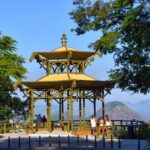
The last major viewpoint is Vista Chinesa. You’ll visit this important tourist point of the Tijuca massif, with the itinerary describing a descent through the Horto for access to Lage Park and the botanical garden.
This is another short stop (around 15 minutes). But it can still be a strong photo moment because Vista Chinesa is designed as a lookout experience. The value here is the positioning: you finish the core hiking and monolith viewing, then come to a viewpoint that gives you that “final postcard” angle before the day winds down.
How the Horto/Lage Park connection helps you: even without going deep into extra sightseeing, this route logic sets you up for understanding where the park side connects back toward central Rio’s well-known green spaces. If you like to plan follow-up wandering after a tour, this sequencing can be handy.
How the pacing works in an 8–9 hour day
This is listed as roughly 8 to 9 hours. The mix of stop lengths is what makes it feel workable:
- Several quick windows (about 15 minutes each) for beaches and viewpoints
- A real walking segment (the Pedra Bonita light track, ~40 minutes)
- A couple of longer blocks for staying oriented in each zone (Pedra Bonita plateau time and Tijuca/forest time)
The private SUV format is more than comfort. It reduces the time you’d spend on transfers and makes it easier to keep the day consistent if traffic shifts. It also helps you stick to the tour’s rhythm, which is important in Rio where distances can surprise you.
Bring a simple game plan: wear shoes you can walk on uneven ground in. Keep your camera accessible so you’re not fumbling while you’re standing at the best angles. And if you get even slightly tired, slow down on the track rather than pushing—this isn’t a race day.
Price and value: paying $177.43 for a guided day that includes key tickets
At $177.43 per person for an 8–9 hour private SUV tour, you’re paying for three things at once: transportation through Rio’s scenic zones, guided interpretation at each stop, and at least some admission tickets included.
From the day’s structure, some stops list tickets as included (like Rampa Pedra Bonita, the Pedra Bonita plateau section, Pedra da Gávea, and Floresta da Tijuca), while others are listed as free (Praia da Joatinga, Emperor’s Table, Vista Chinesa). That combo matters because it reduces the mental tax of planning and budgeting every single entry on the fly.
Where the money feels justified: the most “valuable” part of this tour isn’t one single viewpoint. It’s the smart stitching of viewpoints into a coherent arc—beach to cliff to forest—within one day, without you having to juggle timing, routes, and navigation yourself.
If you’re the type who wants photos plus context and doesn’t want to spend your day behind a map app, this pricing structure tends to make sense.
Who this tour suits best (and who should think twice)
This tour is described as suitable for most travelers, and the structure supports that. It’s not asking you to do a hard technical climb, but it does include a hiking segment and plenty of standing at viewpoints.
You’ll likely love it if:
- You want multiple iconic Rio nature spots in one full day
- You like guided storytelling and not just scenic selfies
- You’re comfortable with a manageable walk (the ~1.7 km light track segment)
Consider skipping or adjusting expectations if:
- You can’t handle heat and uneven footing for a short track
- You’re sensitive to rain or mist (the tour requires good weather)
Also, note that the tour ends back at the meeting point, which is convenient for avoiding late-day logistics.
Should you book this private SUV Tijuca Forest + viewpoints tour?
If you want a day that feels both scenic and organized, I think this is a strong choice—especially if you value a guide who helps you feel part of the environment, not just an observer at the edge of the view. The route is thoughtfully paced: quick wow-stops early, a meaningful walking payoff at Pedra Bonita, a classic close-up viewpoint at Pedra da Gávea, then forest time for a real change of pace.
Book it if you can line up for good weather and you’re ready for a moderate amount of walking. If weather is shaky or you want a strictly minimal-footprint day, you’ll probably be happier with a shorter, more viewpoint-only plan.
FAQ
What time does the tour start and where does it meet?
It starts at 8:30 am and meets at the Fairmont Rio de Janeiro Copacabana, Av. Atlântica, 4240, Copacabana.
How long is the private SUV tour?
It runs about 8 to 9 hours.
How much does it cost?
It’s $177.43 per person.
Is this a private tour?
Yes. It’s a private tour/activity, and only your group participates.
What stops are included during the day?
The tour includes Praia da Joatinga, Rampa Pedra Bonita, the Pedra Bonita plateau, Pedra da Gávea, Floresta da Tijuca, Emperor’s Table, and Vista Chinesa (with the route also descending through the Horto toward Lage Park and the botanical garden).
Are any entrance tickets included?
Yes. Tickets are listed as included for Rampa Pedra Bonita, the Pedra Bonita section, Pedra da Gávea, and Floresta da Tijuca. Some stops are listed as free, including Praia da Joatinga, Emperor’s Table, and Vista Chinesa.
What happens if the weather is poor?
This experience requires good weather. If it’s canceled due to poor weather, you’ll be offered a different date or a full refund.