REVIEW · RIO DE JANEIRO
Rio de Janeiro : Must-See Sites Walking Tour With A Guide
Book on GetYourGuide →Operated by Guydeez Tours · Bookable on GetYourGuide
Rio’s Centro tells its story on foot. What I like most is the chance to pair Praça Quinze de Novembro with photo-worthy old-port corners at Praça XV, and then get the context behind Igreja de Nossa Senhora da Candelária without getting lost. One thing to plan for: this is a walking tour where monument/museum entry isn’t included, so you may mostly be viewing interiors from the outside unless you add tickets.
You start in a practical spot by the water at Av. Beira Mar 280 (meet in front of B&B HOTEL Santos Dumont), then spend about four hours connecting the city’s big-name landmarks in the historical downtown. At about $50 per person, the value is mostly in the guide time and the personalization—especially if you want direction for what to do after the walk.
And if your timing overlaps with carnaval-world street energy, the guide can be flexible. In one past tour, Gustavo helped guests catch the start and finish of the bloco cordão do bola preta (and even helped with grocery stops afterward), which is the kind of local problem-solving you don’t get from a map.
In This Review
- Key highlights worth your attention
- Meeting at Av. Beira Mar: starting Centro without getting tangled
- Centro in four hours: a walkable timeline of 500 years
- Praça Quinze de Novembro and Praça XV: where the monarchy-to-republic story lands
- Travessa do Comércio: why a small lane can be the best lesson
- Church of Nossa Senhora da Candelária: the famous interior, plus what to notice outside
- Centro Cultural Banco do Brasil: architecture that reads like a city lesson
- Cinelândia: a smart finish near culture centers and political landmarks
- The $50 price: what you’re really paying for
- What to bring and how to survive the walking (in a good way)
- Who this Rio Centro tour is best for
- Should you book this Rio Centro walking tour?
- FAQ
- Where does the tour meet?
- How long is the Rio de Janeiro Centro walking tour?
- What does the tour cost?
- Is the tour private?
- What language options are offered for the guide?
- Is public transport included?
- Are monument and museum entry tickets included?
- Does the tour include food or drinks?
- Is there free cancellation?
Key highlights worth your attention
- Private, exclusive pacing for a true one-on-one feel (no sharing with strangers if you book private)
- 500 years of Centro history explained while you walk, not just read in a brochure
- Praça Quinze de Novembro to Praça XV: a smart route through the monarchy-to-republic shift
- Travessa do Comércio: narrow alleys that are made for street photos
- Candelária + Banco do Brasil: iconic architecture with guidance on what you’re looking at
- Cinelândia finish: a clean landing point near culture centers and major landmarks
Meeting at Av. Beira Mar: starting Centro without getting tangled
This tour begins at Av. Beira Mar 280, right in front of B&B HOTEL Santos Dumont. That matters more than you’d think, because Centro can feel like a maze the moment you arrive—especially if you’re new to Rio’s streets and shortcuts.
The total time is about 4 hours, and it’s built around walking. That means comfortable shoes are not optional. You’ll also cover some public-transport elements as needed, but the default is on foot (and car transport isn’t included since it’s a walking experience).
If you want to get the most out of it, show up with two basics in mind:
- what sights you care about most (church, architecture, plazas, photos)
- what you’re doing later that day (so your guide can steer you to something logical next)
The tour includes an English-speaking guide, and it’s offered in multiple languages (English, French, Portuguese, Spanish), which is a big deal in Rio where street directions can get messy fast.
You can also read our reviews of more walking tours in Rio De Janeiro



Centro in four hours: a walkable timeline of 500 years

The whole idea here is simple: Rio’s historical downtown reads like a timeline when you move from plaza to plaza and landmark to landmark. Instead of treating Centro as a list of stops, you’re shown how political change, port activity, religious influence, and civic architecture shaped the city’s layout.
This kind of guided walk is especially helpful in places like Rio where landmarks are close—but meaning isn’t obvious. A plaza might look like a photo spot at first glance. With a guide, you learn what happened there, what changed, and why locals still care.
You’ll spend most of the time outdoors. That’s good for orientation and street-level atmosphere. It’s also a reminder that Rio weather can be intense, so plan for shade breaks and hydration.
Praça Quinze de Novembro and Praça XV: where the monarchy-to-republic story lands
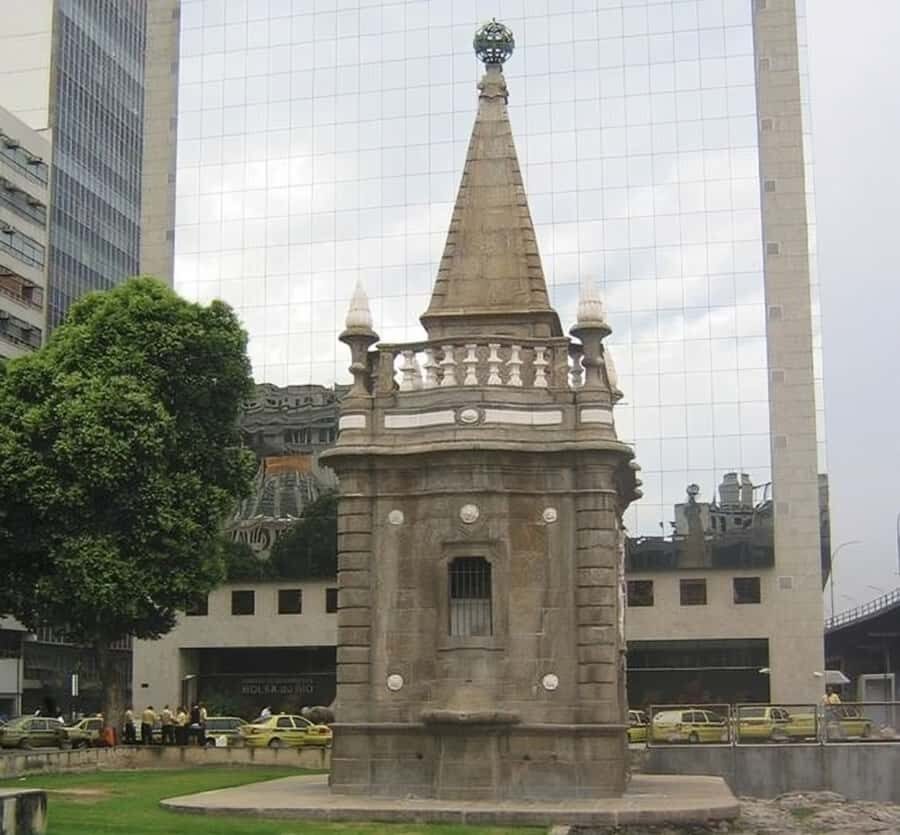
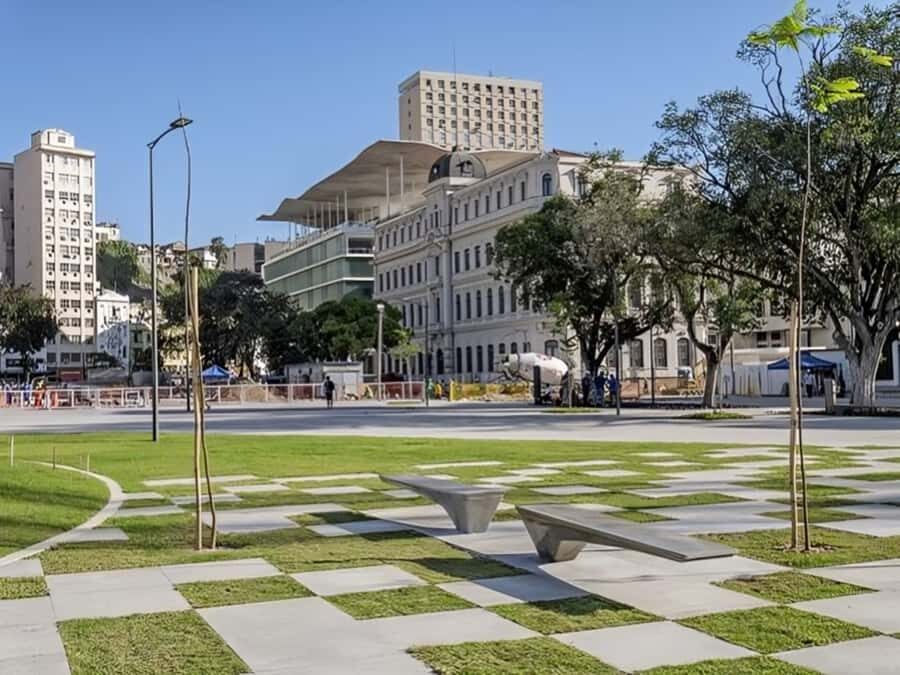
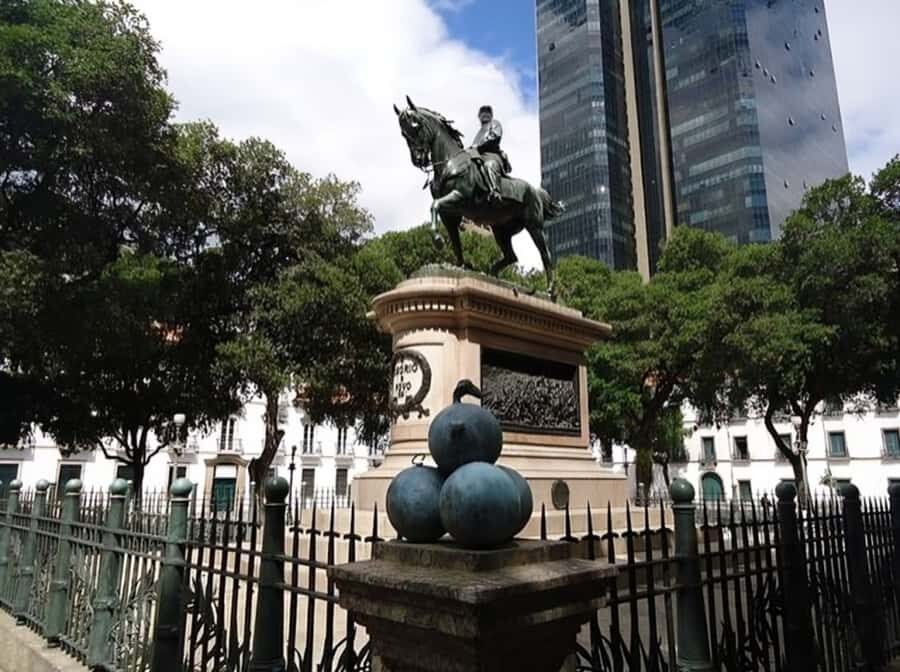
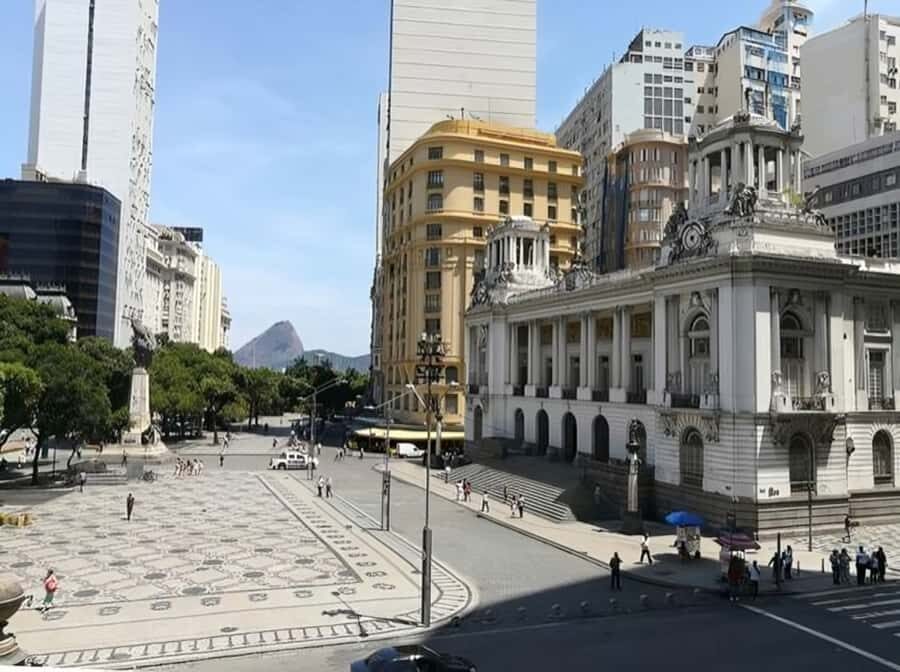
One of the first stops is Praça Quinze de Novembro (often spelled as Quinze de Novembro on signs), with a photo stop plus guided sightseeing. This square is tied to a key moment in Brazil’s shift from monarchy to republic—so it’s not just a wide-open space. It’s a “why this city looks the way it does” stop.
Right around this area, you’ll also hear about the old port remnants at Praça XV. Port leftovers might not sound exciting until you understand how much of Rio’s growth was shaped by shipping and trade. If you’ve ever wondered why some streets feel older and denser near the water, this is where the explanation makes sense.
Photo-wise, these plazas are practical. They give you space to frame skyline views and historic facades without fighting crowds. And the guided timing helps: you’ll know where to stand and what to look for instead of just shooting random angles.
A small consideration: plazas are exposed. If you’re traveling in the heat, you’ll want to keep moving while also stopping when your guide points out shade or quieter corners.
Travessa do Comércio: why a small lane can be the best lesson

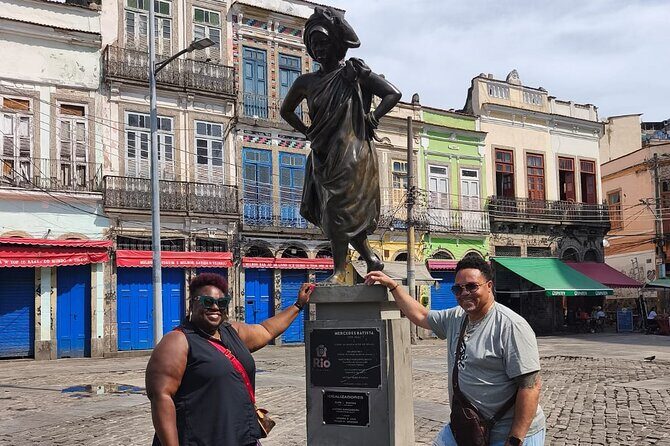
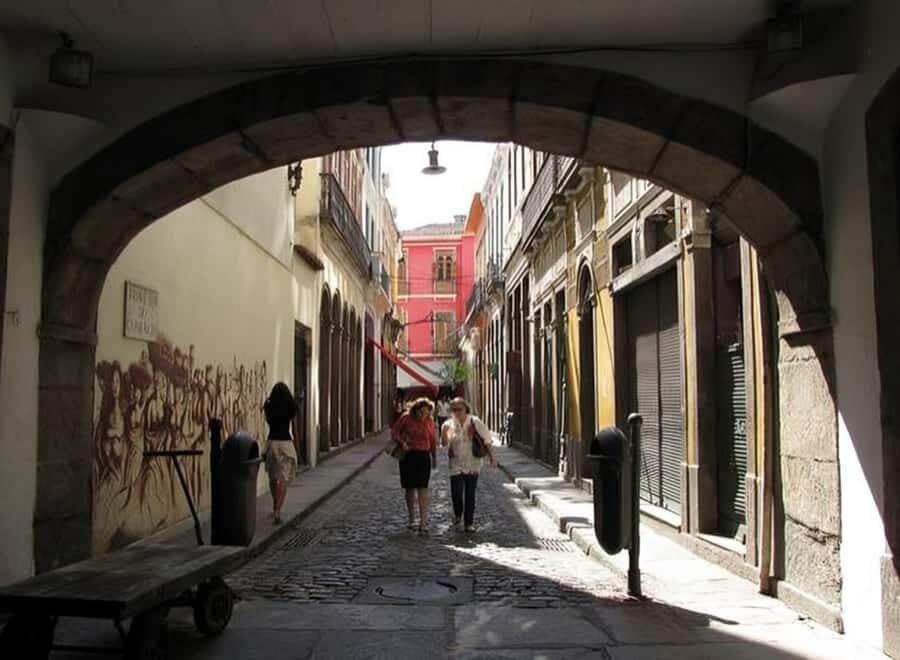
Next comes Travessa do Comércio, which is known for its photo-friendly streets and historic buildings. This is the type of stop that rewards slower walking. The streets are narrow enough that the architecture feels human-scale, and the alleys often create natural framing for your camera.
What I like about this kind of location is that it breaks the “big landmark” rhythm. After the big squares and major institutions, you get to see how commerce and daily life shaped the older parts of Centro. It’s also a nice reset if you’ve been in museums or on the subway all day.
The drawback is also simple: with alleys, it’s easy to lose your bearings if you’re not listening. The guide keeps the route coherent, so you don’t wander off chasing photos and end up backtracking later.
Church of Nossa Senhora da Candelária: the famous interior, plus what to notice outside
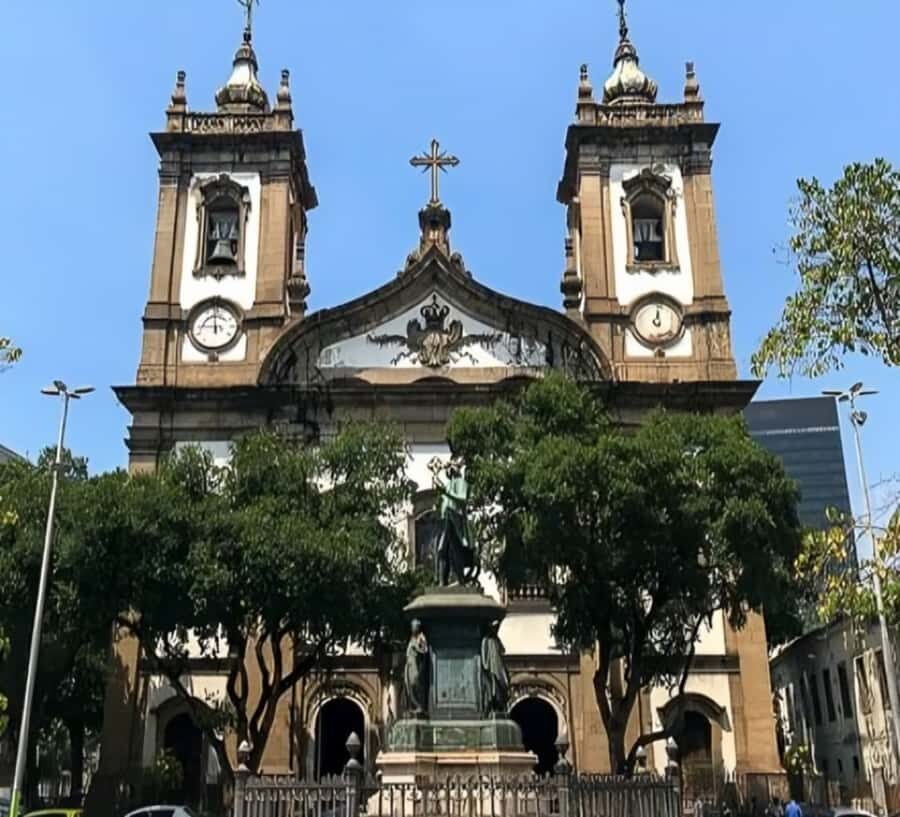
The tour includes the Church of Our Lady of the Candelaria (Igreja da Candelária). It’s famous for its striking interior, and it’s also a well-known wedding venue for locals, which tells you something about how living culture and faith overlap here.
Even if you don’t plan on paying for interior entry, you’ll still get value from this stop. A guide can point out what makes the building recognizable from angles you might miss on your own. You’ll also learn why locals choose it for weddings, which gives you a more personal connection than the usual “it’s pretty” explanation.
Just be aware: entry to monuments and museums is listed as not included. That doesn’t mean you can’t see anything. It means your best-case plan is to use the guide time to understand the significance and then decide on-site if you want to add interior access.
This is also a good stop for photos that aren’t just selfies. Stand where the guide tells you to stand, take one wide shot, then one closer angle for details. That’s usually enough to capture the overall design.
You can also read our reviews of more guided tours in Rio De Janeiro






Centro Cultural Banco do Brasil: architecture that reads like a city lesson
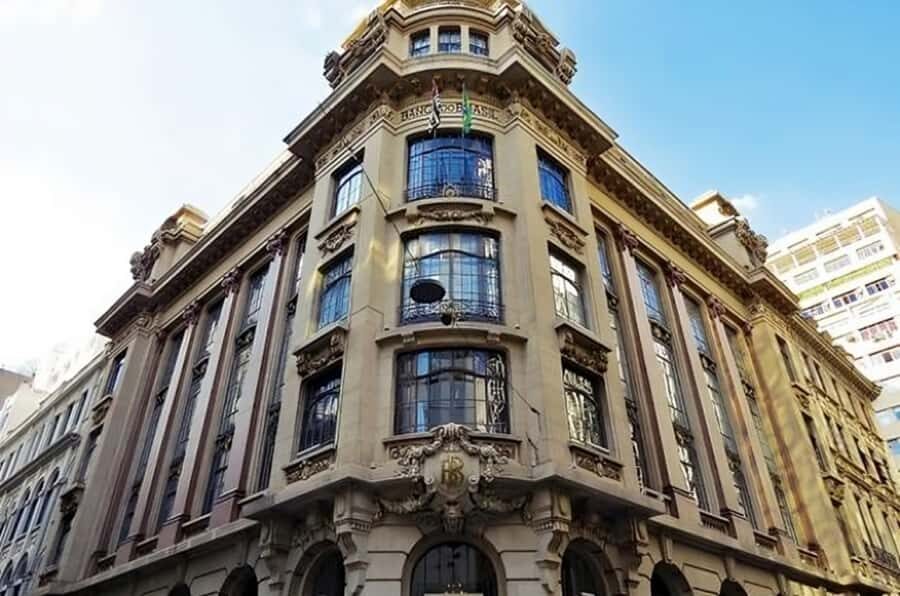
Another key stop is the Centro Cultural Banco do Brasil, where you’ll visit the area and get guided sightseeing. This building is often mentioned for its opulent architectural heritage, and it’s the kind of place where details matter: entrances, materials, and how it sits within the Centro streetscape.
What’s valuable here is the “look with a purpose” factor. Without context, you might just admire the facade and move on. With a guide, you learn what the architecture signals about Rio’s institutional power and civic identity.
As with other monuments/museums, entry tickets aren’t included, so think of this stop as guided observation first. If you want deeper access, your guide’s help booking tickets can help you plan—but you’ll likely need to add that on.
Cinelândia: a smart finish near culture centers and political landmarks
The tour ends in Cinelândia, which works well as a final stop. It’s a culture hub area with lively places to eat and visit, plus significant political landmarks nearby. In other words, it’s a good place to transition from “history walk” into “what do I do next?”
This ending location also helps you avoid the classic problem: finishing somewhere random and then spending your energy figuring out transportation. Cinelândia is recognizable, and it’s the kind of area where you can keep exploring without feeling stuck.
If you want to maximize your afternoon or evening, use your guide’s last moments to ask for one or two recommendations. That advice is part of the tour value—especially since a guide can steer you toward experiences that match your pace and interests.
The $50 price: what you’re really paying for
Let’s talk value. At $50 per person for a 4-hour guided walk, you’re not only buying sightseeing. You’re buying:
- an English-speaking local guide who can explain what you’re seeing
- customization options, so the route and focus can fit your priorities
- time savings (you don’t waste hours trying to stitch together meaningful explanations on your own)
You’ll also get help from the team to book tickets for desired visits. That’s useful because Rio has a few places where planning ahead changes how smooth the day feels.
The tour is private and exclusive when you book that option, meaning you won’t be pushed into a one-size-fits-all group pace. One past guide, Gustavo, stood out for doing exactly what good guiding looks like: adjusting to guests’ goals. He helped a group find the start and end of the bloco cordão do bola preta, and after that, still delivered on the historical sightseeing.
Another guide mentioned in past feedback is Luis, praised for being highly informative and answering questions thoroughly. That’s the kind of guide performance that turns a walk into a learning experience rather than a simple route.
What to bring and how to survive the walking (in a good way)
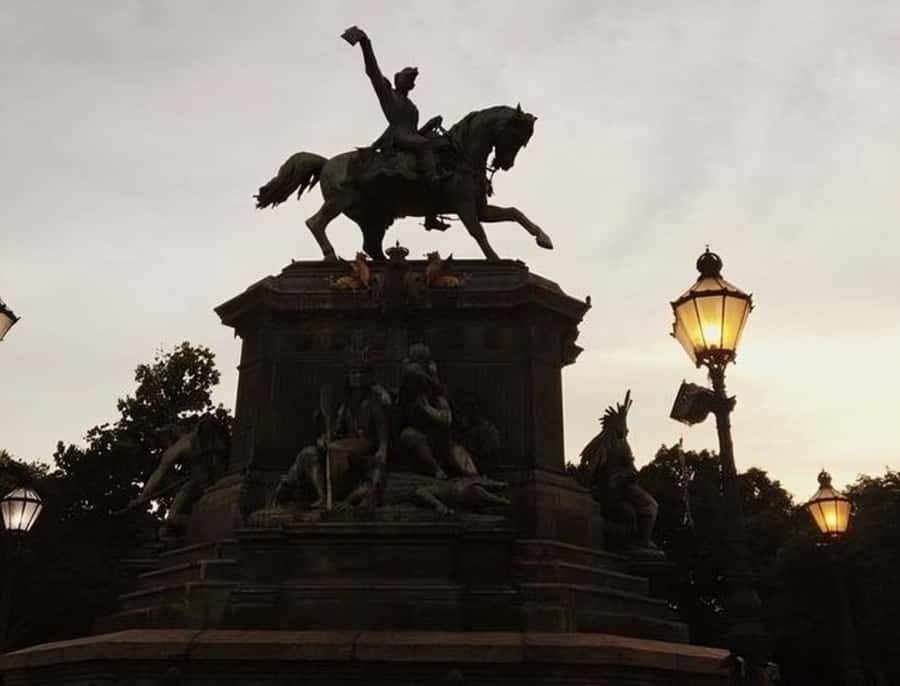
This is a walking tour in Central Rio, so your comfort affects your enjoyment. I suggest packing like this:
- Water and a light snack plan (food/drink isn’t included)
- Sunscreen and a hat or cap
- Comfortable shoes with grip
- Your phone charged for photo spots and quick directions later
- If you want interior access, plan for extra costs since entry tickets aren’t included
Also, think about your “camera strategy.” The stops are built for photos, but the best shots often come from standing where your guide indicates. If you keep hopping around, you can miss the story bits.
And don’t forget that the guide is there for more than landmarks. Asking about what to do after Cinelândia can save you time and stress.
Who this Rio Centro tour is best for
This tour fits best if you want structured sightseeing without feeling locked into a rigid schedule. It’s a solid pick for:
- first-time Rio visitors who want orientation in Centro
- travelers who like history but don’t want to read it alone
- people who prefer asking questions in real time
- anyone who wants to blend big monuments with street-level details (plazas plus Travessa do Comércio)
It’s also a good match if you care about language support, since the guide is offered in multiple languages, including English.
If your priority is purely museum entry or paid attractions, you might want to pair this with separate ticketed experiences, since entry to monuments and museums isn’t included.
Should you book this Rio Centro walking tour?
If you’re deciding whether this is worth your time, here’s my straight take: book it if you want a smart route through Rio’s historical core with a guide who can explain what you’re seeing and help you plan the rest of your day.
Skip it (or adjust expectations) if you expect the walk to be mostly ticketed interiors or a long list of museum hours. This tour’s power is the guided context—especially around major plazas, the Candelária church area, Banco do Brasil, and the Cinelândia culture finish.
For a first pass at Centro, especially on a limited schedule, this kind of private walking format is a practical way to get your bearings fast—without spending your vacation time figuring out what to look at.
FAQ
Where does the tour meet?
You meet the guide in front of B&B HOTEL Santos Dumont at Av. Beira Mar 280.
How long is the Rio de Janeiro Centro walking tour?
The tour duration is 4 hours.
What does the tour cost?
It costs $50 per person.
Is the tour private?
A private group is available, and the tour is described as private and exclusive when booked that way.
What language options are offered for the guide?
The guide is offered in English, French, Portuguese, and Spanish.
Is public transport included?
Walking is included, and public transport is included unless you choose one of the options where it may differ. Local car transport isn’t included.
Are monument and museum entry tickets included?
No. Entry to monuments and museums isn’t included, and tickets to attractions are not included.
Does the tour include food or drinks?
No. Drink or food isn’t included.
Is there free cancellation?
Yes. You can cancel up to 24 hours in advance for a full refund.