REVIEW · RIO DE JANEIRO
Rio de Janeiro: Favela Santa Marta Tour with Resident Guide
Book on GetYourGuide →Operated by Favela tour Santa Marta Turismo Comunitário e Social · Bookable on GetYourGuide
Santa Marta is not a theme park. It is Rio life, told by Gilson Fumaça, a longtime Santa Marta resident who guides with social, cultural, and environmental purpose. What I like most is that you’re not just looking at a community. You’re learning how it works, and how people are shaping their own future.
Two standouts make this tour special. First, you get a serious dose of context on social and economic development in the favela, plus the history behind places tied to global pop culture. Second, you visit community-driven spaces and projects connected to the Instituto Gilson Fumaça, so your time supports education and inclusion, not exploitation. One consideration: the route involves walking and stairs, and it is not suitable for wheelchair users or people with mobility impairments.
In This Review
- Key points worth knowing before you go
- Meet Gilson Fumaça and the Santa Marta story behind the tour
- How the $27 price works as value, not charity theater
- Route walkthrough: from the meeting point to Santa Marta streets
- Cable car and viewpoint stops: Rio photos with context
- R. da Paciência, local scenes, and the purpose behind each stop
- Michael Jackson Square: pop-culture history meets community time
- Gilson’s home and the Instituto Gilson Fumaça impact
- What you’ll actually do during the visit (not just watch)
- Views and photos: how to make the most of short stops
- Practical considerations: walking, steps, and comfort in Rio heat
- Who this tour fits best
- Should you book the Rio: Santa Marta Favela Tour with Resident Guide?
- FAQ
- How long is the Santa Marta favela tour?
- Where does the tour start and end?
- How much does it cost?
- What’s included in the price?
- What languages are offered?
- Is there a safety briefing?
- Does the tour include a cable car ride?
- Is the tour suitable for wheelchair users?
- Can I reserve and pay later?
- Is free cancellation available?
- What kinds of places do you visit for culture and education?
Key points worth knowing before you go
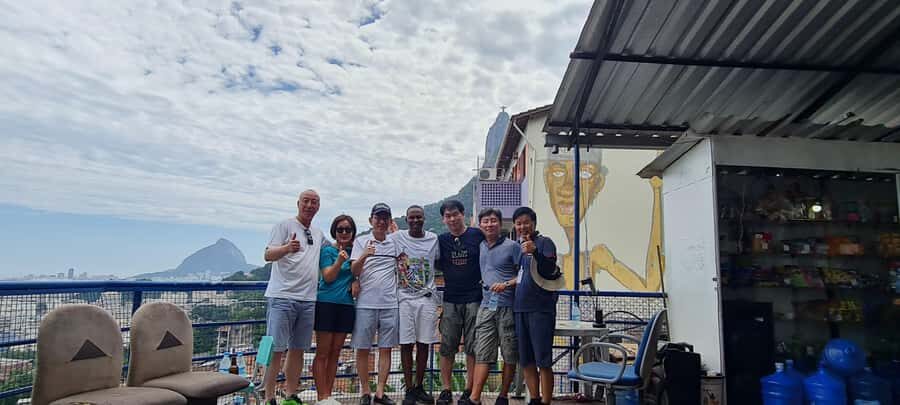
- Resident-led by Gilson Fumaça: born and raised in Santa Marta, with decades of community involvement.
- Safety briefing included: you start with a short briefing before heading out.
- Cable car + viewpoints: you get classic Rio panoramas, without the usual tourist bubble.
- Stops tied to history and pop culture: including the Michael Jackson They Don’t Care About Us era.
- Visits beyond streets: cultural projects, a local restaurant, and community spaces with purpose.
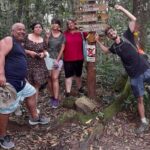
- Small-format feel: you’re moving like a group that’s meant to connect, not speed through.
Meet Gilson Fumaça and the Santa Marta story behind the tour
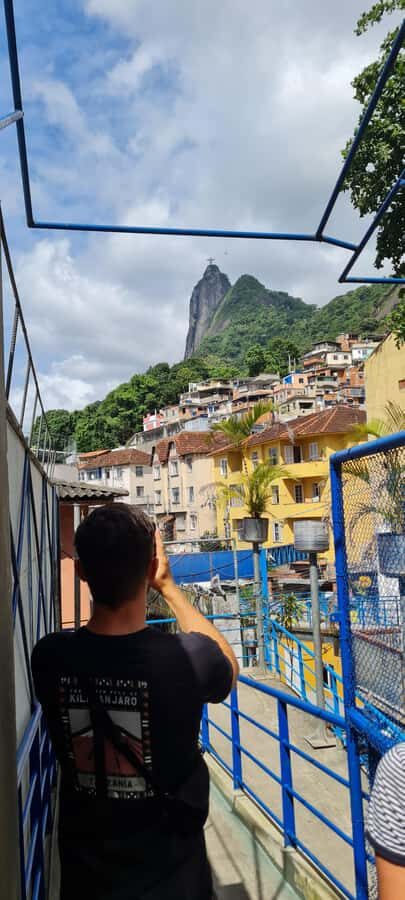
This is a favela tour with a difference: it’s built by locals, led by locals, and guided by someone who knows people by name. The tour centers on Gilson Fumaça, described as a community leader, a first tourism guide credited by the Brazilian Ministry of Tourism, and someone involved in social and community projects for more than 30 years.
Gilson’s approach is practical and personal. He isn’t only pointing out sights. He shares the arc of his own life—childhood, youth, and adulthood—and connects it to the broader story of Santa Marta as a place of struggle and resistance, not just hardship. You also hear about two specific historical moments linked to the community: Queen Elizabeth II’s visit in 1968, and the 1996 music video era connected to Michael Jackson’s They Don’t Care About Us.
You can also read our reviews of more guided tours in Rio De Janeiro


How the $27 price works as value, not charity theater
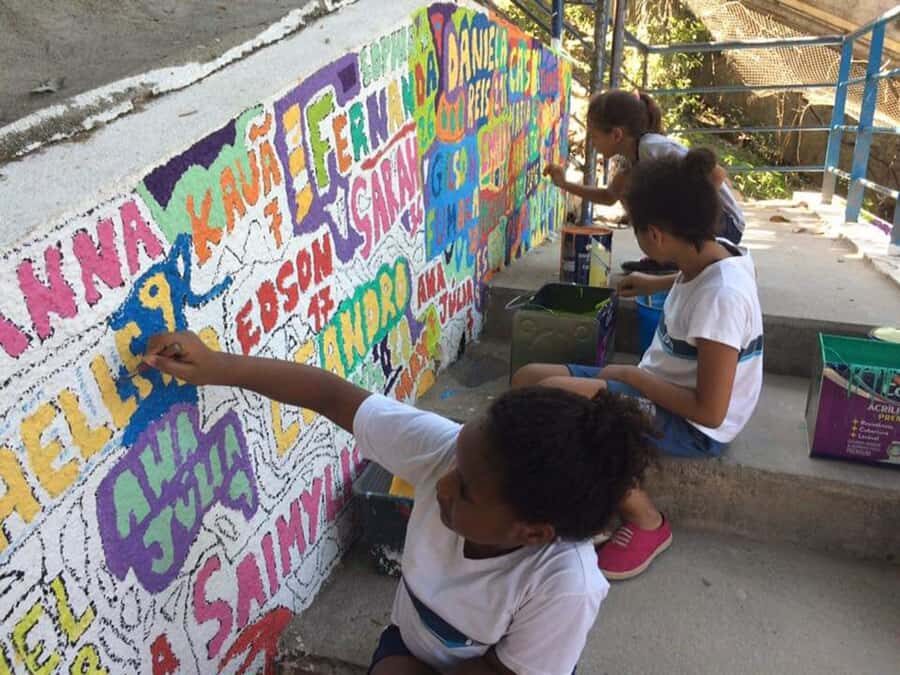
At $27 per person for about 2 hours (150 minutes), this tour sits in an affordable range for Rio guided experiences. The key value is what that price supports. This isn’t presented as a “pay to look” situation. The agency is described as a resident-built tourism initiative that started around 2010 after a tourism project, and the tour is framed as a way to build impact for the favela.
You’ll likely feel the difference because the tour includes structured visits to community efforts—especially educational and environmental projects connected to the Instituto Gilson Fumaça. It also includes time in local spaces like a restaurant, where your visit connects you to everyday life rather than just roadside photos.
And yes, there’s a built-in reality check here. A tour like this costs far less than most private experiences in Rio because it is powered by community relationships and local expertise, not expensive logistics.
Route walkthrough: from the meeting point to Santa Marta streets
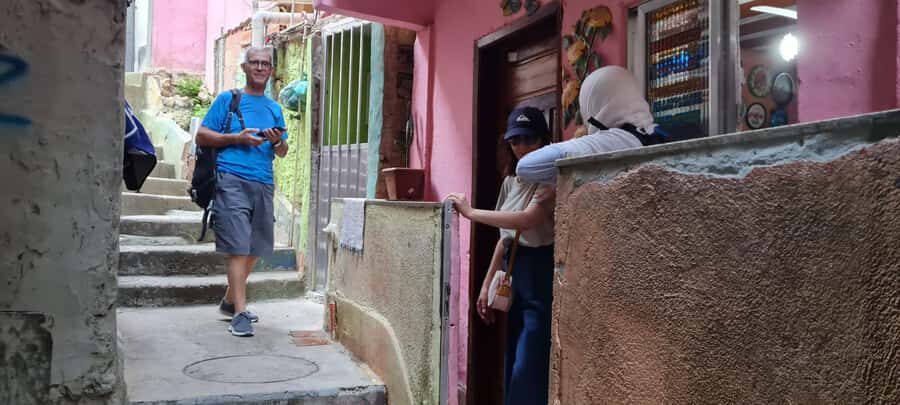
Most tours start at R. São Clemente, 320 (Tourist Information), though your exact meeting point can vary depending on the option booked. After meeting up, you get a short safety briefing (about 10 minutes) before you head into Santa Marta.
From there, the tour time is structured but not frantic. You’re guided through the community at a pace that leaves room for explanation and photos. Expect the day to mix history, daily life, and viewpoints—plus some stops that feel more like “community time” than “tourist checkboxes.”
A good part of the appeal is that Gilson doesn’t treat the favela like a single story. He talks about challenges and achievements side by side, and that balance matters. If you only go for the dramatic skyline angles, you’ll miss what you came for.
Cable car and viewpoint stops: Rio photos with context
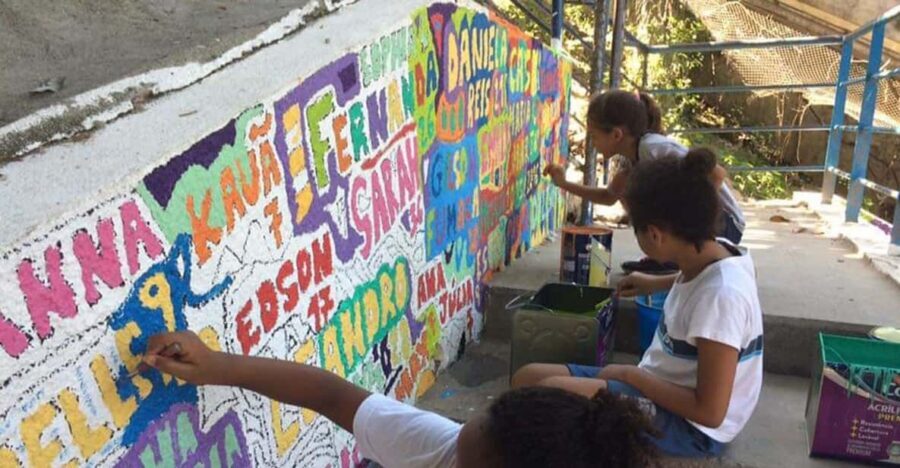
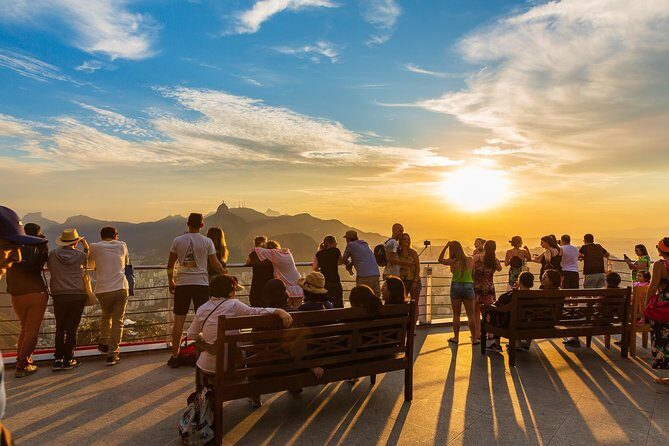
A big chunk of the “wow” factor here comes from the cable car segment (about 20 minutes). It’s a ride that gives you a sense of scale—how the neighborhood stretches and how Rio’s geography shapes daily life.
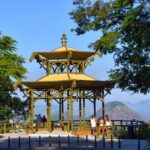
Then you hit a viewpoint photo stop (around 10 minutes). This is your chance to slow down, take pictures, and connect what you’re seeing from above to what you just heard on the ground. Even if you’ve seen Rio’s landmarks from other tours, doing it from Santa Marta’s angle changes the story.
The practical upside: cable car + viewpoint stops help you get the panorama without spending half a day commuting. The tradeoff: you still need to be okay with some walking after the ride.
R. da Paciência, local scenes, and the purpose behind each stop
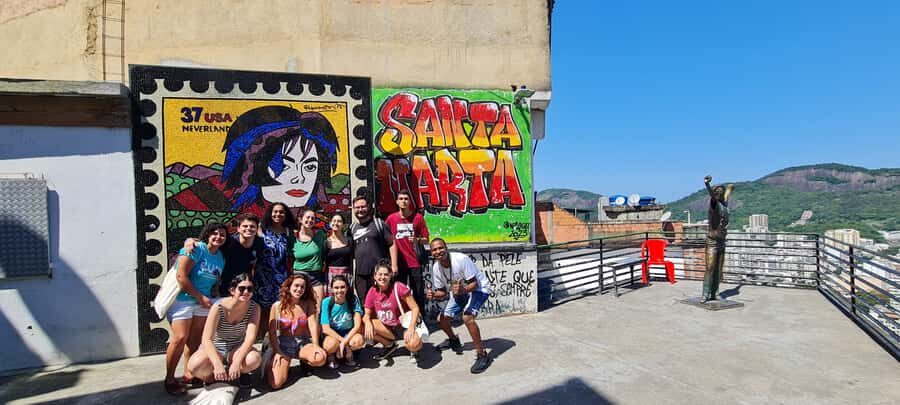
One of the stops is around R. da Paciência, 4, which includes a photo stop, a visit, and scenic views on the way (about 10 minutes total for that segment). This kind of stop matters because it’s not just “look here.” It’s more like, this is what daily routes and spaces feel like, and this is why location matters.
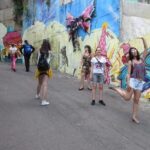
Next comes Favela Scene (about 15 minutes). Think of it as a community-focused stop where you’re meant to see cultural expression and inclusion in action. A handful of people on the tour may also pick up small souvenirs during the free time later, and one of the more memorable examples from a recent group was choosing a temporary monkey tattoo—small, fun, and very much tied to the day’s vibe.
After Favela Scene, you move to a local restaurant visit (about 20 minutes). This is a nice break built into the itinerary. It also gives you a more grounded sense of what “local life” means when you’re not sitting in a restaurant that only caters to sightseeing tours.




Michael Jackson Square: pop-culture history meets community time
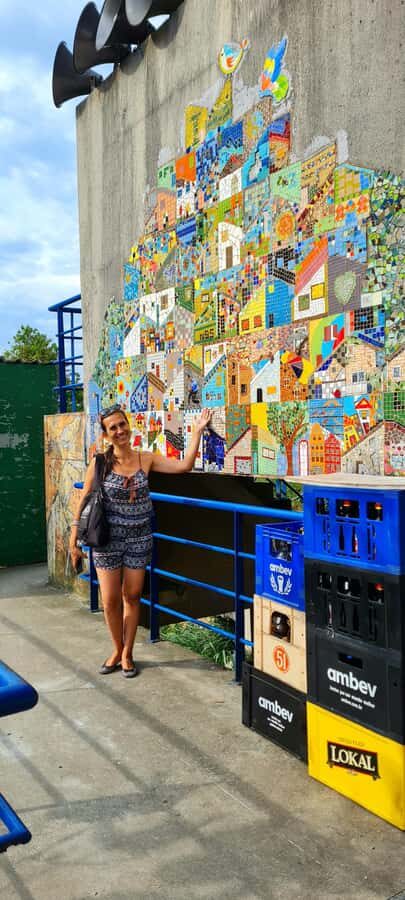
You finish with time around Michael Jackson Square. You’ll get a break, some free time, and shopping time (about 15 minutes). This stop is designed to connect what you’ve learned about Santa Marta’s history to a place tied to a famous moment in global entertainment.
The tour frames this around the filming era connected to Michael Jackson’s They Don’t Care About Us, with the specific claim that Gilson was connected to that day and you may even be able to recognize him in the video clip. Whether you’re a die-hard MJ fan or not, it’s still a compelling lesson in how global attention can land in a real neighborhood with real people.
This is also where the tour feels most human. Free time gives you a little room to breathe, check out items from local commerce, and take photos without feeling rushed.
Gilson’s home and the Instituto Gilson Fumaça impact
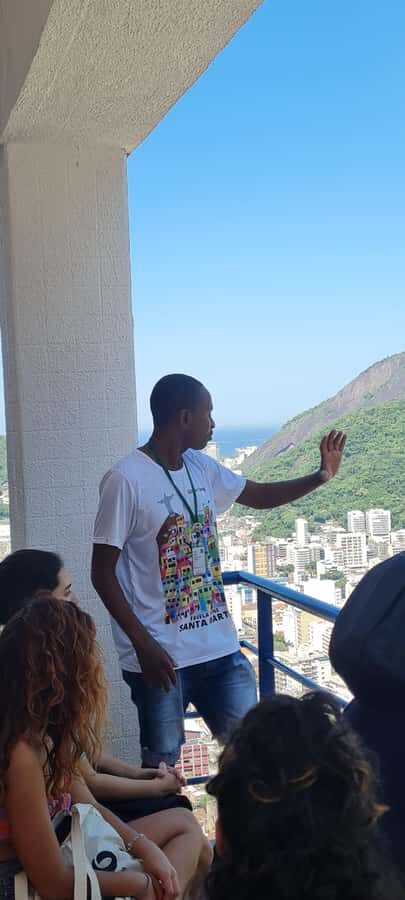
One of the biggest reasons this experience gets strong praise is what happens beyond street sightseeing: you get access to community-driven projects and personal spaces connected to Gilson’s life.
You visit the house of Gilson, including time with his family context. The tour information highlights his mother, Maria Helena, who is said to collect more than 400 clocks at her home. There’s also a description of the home’s setup: it’s organized across three floors, including a second-floor system of domiciliary hosting and a rooftop social gastronomic space with views toward Cristo Redentor and Pão de Açúcar.
Then there’s the educational work tied to the Instituto Gilson Fumaça. Based on the tour description, the institute supports educational, linguistic, and environmental projects. This is where the story shifts from “what you see” to “what you support,” and it’s one of the best ways to avoid the usual guilt-tour feeling.
Even if you’re skeptical about favela tourism, the focus on structured community projects is the difference-maker here.
What you’ll actually do during the visit (not just watch)
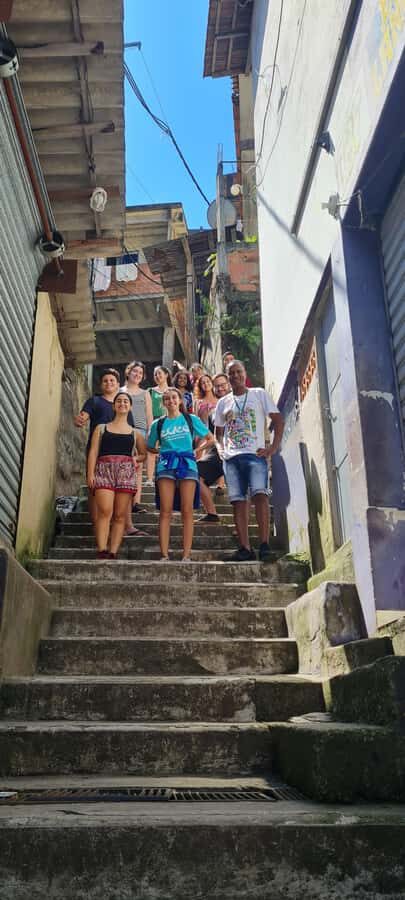
A tour like this can be two things: a walk with words, or a day that includes everyday culture. This one leans toward the second. You’re invited to participate in daily leisure and community moments—things like joining a football game with children, playing traditional games, spinning a wooden top, flying kites, or participating in a batucada on a rooftop.
You also get time for interaction and questions. The tone tends to be respectful, and Gilson’s role as a long-term community guide shapes that. Expect lots of two-way conversation, not a lecture that stops at the next corner.
Views and photos: how to make the most of short stops
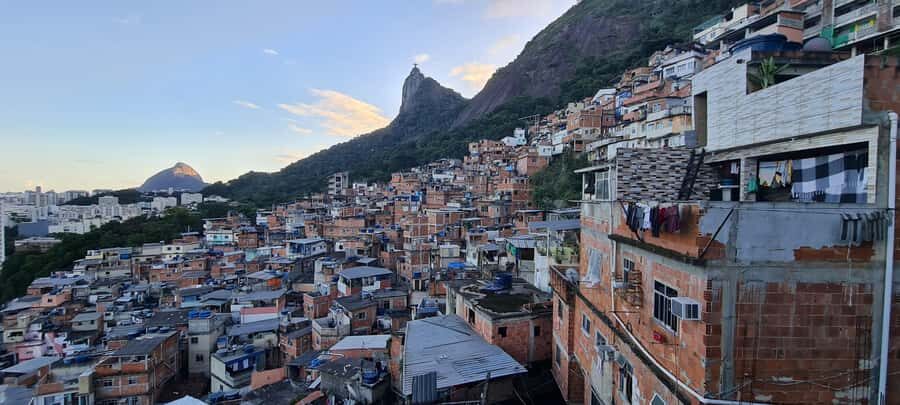
You’re getting several photo moments built in, but you still need to think like a photographer with a schedule. Plan to:
- Save your main photos for the cable car and viewpoint stops, since those offer the cleanest panoramas.
- Use the scenic walking segments for detail shots—faces, materials, everyday routes.
- Don’t treat the Michael Jackson Square free time as an afterthought. It’s the moment to grab images without the pressure of moving on immediately.
A useful tip: if you’re going for landmark photos of Cristo Redentor and Pão de Açúcar, take them seriously during the rooftop-view context mentioned around Gilson’s space. That’s where the angles feel personal rather than generic.
Practical considerations: walking, steps, and comfort in Rio heat
There’s one practical reality to this tour: it’s not built for a wheelchair or limited-mobility day. The activity is explicitly listed as not suitable for people with mobility impairments and wheelchair users.
Even if you’re generally fit, be ready for stairs and a steady walking rhythm. One pace-focused consideration from a past group is that heat can make the stair-and-walk approach tougher, especially in the middle of the day. If you’re sensitive to heat, consider choosing a time when the weather is more comfortable and wear shoes you trust.
Also, keep your expectations grounded. This is an active neighborhood walk with viewpoints. It’s not a bus tour, and the comfort level depends on your tolerance for uneven streets and changing terrain.
Who this tour fits best
This tour is a great fit if you want:
- A resident-led Rio experience that explains how the community developed and continues to evolve.
- Cultural stops tied to real local projects, not only postcard sights.
- A guided visit that helps you understand Santa Marta beyond stereotypes.
It’s also a strong choice if you enjoy meeting a person who is part of the place you’re visiting—someone like Gilson, who has links to high-profile moments (Joe Biden’s 2013 guide group, Cara DeLavigne for Vogue Brasil, and other music-video related collaborations) while still doing local community work.
Should you book the Rio: Santa Marta Favela Tour with Resident Guide?
Book it if you want your time in Rio to include a meaningful, resident-driven perspective. The tour’s strongest value is the combination of storytelling, structured community visits, and the social impact built around the Instituto Gilson Fumaça.
Skip it if mobility is a concern, because this is a walking-and-stairs experience. Also skip it if your idea of a tour requires minimal interaction and a “safe distance” from daily life. This one is built for connection and questions, led by someone who lives the neighborhood every day.
If you’re open-minded and you go with respect, you’ll get much more than views. You’ll get a clearer picture of how Santa Marta lives, struggles, and creates.
FAQ
How long is the Santa Marta favela tour?
The tour runs about 2 hours to 150 minutes, including guided time and stops.
Where does the tour start and end?
The main meeting point is R. São Clemente, 320 (Tourist Information), and drop-off is also at one of the same listed locations.
How much does it cost?
The price is listed as $27 per person.
What’s included in the price?
You get a local guide and bottled water.
What languages are offered?
The live guide is available in English, Spanish, and Portuguese.
Is there a safety briefing?
Yes. The schedule includes a safety briefing (about 10 minutes) at the start.
Does the tour include a cable car ride?
Yes. There is a cable car segment of about 20 minutes.
Is the tour suitable for wheelchair users?
No. The activity is listed as not suitable for wheelchair users and people with mobility impairments.
Can I reserve and pay later?
Yes. You can reserve now & pay later.
Is free cancellation available?
Yes. You can cancel up to 24 hours in advance for a full refund.
What kinds of places do you visit for culture and education?
The tour description includes visits connected to cultural projects with inclusion and sustainability goals, plus educational work through the Instituto Gilson Fumaça.