REVIEW · RIO DE JANEIRO
Rio: Favela Rocinha Tour with Local Guide & Secret Spots
Book on GetYourGuide →Operated by RIO AS A LOCAL TURISMO LTDA · Bookable on GetYourGuide
Rocinha is not a sideshow. This tour puts you in Favela da Rocinha with a local guide, a short capoeira and samba presentation, and a motorcycle ride that shows how the hills connect.
I like the small-group limit of 10, which keeps it conversational instead of a cattle call. Guides such as Malu, Jade, Antonio, and Gisele have led this route using English, Portuguese, or Spanish, and you also get included exclusive photos.
One thing to plan for: the base price is $43, but you should bring extra cash for the moto taxi fee and the secret-spot fee, since those are not included.
In This Review
- Key things that make this Rocinha tour worth it
- Favela da Rocinha, Seen Up Close: Why This Tour Feels Different
- Start at São Conrado Metro Exit A: Getting Oriented Fast
- 2 Hours on the Ground With Motorbike Thrills (and Fees You Must Expect)
- Capoeira and Samba Stops: The Performance With a Purpose
- Viewpoints and Locals-Only Secret Spots
- Responsible Tourism That Actually Points Money Where It Matters
- Safety, Respect, and the Advantage of a Max of 10
- Price and What Your $43 Actually Buys
- What to Wear, Bring, and Ask Your Guide
- Who Should Book This Rocinha Tour (and Who Might Not)
- Should You Book the Rio Favela Rocinha Tour?
- FAQ
- Where is the meeting point for the Favela Rocinha tour?
- How long is the tour?
- What language options are available with the guide?
- How big is the group?
- What is included in the price?
- What fees are not included?
- What should I bring?
- Is there a requirement to message the company before the tour?
Key things that make this Rocinha tour worth it
- Motorbike ride through tight alleyways to reduce trekking right away
- Capoeira and samba moments early on, so you understand what you’re seeing
- Secret spots that are known locally, with a small extra access fee
- Small group up to 10 people for better questions and a calmer pace
- Local guides who live the community, not just visit it
- Exclusive photos included, so you leave with more than memories
Favela da Rocinha, Seen Up Close: Why This Tour Feels Different
If Rio’s best-known sights are all about scale and icons, Rocinha is about daily life. This is a Favela da Rocinha tour designed to take you beyond the usual viewpoints-with-a-guide script. You’ll walk with someone from the community, see local businesses and projects, and hear the meaning behind what looks simple from the outside.
The big win here is the combination of local storytelling and actual movement through the neighborhood. You’re not only standing and taking pictures. You’re traveling by foot in places where people live, shop, and build community. And you get cultural context right away, starting with a brief capoeira and samba presentation.
That said, this kind of experience asks for the right mindset: curiosity, respect, and following your guide’s lead. The community isn’t a theme park, and the tour works best when you treat it that way.
You can also read our reviews of more guided tours in Rio De Janeiro



Start at São Conrado Metro Exit A: Getting Oriented Fast
The meeting point is simple, which I appreciate: Metro São Conrado / Rocinha (Saída A). You wait right in front of Exit A, and from there the guide takes over. No complicated multi-stop hotel pickup games.
You’ll also want to do one practical thing the day before: send a text message via WhatsApp or SMS as instructed. This is the easiest way to avoid confusion if your arrival time gets messy. In a neighborhood tour, tiny timing details matter.
Once you’re with the group, the guide typically sets expectations quickly—where you’re going next, how long the walking will take, and what to watch for. With a group capped at 10 participants, you’re more likely to get a real briefing instead of a rushed “stay close” speech.
2 Hours on the Ground With Motorbike Thrills (and Fees You Must Expect)
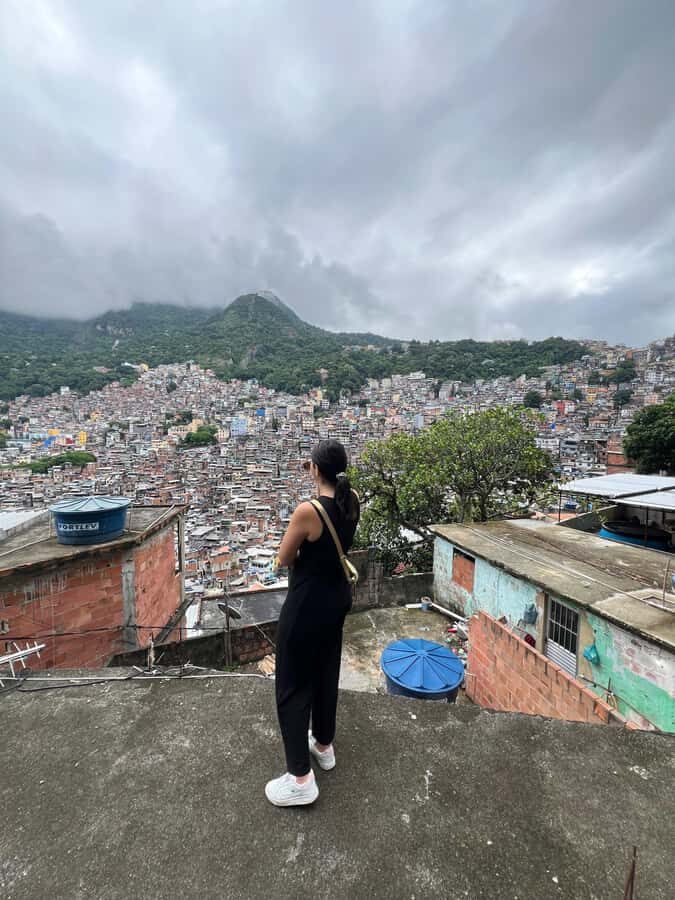
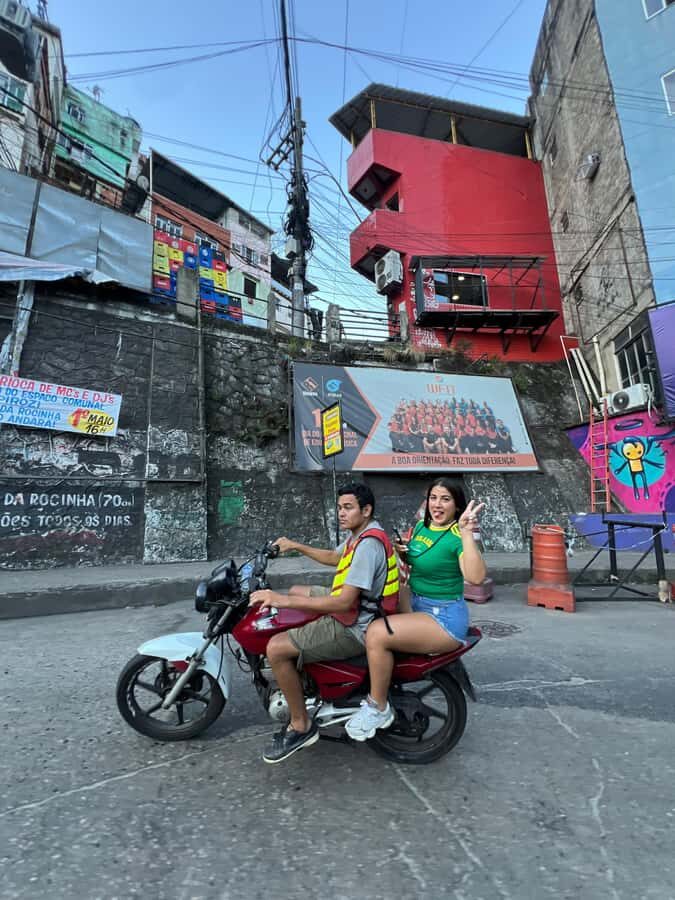
The total tour time is 150 minutes, including roughly 2 hours in the favela with your guided route. The rhythm is part walking, part short transport. Early on, you may hop on a motorcycle for an adrenaline boost as you ride through winding alleys and up toward higher points.
This motorcycle segment is exciting, but it’s also the reason you should plan your budget. The listing notes a moto taxi fee of 20 reais that is not included. Some guests in past experiences have mentioned being surprised by last-minute cash requests, so don’t assume your card will cover it. Bring cash and be ready.
After that initial ride, you’ll spend time on foot. You may rest at local homes along the way, which changes the feel of the tour. Instead of only looking from the sidewalk, you’re experiencing how hospitality works day to day—again, guided by someone who knows what’s appropriate and when.
The walk portion also means you’ll get more than one kind of street view: narrow passages, small public spaces, and wider viewpoints where you can see why people move and build where they do. If you dislike steep terrain, this is the part to consider carefully, since Rocinha is built on hills.
Capoeira and Samba Stops: The Performance With a Purpose
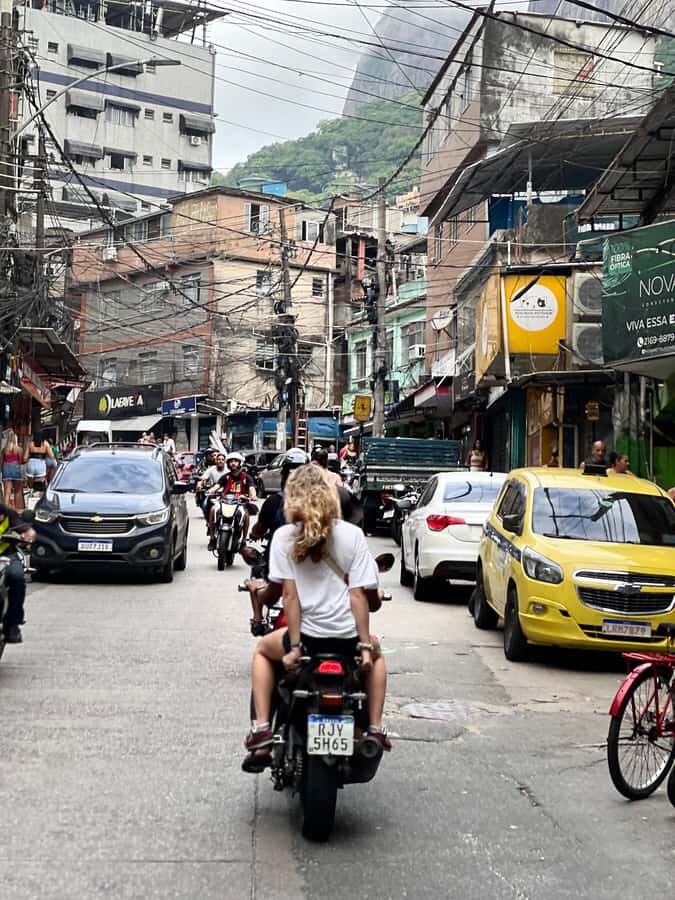
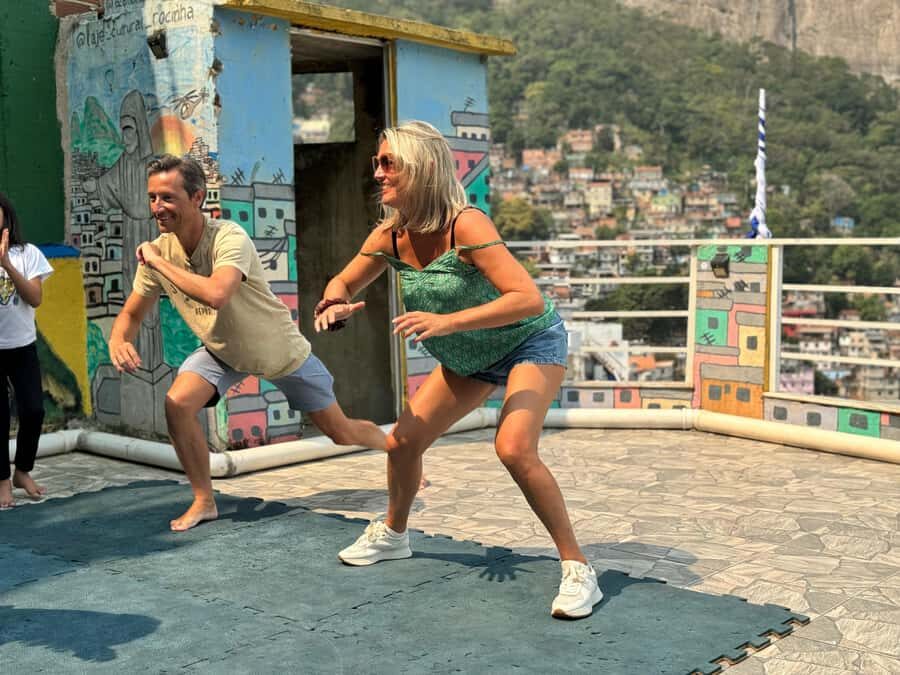
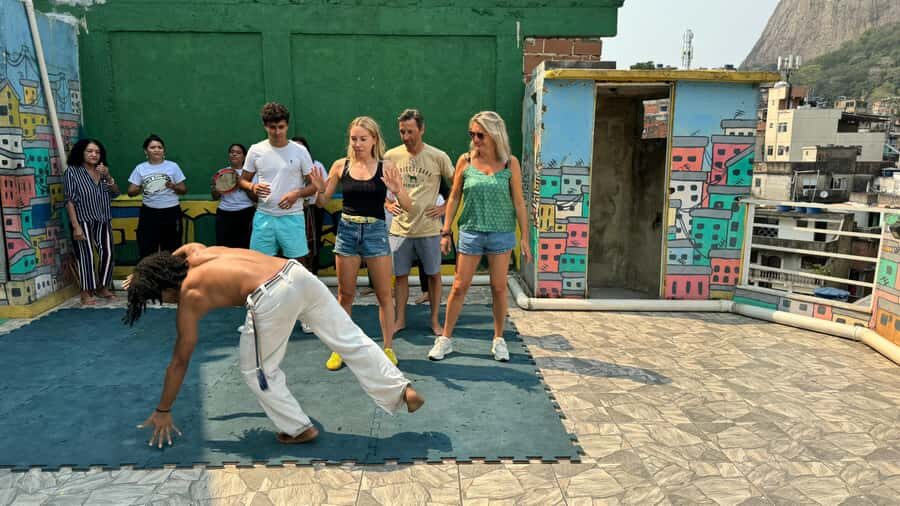
One of the strongest parts of this tour is the cultural introduction. You’ll watch a brief presentation of capoeira and samba, then see capoeira practitioners as part of the experience.
Capoeira can look like dancing or martial arts depending on how you watch it. The tour framing helps you notice the details: rhythm, community energy, and how the tradition is passed through practice. When it’s explained in context, it stops feeling like a quick entertainment stop and becomes part of the neighborhood’s identity.
I also like that this isn’t only staged. You’re guided to understand what you’re seeing and why locals treat it as meaningful. That matters because a favela tour can go wrong when it turns culture into a spectacle. Here, the point is learning and respect—your guide keeps it focused on understanding.
Viewpoints and Locals-Only Secret Spots
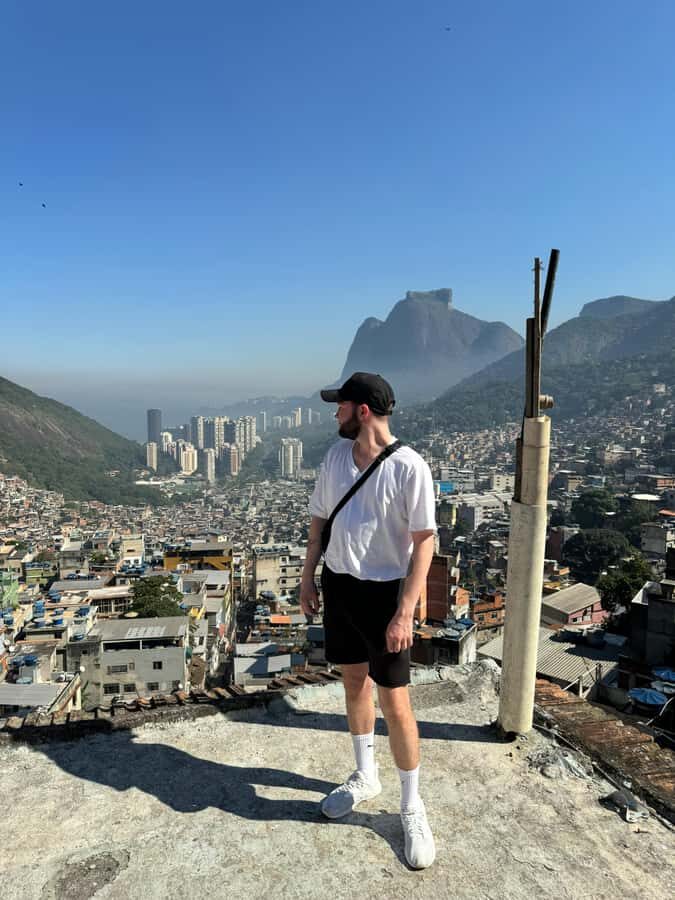
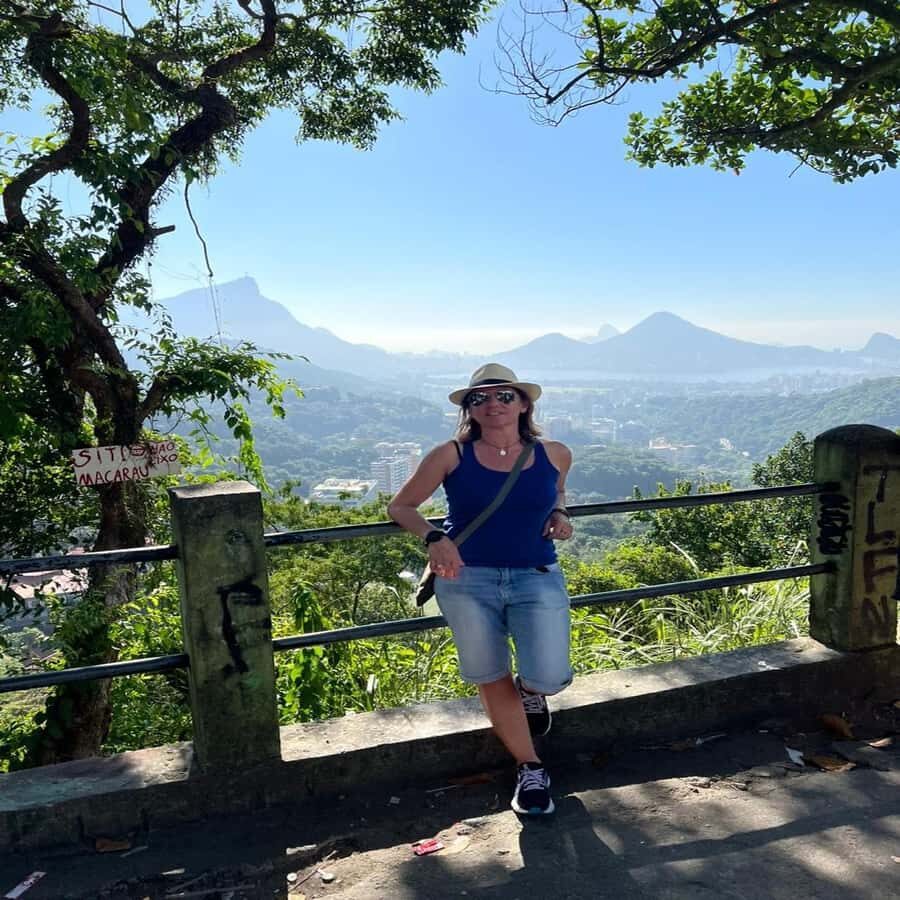
Rocinha has standout viewpoints, and you’ll get time to look out and take in Rio from the hills. These viewpoints aren’t just for photos; they help connect the geography to real life—where routes go, why sightlines matter, and how the neighborhood works in layers.
Then you’ll go after secret spots known only to locals. These are small-access experiences, not postcard stops. They can include places tied to the community’s daily rhythm or spots chosen for a specific viewpoint and story.
One practical thing: there’s a secret spots visitation fee of 10 reais that is not included. If you want to avoid any awkward moment, carry enough cash for both the moto segment and these extra accesses. It’s one of those “bring small bills and you’ll be fine” situations.
The other benefit of the secret-spot approach is that you spend less time doing the same quick photos every group does. Your route is designed to feel closer to real navigation than tourist checklisting.






Responsible Tourism That Actually Points Money Where It Matters
The tour is positioned as responsible tourism that benefits locals directly. In real terms, that usually shows up as visits to local businesses and community projects during the stops, so your presence isn’t extractive. Instead of taking stories and leaving nothing behind, you’re supporting the people who make the neighborhood what it is.
Your included access fee also matters. That favela access fee is part of making visits possible without freelancing your way into restricted areas. It’s one of the reasons this tour can be smaller and more controlled: you’re not wandering in like a curious tourist with no plan.
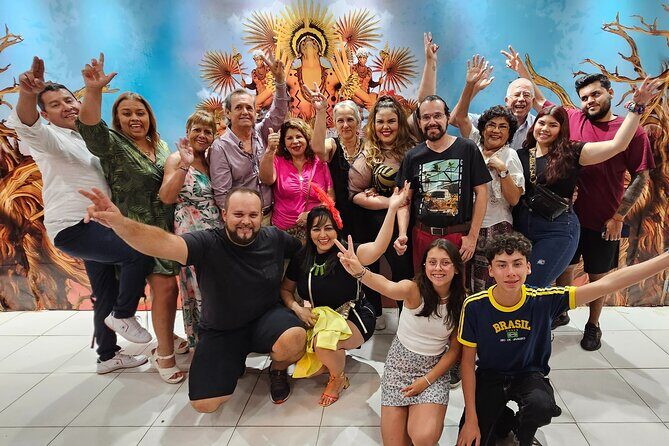
Another practical value: you get exclusive photos included. I like this because it often means someone is documenting the right angles and moments—without you constantly trying to manage your camera while also staying aware of the route and the group.
If you care about seeing how culture is lived, not just performed, this tour’s structure supports that. You’re not only collecting sights; you’re collecting understanding.
Safety, Respect, and the Advantage of a Max of 10
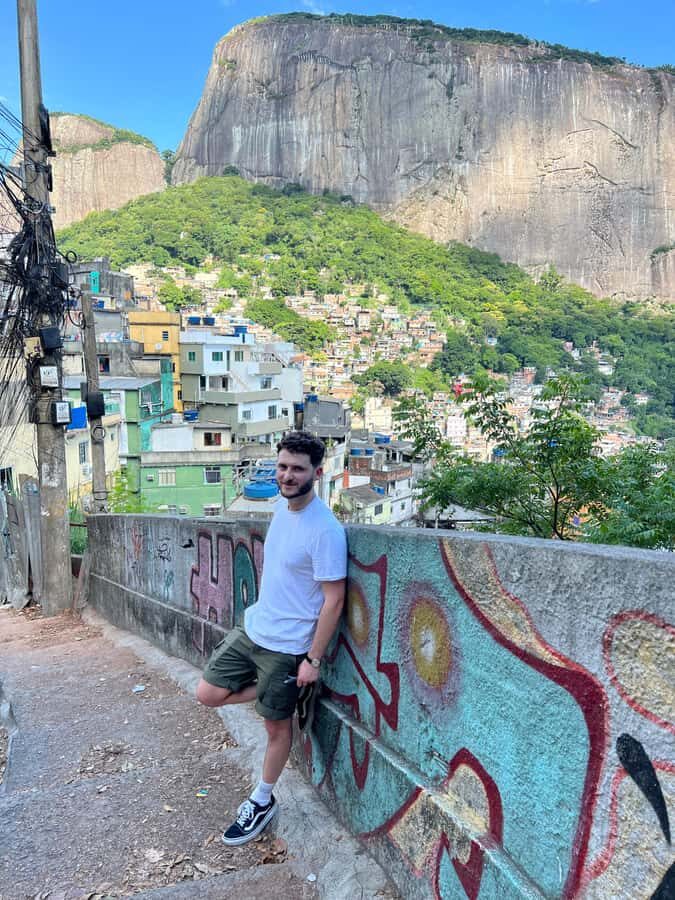
A favela tour is the kind of experience where you want more than bravado—you want organization. This one keeps group size tight: limited to 10 participants, and it’s guided by a local specialist.
Safety here is less about pretending there are no risks and more about doing the basics right: staying close, following instructions, and letting a local guide set the pace. Many guests describe feeling safe with guides who know the routes and how to respond to the street in real time.
You’ll also notice that the tone is usually practical and respectful. Guides like Gisele, Nicolas, Felipe, Malu, and Jade show up in the tour leadership here, and the consistent theme is clarity: what to expect next, how to act, and how to ask questions without turning people into props.
Small-group tours also reduce one big problem: awkward crowding in narrow areas. If you’ve ever tried to move through a tight street while a large group blocks the flow, you already know why “10 max” is a big deal.
Price and What Your $43 Actually Buys
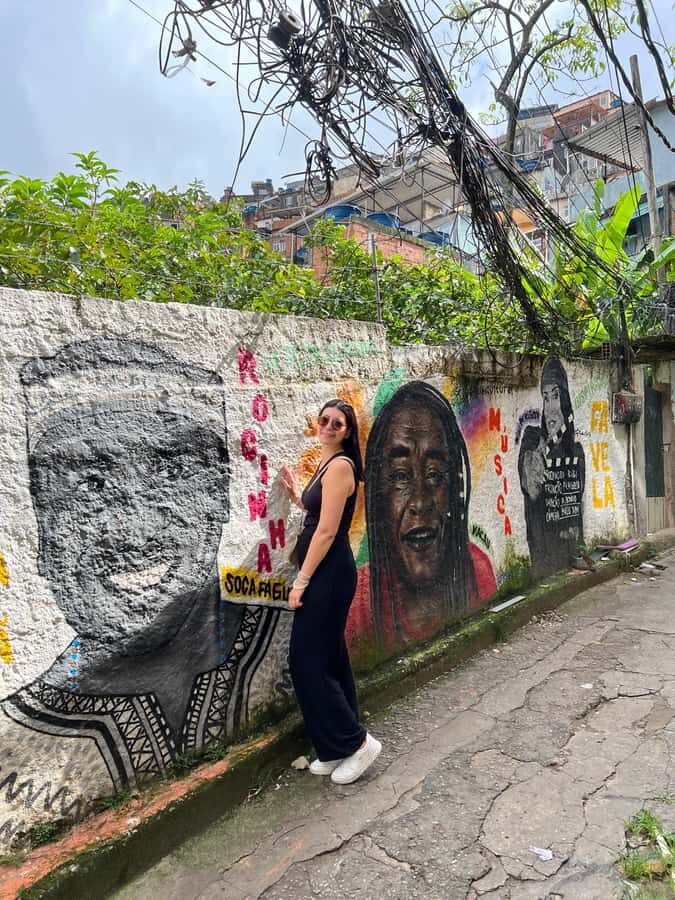
The advertised price is $43 per person for about 150 minutes total. That’s the part you should compare, but also the part you should decode.
What’s included:
- Local guide
- Favela access fee
- Exclusive photos
What’s not included:
- Moto taxi fee: 20 reais
- Secret spots visitation fee: 10 reais
So, is $43 good value? For many people, yes—because the included part covers the structure that makes the visit work. You’re paying for local navigation, cultural interpretation, and access logistics that you’d otherwise have to figure out yourself (and that can get messy fast).
To avoid surprises, think of your day as base price plus cash add-ons. In the real world, that often means carrying a bit more than you expect. If you only budget for $43 and show up with a card and nothing else, you’re likely to feel stressed during parts of the tour.
What to Wear, Bring, and Ask Your Guide
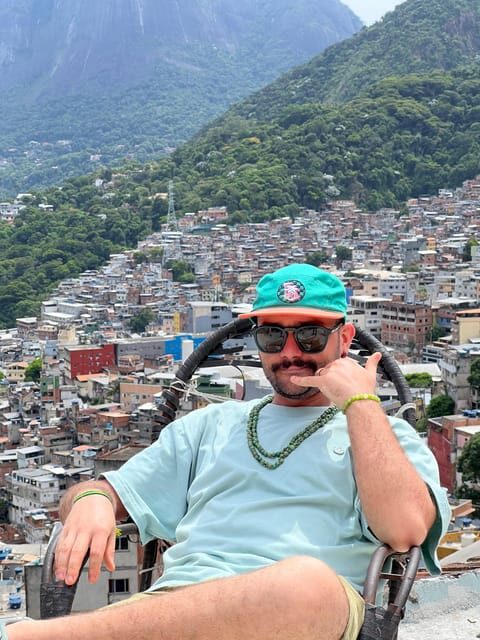
This is one of those tours where comfort directly affects enjoyment. You’ll be doing walking on uneven streets and climbing in a hilly area, so wear sportswear and sneakers. If weather looks questionable, bring rain gear.
You should bring cash. That’s explicitly recommended, and it matches the two extra-fee items. Also, consider having smaller bills ready. If you’re the type who likes to respond kindly when someone invites a small interaction, you’ll be glad you can do it easily.
Before the tour, send the required WhatsApp/SMS message so the guide can confirm your timing. And when you meet your guide, ask direct questions like:
- How long is the walk versus the ride time?
- What’s the biggest cultural moment during the capoeira and samba segment?
- Which secret spots are most worth slowing down for?
When you ask those things early, you’ll get better explanations and a more relaxed pace.
Who Should Book This Rocinha Tour (and Who Might Not)
This tour suits you if:
- You want a real local-guided look at Rocinha instead of a quick “see the sign, take the picture” stop.
- You enjoy culture you can understand, not just watch.
- You like walking and can handle a bit of uneven terrain.
- You care about responsible tourism and spending that supports the neighborhood.
You might want to think twice if:
- You’re uncomfortable with the idea of steep walking in a hilly community.
- You dislike situations where you need cash for small fees during the experience.
- You want a perfectly fixed, museum-style schedule with no street-level variability.
The nice thing is that the tour is short enough—about 150 minutes—that you can experience a meaningful slice without committing to a full day.
Should You Book the Rio Favela Rocinha Tour?
If you’re deciding between doing nothing or doing a structured favela experience, I’d lean toward booking this one—especially if you value a local guide, a small group size, capoeira/samba context, and secret spots over the most basic tourist route.
Book it if:
- You’re comfortable bringing cash and wearing sneakers.
- You want more than photos, and you’ll treat the community with respect.
- You like the idea of guided culture plus viewpoints plus street-level movement.
Skip it if you want a low-effort sightseeing day, or if you’re not prepared for extra cash fees once you’re there.
If you do book, do one thing that makes the experience smoother: send the WhatsApp/SMS the day before, show up at Exit A on time, and carry enough cash for the moto taxi and secret spots. That’s how you keep the day calm—and let the neighborhood do the talking.
FAQ
Where is the meeting point for the Favela Rocinha tour?
You meet at Metrô São Conrado / Rocinha (Saída A). Stand right in front of exit A to wait for the guide.
How long is the tour?
The tour duration is 150 minutes, with about 2 hours of guided time inside the favela.
What language options are available with the guide?
The live guide is available in English, Portuguese, and Spanish.
How big is the group?
This is a small group with a maximum of 10 participants.
What is included in the price?
Included are the local guide, exclusive photos, and the favela access fee.
What fees are not included?
The tour does not include the moto taxi fee (20 reais) and the secret spots visitation fee (10 reais).
What should I bring?
Bring cash. It’s also recommended to wear sportswear and sneakers, and rain gear if the weather is bad.
Is there a requirement to message the company before the tour?
Yes. You’re asked to send a text via WhatsApp or SMS the day before the tour.