REVIEW · RIO DE JANEIRO
Original Historic Coffee Farm Guided Tour with Transfer
Book on Viator →Operated by Rio Carioca Tour Ltda · Bookable on Viator
Coffee grows far from the city.
This historic coffee valley day trip takes you out of Rio for a small-group look at how Brazil’s coffee is produced, with a family-style farm tour that’s part process and part story. Along the way you’ll learn the history behind Brazil’s coffee boom, including the idea of the Coffee Rush, and you’ll get a real sense of how people farm the land.
I especially liked two things: the guided walk-through of coffee from growing to washing to roasting, and the chance to see a colonial-style farmhouse setting with antiques and personal history. One catch to keep in mind: it’s a long day with a 2-hour rural transfer each way, and the farm portion may be in Portuguese, so you’ll depend on the translation from your guide.
In This Review
- Key moments worth planning for
- Rio to the Coffee Valley: the real pace of a long transfer
- Two farms, one day: Fazenda da Taquara vs São Luiz da Boa Sorte
- Stop-by-stop: what you’ll do in Vassouras and Barra do Pirai
- Coffee Rush and Brazil’s coffee story you can actually repeat
- Inside the colonial farmhouse: antiques, family stories, and why it matters
- Transportation and timing: what to expect from an 8-hour day
- Language reality check: English guidance, Portuguese farm tours
- Price and value: is $220 a fair trade for the day?
- Who this coffee farm tour suits best (and who it won’t)
- Should you book this historic coffee farm tour?
- FAQ
- FAQ
- What time does the tour start and where is pickup?
- How long is the tour?
- How many people are in the group?
- Which coffee farm will we visit?
- How long do we spend at each farm stop?
- Are admission tickets included?
- Is food and drinks included?
- What happens if the tour can’t run due to weather or too few travelers?
- Can I get a refund if I cancel?
Key moments worth planning for
- Small group size (max 19 in a minivan) keeps the day from feeling chaotic.
- Two coffee-farm options are used depending on what’s available: Fazenda da Taquara or Fazenda São Luiz da Boa Sorte.
- Two major valley stops (Vassouras and Barra do Pirai) with about 2 hours at each farm stop.
- Free admission tickets at the farm stops, with your time focused on the guided experience.
- Long transfers from Copacabana (about 2 hours to the farm) mean you’ll want to treat this as a full outing, not a quick detour.
- Food isn’t included in the tour price, though the farm visit can include an on-site meal depending on how that day runs.
Rio to the Coffee Valley: the real pace of a long transfer
This tour is built on one simple fact: the coffee farms sit outside the city. From Rio’s Copacabana area, you’re looking at roughly a 2-hour drive to reach the valley, then another long ride back. That’s not a “wasted transfer” if you’re into the day-trip rhythm, but it is the main reason the whole experience stretches to about 8 hours.
I like that the organizer is upfront that pickup timing can shift based on farm schedules. In practice, that means you should expect your morning pick-up time to be confirmed closer to departure and to stay flexible if something changes at the farm.
If you’re the type who hates waiting, bring a book, charge your phone, and plan a slow morning. If you like the payoff of actually getting out to the countryside, this schedule fits well.
You can also read our reviews of more guided tours in Rio de Janeiro

Two farms, one day: Fazenda da Taquara vs São Luiz da Boa Sorte
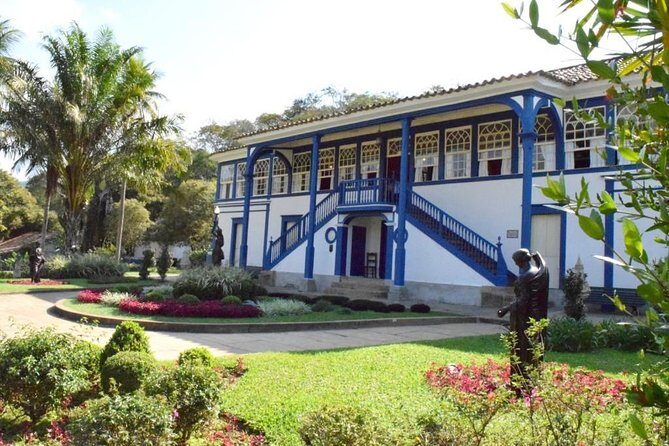
You don’t just get a generic “coffee farm” photo op. The provider visits one of two famous farms in the valley: Fazenda da Taquara or Fazenda São Luiz da Boa Sorte. The exact choice depends on factors like climate and availability, so it can vary by day.
Here’s the smart move for planning: if you care about which specific farm you’ll see, contact in advance and ask which one is scheduled. That’s especially helpful if you want the best match for your interests, like farmhouse details or the way the production story is explained.
What stays consistent is the overall structure: you’re guided through the farm and its historical setting, not just taken to stand in a field. In the better moments of the day, you feel like you’re entering someone’s working world and learning why their practices matter.
Stop-by-stop: what you’ll do in Vassouras and Barra do Pirai
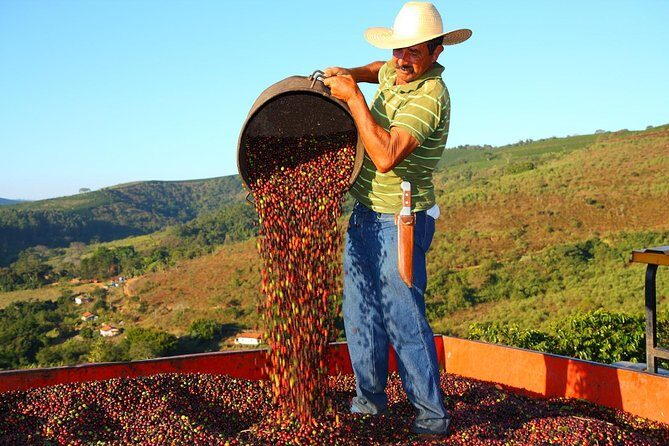
Your day is organized around two valley stops. You spend about 2 hours at Stop 1 in Vassouras, then about 2 hours again at Stop 2 in Barra do Pirai. Admission tickets at these farm visits are included, so you’re not left figuring out entry fees on the ground.
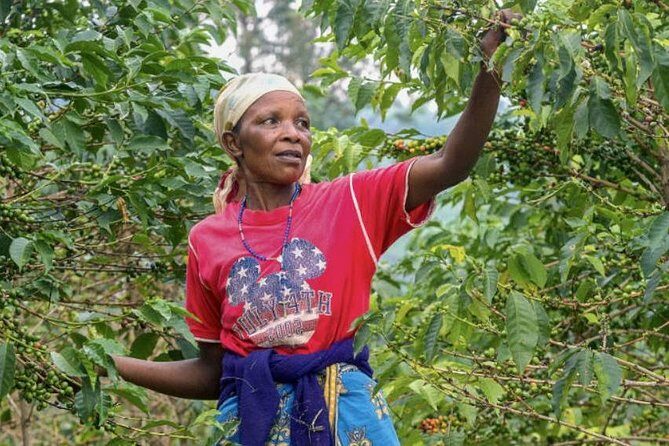
The bigger question for you is what those 2 hours actually feel like. Based on the experience style, expect a guided presentation and walk-through where the farm explains the path from coffee plants to the finished product. That can include practical steps like growing and caring for coffee, washing, and the roasting process.
At the same time, keep your expectations realistic. Two hours at a farm is enough time to learn a lot, but it’s still a working property with its own schedule. If you show up ready to watch, ask, and listen, you’ll get more out of the time you have.
One more thing: the farms are rural. That makes the day more authentic, but it also means you’ll want to time your water, bathroom breaks, and comfort needs. If you want a specific stop along the way, communicate clearly with your guide.
Coffee Rush and Brazil’s coffee story you can actually repeat
A lot of tours mention coffee history, then move on. This one is more focused on the story behind how coffee shaped the region and Brazil. You’ll learn the “Coffee Rush” concept and what coffee meant historically, not just that coffee exists.
In the best versions of the tour, the guide connects coffee production to larger historical context—things like plantation life and slavery’s role in that era. It’s not just dates and names. You’ll leave with a clearer picture of why coffee farming became a system, how it evolved, and how production methods reflect generations of work.
I also like that your guide may be an active translator and interpreter for the farm family. For example, guides such as Wagner and Monica have led tours where the farm tour is in Portuguese and the guide translates the full story into English.
If you’re traveling with non-Portuguese speakers, this is a key point. The farm owner or family member might not speak English, so your English-speaking guide becomes the bridge. That can still work well—just plan to listen closely and don’t expect every sentence to come through perfectly.
Inside the colonial farmhouse: antiques, family stories, and why it matters
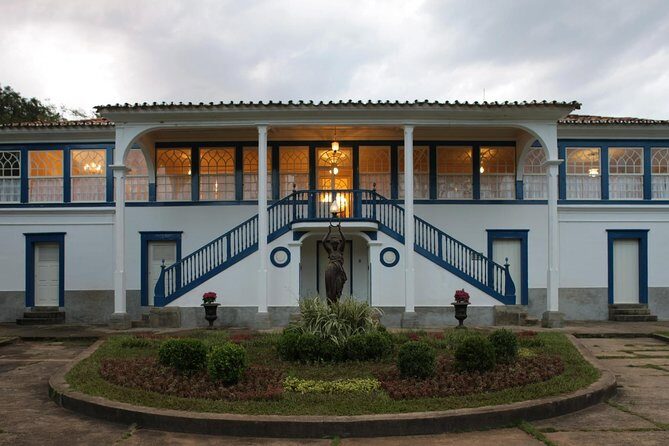
One reason I’d choose this type of coffee tour over a quick driving stop is the farmhouse visit. After the farm production portion, you’ll also explore the historic farmhouse grounds and the house itself, often described as colonial-style with antiques and old-room details.
When it works best, you get more than architecture. You get a family narrative: how the farm was built, how people lived there, and how coffee farming tied into daily life. That personal storytelling is what makes the visit feel different from a museum or a factory tour.
A common highlight is the way the family members welcome the group and explain the process in a hands-on, lived-in way. You’re not just watching. You’re hearing the story of how the place functions and what they care about in their product.
This is also where the tour can feel emotionally heavier for some people, depending on what the guide chooses to address about plantation history. That’s not bad—it’s part of Brazil’s coffee story—but you should know it’s not purely cheerful.
You can also read our reviews of more historical tours in Rio de Janeiro






Transportation and timing: what to expect from an 8-hour day
This is a shared tour with pickup and drop-off at Rio Othon Palace in Copacabana. The activity starts at 8:00 am, but pickup timing is subject to availability and depends on the coffee farm schedule. That’s a normal reality for rural farms, but it matters for your day planning.
The vehicle is an air-conditioned minivan, with a maximum of 19 travelers. Some days you might feel like a large group; other days it’s more relaxed. Either way, it’s not a private transfer, so you’ll be working around other people’s hotel logistics.
Here’s the practical advice I’d give you: plan your morning buffer. If you have a later reservation in Rio, schedule it with extra time. This tour is built around farm timing, not city clock timing.
Also, be ready for long stretches without a bathroom stop during the drives. One review specifically criticized the lack of breaks during the outbound and return legs, so if that’s a deal-breaker for you, bring it up early with your guide and try to plan around the farm stops where you’ll have more opportunity.
Language reality check: English guidance, Portuguese farm tours
If you don’t speak Portuguese, don’t panic. The tour is set up with a driver/guide who handles the translation for the group. Multiple guides have been specifically praised for translating in detail, including Wagner and Monica.
But here’s the realistic part: the farm owner or family member giving the farm portion may speak Portuguese only. That means your guide may have to translate everything, potentially for long stretches. On the best days, you still get a strong experience. On a tough day, it can feel like you’re catching fragments while the guide catches up.
My recommendation: come with curiosity rather than strict expectations. Ask questions if you can, keep your ears open, and remember this is a working farm family explaining their world in their language first.
If you want to maximize your understanding, download a few basic Portuguese words about coffee (even simple ones). It won’t turn you fluent, but it helps you recognize topics as they come up.
Price and value: is $220 a fair trade for the day?
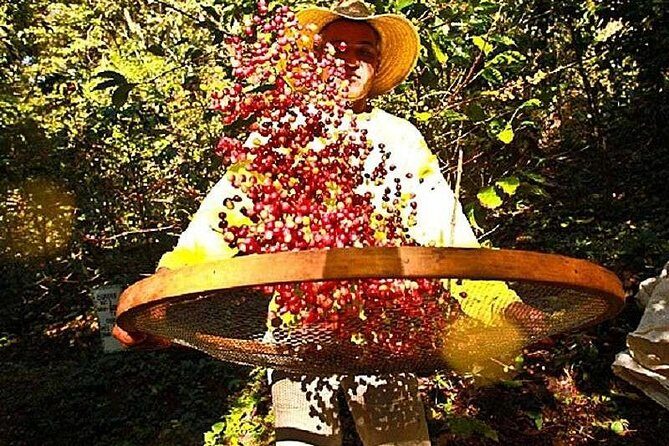
At $220 per person for roughly 8 hours, the value is mostly about what’s included. You’re paying for a guided day trip with hotel/port pickup and drop-off and air-conditioned transportation, plus admission tickets for the farm stops.
What’s not included is food and drinks. Still, the farm visit can involve an on-site lunch experience depending on how that day runs. Since the official info says food isn’t included, you should budget that extra cost or plan to purchase it if needed.
So how do you judge the price? I’d use this checklist:
- You’re excited to learn how coffee is produced, not just see coffee.
- You want history explained by real people, including plantation-era context.
- You don’t mind a long drive for a countryside day.
If you’re looking for a quick overview and you’re mostly chasing a scenic morning, the time and cost may feel heavy. If you want the story and the farm tour, the day has enough substance to justify it.
Who this coffee farm tour suits best (and who it won’t)
This tour is a great fit if you’re traveling with a friend or small group who wants a practical, grounded experience. The small-group size (up to 19) plus the structured farm time makes it easier to ask questions than a huge bus tour.
It’s also a good choice if you care about history and you like seeing how a product is made—from the field to washing to roasting. The farmhouse component with antiques and family storytelling adds extra depth.
You might want to skip it if:
- You can’t handle long transfers outside Rio.
- You need frequent bathroom breaks during driving time.
- You expect everyone at the farm to speak fluent English the entire day.
Should you book this historic coffee farm tour?
Yes, if you want an honest coffee-focused day out of Rio: guided production learning, a historic farmhouse setting, and the kind of family storytelling that makes the region’s coffee culture feel real. Book it especially if translation support matters and you’re open to Portuguese narration by the farm family with your guide doing the interpretation.
Hold off if you’re extremely timing-sensitive or you’re expecting a short, easy outing. This is an all-day rural experience, and the payoff depends on enjoying that pace.
FAQ
FAQ
What time does the tour start and where is pickup?
Pickup starts from Rio Othon Palace – Copacabana, Rio de Janeiro, with an activity start time listed at 8:00 am. Pickup time can vary based on the coffee farm schedule.
How long is the tour?
The tour runs about 8 hours (approx.).
How many people are in the group?
The group is capped at a maximum of 19 travelers per minivan.
Which coffee farm will we visit?
You’ll visit one of two famous farms in the Coffee Valley: Fazenda da Taquara or Fazenda São Luiz da Boa Sorte. The choice depends on factors like availability and climate, so you can contact in advance to confirm which one is planned.
How long do we spend at each farm stop?
You’ll visit Vassouras and Barra do Pirai, with about 2 hours at each stop.
Are admission tickets included?
Yes. Admission tickets for the farm stops are listed as free/included.
Is food and drinks included?
No. Food and drinks are not included in the tour price.
What happens if the tour can’t run due to weather or too few travelers?
The experience requires good weather. If it’s canceled due to poor weather, you’ll be offered a different date or a full refund. It also requires a minimum number of travelers; if that minimum isn’t met, you’ll be offered a different date/experience or a full refund.
Can I get a refund if I cancel?
Yes. Free cancellation is available up to 24 hours in advance for a full refund. If you cancel less than 24 hours before the start time, the amount you paid will not be refunded.