REVIEW · RIO DE JANEIRO
Visit Indigenous Native Guarani Village in Marica
Book on Viator →Operated by Spiritual Travel in Rio · Bookable on Viator
Culture lands differently than you expect.
This half-day drive-and-visit is built around meeting a Tupi Guarani community, not just snapping photos, and the highlight is the welcome from cacique Darcy Tupa at Aldeia da Mata Verde Bonita. I love that the schedule gives real time on site (about 3 hours), so you’re not rushed through the human part of the experience. The main consideration is that the beach stops are short and mainly for pickup/drop-off and quick stretching, so this is not a long beach lounge day.
I also like that the tour uses English support through Claudia, which matters when you’re trying to understand the stories and cultural context without guessing. The pace can feel like a real day trip: you’re spending time in transit between Rio’s coastal neighborhoods and the village outside the city, so if you hate car time, you’ll want to plan for it. Finally, it runs only when weather cooperates, since the experience requires good conditions.
In This Review
- Key things to know before you go
- What You’re Really Doing in Maricá’s Guarani Village
- Price and What You’re Paying For ($333.25)
- Getting There: Copacabana Meeting Point and the Pickup Route
- Barra da Tijuca Beach Stop: Quick Break and Photo Chance
- The 1.5-Hour Road Trip to Aldeia da Mata Verde Bonita
- Meeting Cacique Darcy Tupa and Understanding Village Life
- Music and Community Moments (What to Expect in Practice)
- Copacabana Beach Stop: Returning to the City Rhythm
- Who Should Book This Guarani Culture Visit
- Small Group Size and English Support Make It Easier to Follow
- Practical Tips for a Smoother 6 Hours
- Should You Book This Tour?
- FAQ
- What is the duration of the tour?
- What time does the tour start?
- Where is the meeting point?
- Is pickup included, and how does it work?
- How long do you stay at the village?
- Is the tour offered in English?
- What is the cancellation and weather policy?
Key things to know before you go
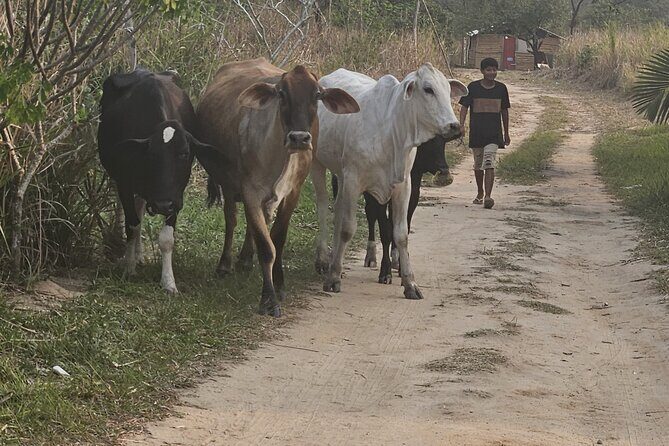
- Chief welcome in the village setting: You’re greeted by cacique Darcy Tupa and introduced to village life directly on site.
- Three hours where it matters: The visit time is long enough to settle in, ask questions, and slow down.
- English support is part of the plan: The tour offers English, and the translator role is specifically praised.
- A 64 km ride to Maricá: The drive is about 1.5 hours to reach Aldeia da Mata Verde Bonita.
- Small group size (up to 14): You’ll have an easier time hearing explanations and connecting with your guide.
What You’re Really Doing in Maricá’s Guarani Village
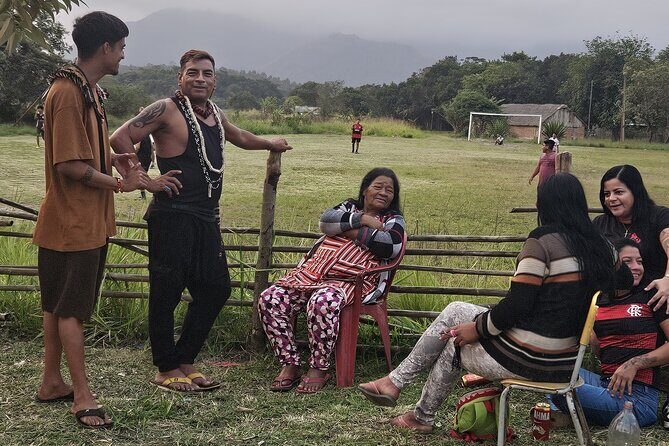
The heart of this tour is simple: you travel from the beaches of Rio to Aldeia da Mata Verde Bonita, a Tupi-Guarani village linked to Maricá. The visit is structured to help you understand the community through an on-the-ground welcome, explanations of daily life, and time to walk around and take in what you’re seeing.
What I like about this format is that it treats culture as something you can meet, not something you just read about. When you’re shown artifacts and told stories in person, you get context for what you’re looking at—why objects exist, how traditions are practiced, and how community life flows.
A practical note: because this is a village visit, the tone is calmer than a typical city sightseeing day. Your best experience comes when you go in with patience, curiosity, and respect.
You can also read our reviews of more tours and experiences in Rio de Janeiro.



Price and What You’re Paying For ($333.25)
At $333.25 per person for around 6 hours, this is not a budget activity. But it’s not priced like a generic bus tour either. You’re paying for transport out of Rio, a dedicated group size capped at 14, English-language support, and admission to the village included in the experience.
There’s also a meaningful difference between spending money on a beach stop versus funding time with a community. Here, the “paid portion” isn’t just the ride; it’s the guided introduction and the time on site (three hours). Beach stops along the way have free admission, so most of your cost is tied to reaching the village and making that visit possible in a structured way.
If you care most about getting local stories with enough time to absorb them, the price can feel fair. If you’re mainly chasing sun, it might feel steep for a day with short beach windows.
Getting There: Copacabana Meeting Point and the Pickup Route

The tour starts at 12:00 pm with the meeting point at Copacabana Palace, A Belmond Hotel, Av. Atlântica, 1702, Copacabana. Pickup is offered, and the route is designed to grab people across several coastal neighborhoods.
Plan on a small delay because pickups depend on traffic. In other words, don’t treat your watch like a metronome. This matters because the day runs as a tight sequence of pickup, beach stops for additional boarding, then the long drive out toward Maricá.
Once you leave Rio’s central beach strip, you’ll cover the distance by road. The transfer to the village is about 64 km, taking roughly 1 hour 30 minutes to arrive. That’s a big reason this is a whole experience day in practice, even though the core village time is “only” three hours.
Barra da Tijuca Beach Stop: Quick Break and Photo Chance
The first stop is Barra da Tijuca Beach, and it’s scheduled for about 35 minutes. This part of the day is partly about logistics: you’ll begin pickups from Barra da Tijuca, pass by São Conrado and Leblon, and then continue to pick up more people around Ipanema and Copacabana before the main departure.
What you’ll get here is a short stretch of time with the ocean nearby, which can be nice if you want to reset your energy before the drive. But it’s not the main attraction. If you expect a full beach afternoon, you’ll likely feel a bit impatient waiting for the real highlight.
Use this window practically: take quick photos, use the time to get comfortable for the drive, and mentally switch gears to the cultural visit ahead.
The 1.5-Hour Road Trip to Aldeia da Mata Verde Bonita
The journey from Rio toward Maricá is a key part of how the day changes. You’re moving from the busy coastal urban rhythm into a different pace, and that time in transit is what gives you that “we’re going somewhere real” feeling.
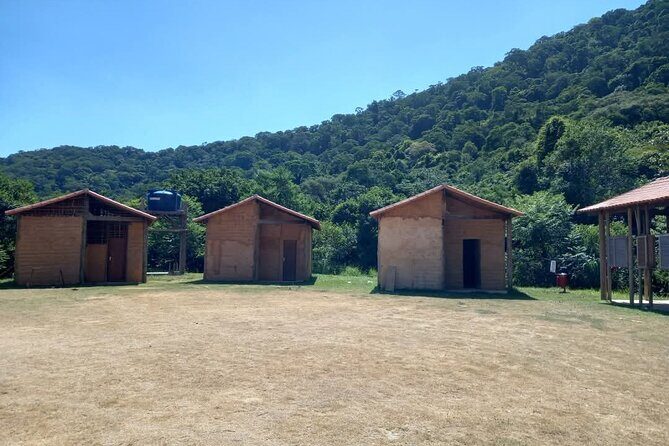
You’ll drive about 64 km for roughly 1 hour 30 minutes to reach the village called Aldeia da Mata Verde Bonita in the Tupi Guarani area. On a practical level, this is where you’ll want to be ready for road time: comfortable clothing helps, and a calm mindset helps even more.
This is also where the small group format can be a plus. With up to 14 people, you’re more likely to hear explanations clearly from your guide when the route or context gets discussed.





Meeting Cacique Darcy Tupa and Understanding Village Life

Once you arrive, you’re greeted by the chief cacique Darcy Tupa. That welcome sets the tone for the visit: this isn’t just a tour of houses and objects; it’s a guided introduction to community life with a direct connection to leadership.
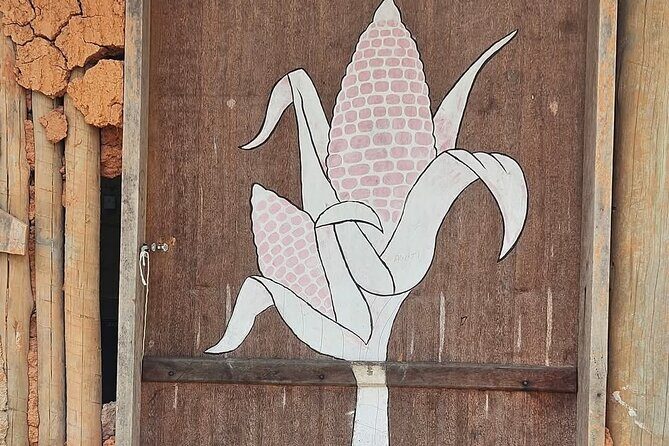
In the time on site (about 3 hours), you’ll be shown local artifacts made by community members and you’ll hear stories about their way of life. This is the most valuable part of the day because it turns your attention from “what things look like” to “why these things exist and how they connect to identity.”
One thing I pay attention to on cultural visits is whether the time feels generous enough for questions. Here, the three-hour window is the reason you can actually stay present. You’re not sprinting from stop to stop, and you’re more likely to notice details you’d otherwise miss.
Music and Community Moments (What to Expect in Practice)
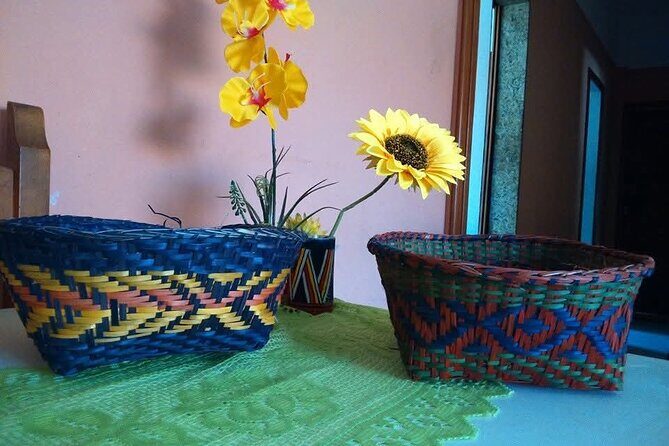
Some versions of this experience include community music and a shared celebration. In particular, people describe enjoying music with local musicians and composers, and even participating in a community party during the visit. If that happens on your date, it’s a great sign: it means your visit is not just a staged explanation, it’s also woven into real community moments.
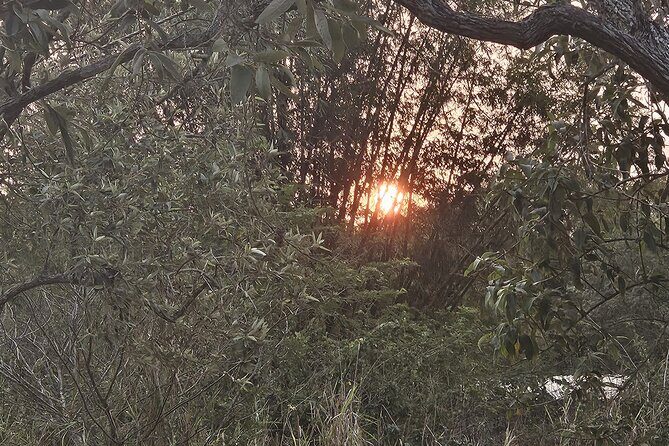
Even without that extra layer, the overall vibe you should expect is calmer and more personal than a museum visit. One description highlights a peaceful river area nearby, which helps explain why the setting can feel reflective rather than hectic.
The best way to handle this part is simple: be open, be respectful, and let the pace be slower than your normal travel schedule.
Copacabana Beach Stop: Returning to the City Rhythm
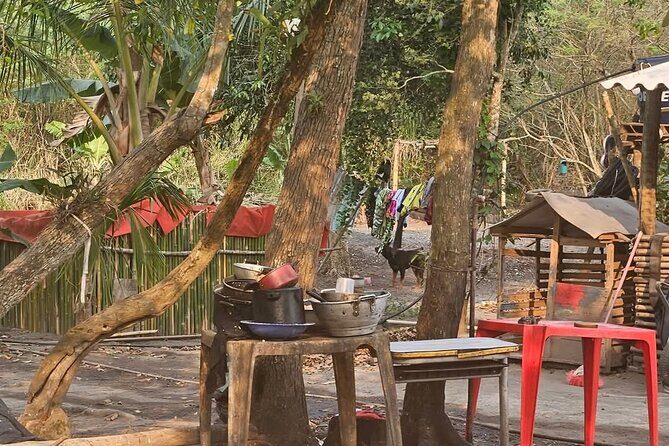
After the village visit, the tour returns back toward Rio and includes another Copacabana Beach stop. It runs for about 35 minutes, but it’s mainly for dropping off people and then continuing through the same coastal route for additional drop-offs in Ipanema, Leblon, and back toward Barra da Tijuca.
When you reach the end, the tour finishes back at the meeting point. The important takeaway here is timing: you’ll likely have a shorter buffer for plans afterward, because the day is built to move you back into the city flow.
If you want to squeeze in dinner or an evening walk, plan for a low-stress plan close to Copacabana so you’re not rushing right after a long drive.
Who Should Book This Guarani Culture Visit
This tour is a strong fit if you want something beyond standard city sightseeing. It works especially well for you if:
- You like cultural experiences where you meet people and hear stories directly
- You prefer smaller groups for better listening and easier interaction
- You value time on site (three hours) more than a packed schedule
It’s less ideal if:
- You want a long, uninterrupted beach day
- You dislike car time or you get cranky with pickups and traffic-related delays
- You’re expecting a quick photo stop with no real context
If you’re traveling with a mindset of learning and respect, this feels like the kind of day that leaves you thinking—not just taking pictures.
Small Group Size and English Support Make It Easier to Follow
With a maximum of 14 travelers, the tour has room for real back-and-forth instead of loud, scattered group dynamics. That matters when someone is translating cultural stories: it’s easier to hear, easier to ask, and easier to stay connected to what’s being explained.
English support is part of the experience, and the translator Claudia is specifically praised for being friendly and clear. If you’re not fluent in Portuguese, this is the kind of arrangement that makes a village visit more understandable and more meaningful.
You’ll also get a mobile ticket, and you should receive confirmation at booking time. Service animals are allowed, and the meeting point is in an area that’s near public transportation.
Practical Tips for a Smoother 6 Hours
Here are a few things that help you enjoy the day instead of managing it.
- Wear comfortable shoes. You’ll have a few hours on your feet in the village environment.
- Bring a light layer. Coastal weather can shift, and you’ll be moving between open beach areas and the village setting.
- Keep your camera ready, but stay present too. The artifacts and stories land better when you’re not filming every second.
- Ask questions when you get a moment. Three hours gives space for real curiosity.
Also, remember this is a day that depends on good weather. If conditions aren’t right, you’ll be offered a different date or a full refund.
Should You Book This Tour?
If your idea of a good Rio day isn’t just beaches and views, I think this is worth booking. You’re paying for a real village visit with time to understand what you’re seeing, plus leadership welcome from cacique Darcy Tupa and strong English support through Claudia.
Don’t book it if you mainly want beach time, because the ocean stops are short and the day is built around transport and cultural interaction. But if you want a respectful, small-group experience that gives you context—and time to absorb it—this one fits nicely.
FAQ
What is the duration of the tour?
The tour lasts about 6 hours.
What time does the tour start?
The start time is 12:00 pm.
Where is the meeting point?
The meeting point is Copacabana Palace, A Belmond Hotel, Av. Atlântica, 1702 – Copacabana, Rio de Janeiro.
Is pickup included, and how does it work?
Pickup is offered. You’ll be collected from Barra da Tijuca and along the route that includes São Conrado, Leblon, Ipanema, and Copacabana, with a small delay possible due to traffic.
How long do you stay at the village?
You stay for about 3 hours at Aldeia da Mata Verde Bonita.
Is the tour offered in English?
Yes, the tour is offered in English.
What is the cancellation and weather policy?
You can cancel for free up to 24 hours in advance for a full refund. The experience requires good weather, and if it’s canceled due to poor weather, you’ll be offered a different date or a full refund.