REVIEW · RIO DE JANEIRO
Favela Santa Marta: Walking Tour with local guide
Book on GetYourGuide →Operated by Tour by Foot · Bookable on GetYourGuide
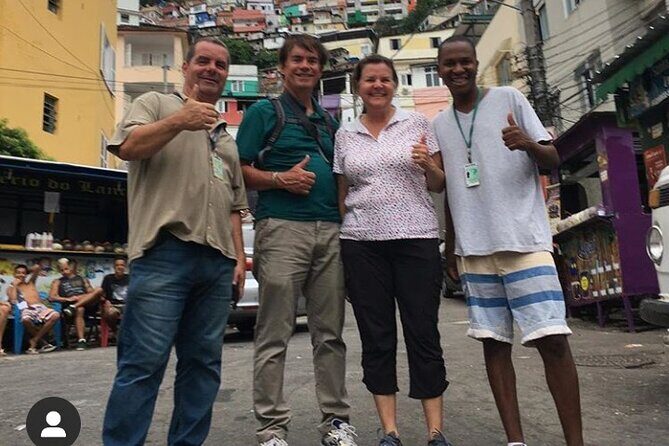
A favela tour can change how you see Rio. This one is built around Dona Marta and real community life, not stereotypes. You’ll take a funicular up first, then spend about 150 minutes walking, learning, and checking out the places locals use every day.
What I like most is the access: you’re guided by a local resident and you visit community spaces like the arts center and sports center. I also like the stop at Laje do Michael Jackson—it’s a recognizable pop-culture moment, but the guide uses it to talk about place, memory, and the view across the mountains.
One thing to consider: the experience depends on how the day runs. The Santa Marta Cable Car may be closed, and if that happens you’ll either walk with your guide or take a taxi (about R$ 15). Also, if you choose a specific language, make sure your guide assigned truly speaks it well.
In This Review
- Key highlights that make this tour worth your time
- What this Dona Marta walking tour really is (and isn’t)
- The route start: cable car or walk up with your guide
- Walking Dona Marta streets: houses, murals, and daily life
- Dona Marta Arts Center: seeing creativity as a local tool
- Sports center visit: why movement and youth programs show up
- Laje do Michael Jackson viewpoint: pop culture with a purpose
- Community daycare, residents association, and social projects
- Price and value: what $34 covers on a real community tour
- Language matters: English, French, Spanish, Portuguese
- What’s included versus what you’ll need to pay
- Timing, group style, and meeting point realities
- Weather and shoes: how to be comfortable on the ground
- Who should book this tour—and who should skip it
- Small issues to watch for (so your day stays smooth)
- Should you book Favela Santa Marta with a local guide?
- FAQ
- How long is the Favela Santa Marta walking tour?
- How much does it cost?
- Which languages are available?
- Is food included?
- What should I bring?
- What happens if the cable car isn’t operating?
- Is the tour suitable for people with mobility impairments?
Key highlights that make this tour worth your time
- Local resident guide who can explain daily life in Dona Marta from the inside
- Funicular start to reach the high part of the favela quickly
- Arts + sports center visits so you see projects beyond murals
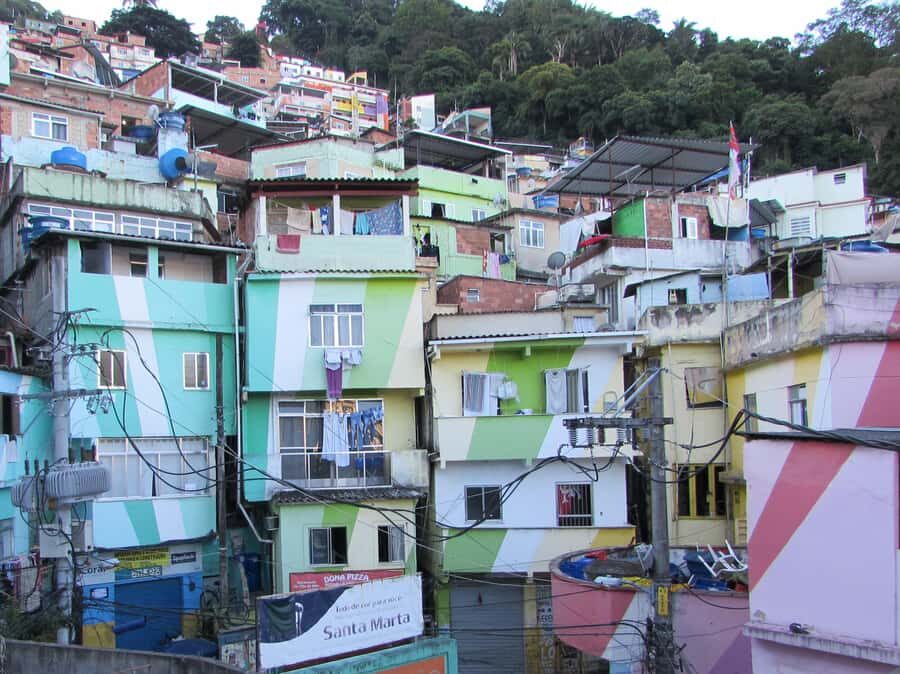
- Street art and traditional houses along the walking route
- Laje do Michael Jackson viewpoint tied to They Don’t Care About Us
- Community daycare (when open) plus residents association and social projects
What this Dona Marta walking tour really is (and isn’t)
This is a short, focused walking tour of Santa Marta / Dona Marta, built for people who want context fast. The format is practical: a ride up, then a guided walk through streets where you’ll see both creativity and community infrastructure.
It is not a quick “photo stop” tour. The best moments come when your guide points out what you’re seeing—why educational projects exist, what the arts center does, and how the sports center fits into neighborhood life. If you come with open eyes (and comfortable shoes), the whole route makes more sense.
You also get a taste of how the neighborhood is organized socially. The tour includes a visit to the Residents’ Association and social projects, which turns the walk from scenery into a story about people helping people.
You can also read our reviews of more walking tours in Rio De Janeiro



The route start: cable car or walk up with your guide
The tour begins with a ride by funicular to the highest part of the favela. That matters because it sets the tone: you’re not starting on flat ground and slowly fading into the background. You start where the neighborhood spreads out, then you move through it step by step.
Then comes the walking segment. You’ll hear about the history of the colorful houses and learn that Dona Marta is home to about 8,000 residents. The goal is to swap what you think you know for what you can actually observe—schools and community programs tend to land harder than any brochure description.
If the Santa Marta Cable Car isn’t operating, you’ll still go. Your guide will either accompany you up on foot or you can take a taxi (about R$ 15). That’s a real logistics point: plan for this tour to feel more active on those days.
Walking Dona Marta streets: houses, murals, and daily life
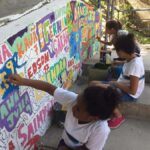
Once you’re up, you’ll walk through streets with colorful houses and street art murals. This is where stereotypes can get dismantled fast. The tour is designed to show what the neighborhood is doing—not just how it looks.
A big reason this works is the pacing. You don’t rush past each section. Your guide links the visuals to community projects and what they’re trying to accomplish. You’ll also see traditional-style homes mixed into the creative street-art environment, which helps you understand the area as a living place rather than a single “type” of scene.
The walking route gives you several chances to pause, look closer, and ask questions. If you’re the type who likes to understand how cities function, you’ll get more out of this than pure sightseeing.
Dona Marta Arts Center: seeing creativity as a local tool
One of the featured stops is the Dona Marta arts center. This is important because it shifts the tour from watching wall art to understanding why art exists here in the first place.
On this tour, the arts center isn’t presented as a souvenir factory. It’s tied into educational projects and community life. That’s the kind of context that makes murals and colorful houses feel less like a gimmick and more like part of how people express identity and build opportunities.
If you care about cultural programs and how communities sustain them, this stop is one of the best “why it matters” moments on the walk.
Sports center visit: why movement and youth programs show up
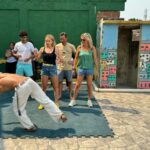
You’ll also visit the favela’s sports center. This is another reality check stop. Sports programs are often a place where kids and teens gather, learn discipline, and stay connected to positive routines.
In a tour like this, the sports center works because it complements the arts center. Together, they show that creativity and physical activity are both treated as community priorities.
Even if sports aren’t your main interest, look at how the space is used. That’s where the tour becomes more than sightseeing: you see how locals create structure and community support.
You can also read our reviews of more guided tours in Rio De Janeiro


Laje do Michael Jackson viewpoint: pop culture with a purpose
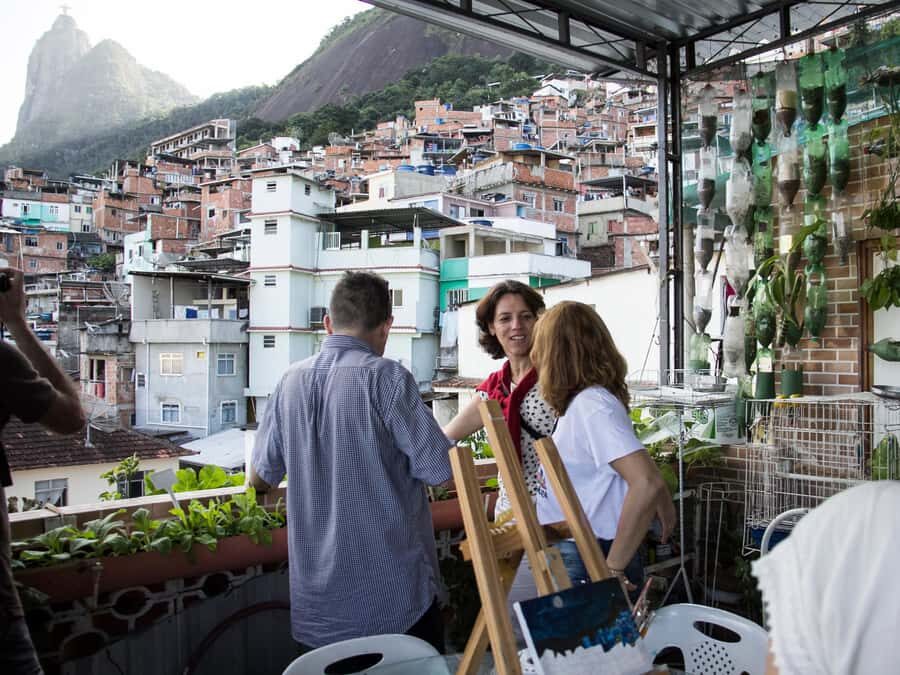
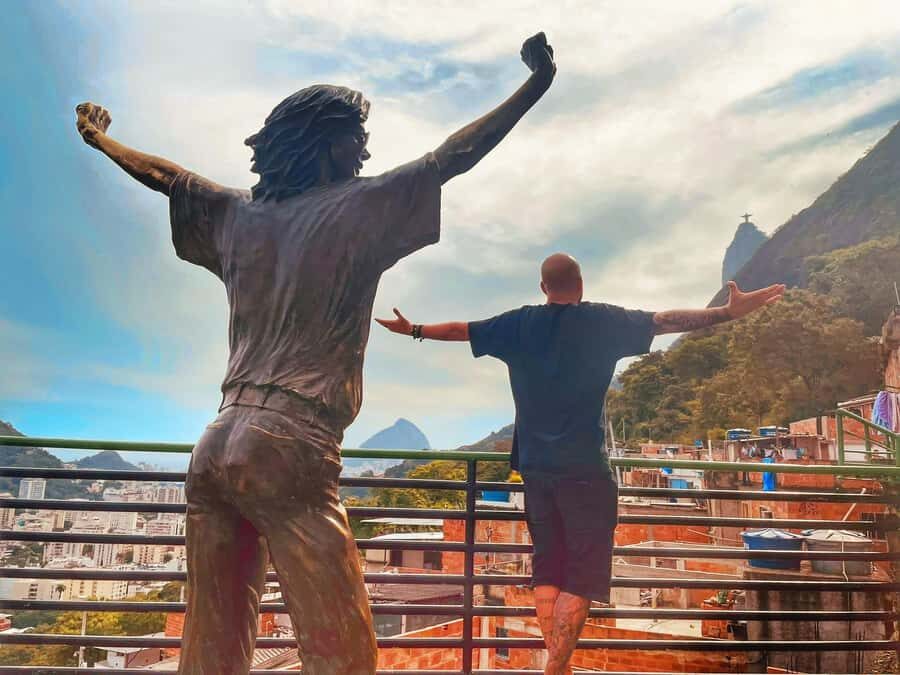
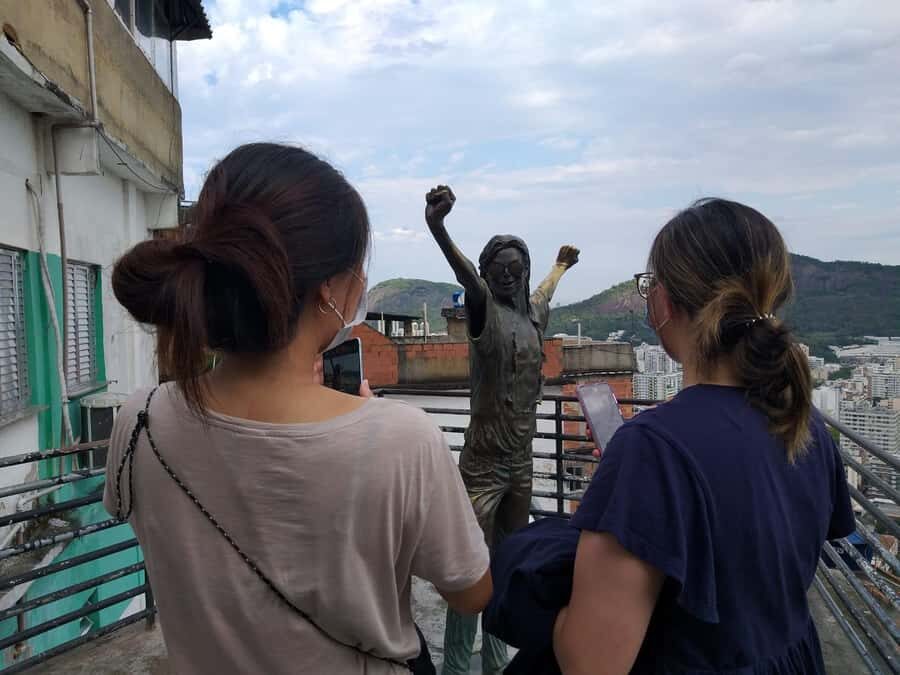
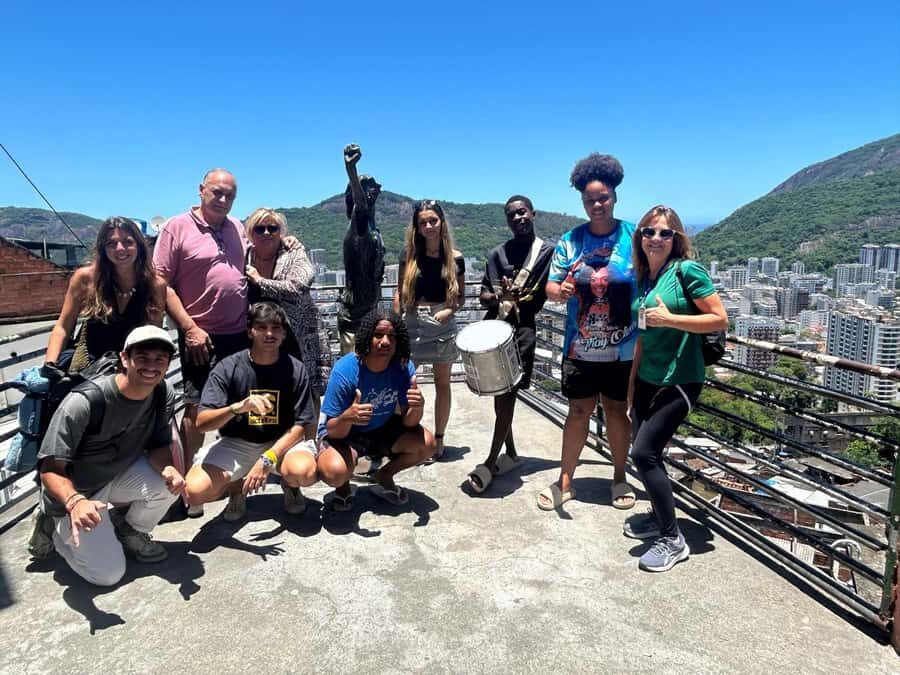
Then you reach the Laje do Michael Jackson viewpoint. Yes, it’s tied to a famous statue of Michael Jackson, connected to the setting for the music video They Don’t Care About Us.
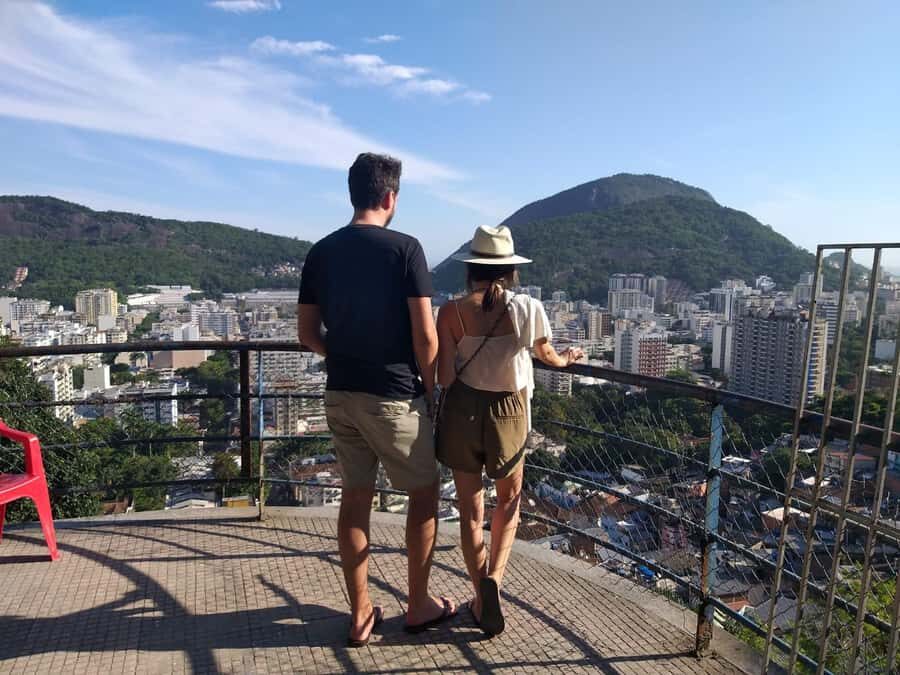
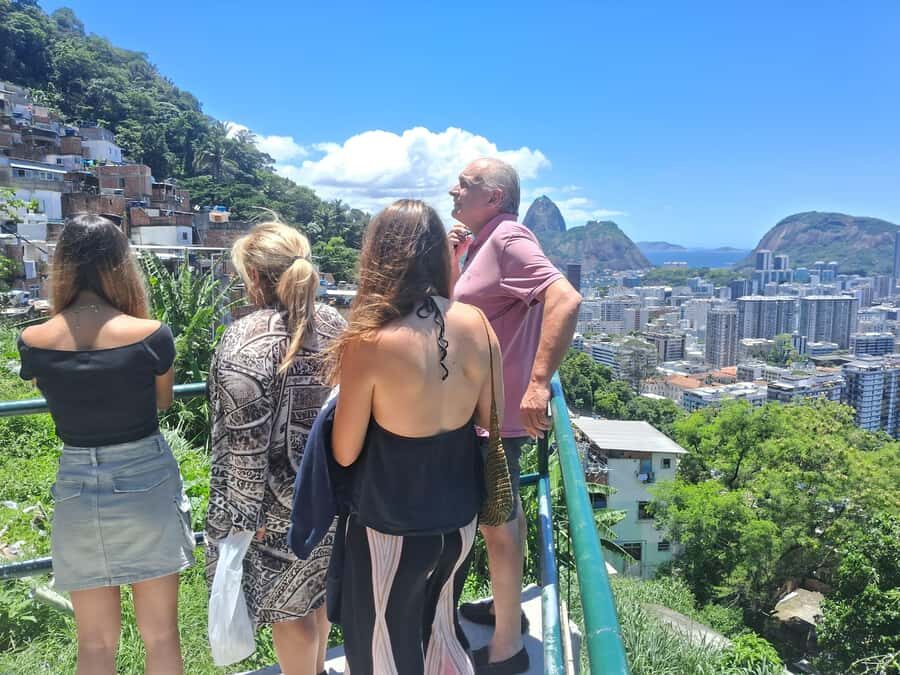
But the guide’s job is to make it more than a weird photo spot. The viewpoint is also described as offering a spectacular view across the region’s mountains. That combination—global pop culture reference plus local geography—creates an interesting angle for learning.
Here’s the practical advice: expect wind and changing light at viewpoints, even if the lower parts feel warm. Dress for the walk up, but bring a layer if you get chilly easily.
Community daycare, residents association, and social projects
This tour includes a stop at a community daycare (when open). That “when open” detail matters. The tour schedule is built to include it when possible, but the actual availability can change day to day.
You’ll also visit handicraft shops and the Residents’ Association plus social projects. The shops give you an opportunity to buy small crafts directly from local sellers, and the Residents’ Association shows how the neighborhood organizes itself.
If you like tours that spend time on how communities function—rather than only what communities look like—this portion is a strong part of the value.
Price and value: what $34 covers on a real community tour
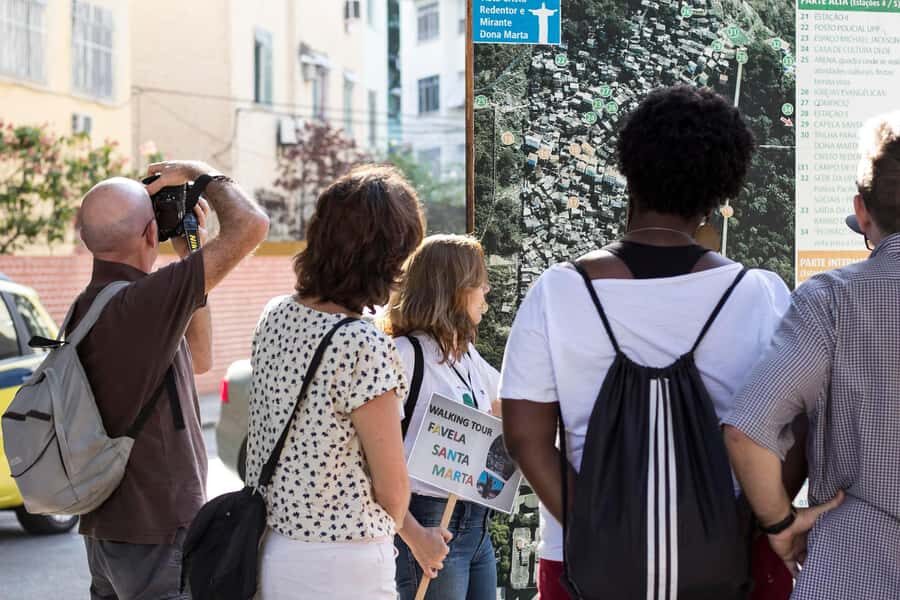
At $34 per person for about 150 minutes, you’re paying for more than a guide with a script. You’re paying for a structured walk that includes multiple community stops: arts center, sports center, residents association/social projects, and optional daycare when open.
The value is strongest if you want context you can’t get from a random walk. The local guide helps connect the physical sights to social programs, and that’s the part that changes how the neighborhood feels to you.
Also, the tour runs in multiple languages—English, French, Spanish, and Portuguese—so you can get the same core route without losing the narrative.
Language matters: English, French, Spanish, Portuguese
The tour offers live guiding in English, French, Spanish, and Portuguese. That’s a great feature, especially if you don’t want to rely on a translation app during a discussion-heavy walk.
Still, be smart about expectations. If you book in French (or any language), confirm that the guide assigned can speak it well. Some days and assignments work smoothly; other times the experience can feel less informative if language coverage is limited.
If you’re traveling as a family or with mixed language needs, this is worth planning around.
What’s included versus what you’ll need to pay
Included:
- Favela walking tour
- Local resident guide
- Visit to community daycare (when open)
- Visit to handicraft shops
- Visit to the Residents’ Association and social projects
Not included:
- Food (you can buy at a pub)
Practical takeaway: bring some cash. The tour notes that cash is useful for souvenirs and also for food or drink at local stores. I’d treat this as a cash-forward activity, not a “tap to pay everywhere” situation.
Timing, group style, and meeting point realities
The duration is 150 minutes, which is long enough to feel like you learned something, but short enough to stay comfortable in good walking shoes.
The activity can run as private or in small groups available, which is helpful if you want more questions and a calmer pace. Meeting point may vary depending on the option you book, so follow your confirmation details closely.
Weather and shoes: how to be comfortable on the ground
This tour can take place in light rain, so dress accordingly. Don’t rely on perfect weather. If you’re in Rio, your “plan A” should include rain gear, not just sunscreen.
Wear comfortable shoes. The route is walking-heavy and you’ll appreciate traction and support, especially if the streets are slick or you’re climbing higher sections (especially if you end up walking instead of cable car).
Passport or ID is also requested, so bring one.
Who should book this tour—and who should skip it
This works best for:
- People who want a guided walk with real community stops
- Travelers who care about education, arts, and social projects
- Those who want the “how people live” side of Rio, not just viewpoints
- Families or groups who appreciate structured storytelling (small-group style is a bonus)
Skip it if:
- You have mobility impairments. The tour isn’t suitable for that.
If you’re nervous about the idea of a favela visit, start with this kind of guided format. It’s the difference between wandering and understanding what you’re seeing.
Small issues to watch for (so your day stays smooth)
Most days run well, but a couple of things can affect your experience:
- Late guide arrival: If you’re on a strict schedule, build in buffer time.
- Language mismatch: If you chose French (or another language), make sure your guide assigned matches the language level you need.
- Community program timing: Some activity details can vary. For example, music-related moments may depend on the time of day and school schedules, so you might not see every planned program stop.
You can’t control all of that, but you can control your expectations. This is a living community with real schedules, not a theme park.
Should you book Favela Santa Marta with a local guide?
Yes, if you want a meaningful, structured walk through Dona Marta with a local resident guide and multiple community stops (arts, sports, residents association, and the viewpoint at Laje do Michael Jackson). The route is short enough to fit into a day, but it has enough layers to change how you see the neighborhood.
Book it if:
- You’re traveling in English, French, Spanish, or Portuguese and want the story in your language
- You care about education and community projects, not just photos
- You’re comfortable with moderate walking and you have cash for small purchases
Consider skipping (or choosing a different format) if:
- You need step-free or mobility-friendly access
- You dislike any day-to-day variation, since community openings and transportation can affect what you see
If you do book, come ready to walk, ask questions, and look past the headlines. This tour’s real value is how quickly it turns a place into people—and people into context.
FAQ
How long is the Favela Santa Marta walking tour?
The tour lasts 150 minutes.
How much does it cost?
The price is $34 per person.
Which languages are available?
The tour has a live guide in English, French, Spanish, and Portuguese.
Is food included?
No. Food is not included, but you can buy your own food at a pub.
What should I bring?
Bring passport or an ID card, comfortable shoes, and some cash.
What happens if the cable car isn’t operating?
If the Santa Marta Cable Car is not operating, you’ll have to go to the top either by walking with your guide or by taxi (about R$ 15).
Is the tour suitable for people with mobility impairments?
No. It is not suitable for people with mobility impairments.