REVIEW · RIO DE JANEIRO
Rio de Janeiro: Downtown Walking Tour
Book on GetYourGuide →Operated by Rio Carioca Tours & Service · Bookable on GetYourGuide
Rio’s downtown history is best on foot. This 4-hour walk through Rio Centro links major chapters of Brazil’s story to street-level landmarks, from monarchy-era spots to the republic. I love the way a multilingual guide makes architecture feel like a timeline you can actually follow, and I love the constant contrast between timeworn buildings and the city’s more modern civic face.
You should know the pace is walking all the way, on city sidewalks and between monuments. It’s not suitable for wheelchair users or people with mobility impairments, so plan around that from the start. In high season, expect delays since traffic and crowds can stretch the experience beyond the scheduled time.
The good news: when a guide is on top of their material, this route is unforgettable. Reviews highlight standout guides such as Angelica (Italian), Antonio (Spanish), and Renato (Spanish), praised for patient explanations and a friendly, responsive vibe.
In This Review
- Key things you’ll notice on this Downtown Rio walk
- Walking Rio’s Centro like a timeline you can touch
- Getting started at Atlantico Business Hotel (and staying on schedule)
- XV de Novembro Square: the big-picture turning point
- Paço Imperial, do Carmo Convent, and ALERJ: architecture with purpose
- Dos Teles Arch and the alleyways: where the center gets human
- Candelária Church: why this church matters to Rio
- CCBB (Brazil Bank Cultural Center): where old streets host modern culture
- Cinelândia Square: municipal power and cultural institutions in one sweep
- Colombo’s Bakery snack stop: the one food moment to plan for
- Ending at a subway station: how to extend your day without stress
- Price and value: is $47 for four hours a fair deal?
- Who this tour fits best (and who should skip it)
- Should you book Rio de Janeiro: Downtown Walking Tour?
- FAQ
- Where is the meeting point for the Downtown Rio walking tour?
- How early should I arrive?
- What is the duration of the tour?
- Is the tour multilingual?
- Will the tour run if it’s raining?
- What should I bring?
- Is a subway ticket included?
- Is the tour suitable for wheelchair users or people with mobility impairments?
Key things you’ll notice on this Downtown Rio walk
- 500+ years of story tied to squares, churches, and government-era buildings
- Old-to-new architectural contrasts, from Paço Imperial and convent walls to modern cultural spaces
- Iconic Rio landmarks with context, like Candelária Church and Cinelândia Square
- Cultural stops you might miss alone, including the Brazil Bank Cultural Center (CCBB)
- A built-in local-food moment with time at Colombo’s Bakery (for a snack and photos)
Walking Rio’s Centro like a timeline you can touch
If you’re the type who likes your history visible, this tour fits. Downtown Rio is a layered place: monarchy-era traces, republic-era government buildings, and cultural institutions all occupy the same walkable geography. A good guide helps you stop treating the center as a list of monuments and start reading it as a story.
What makes this route practical is that it isn’t just about seeing famous facades. You’ll connect each stop to the city’s political and cultural shifts, then move on foot so you can feel the change in scale and style across neighborhoods.
The flip side: because it’s a walking tour, you’ll want to pace yourself. Comfortable shoes matter more here than in many sightseeing days, and in rain you’ll still be out on the streets.
You can also read our reviews of more walking tours in Rio De Janeiro



Getting started at Atlantico Business Hotel (and staying on schedule)
Your meet-up is at the Atlantico Business Hotel on Rua Senador Dantas, 25 in Centro. Aim to arrive about 15 minutes early so you can find the group without stress, and expect the guide to call your name at the meeting point.
This matters because the tour is timed for a full circuit of landmarks. If you show up late, you can lose time at multiple stops—not just one. It’s also good to bring a passport or ID card (a copy is accepted), since that’s specifically requested.
One more logistics note: large bags and luggage aren’t allowed. If you’re traveling light, great. If not, consider how you’ll store everything before you head downtown.
XV de Novembro Square: the big-picture turning point

The tour begins by setting the stage in the historic center, then moves into 500 years of Brazilian history. One of the first major anchor points is XV de Novembro Square, which gives you a reference point for understanding how Brazil shifted from monarchy periods toward the republic era.
Even if you think you already know the basics, this kind of orientation is valuable. It changes how you look at everything that comes next. Instead of treating each building as a postcard, you start noticing what each era needed: power spaces, religious institutions, public culture, and the infrastructure to support them.
If you’re the kind of traveler who likes details, pay attention to the dates and references your guide offers here. A few well-placed facts early in the walk can make the rest of the route click.
Paço Imperial, do Carmo Convent, and ALERJ: architecture with purpose
From the square, you’ll step into a stretch of landmarks that explain what different periods built—and why. The tour highlights the ALERJ building, Paço Imperial, and the do Carmo Convent.
This is one of my favorite parts of the experience because these places aren’t just pretty. The buildings teach you about what was important at the time: governance and ceremony on the one hand, and long-standing religious presence on the other. When you can see those roles side by side, it’s easier to understand why Rio’s center feels “old” even when parts of it look modern.
A possible drawback is that people vary in how much historical detail they want per building. Some visitors have said they’d like more specific events and dates tied to certain monuments. If you crave ultra-detailed storytelling, go in ready to ask questions during the walk.
Dos Teles Arch and the alleyways: where the center gets human
After the larger monument stops, the tour shifts into streetscapes—starting with dos Teles Arch and the winding alleyways nearby. This is a smart transition. It shows you that the center isn’t only about grand buildings; it also runs on narrow passages, daily movement, and that “lived-in” feel.
You’ll get better photos here if you slow down. Don’t rush just because you’re moving as a group. Look at how the arch frames the street, then pay attention to the way the alleyways funnel the eye toward nearby facades.
This section also helps you understand scale. From big squares, you might assume everything is spaced out. The arch and lanes prove the opposite.






Candelária Church: why this church matters to Rio
Next up is Candelária Church, which the guide connects to the city’s importance and identity. Churches like this often serve multiple roles at once—faith center, architectural landmark, and civic anchor. With a guide explaining the why, you’ll be looking beyond the exterior and into the significance.
This is also a good pause point. You’ve walked enough to feel your legs working, but the stop gives you a chance to reset, take photos, and listen.
If you tend to get impatient on long stops, keep your eyes on the guide’s cues. Your time here is meant to connect the religious layer of Rio’s past to the political/cultural layer you’ll see later.
CCBB (Brazil Bank Cultural Center): where old streets host modern culture
One of the highlights in this route is the Brazil Bank Cultural Center, often called CCBB by locals. The tour presents it as a hidden treasure of sorts, especially if you’ve only come to Rio for beaches and iconic views.
Why this stop works: it shows how Rio reuses and repurposes. You’re in the downtown fabric where older structures and streets still shape how the city feels, while cultural programming gives those areas new energy. Even if you don’t go inside for a show, the building and its setting still change how you understand the center.
Practical tip: use this moment to check your phone for any nearby metro connections. The tour ends at a subway station, and knowing what your next step is can make the final stretch easier.
Cinelândia Square: municipal power and cultural institutions in one sweep
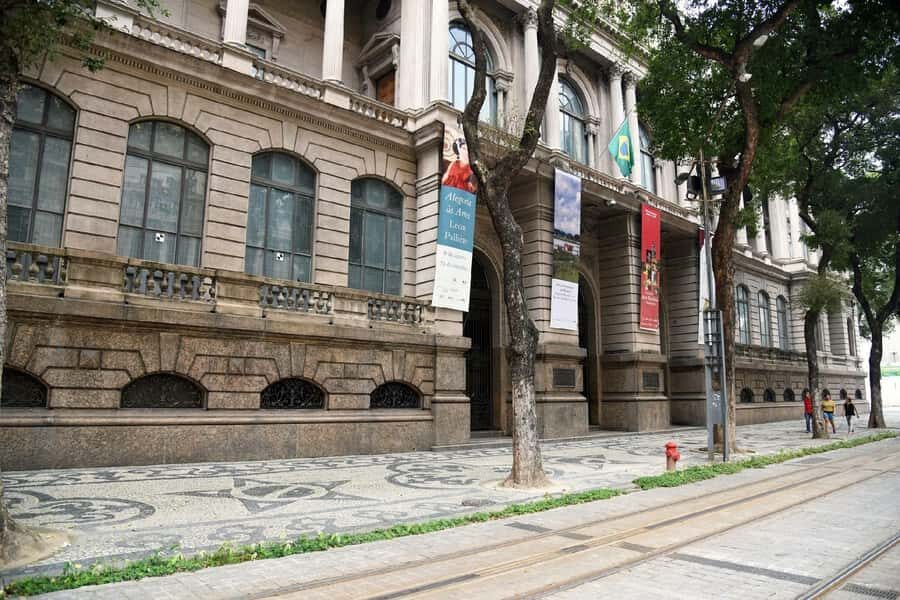
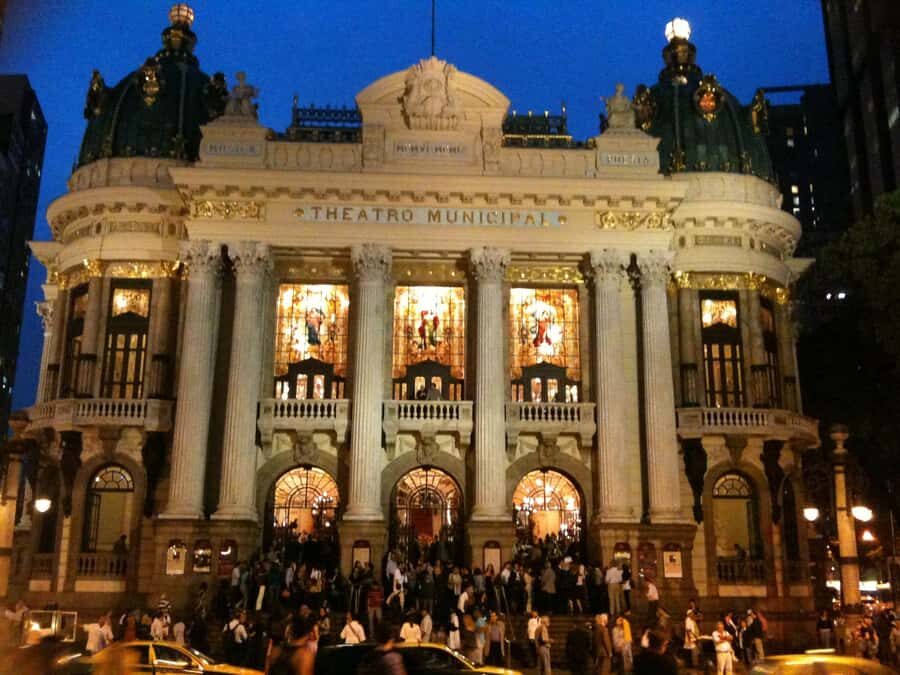
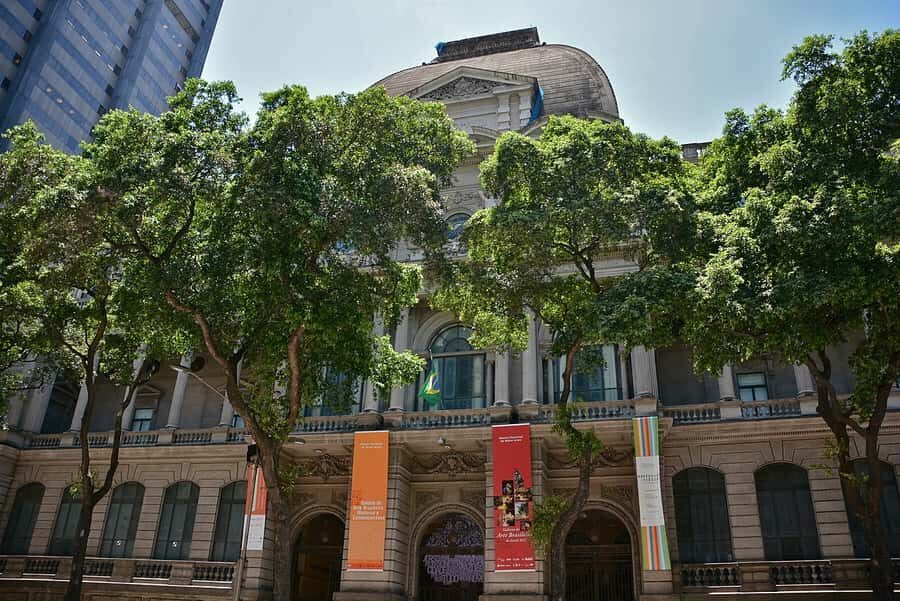
Then you walk down to Cinelandia Square, where the feel of the center shifts again—toward political and cultural authority. This is where you’ll see several major institutions, including the Municipal Theater of Rio de Janeiro, the National Library of Brazil, the National Museum of Fine Arts, and the City Council of Rio de Janeiro.
What’s valuable here is the contrast. Earlier stops teach you about older layers—monarchy-linked and religious presence. Cinelândia shows you a more institutional, civic Rio, where culture and governance share the same stage.
If you’re a photography person, this is your big “wide-angle” area. Look for symmetrical facades and take a few steps back before you shoot. If you’re more into people-watching, keep an eye on how the square functions as a gathering point between key buildings.
Colombo’s Bakery snack stop: the one food moment to plan for
The tour finishes with a landmark tied to everyday Rio life: Colombo’s Bakery. You’ll have time for a snack here, which is a nice reset during a 4-hour walk.
Because food and drinks aren’t listed as included, treat this as your opportunity to buy something you’ll actually want. A snack time is more flexible than a sit-down meal, and it keeps the tour moving without leaving you hungry.
If you have dietary needs, plan ahead. You’ll be downtown, so choices exist, but you’ll get more satisfaction if you decide early what you’re comfortable buying.
Ending at a subway station: how to extend your day without stress
The tour wraps at a subway station in Downtown Rio. From there, you have an easy fork: head back to your hotel or continue exploring on your own.
This ending style is useful. You’re not stuck waiting for transportation, and you’re positioned to move to other sights if you have energy left. It also helps with decision-making. After a walking tour, everyone’s pace is different—some people want quiet time, others want one more stop.
In high season, the tour might run longer due to traffic and crowd volume. If you have a later reservation, consider building in a buffer.
Price and value: is $47 for four hours a fair deal?
At $47 per person for a 4-hour downtown walk, the value depends on what you want most: structure, interpretation, and convenience. This tour includes a multilingual guide, and the route covers a lot of major Rio Centro landmarks in one coordinated block—squares, churches, civic buildings, and a cultural stop at CCBB.
Subway access may cost extra. A subway ticket is not included if necessary, and it’s listed as BRL 15 roundtrip per person. Food and drinks aren’t included either, though there’s time for a snack at Colombo’s Bakery.
So here’s the math in plain terms: you’re paying for a guided, connected route rather than just admission to a single place. If you would otherwise spend your afternoon bouncing between sites with little context, $47 can feel very reasonable. If you already have a self-guided plan with strong reading material, you might decide to go cheaper on your own.
Who this tour fits best (and who should skip it)
This is a great match if you:
- Want downtown Rio in one go, without piecing together history and geography on your own
- Enjoy architecture and want the meaning behind what you see
- Like guided Q&A and stories tied to real places
It’s not a great match if you:
- Need a wheelchair-friendly route (it’s not suitable for mobility impairments)
- Don’t do well with walking for long stretches
- Want a long food experience (food and drinks are not included)
If you’re traveling in a group and want everyone to stay engaged, this format helps. Reviews often mention guides being patient and friendly, including multilingual communication across Portuguese, Spanish, English, Italian, and French.
Should you book Rio de Janeiro: Downtown Walking Tour?
Book it if you want a guided walk through Rio Centro that makes the city’s layers legible fast. The route covers major landmarks—XV de Novembro Square, Paço Imperial, do Carmo Convent, dos Teles Arch, Candelária Church, CCBB, Cinelândia Square, and Colombo’s Bakery—without wasting your time on guesswork.
Skip or rethink it if you have mobility constraints, hate walking on streets for hours, or need a highly detailed historical lecture at every single building. One note from past experiences is that a few people wanted more event-by-event detail tied to certain monuments, so if that’s your top priority, consider bringing your own questions and asking for specifics.
If you do book, go in with one goal: learn how to read the center like a timeline. With that mindset, these buildings stop being scenery and start becoming clues.
FAQ
Where is the meeting point for the Downtown Rio walking tour?
The meeting point is Atlantico Business Hotel at Rua Senador Dantas, 25 – Centro. The guide will call you by your name.
How early should I arrive?
Arrive 15 minutes before the activity starts.
What is the duration of the tour?
The tour lasts about 4 hours.
Is the tour multilingual?
Yes. The live guide offers Portuguese, Spanish, English, Italian, and French.
Will the tour run if it’s raining?
Yes. The tour takes place rain or shine.
What should I bring?
Wear comfortable shoes and bring a passport or ID card (a copy is accepted).
Is a subway ticket included?
No. A subway ticket is not included if necessary, and it’s listed as BRL 15 roundtrip per person.
Is the tour suitable for wheelchair users or people with mobility impairments?
No. It is not suitable for people with mobility impairments or wheelchair users.