REVIEW · RIO DE JANEIRO
Rio: Favela Walking Tour of Rocinha with a Resident Guide
Book on GetYourGuide →Operated by Gregtur Tourism · Bookable on GetYourGuide
A favela tour that feels human. This Rocinha walk pairs a licensed resident guide with real stops inside everyday life, from chatting with locals to seeing murals and community projects. I especially like the mix of street-level culture and the moto-taxi ride to the top, because you get both context and viewpoints in one tight 3-hour block.
One thing to think about: you’re on foot through alleys and stairs, so it’s not ideal if you want a mostly flat stroll or you hate getting close to the reality of a working neighborhood.
In This Review
- Key things I’d circle in advance
- Rocinha on foot: what you’re really paying for
- Getting to Rocinha without turning it into a scavenger hunt
- The 3-hour rhythm: what happens on the walking route
- Stops that change how you see Rocinha
- Craft fair and street markets
- Capoeira performances
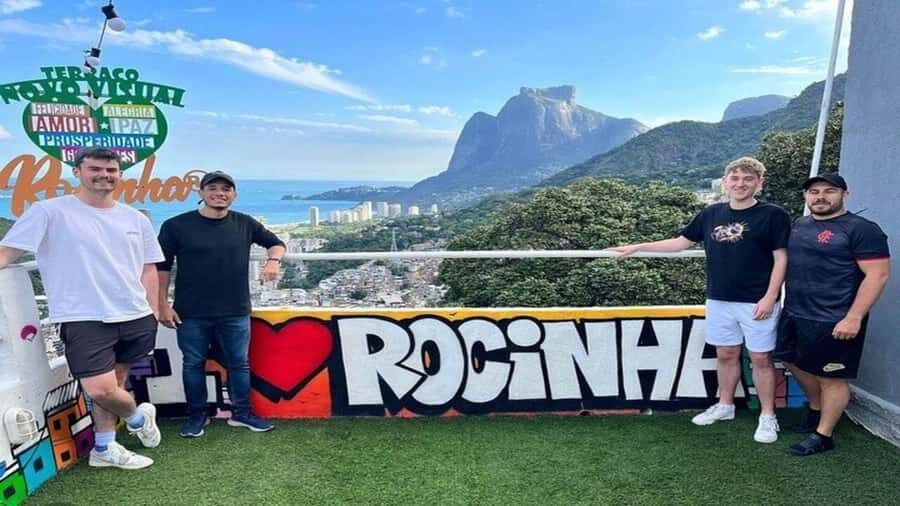
- Painted murals
- A resident’s house stop
- Social works and community support
- The moto-taxi ride: excitement plus a real payoff
- Price and value: is $106 worth it?
- Who this tour fits best (and who should skip it)
- What to do after: local food, without the awkward timing
- Should you book the Rocinha favela walking tour with a resident guide?
- FAQ
- How long is the Rocinha favela walking tour?
- Where do I meet the guide?
- Is the moto-taxi ride included?
- What languages is the tour offered in?
- Is it a small group?
- Are food and drinks included?
- Is hotel pickup or drop-off included?
- What are the cancellation terms?
Key things I’d circle in advance
- Resident-first hosting: much of the payment supports the guide who hosts and helps you experience Rocinha responsibly
- Small group size: limited to 8 people, so you’re not lost in a crowd
- Culture on the move: craft fairs, street markets, capoeira performers, and painted murals
- Moto-taxi to the hilltop: a short ride that swaps walking sweat for sweeping views
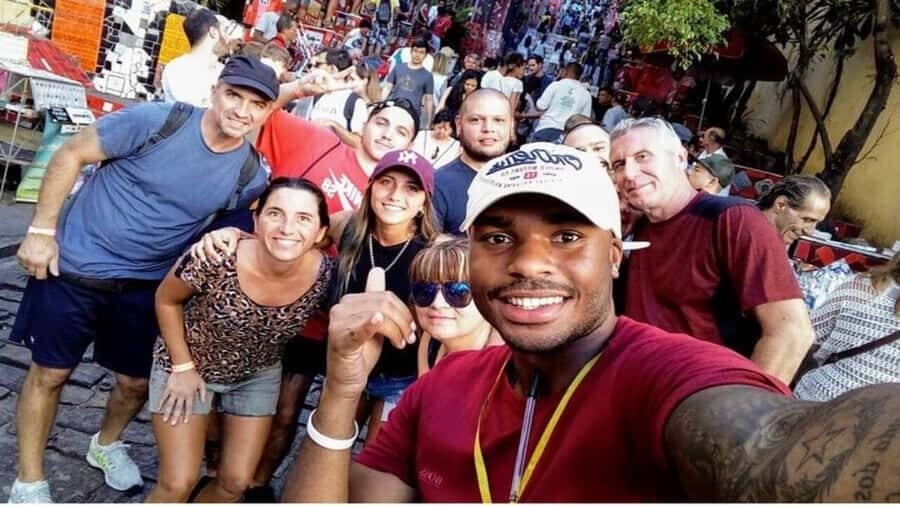
- Chat stops, not just photo stops: you’ll visit businesses and talk with locals along the way
- Food is optional, not included: you’ll likely want local bites after, but you must budget separately
Rocinha on foot: what you’re really paying for
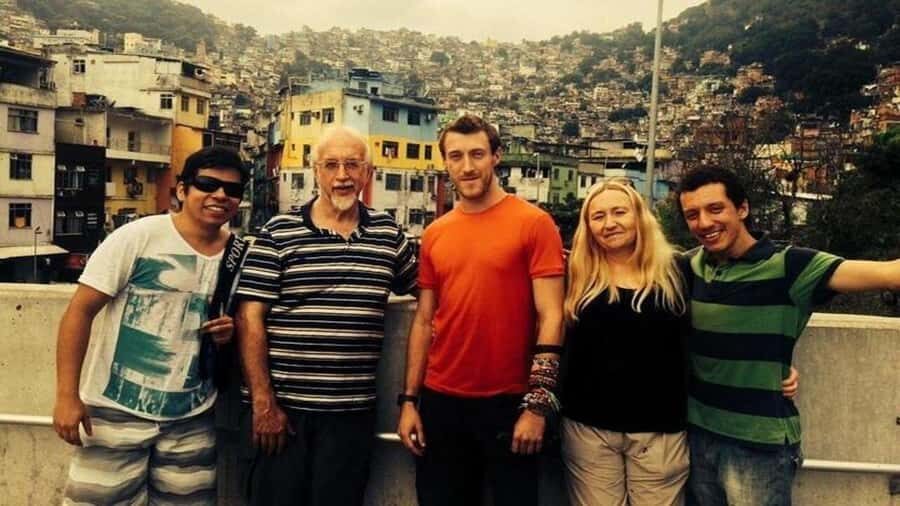
This tour isn’t sold as a theme park version of Rio. It’s built around the simple idea that you learn more by moving through the neighborhood with someone who lives there. That changes the whole tone of the experience. Instead of watching from the outside, you’re walking with an insider who can point out what things mean in daily life.
I also like that it’s not only about scenery. You hit multiple layers of Rocinha in a short time—street markets, craft fare-style stalls, capoeira performances, murals, and even a resident’s house stop (as part of the guided flow). That matters because it turns the “favela” label into something more specific: people, routines, creativity, and community efforts.
The price—$106 per person—will make you pause for a second. You’re paying for a licensed bilingual guide, metro tickets, and the moto-taxi ride. But the bigger value is that it’s described as socially conscious, with most of the payment going toward the resident guide who hosts the visit and offers support. If you care about where your money goes, this setup is more than just transportation and a guide script.
You can also read our reviews of more walking tours in Rio De Janeiro



Getting to Rocinha without turning it into a scavenger hunt
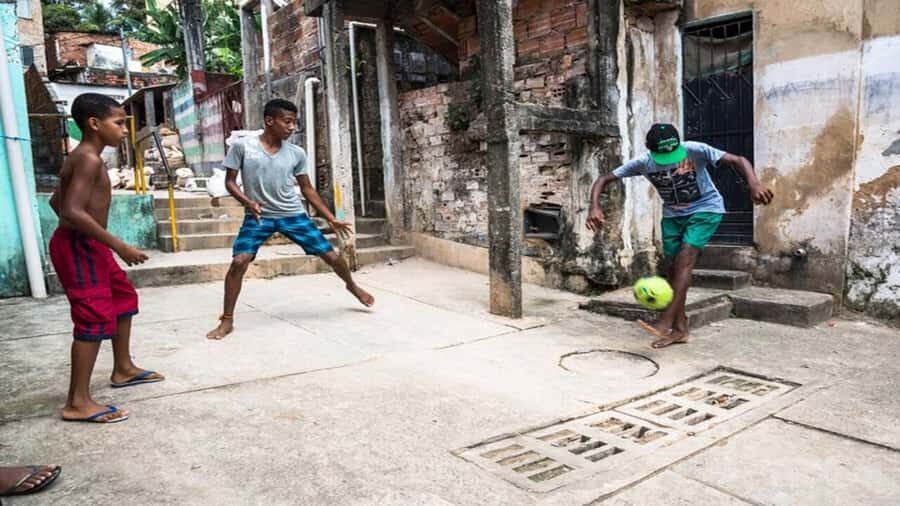
You meet at the Subway Cardeal Arcoverde (Exit A). Plan to arrive at least 10 minutes early so you’re ready to take the subway to Rocinha with the group. It’s a small detail, but it makes a difference: you don’t want to start your tour sprinting through stations while the guide is trying to gather everyone.
The good news is that the tour includes metro tickets, so you don’t need to figure out what to buy or how to manage it on your own. And because it’s a small group (up to 8), your entry time stays controlled instead of getting swallowed by a big bus tour.
No hotel pickup or drop-off is included. That means you’ll need to handle getting yourself to the meeting point on your own. If you’re staying somewhere central, this is usually straightforward. If you’re far out, you’ll want to plan your commute time so the tour start doesn’t quietly eat part of your day.
The 3-hour rhythm: what happens on the walking route
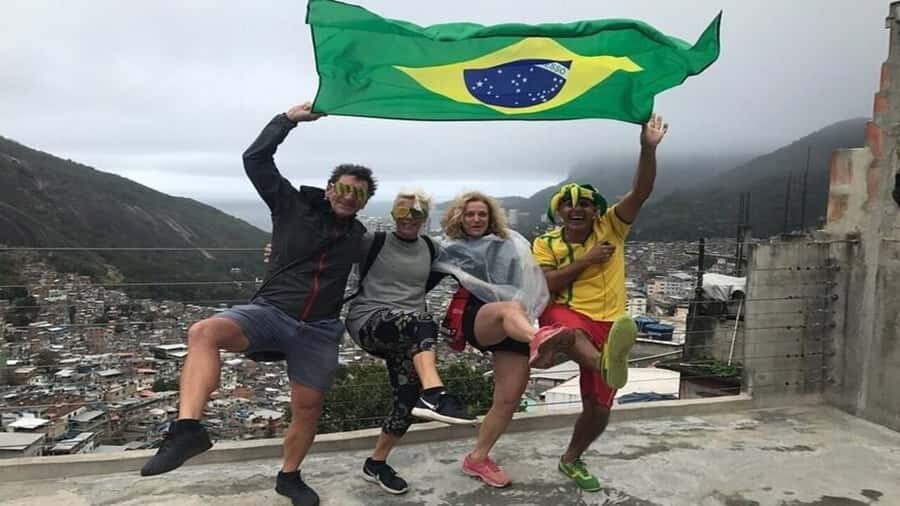
This is a 3-hour tour designed to feel complete without turning you into a human GPS. The heart of it is the guided walk through the labyrinthine alleys and stairs, with stops that mix conversation and observation.
Expect the guide to steer you into places where you can actually talk to people—visiting businesses and community spaces, not just passing by. You’ll spend time around a craft fair and street-market style areas, where you can see how commerce and local creativity show up day to day. If you’re the type of traveler who likes to ask questions (and listen closely), this format fits you.
You’ll also see cultural performance along the way, including capoeira performers. That’s one of those details that seems “extra” on paper until you’re standing there. Capoeira isn’t only a show; it’s movement, rhythm, and community. Seeing it in the neighborhood context helps you understand why culture here isn’t separate from life—it is life.
There’s time built in for painted murals and stops that connect to social work. The tour includes a resident’s house visit as part of the experience, so the day doesn’t stay at street level. You get a more personal sense of how people live and what the community is working toward.
A fair warning, in a good way: the tour is not about quick sightseeing photos. It’s about learning the neighborhood through guided conversation and structured stops. If you prefer “see it and move on” tours, you might find you want more time at each stop. If you like walking slowly and asking questions, you’ll probably feel at home.
Stops that change how you see Rocinha
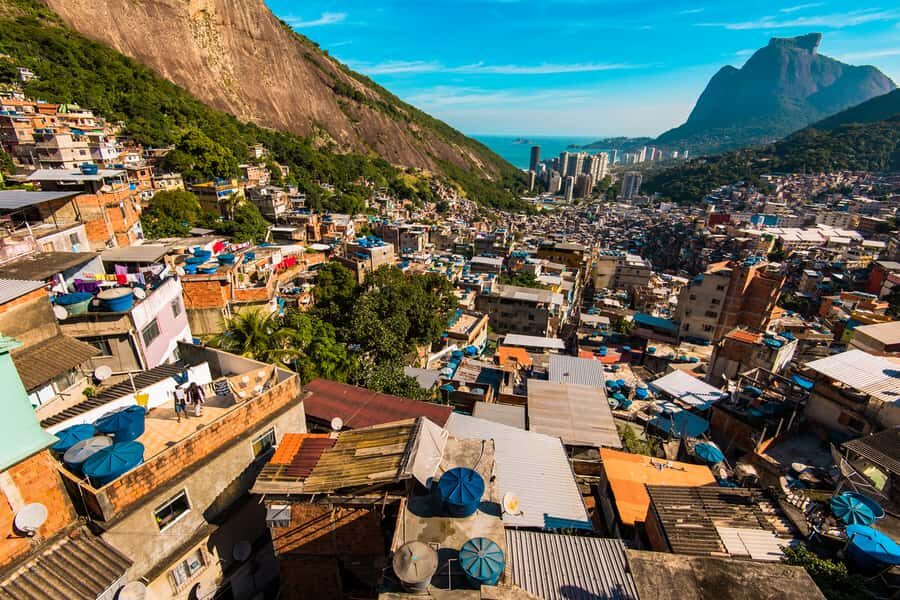
A favela tour can easily become a one-note story. The best ones break the story into pieces so you can understand the variety inside the same geography. This one does that.
Here are the kinds of stops you can expect, and why they’re worth your attention:
Craft fair and street markets
You’ll go through areas where people sell crafts and everyday goods. This helps you see how local economy works at the human scale—small stalls, real sellers, and a constant flow of ordinary activity. It’s the kind of place where your questions land naturally because you’re surrounded by activity, not staged scenery.
You can also read our reviews of more guided tours in Rio De Janeiro




Capoeira performances
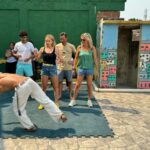
Capoeira is a powerful “in-between moment” stop. While you’re walking, your brain is absorbing the neighborhood. Then you pause for performance, and suddenly you get rhythm, expression, and an easy entry point for conversation. It’s also a reminder that creativity and sport aren’t outside the neighborhood—they’re part of it.
Painted murals
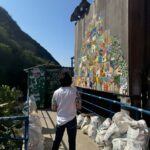
Murals tend to do more than decorate. They often signal identity, memory, and community messaging. Seeing them during the walk—rather than as a distant photo wall—makes it easier to connect the art to the streets you just walked.
A resident’s house stop
This is where the tour shifts from observation to connection. It’s still guided, and it’s still part of a respectful route. But it’s also a clear reminder that you’re visiting a place where people live, not a generic “area” you’re passing through.
Social works and community support
The tour includes stops related to social works, and that matters because it keeps the conversation balanced. You’re not only learning about challenges; you’re also seeing local efforts and support systems. That’s a key reason this tour is described as socially conscious.
The moto-taxi ride: excitement plus a real payoff
The headliner for many people is the motorcycle taxi ride up to the top of Rocinha hill. You’ll do this after spending time walking the neighborhood streets, so the contrast feels dramatic: from stair-and-alley walking to a fast lift toward the view.
It’s included, and that inclusion is smart. A viewpoint is only good if you can actually get to it without wasting your whole time. The moto-taxi solves that in a way that also feels like part of local movement, not a staged shortcut.
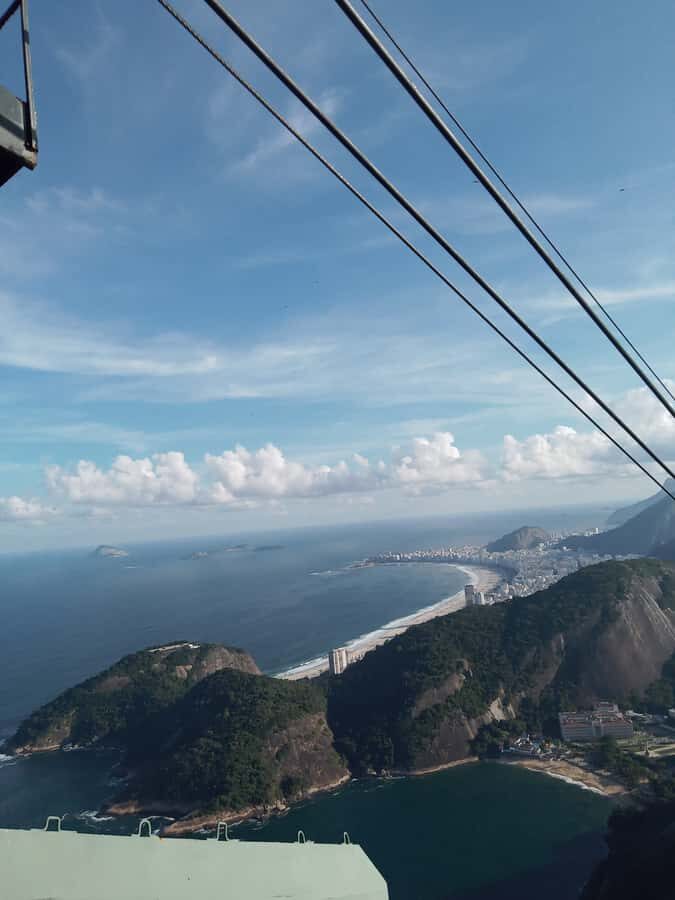
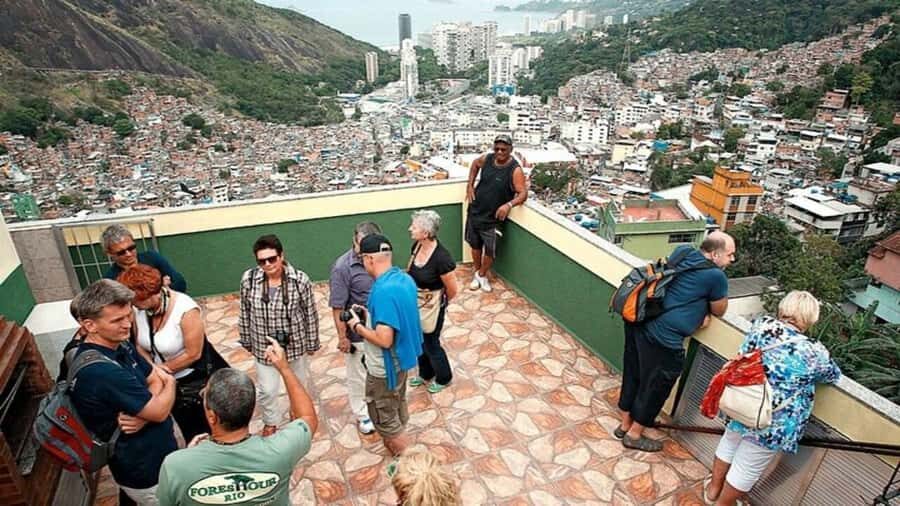
At the top, you get big panoramic views—specifically mentioned sights include Christ the statue and Rio’s beaches. Even if you’ve seen photos before, the scale hits differently when you’re looking out from the hill where the neighborhood spreads below you. It’s also one of those moments where the earlier walk makes more sense. The streets you traced begin to look like a map of lived reality.
Also: one review called the moto ride exciting, and honestly, that matches the logic. It’s short, it changes your energy level, and it turns your time into something memorable without making you rush the rest of the tour.
Price and value: is $106 worth it?
Let’s do the honest math and the honest comparison. You pay $106 for a 3-hour tour with:
- metro/underground tickets included
- a licensed bilingual private guide
- a moto-taxi ride up to the top of Rocinha
- taxes and handling included
Food and drinks are not included, and there’s no hotel pickup. So you’ll still need to plan your day and possibly spend extra after the tour if you want local food.
So what are you really buying?
You’re not paying mainly for “walking with a guide.” You’re paying for guided access to specific neighborhood stops—markets, craft fair-style spaces, murals, capoeira performances, social works, and a resident’s house stop—plus the transport piece that gets you to the hilltop. And because the tour is described as socially conscious with most payment supporting the resident guide, it also has a values component.
In practical terms: if your goal is to understand Rocinha as a living community—through conversation and real stops—this price can feel fair. If your main goal is a quick scenic hit, you might feel it’s more expensive than a basic city tour. But the structure here is built around meaning, not speed.
Who this tour fits best (and who should skip it)
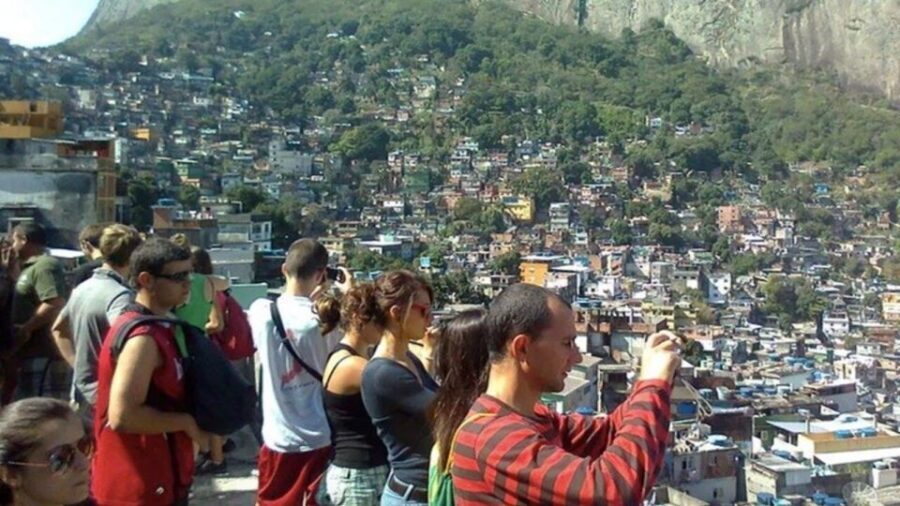
This tour is a good match if you:
- want a resident-led perspective and are curious about daily life
- like guided context over “look but don’t talk” sightseeing
- enjoy culture stops like capoeira and mural viewing
- are comfortable with a mix of walking, stairs, and narrow neighborhood paths
It might be less ideal if you:
- strongly prefer flat, low-effort sightseeing
- want a tour that is mostly about monuments and views, with minimal neighborhood interaction
- don’t want to budget for food afterward, since meals and drinks aren’t included
For many people, the best part is the guide quality. One guide name that comes up is Erik—described as kind and very informative about life in the favela. That’s not just a personality bonus. A guide who can explain the neighborhood clearly is what makes the walk feel understandable instead of overwhelming.
What to do after: local food, without the awkward timing
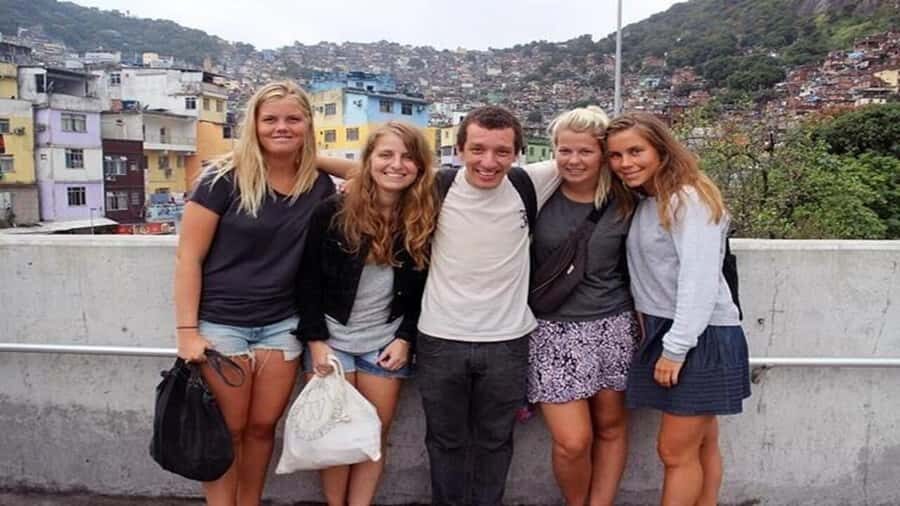
You’ll likely finish with the urge to eat. Typical local food is mentioned as a next step, and food isn’t included. That’s normal and honestly useful—you get control over where you go and what you try next.
Because you’re coming from markets and community stops, your palate will be awake. If you want to keep the day flowing, check what kinds of dishes are popular in the area you’re already near, then choose something that looks clean and straightforward. Keep it simple: you just did a full 3-hour neighborhood experience plus a hilltop viewpoint.
Should you book the Rocinha favela walking tour with a resident guide?
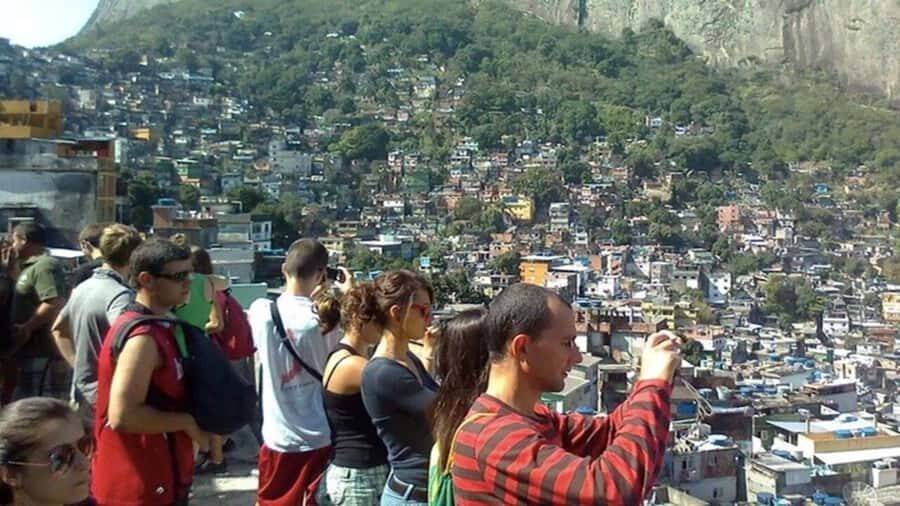
Book it if you want more than photos and a superficial outline of Rio. This is a small-group, resident-hosted experience built around conversation, culture stops like capoeira, murals, and community projects—then it caps the day with a moto-taxi ride and views that link the neighborhood to the wider city.
Skip it if your ideal tour is mostly flat, mostly scenic, and mostly detached from daily life. The walking portion includes stairs and alleys, and the whole point is to get close to reality, not keep things distant.
If you’re on the fence, use this simple filter: do you want to spend 3 hours learning a neighborhood from the inside, with a guide like Erik-style expertise? If yes, this is a strong pick.
FAQ
How long is the Rocinha favela walking tour?
It lasts 3 hours.
Where do I meet the guide?
Meet at Subway Cardeal Arcoverde, Exit A.
Is the moto-taxi ride included?
Yes. The tour includes a moto-taxi ride up to the top of Rocinha hill.
What languages is the tour offered in?
The guide offers English, Spanish, and Portuguese.
Is it a small group?
Yes. The group is limited to 8 participants.
Are food and drinks included?
No. Food and drinks are not included.
Is hotel pickup or drop-off included?
No. Hotel pickup and drop-off are not included.
What are the cancellation terms?
You can cancel up to 24 hours in advance for a full refund.