
REVIEW · RIO DE JANEIRO
Rio de Janeiro: Historical Downtown and Lapa Walking Tour
Book on GetYourGuide →Operated by Tour by Foot · Bookable on GetYourGuide
Walking Rio’s center feels like flipping pages. You’ll see royal-era Rio and everyday street life in the same stroll, with a small-group guide who clearly loves the city. Two things I like a lot are the interior stops (old cathedral, imperial palace, national library) and the way the route shows the contrast between modern buildings and older power-era architecture. One watch-out: it’s a rain-or-shine walk, and it’s not suitable if you have mobility issues.
You’ll start near Praça Cinelândia at the Theatro Municipal area, then work your way through historical downtown toward Lapa, keeping an eye on details most visitors miss. Expect a guide who ties architecture to what Rio used to be—kings and queens, emperors, freedom fighters, revolutionaries—and also gives practical help for photos, food, and even where to go later for samba and caipirinhas. If your guide’s English or accent is strong, you may not catch every word, but you’ll still get the big picture.
In This Review
- Key points to know before you go
- Start at Theatro Municipal: your orientation point in Praça Cinelândia
- Modern buildings vs. older power-era architecture
- Inside the Old Cathedral: where faith meets the city’s timeline
- The Imperial Palace stop: stepping into the era of emperors
- National Library interior: ideas, institutions, and modern Rio’s roots
- Lapa walking: switching from institutions to neighborhood life
- Pace and group size: why 3 hours works
- Languages and understanding: English, Portuguese, Spanish
- Price and value: is $60 fair for this mix?
- What to bring, what to watch for, and walking-in-rain reality
- The one logistical detail you shouldn’t ignore
- Should you book this Rio downtown and Lapa tour?
- FAQ
- What’s the duration of the Rio de Janeiro Historical Downtown and Lapa Walking Tour?
- How much does the tour cost?
- Where does the tour start?
- What’s included in the tour?
- What languages are available for the live guide?
- Is the tour canceled if it rains?
- Is this tour suitable for mobility impairments?
- Can I get a refund if I cancel?
Key points to know before you go
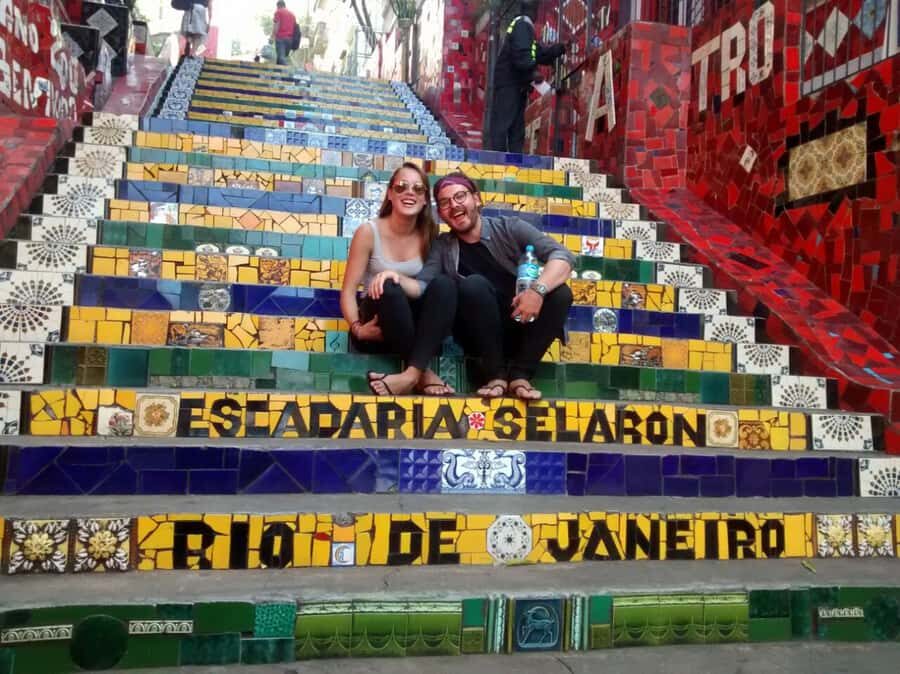
- Small group (up to 10): easier questions and better pace than a big bus crowd
- Interior visits included: old cathedral, imperial palace, and the national library
- Designed for first-timers: great if you want a fast sense of Rio’s roots and layout
- Lapa + downtown contrast: historical center vibe, then streets tied to local life
- Rain or shine: plan for steady walking in wet weather
- Best with comfy shoes: this is a true walking tour
Start at Theatro Municipal: your orientation point in Praça Cinelândia
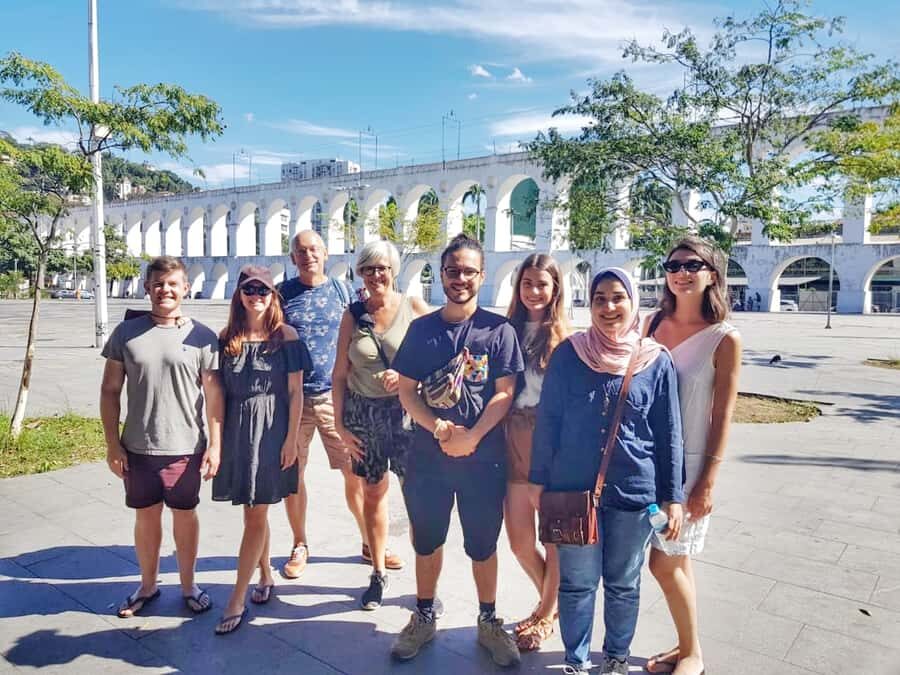
The tour begins in front of the Theatro Municipal in Praça Cinelândia, which is a smart starting spot. This area is easy to recognize, and it helps you orient yourself fast—Rio’s center can feel like a maze until you see it with a path in mind.
Also, this is one of those places where you can spot the mood shift. One minute you’re in grand, European-style “center of power” architecture. The next, you’re moving toward older layers of the city where daily life is visibly in motion.
You can also read our reviews of more walking tours in Rio De Janeiro



Modern buildings vs. older power-era architecture
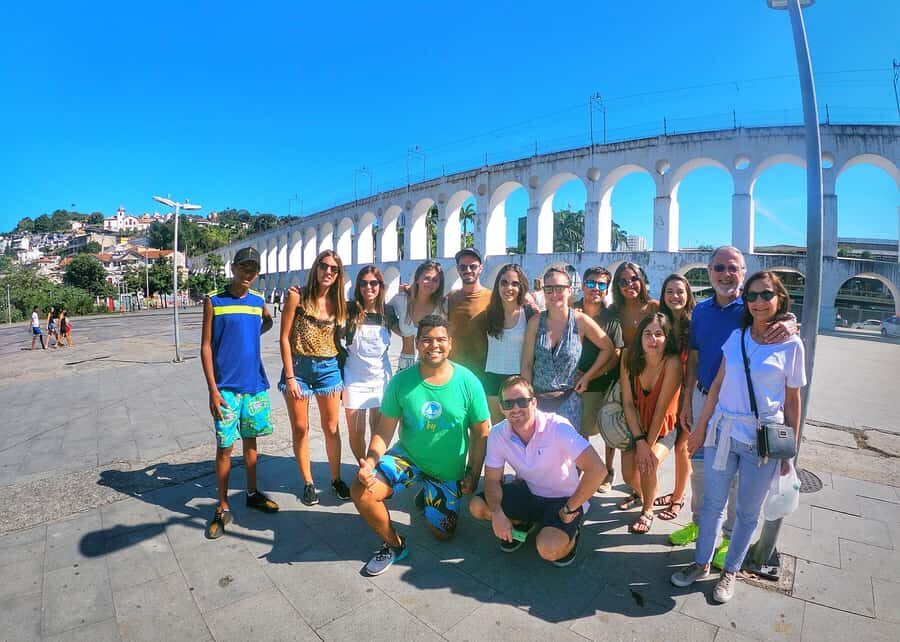
Rio downtown is a visual argument for time travel. You’ll see modern construction and then, close by, buildings tied to earlier eras—courts, empires, and major institutions.
That contrast is more than pretty. It helps you understand why Rio feels the way it does: the city keeps growing, but it doesn’t erase its earlier identity. As you walk, you’ll also get the sense that streets and buildings were shaped by politics and migration, then re-shaped again as the city changed.
A good guide matters here. In my view, the best moments come when a building is explained in plain terms—what it was for, who it served, and how that role still echoes in the streets today.
Inside the Old Cathedral: where faith meets the city’s timeline
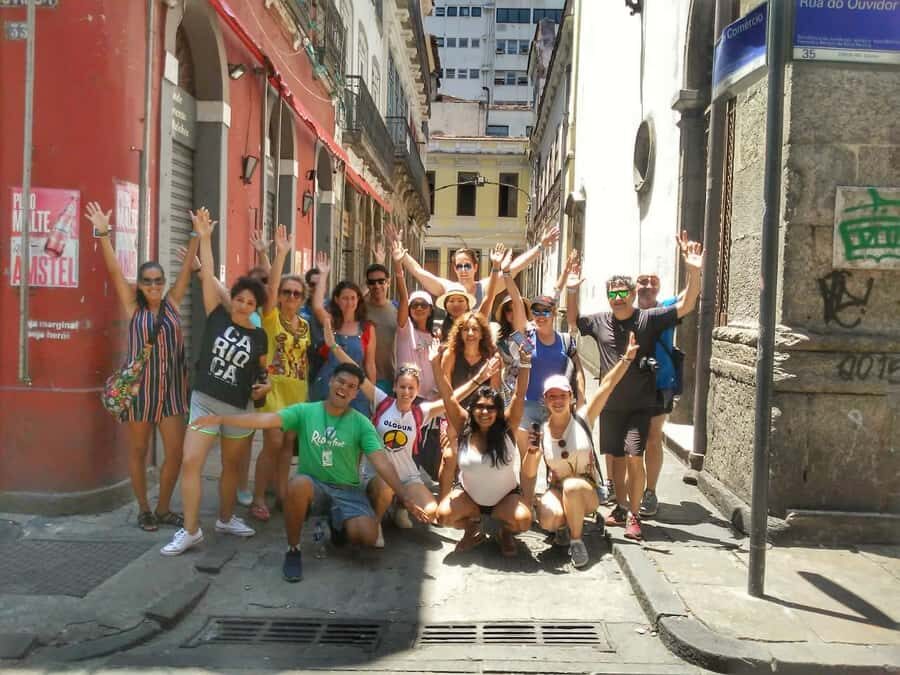
One of the tour’s headline inclusions is an interior visit to the old cathedral. Going inside is a big value add because it turns “look at it from the street” into something you can actually experience.
Cathedrals in Latin America aren’t only religious spaces. They often functioned as major landmarks where the city’s identity was built in stone and ceremony. When you’re inside, pay attention to scale and layout, because those details usually make more sense after your guide ties them to Rio’s earlier chapters.
If you like history you can see—architecture that carries meaning—this stop is one of the reasons the tour feels worth the time.
The Imperial Palace stop: stepping into the era of emperors
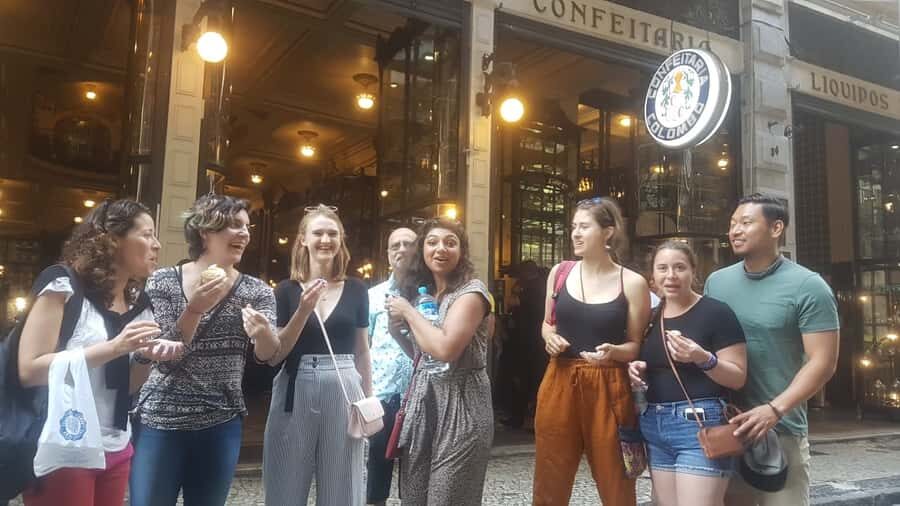
Next comes the imperial palace interior visit. This is where the tour leans into the “kings and queens, emperors” side of Rio’s story, and it does it without turning into a lecture.
What makes a palace stop work on foot is that it anchors everything around it. When you hear about who had power and why they built here, the streets feel less random. You start noticing the geometry of the city—how certain institutions cluster where influence wanted to be visible.
A quick reality check: some parts of downtown may feel like “not many highlights” if you came hunting for picture-perfect, attraction-style sights. The palace stop helps shift that expectation toward a more interpretive kind of sightseeing—less postcard, more context.
National Library interior: ideas, institutions, and modern Rio’s roots
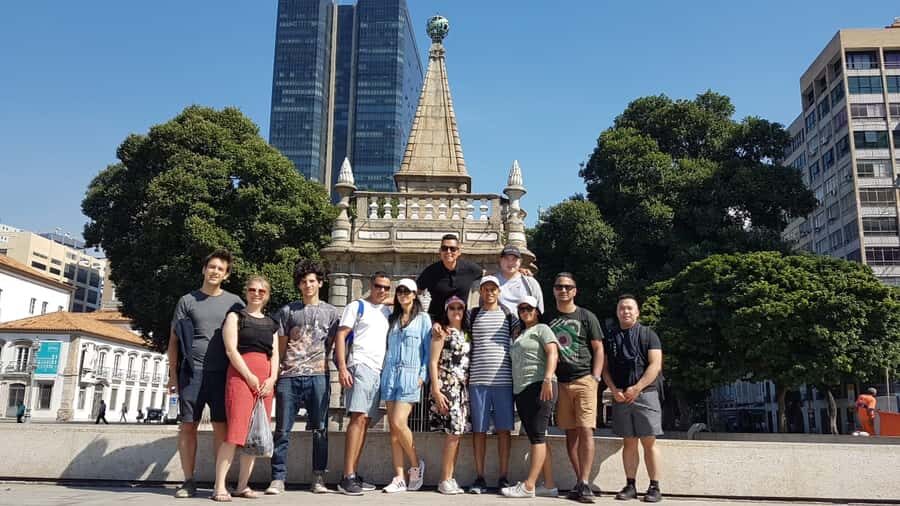
Another interior stop is the national library. This is a different flavor of history than palaces and cathedrals, and I like that the tour doesn’t only focus on rulers and religion.
Libraries are where societies store knowledge and define what matters. When you visit one as part of a walking route, it connects the dots between power and culture—who got access, what was preserved, and why institutions like this shape a country’s public life.
If you’re the type who likes stories you can repeat later—names of institutions, what they represented, how they fit into the city—this stop gives you plenty to work with.
You can also read our reviews of more historical tours in Rio De Janeiro






Lapa walking: switching from institutions to neighborhood life
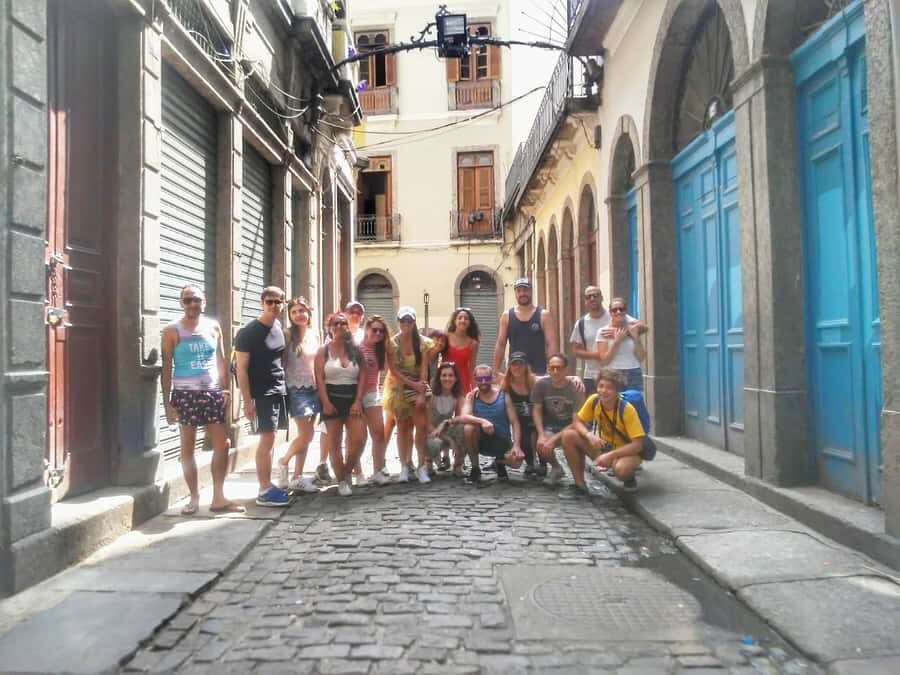
The tour’s name includes Lapa for a reason. After the more formal downtown interiors, you shift to streets closer to everyday Rio—where locals live, talk, and move through their day.
This is where you’ll likely get the “take me deeper than the main monuments” feeling. You’ll see the city as more than a list of sites. The guide will point out details and help you understand how Lapa’s vibe connects to the rest of Rio—historically and culturally.
Also, this is where photo advice starts to matter. The guides are meant to help with picture timing and angles, plus they’ll share ideas for where to eat and what areas to check out later. If you’re planning an evening for samba and caipirinhas, ask your guide directly—this is the kind of personal local help this tour is built to provide.
Pace and group size: why 3 hours works

This tour runs about 3 hours, and the walking pace is meant to feel manageable rather than exhausting. One thing I appreciate about a timed downtown walk is that it keeps the day from swallowing itself. You get a strong base layer of understanding, then you can choose what to do next.
The group stays small (up to 10), which matters more than you’d think. Small groups usually mean you can ask questions without waiting, and you’re less likely to get separated into a slow shuffle behind a large crowd.
You might even get a more personal feel if the group is very limited—one tour experience was described as almost one-on-one.
Languages and understanding: English, Portuguese, Spanish

The guide language can be English, Portuguese, or Spanish, depending on the booking. That’s great coverage, especially if you want to understand the “why” behind each place, not just the “what.”
One practical note from real-world experience: sometimes guides can have a strong accent in English, and you may not catch every sentence. Still, the core story typically comes through, especially if you’re comfortable asking your guide to repeat or clarify.
If you’re sensitive to accents, you might prefer a tour language you’re most confident with, or be ready with a couple simple questions.
Price and value: is $60 fair for this mix?
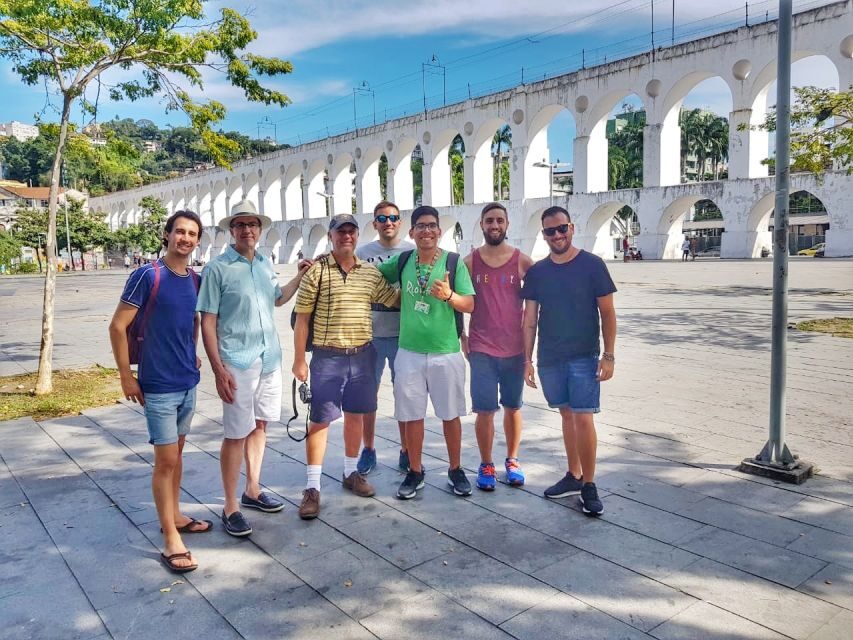
At $60 per person, this is not the cheapest way to see Rio’s center—but it also isn’t priced like a private car tour. The value comes from the mix: a guided walk plus multiple interior visits.
Interior access is usually what turns a generic “see downtown” stroll into something more substantial. You’re not just looking at exteriors; you’re getting the context that makes those places matter.
You also get a small-group format and guide interaction designed to help with real travel decisions afterward (restaurants, photo tips, and evening plans). For a first taste of Rio’s core history and daily life, I’d call it a reasonable value—especially if interiors are high on your priority list.
What to bring, what to watch for, and walking-in-rain reality
This is a walking tour that runs rain or shine, so pack for weather you can’t fully control. The key item you’re told to bring is comfortable shoes, and I strongly agree.
Downtown streets can be uneven, and a 3-hour walk adds up quickly. If you go in flip-flops or thin-soled shoes, you’ll feel it by the end—fast.
Also, this tour is not suitable for people with mobility impairments, which means you should consider alternative options if walking distance is a concern.
The one logistical detail you shouldn’t ignore
Meeting point accuracy matters for tours like this. The start is in front of the Theatro Municipal in Praça Cinelândia, and you should plan to arrive a few minutes early so you’re not playing phone tag.
One experience highlighted that meeting point precision and phone reachability could be improved. I’ll translate that into practical advice: take a screenshot of the exact meeting location on your map, and double-check you know what landmark you’re using to orient yourself.
Should you book this Rio downtown and Lapa tour?
Book it if you want structure for your first days in Rio—especially if you like history tied to real buildings and you want your sightseeing to come with context. It’s also a strong fit if you’d rather walk with a guide than bounce between sites on your own, because you’ll get help with photo spots, food ideas, and evening plans.
Skip or rethink it if you hate walking in rain, need step-free accessibility, or you’re chasing only big, obvious “must-see” attractions. The tour leans more toward understanding Rio’s center and institutions than collecting nonstop postcard moments.
If you’re planning to do beaches later, this is a smart warm-up. You’ll get the city’s backbone first, then the ocean view hits harder because you understand what you’re looking at.
FAQ
What’s the duration of the Rio de Janeiro Historical Downtown and Lapa Walking Tour?
The tour lasts 3 hours.
How much does the tour cost?
It costs $60 per person.
Where does the tour start?
Meet in front of Theatro Municipal (Praça Cinelândia).
What’s included in the tour?
The tour includes a walking tour of Rio’s city center and interior visits to the old cathedral, the imperial palace, and the national library.
What languages are available for the live guide?
The live guide is available in English, Portuguese, and Spanish.
Is the tour canceled if it rains?
No. The tour happens rain or shine.
Is this tour suitable for mobility impairments?
No. It is not suitable for people with mobility impairments.
Can I get a refund if I cancel?
Yes. There’s free cancellation up to 24 hours in advance for a full refund.