REVIEW · RIO DE JANEIRO
Petrópolis Teresópolis Trekking Expedition – 3 days – PARNASO – Rio de Janeiro
Book on Viator →Operated by Rio Eco Trip · Bookable on Viator
That early mountain start can change your whole week. The Petrópolis Teresópolis Trekking Expedition crosses Serra dos Órgãos National Park (PARNASO) on a classic, demanding route between Petrópolis and Teresópolis, usually around 30 km over 3 days, with real overnight camping. I love that you get camp tent lodging plus meals and park fees already built in, so you can focus on the trail. I also like that the trip is run as a private experience for your group and offered in Portuguese, English, and Spanish. The big consideration: conditions can shift fast at altitude, and the plan may be shortened or adjusted for safety if weather turns rough.
This is not a casual stroll. You should be ready for steep climbs and sharp descents through the Atlantic Forest area, plus the extra work that comes with carrying your stuff, staying dry, and moving efficiently as the day wears on.
In This Review
- Key things to know before you go
- Serra dos Órgãos to Teresópolis: what you’re really signing up for
- Day-by-day: how the 3 days usually unfold
- Day 1: start early, hike in, and set up camp
- Day 2: the technical day with harness and rope
- Day 3: finish the crossing and get your send-off
- What’s included: value that actually affects your comfort
- What you need to bring (and what people forget)
- Guides, route knowledge, and the safety reality in mountain weather
- Timing and pickup: the 6:00 am plan
- Who this trek suits best
- Price and value: what $450 buys you here
- Tips to help you have a better trek day
- Should you book Petrópolis–Teresópolis Trekking?
- FAQ
- What city does the trek start in?
- What time does the expedition begin?
- How long is the hike?
- What’s included in the price?
- Do I need to bring a sleeping bag and trekking backpack?
- Is pickup included from Rio de Janeiro hotels?
- What language is the experience offered in?
- Is the tour private?
- What fitness level is required?
- What happens if weather is bad?
Key things to know before you go
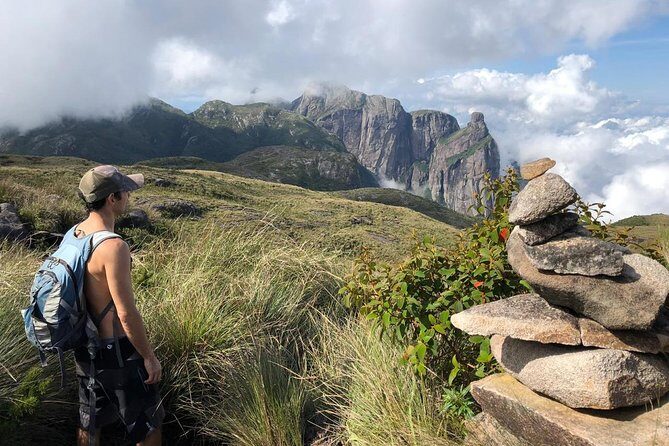
- Serra dos Órgãos (PARNASO) crossing on one of Brazil’s most famous hiking routes, typically about 30 km
- Overnight in included double camp tents, with 2 breakfasts and 2 dinners provided
- Harness and rope on day two, so expect at least one more technical moment than a standard hike
- Pickup and transfers included from Rio de Janeiro to Petrópolis and back from Teresópolis to Rio de Janeiro
- Languages: Portuguese, English, and Spanish, with an expedition briefing starting during the drive
Serra dos Órgãos to Teresópolis: what you’re really signing up for
This trekking expedition links Petrópolis and Teresópolis by crossing Serra dos Órgãos National Park. You’ll be moving through a rugged chunk of Brazil’s Atlantic Forest zone, with lots of wildlife activity in the ecosystem. The route is known for steep sections: expect climbs that test your legs and descents that test your knees.
Most treks like this start with optimism and end with respect for gravity. The good news is that the route is also known for its views and variety: the park’s terrain changes as you climb, so the day doesn’t feel like one long identical stretch. You’re gaining and losing elevation across a mountainous landscape, not just walking in a straight line.
One detail that matters here is altitude. The trek is done at an average altitude around 2,000 meters, and that can make effort feel heavier, especially if you’re sensitive to thinner air or you rush your pacing.
You can also read our reviews of more hiking tours in Rio de Janeiro

Day-by-day: how the 3 days usually unfold
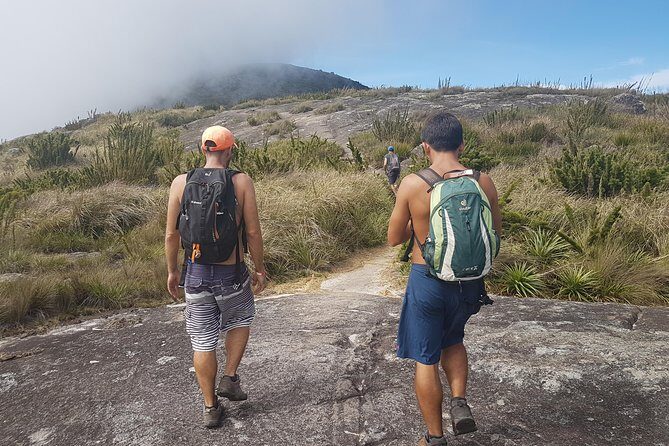
The trip is set to start at 6:00 am, with pickup from your Rio de Janeiro hotel or flat. You’ll drive to the trail area and get an expedition briefing during that drive, which is when your guide should help you get your bearings fast: how the days break down, what equipment matters, and what to watch for in the weather.
Day 1: start early, hike in, and set up camp
Day one is your launch day. You’ll begin the trek and work your way through the park toward the first overnight setup. Since the trek is typically about 30 km total over 3 days, day one usually feels like the “find your rhythm” part of the route. This is also the day when you’ll want to pace smarter than you think you need to.
Meals on the schedule include dinner on the first night. That matters because after a full hiking day, having food handled is a major comfort. You’ll also sleep in the included double camp tent for your group, so you’re not stuck renting or tracking down camping gear last-minute.
Day 2: the technical day with harness and rope
Day two is where the trip adds a mountaineering-style element. Included in the hike is climbing safety equipment (harness and rope), designed for use on the second day.
The key point: this is still a hiking expedition, but it’s not purely flat-footed walking. You may face steeper or rockier terrain where the rope/harness setup helps with safety and confidence. If you’re comfortable following instructions and you don’t mind brief technical sections, you’ll likely feel good about this day.
Breakfast is included for day two, which helps you start strong instead of hiking on empty energy. Still, plan your energy like a mountain day: move steadily, take short breaks, and don’t “win” the trail by rushing.
Day 3: finish the crossing and get your send-off
Day three wraps up the crossing and brings you back toward your final return to Rio de Janeiro via Teresópolis. You’ll have breakfast included again on the second and third days, so the final morning should feel more manageable than a day-start without food.
The experience ends with you coming back tired, safely, and happy—because that’s usually how a well-run multi-day trek lands. The transfers are included, so once you’re done hiking, you’re not left solving transportation on sore legs.
You can also read our reviews of more tours and experiences in Rio de Janeiro

What’s included: value that actually affects your comfort
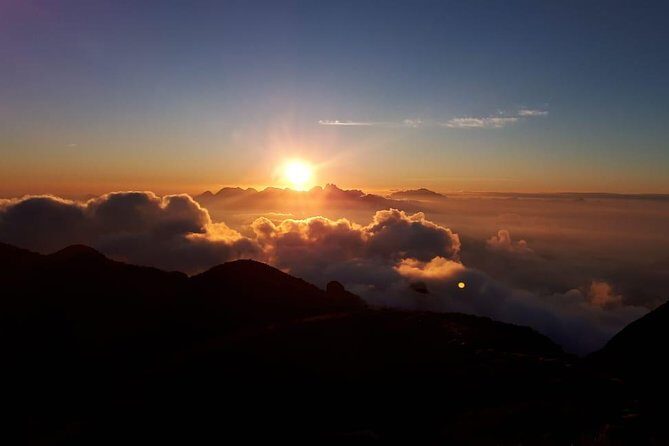
At $450 per person, the real question is not the sticker price. The question is: what’s taken off your plate?
Here’s what’s included:
- Double camp tent accommodation
- 2 breakfasts and 2 dinners
- First aid kit
- Private transportation
- Harness and rope (for the technical component on day two)
- Guidance on equipment and food
- Expert guides on long distance trekking
- Serra dos Órgãos National Park fees
- Transfers: Rio de Janeiro to Petrópolis and Teresópolis back to Rio de Janeiro
For me, the best value items are the ones tied to safety and logistics. Park fees mean you’re not guessing about entry rules. Transfers remove a huge barrier because this isn’t a hike you easily cobble together on your own. And the harness/rope inclusion signals that at least one part of the route gets handled with proper climbing safety.
The tent inclusion also matters. Even if you’re a confident packer, having the camp system organized reduces friction. You still bring your own sleep gear, which I’ll cover next.
What you need to bring (and what people forget)
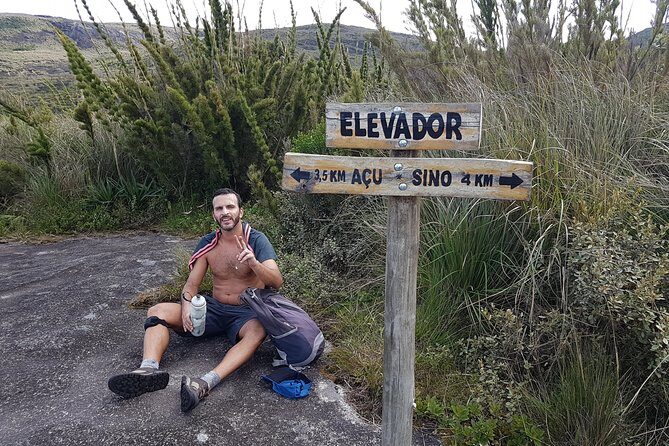
The expedition spells out mandatory gear, and it’s worth treating that list seriously. This is a multi-day trek at altitude where dry comfort and foot support make or break your mood.
Plan to bring:
- ID or passport
- Trekking backpack (if you don’t have one, inform the team)
- Sleeping bag (if you don’t have one, inform the team)
- Bottle of water
- Hiking boots/shoes
- Dry fit / polyamide shirts
- Anorak or fleece
- Plastic bags for trash
- Toilet paper
- Cell phone
- Snacks for the day
A practical note: bring a way to keep small items dry. Plastic bags are listed for trash, but they’re also useful for keeping your extra layer or phone safe if weather turns wet.
Footwear deserves extra attention. If your shoes aren’t built for uneven rocky descents, day two can feel like a leg and shin negotiation.
Guides, route knowledge, and the safety reality in mountain weather
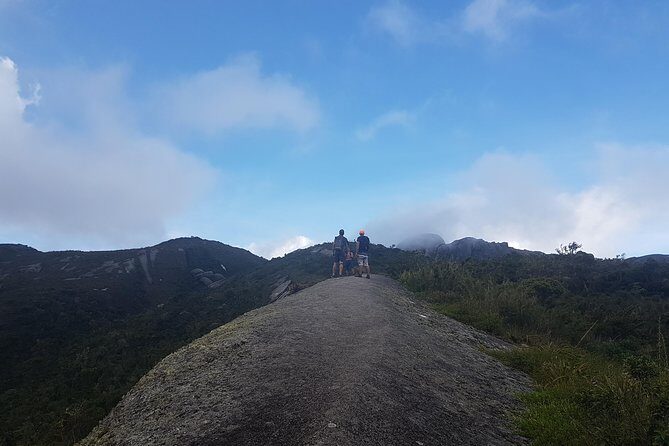
A trek like this depends on two things: route know-how and weather sense. Most of the time, you’ll feel calm because the guide is keeping you on track and moving with purpose.
In one tough case, a guide was described as having poor route familiarity and struggling with equipment, and the group reported safety issues when weather worsened. In that situation, the trek was aborted and the group was refunded. The important takeaway isn’t blame—it’s physics. At this altitude, mist, heavy winds, and rain can turn a plan into a risk quickly, and a responsible operator should adjust the route rather than push forward.
In a positive example, a guide named Thalles was praised for taking good care of the group, giving strong guidance, sharing stories about the area, and cooking well. That kind of guiding makes a technical day easier because you’re not guessing what’s coming next.
So how do you protect yourself before you go?
- Ask what the day-two harness/rope segment involves at a general level (just to calibrate your comfort).
- Confirm your questions about gear condition, especially the tent system.
- Be honest about your fitness level. You’re required to have a strong physical fitness level, and that requirement exists for a reason.
Timing and pickup: the 6:00 am plan
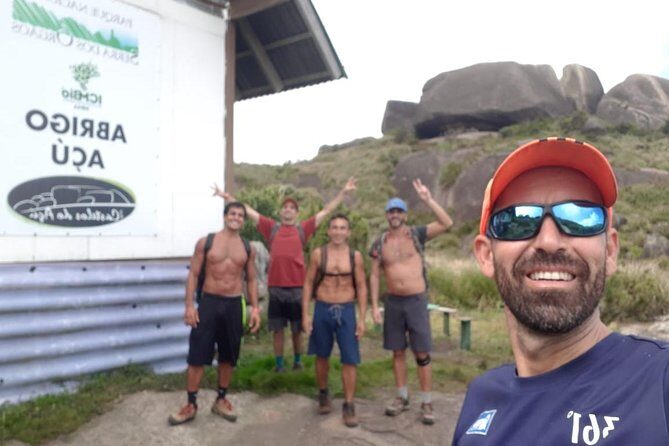
The start time is 6:00 am, and pickup is offered in Rio de Janeiro from your hotel or flat. If your accommodation isn’t on a listed pickup list, you’re asked to send the address so the pickup can be organized.
This kind of early departure is common for mountain hikes because you want daylight and safer travel windows. It also gives your guide time to move you into position before conditions change.
Who this trek suits best
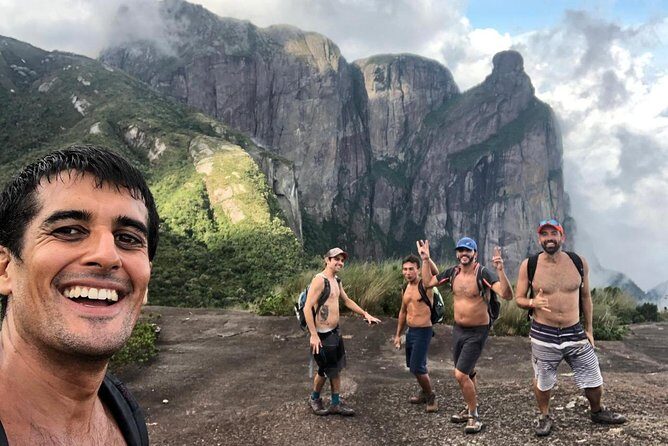
This is ideal for you if:
- You want a classical mountaineering-style hike, including a technical component on day two
- You’re comfortable with long-distance trekking over multiple days
- You like the idea of camping with your group and having meals handled
- You can handle steep climbs and steep descents without needing frequent long breaks
It’s not a great fit if:
- You’re looking for a relaxed day trip with minimal physical strain
- You’re not confident on uneven terrain or you struggle with steep descents
- You have limited flexibility to adjust plans if weather changes fast
Price and value: what $450 buys you here
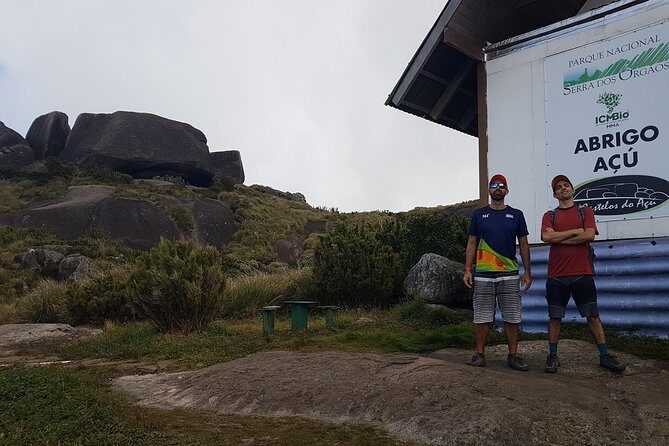
For $450, you’re not just paying for “a guided hike.” You’re paying for a whole package of hard-to-manage pieces:
- Tents and meals
- National park fees
- Transfers between Rio de Janeiro, Petrópolis, and Teresópolis
- Safety gear for the technical day
- A guide focused on long-distance trekking
If you tried to DIY this route, you’d likely spend money and time on park logistics, transport, safety gear, and meal planning. The trek is also typically booked about 48 days in advance, which can matter for securing the dates that match your schedule.
That said, the mountain element is not a product you control. Weather can affect the outcome. When the operator has to adjust for safety, what you care about is communication and a fair resolution.
Tips to help you have a better trek day
A few things can make the experience smoother even if the mountain throws curveballs:
- Pack for wet conditions even if the forecast looks fine. Bring what the list asks for, and keep your most important items dry.
- Move with discipline on descents. Short steps and controlled pace save your knees more than you’d think.
- Use the briefing. That drive briefing is your chance to ask quick questions about gear, timing, and how the rope/harness day works.
- Treat the first day as setup. Don’t burn your energy trying to set a pace record.
Should you book Petrópolis–Teresópolis Trekking?
If you’re a fit hiker who wants a real multi-day experience in Serra dos Órgãos, this can be an excellent choice. You get practical inclusions that reduce stress: tents, meals, transfers, park fees, and safety equipment.
I’d recommend booking if:
- You’re prepared for steep climbs and descents
- You’ll pack carefully for altitude and weather changes
- You’re comfortable that the plan may be modified if conditions become unsafe
I’d pause and ask more questions if:
- You’re worried about technical segments and want clarity on rope/harness expectations
- You’re relying on rented or shared gear without checking what condition it’s in
- You’re not sure you meet the strong fitness requirement
If you’re ready for a serious trail and you pack smart, this is the kind of trek that leaves you with tired legs and a big sense of having earned your views.
FAQ
What city does the trek start in?
The trek starts in Rio de Janeiro with pickup from your hotel or flat.
What time does the expedition begin?
The start time is 6:00 am.
How long is the hike?
It’s usually held in 3 days, covering about 30 km.
What’s included in the price?
Included items include double camp tents, 2 breakfasts and 2 dinners, first aid kit, private transportation, harness and rope for the second day, guidance on equipment and food, expert long-distance trekking guides, Serra dos Órgãos National Park fees, and transfers between Rio de Janeiro, Petrópolis, and Teresópolis.
Do I need to bring a sleeping bag and trekking backpack?
Yes. A sleeping bag and a trekking backpack are listed as mandatory items. If you don’t have them, you should inform the team.
Is pickup included from Rio de Janeiro hotels?
Yes, pickup is offered. If your hotel isn’t listed, you must provide your hotel or flat address so they can organize pickup.
What language is the experience offered in?
The experience is offered in Portuguese, English, and Spanish.
Is the tour private?
Yes. It’s described as private, restricted to your own group.
What fitness level is required?
Travelers should have a strong physical fitness level.
What happens if weather is bad?
This experience requires good weather. If it’s canceled due to poor weather, you’ll be offered a different date or a full refund.