REVIEW · RIO DE JANEIRO
Climb Rio de Janeiro: Rock Climbing Tailored for All Levels
Book on Viator →Operated by Itaway Ecotours · Bookable on Viator
Rio’s cliffs make a great first climb.
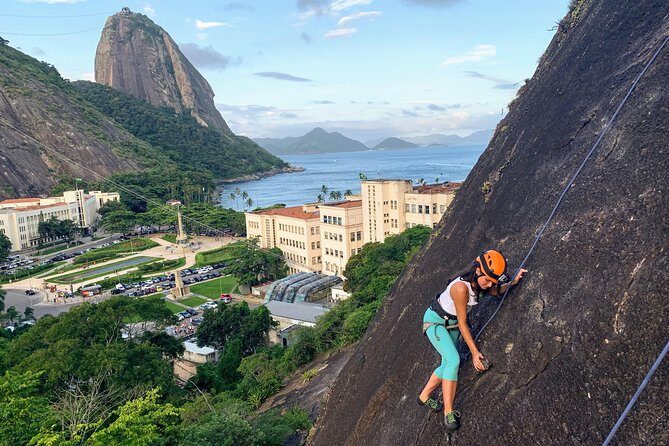
What I like most about Climb Rio de Janeiro is the way it matches you to the right route for your level, plus the small, high-attention coaching setup—there’s two people per instructor. You also get a real “Rio payoff” built in: you’re climbing with dramatic views around Sugarloaf and Urca, not in some random training wall.
Another big plus is how comfortable the guides can make the whole experience feel, especially if you’re nervous. Names that came up in solid feedback include Victor and Adilio, and that matters because good instruction turns safety skills into confidence fast. The main thing to consider is weather: this is a good-weather activity, so if conditions are poor you may need to shift dates or get a refund.
In This Review
- Key things to know before you climb Sugarloaf from Urca
- Urca as your launch point for Sugarloaf climbing
- How your route gets chosen (and why it’s the whole point)
- What happens during the ~3 hours
- Entering the climb: instruction that turns fear into technique
- The Urca and Sugarloaf stop: views with actual climbing value
- Multi-pitch vs top-rope: what you’ll likely experience
- Your gear is included, and that matters in Rio
- Small group coaching: two climbers per instructor
- Cable car descent to Morro da Urca: the easy payoff
- Morning vs afternoon: choosing your best energy window
- Price and value: what $127.42 covers
- Who should book this climb (and who might want a different plan)
- What to do before you go (so the day feels smooth)
- Should you book Climb Rio de Janeiro with Itaway?
- FAQ
- How long is the climbing experience?
- Where do I meet for the tour?
- Is this a private tour?
- What skill levels can participate?
- What climbing gear is included?
- Is food and water included?
Key things to know before you climb Sugarloaf from Urca
- Up to two hours of climbing during a total ~3-hour experience
- Route tailored to your experience, with multi-pitch options and top-rope for first-timers
- Small-group coaching with just two climbers per instructor
- All core gear included (shoes, harness, helmet, belay/rappel device, plus rope/anchors)
- Cable car descent to Morro da Urca included if you climb Sugarloaf Mountain
Urca as your launch point for Sugarloaf climbing
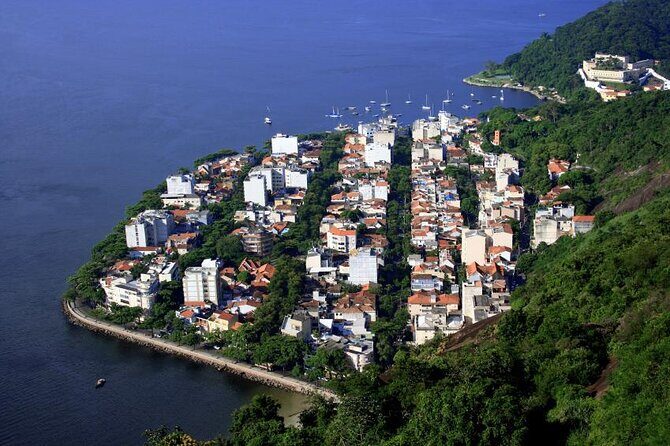
This climb is based in Urca, with the meeting point at Praça Gen. Tibúrcio, 75 – Urca. It’s a smart setup because you’re close to the places that make Rio feel like Rio. Even before you’re on the rock, the area gives you that immediate sense of place: views, ocean air, and the iconic Sugarloaf silhouette.
The activity ends back at the same meeting point, so you’re not stuck figuring out how to get out of an awkward timeline after you climb. For a short 3-hour window, that simple logistics piece is worth something.
You can also read our reviews of more tours and experiences in Rio de Janeiro.



How your route gets chosen (and why it’s the whole point)
Here’s where the tour earns its “for all levels” promise. You choose the option that matches your skill level, and then an Itaway agent helps determine the chosen climbing route based on your past experience. That means you’re not just handed a grade and told good luck—you’re guided toward a route style that fits what you can handle.
You’ll typically see two main types of climbing offered:
- Top-rope for first-time climbers and beginners
- Multi-pitch for more advanced efforts, with options also available for intermediate and beginner categories
Multi-pitch can sound intimidating, but in practice it’s about building progression: you move through segments with the right pacing and coaching. If you’re newer, you’ll get a route that lets you learn the key movement patterns and safety steps without feeling thrown into the deep end.
What happens during the ~3 hours
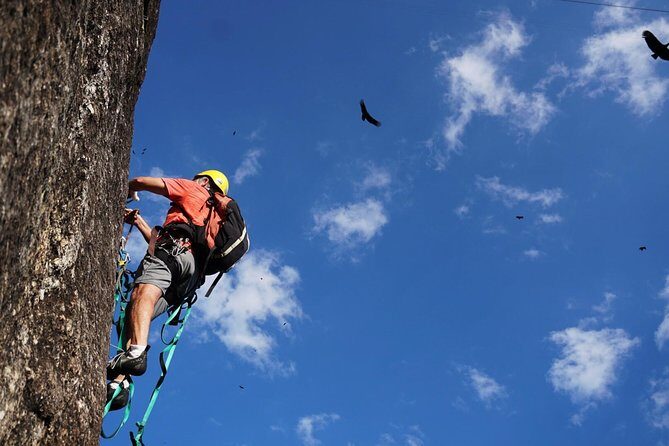
The schedule is built around a short but meaningful session. Expect about 3 hours total, with up to two hours spent climbing, depending on your chosen route and conditions.
You’ll spend time on instruction and safety setup, then you’ll get on the rock. The goal is not to rush. It’s to get you climbing in a way that actually teaches you what to do next—so you’re not just repeating moves, you’re building usable skills.
Entering the climb: instruction that turns fear into technique
The standout theme in the feedback is how well guides set people up to feel secure. That’s not fluff. In climbing, a lot of anxiety is really uncertainty: What do I do with the rope? Where do I look? What if something feels off?
Guides like Victor and Adilio came up in high-scoring reviews for making people comfortable on their first time outside, including solo climbers. That comfort doesn’t mean less safety. It usually means clear explanations, calm coaching, and enough time to practice the basics before you commit to the route.
If you’re a beginner, this is also where top-rope shines. Top-rope helps you focus on climbing movement while the system handles much of the risk.
The Urca and Sugarloaf stop: views with actual climbing value
The itinerary’s single stop is Urca, but that stop is doing heavy lifting because it connects you to Sugarloaf Mountain climbs. The main climbing time is up to two hours on your selected route, and you’ll be able to learn with the dramatic Sugarloaf backdrop as part of the experience.
One review mentioned practicing with top views of the beach and Sugarloaf Mountain, and that’s exactly what makes this tour more memorable than a random rock session. Your brain can relax when the setting looks incredible—less panic, more attention to technique.
A practical note: because this is outside rock climbing, you’re relying on conditions like wind, rock slickness, and visibility. If you book for a day with good forecast conditions, you’re setting yourself up for the smoothest run.





Multi-pitch vs top-rope: what you’ll likely experience
If you’re choosing a top-rope option, you can expect a first-time friendly path that focuses on fundamentals. You’ll learn core safety movements, how belaying and equipment interaction works in real life, and the “feel” of rope management while you climb.
If you’re choosing multi-pitch, the vibe shifts. Multi-pitch is more about longer sequences, transitions, and staying calm while you continue moving through the route. It’s great for intermediate and advanced climbers, but it can also be offered at levels that help beginners build up—if your experience level supports it.
The tour’s tailoring is what keeps this from being a one-size-fits-all sales pitch. You select the tour option that aligns with your skill level, and then the route is set accordingly.
Your gear is included, and that matters in Rio
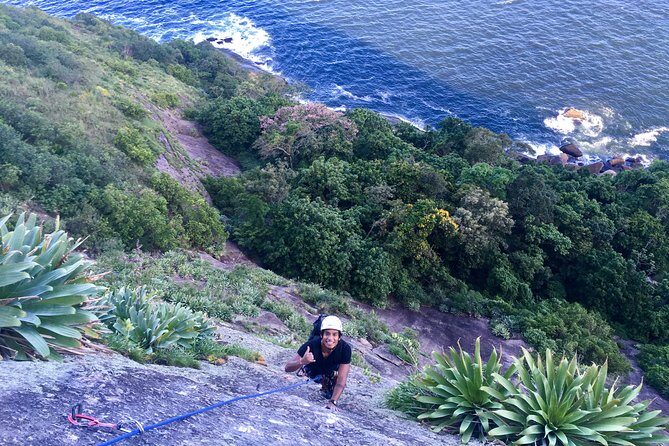
This is not a “bring your own harness and hope” kind of activity. You get individual climbing equipment including climbing shoes, harness, helmet, and a belay/rappel device. You also get collective climbing equipment like rope, quickdraws, and anchor-building tools.
That’s a big deal because shoe fit and helmet/harness comfort can make or break your day. Having the right gear provided also reduces the stress of arriving in Rio and trying to source climbing equipment last minute.
You should still bring your own basics for you: comfortable clothing you can move in, and anything personal you like for comfort. But the key climbing components are covered.
Small group coaching: two climbers per instructor
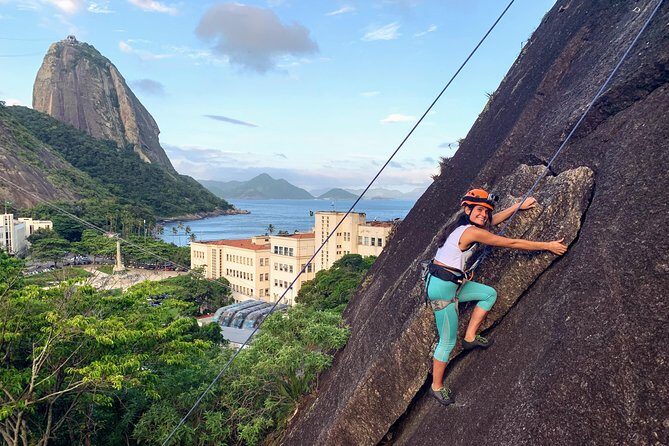
One of the strongest value signals here is the teaching ratio: two people per instructor. In a sport where you want feedback at the exact moment you try a move, that ratio helps a lot.
Think about what you need when learning outdoors:
- corrections for body position and foot placement
- reminders for rope handling and safety checks
- encouragement when you hit a route section that feels harder than expected
Small numbers mean you’re more likely to get time-specific coaching instead of generic instructions that fit nobody perfectly.
Cable car descent to Morro da Urca: the easy payoff
If you climb Sugarloaf Mountain, you’ll get a cable car descent ticket to Morro da Urca included. That adds an extra layer of convenience. You’re not left improvising a return plan or spending time on transit after you’re tired from climbing.
It also changes the rhythm of the experience: you can focus on climbing and then transition smoothly back to the rest of your Rio day. For many people, that is the difference between a good activity and a great one—no friction at the end.
Morning vs afternoon: choosing your best energy window
You can pick a morning or afternoon option to fit your schedule. That matters because climbing takes concentration. If you’re visiting Rio and juggling beaches, viewpoints, and travel time, an afternoon slot might work better if mornings are already crowded with other plans.
If you’re sensitive to heat, you might prefer whichever time feels cooler on your dates. The important part is that the tour is only as good as the conditions—so treat weather forecast as your deciding factor, then choose the slot that works best for your day.
Price and value: what $127.42 covers
At $127.42 per person for about 3 hours, you’re paying for more than just “access to rocks.” You’re paying for:
- a certified bilingual instructor
- all core gear needed to climb safely
- collective safety setup equipment
- and, when applicable, the cable car descent component
For Rio, that price can feel fair because the experience is instruction-forward. You’re not just buying a view. You’re buying coaching time and a guided progression that can help you climb with confidence.
Also, consider the private-feel aspect. This is listed as a private tour/activity, with only your group participating, and coaching is structured for small numbers. That’s a strong value element for people who don’t want to share instruction attention with a bigger crowd.
Who should book this climb (and who might want a different plan)
This tour is a great match if you:
- want outdoor climbing with real coaching
- are a beginner, first-timer, or intermediate climber who wants structure
- prefer a small group with close supervision
- like the idea of combining climbing with iconic Sugarloaf views
It may be less ideal if you:
- can’t handle outdoor weather changes, since the experience requires good weather
- need a very long, flexible timeline (this is tight at around 3 hours)
If you’re an advanced climber expecting a fully self-directed project session, you might find the session style more instructional than exploratory. But if you want guided climbing that matches your level, it still fits well.
What to do before you go (so the day feels smooth)
You’ll choose the tour option that matches your skill level, and the route gets matched based on your past experience. So do one thing before you book: be honest with yourself about what you’ve done before.
Then, on the day:
- plan to arrive at Praça Gen. Tibúrcio, 75 – Urca a bit early so you’re not rushing
- bring snacks and water from outside, since these are not included
- wear clothing you can climb in, not stiff clothes meant for sitting
If you’re nervous, that’s normal. The strongest results come when you show up with questions and let the instructor set the pace.
Should you book Climb Rio de Janeiro with Itaway?
I’d book this if you want a well-run outdoor climbing experience in Rio with gear included and coaching that’s built for your level. The combination of tailored routes (top-rope for beginners, multi-pitch options for higher levels), the small two-person per instructor format, and guides like Victor and Adilio getting consistently strong feedback makes it a low-drama way to try real climbing outdoors.
Book it with one caveat in mind: check weather. If conditions aren’t good, you may need a date change or a refund. If your schedule allows flexibility, that’s easy to manage—and the payoff is a memorable climb with Sugarloaf views and genuine instruction.
FAQ
How long is the climbing experience?
The tour runs for about 3 hours. You’ll get up to about two hours of climbing time, depending on your route and conditions.
Where do I meet for the tour?
You meet at Praça Gen. Tibúrcio, 75 – Urca, Rio de Janeiro – RJ, 22290-270, Brazil. The activity ends back at the same meeting point.
Is this a private tour?
Yes. It’s a private tour/activity, and only your group will participate.
What skill levels can participate?
It’s designed for all abilities, from beginner to advanced. You’ll choose the option that matches your skill level, and the route is selected based on your past rock climbing experience.
What climbing gear is included?
You get individual equipment: climbing shoes, harness, helmet, and a belay/rappel device. You also get collective equipment such as rope, quickdraws, and anchor-building equipment.
Is food and water included?
No. Snacks and bottled water are not included, so plan to bring or buy them.