REVIEW · RIO DE JANEIRO
Rio: Tijuca Forest Small Group Hike to Caves and Waterfalls
Book on GetYourGuide →Operated by Jungle Me · Bookable on GetYourGuide
Tijuca’s waterfalls start when the city fades. I love the small-group hike on rainforest trails shaped by 19th-century coffee plantations, and I love the packed mix of cave, chapel, suspension bridge, and a real waterfall shower at Baronesa. The trade-off: the footing can be rough, and wildlife spotting is never guaranteed.
Expect a 6-hour outing where you’ll walk about 6.2 km (3.8 mi) with around 448 m (1,469 ft) of elevation gain. This is a moderate hike (about 2.5–3 hours of actual trekking), guided in English and Portuguese, plus hotel transport from many South Zone hotels and hostels.
In This Review
- Key things I’d circle on your map
- Tijuca Forest feels like Rio’s backyard, not a far trip
- Getting there right: South Zone hotel pickup and a realistic pace
- Cascatinha Taunay: the first major payoff waterfall stop
- Mayrink Chapel and the 1800s coffee plantation trail vibe
- The middle stretch: Cova da Onça bridge and the eucalyptus forest
- Morcego’s Grotto (Bat Cave): the largest gneiss cave in Brazil
- Cascata da Baronesa: the waterfall shower moment (and why it’s worth planning for)
- More stops that connect you to Rio’s character: viewpoints, bridges, and ruins
- The guide makes it: English and Portuguese plus real context
- Fitness reality check: moderate, but not flat and not stroller-friendly
- What to bring (and what to skip)
- Price and value: $69 for a full half-day in Tijuca Forest
- Should you book this Tijuca Forest hike to caves and waterfalls?
- FAQ
- How long is the tour and how much of it is hiking?
- Is hotel pickup included?
- Is food or water included?
- What fitness level do I need?
- What should I bring for the hike?
- Do I need to provide passport details?
Key things I’d circle on your map
- Cascatinha Taunay: the park’s big waterfall stop, with time to take it in
- Mayrink Chapel (1850): a quick photo stop that adds real 1800s context
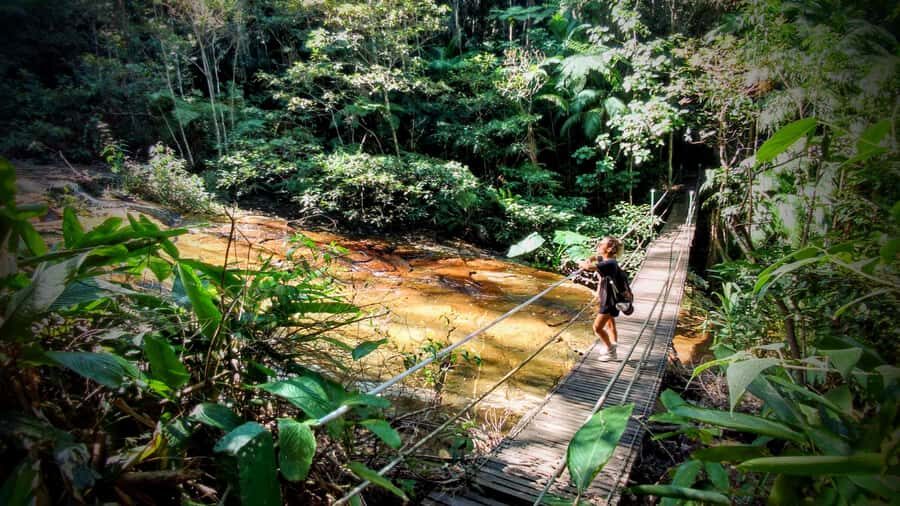
- Cova da Onça suspension bridge: a tense little crossing with jungle all around
- Morcego’s Grotto (Bat Cave): the largest gneiss cave in Brazil, plus a short hike inside the experience
- Cascata da Baronesa: your chance to cool off under water
- Guides who connect geology and history: the rainforest story doesn’t stay in the trees
Tijuca Forest feels like Rio’s backyard, not a far trip
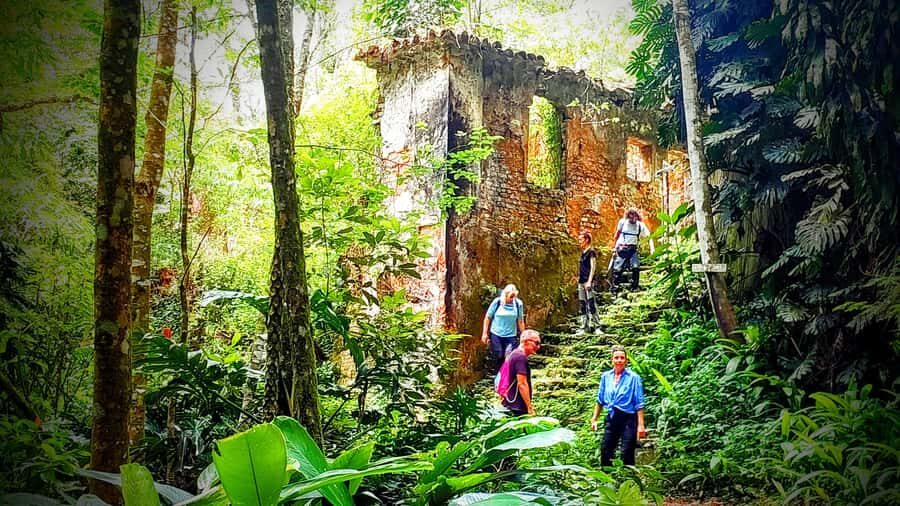
Tijuca Forest National Park is the kind of place that changes your sense of distance. You’re in Rio de Janeiro, then—within a short ride—you’re walking under dense rainforest canopy with the city noise fading to background hum.
What makes this tour work so well is that it treats the forest like a living museum. You don’t just walk from point A to point B. You move along an old circuit that reflects when this area was used for coffee plantations, then later replanted into the world’s largest restored urban forest. That history sticks because the tour drops you at landmarks along the way: chapel remnants, bridge structures, waterfall viewpoints, and cave terrain.
You’ll also get a history and geography lesson during the day, which is the difference between taking photos and actually understanding what you’re seeing. And yes, you’ll still get the fun stuff: waterfalls, caves, and that waterfall shower moment people talk about.
You can also read our reviews of more hiking tours in Rio De Janeiro
Getting there right: South Zone hotel pickup and a realistic pace
Hotel pickup is one of the big practical wins here—when it works for your address. The tour offers transportation from designated hotels/hostels in Rio’s South Zone, including Copacabana, Ipanema, Leblon, Leme, Flamengo, Catete, Glória, Santa Teresa, Urca, and Praia de Botafogo. If your exact hotel isn’t on the list, you’re given a nearby meeting point.
This matters because Tijuca can feel logistically annoying when you’re trying to coordinate buses and taxis on your own. Here, you show up, the driver handles the route, and the guide handles the trail flow.
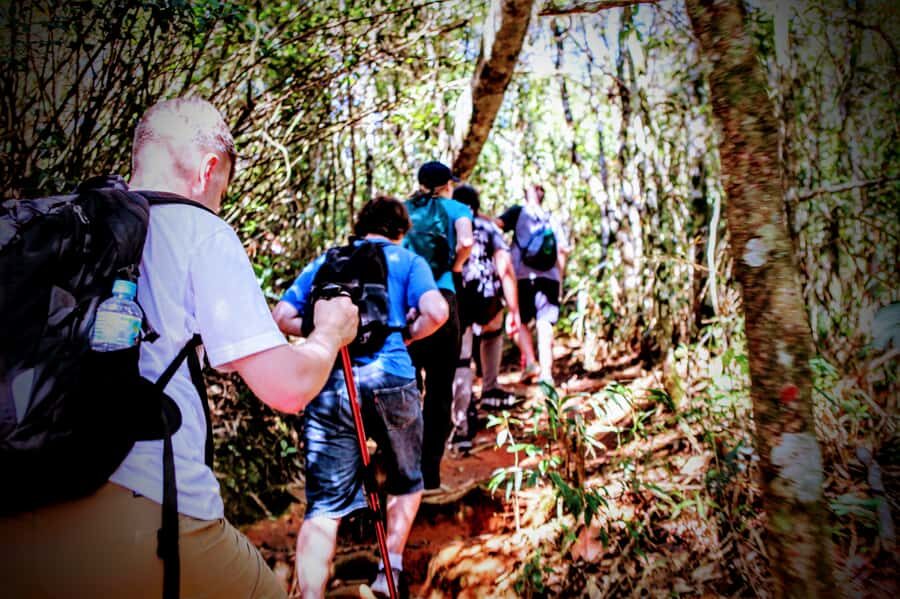
The pace is built around a hike that’s moderate but not casual. You’ll do roughly 6.2 km total with elevation gain of 448 m. In plain terms: you’ll be going up and down, and the trail can be uneven because it’s a rainforest track—not a paved walkway.
One more practical heads-up: transport can feel tight for taller passengers. If you’re broad-shouldered or long-legged, plan to treat the ride as functional, not relaxing.
Cascatinha Taunay: the first major payoff waterfall stop
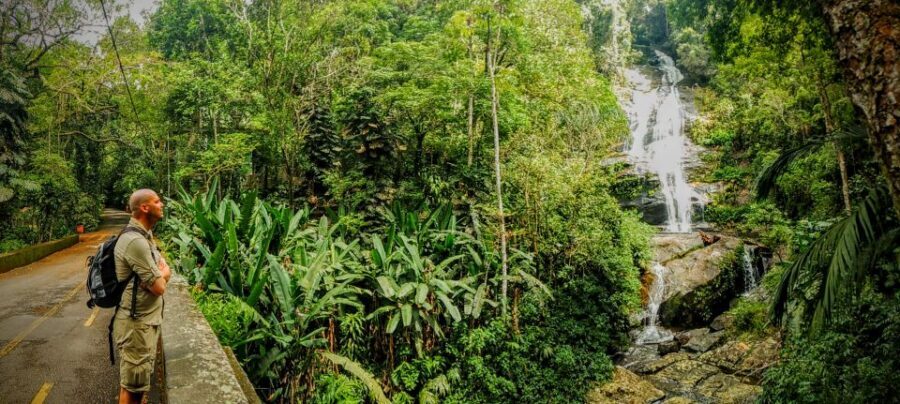
Your day hits nature quickly, starting with stops that are quick but purposeful. Cascatinha Taunay is one of the first big moments: it’s described as the largest waterfall in the National Park, and you’ll have a guided visit with time for sightseeing.
Even when you don’t get a ton of animals, waterfalls are steady. They don’t hide. They deliver. And at Tijuca, waterfalls can look especially dramatic because the forest wraps around them—so you see the water, the surrounding greenery, and the way the terrain channels rainfall into the falls.
This stop is also a good mental gear shift. After the ride and the initial orientation, you’ll start walking feeling like you’re in the right place—not just sightseeing outdoors, but moving through a system of elevation, rock, and water.
Mayrink Chapel and the 1800s coffee plantation trail vibe
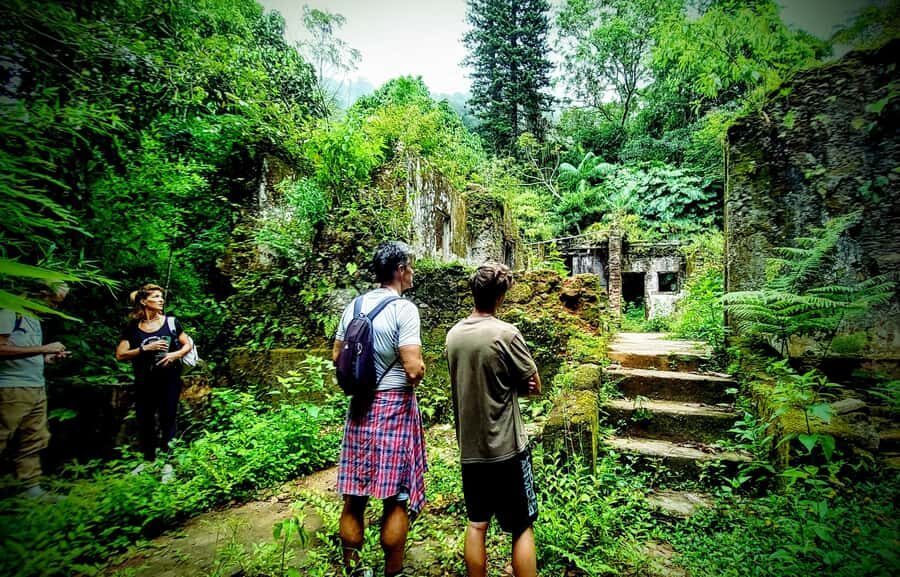
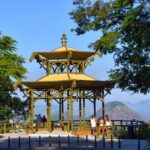
One of the tour’s strengths is that it keeps the timeline moving. Mayrink Chapel (from 1850) is a short photo stop, but it’s tied to why the forest looks the way it does today. You’re not walking a random nature loop; you’re traveling through a landscape that was used, abandoned, and then rebuilt.
That’s where the old coffee plantation era matters. Tijuca Forest is a standout case of reforestation done at a huge scale, and the tour’s route is designed to connect that restoration story to real remnants: chapel structures, historical residence sites, and former plantation-era trails.
If you’re the type who likes a hike with context—geology, history, and why the park exists—this portion is your “aha” moment. If you want only exertion and scenery with zero background, you might feel the historical stops are a pause. But they don’t last long.
The middle stretch: Cova da Onça bridge and the eucalyptus forest
After the early waterfall orientation, you start getting into the “walk-and-wonder” part of the day. This route includes a Cova da Onça suspension bridge, plus a stop that’s tied to the cave region.
You’ll also pass through an eucalyptus forest area, which is notable because it houses an old slave cemetery. That stop is important in a different way than a postcard viewpoint. It forces you to recognize that this rainforest wasn’t always untouched nature—it was shaped by human labor and history before and during the era that preceded restoration.
If you’re sensitive to heavy history, this is where you’ll feel it most. The tour doesn’t market this as a dark detour, but it is. My advice: treat it with respect, slow down your pace for the moment, and let the guide’s explanation land.



Morcego’s Grotto (Bat Cave): the largest gneiss cave in Brazil
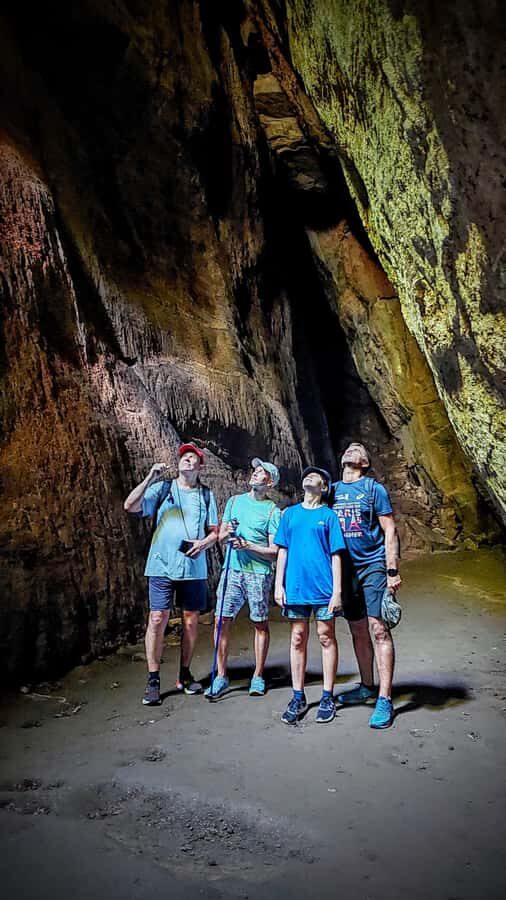
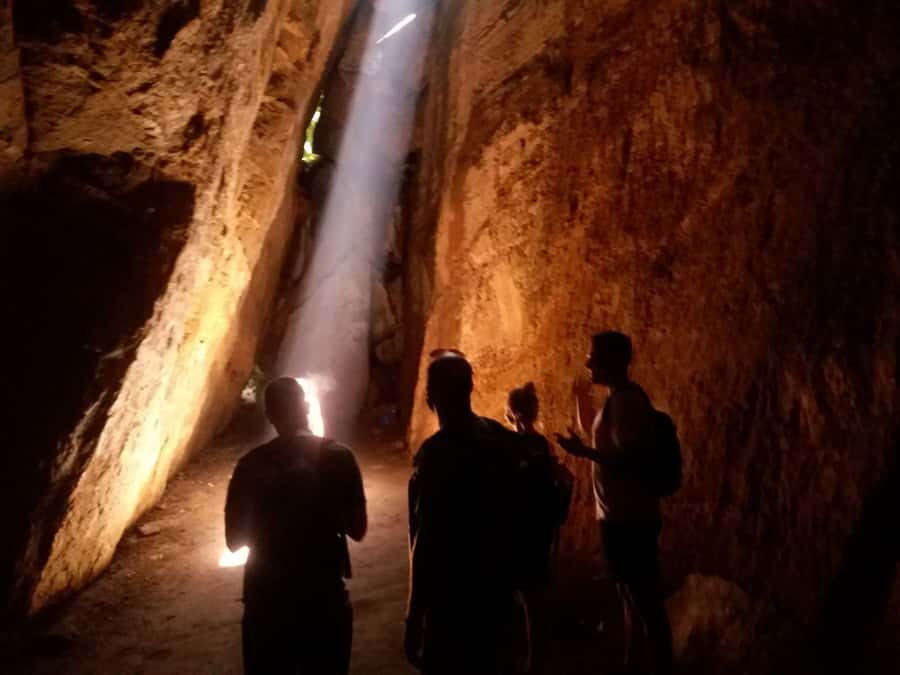
The day’s geology highlight is Morcego’s Grotto, also called the Bat Cave. It’s described as the largest gneiss cave in Brazil, and you’ll have time for a visit plus a short hiking component to reach and experience it.
Caves can be hit-or-miss on tours because they’re either rushed or skipped for time. Here, the cave is a featured stop, not a bonus. You’ll feel the change in environment when you get near it—cooler air, rock textures, and a different kind of quiet.
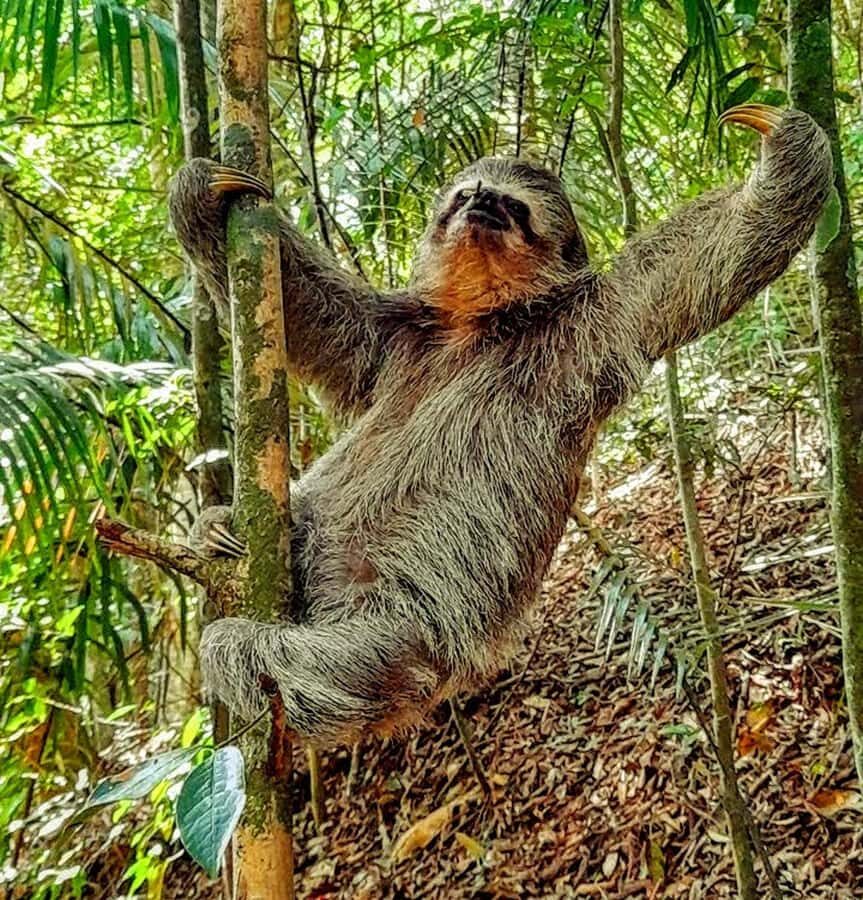
As for actual bats: sightings aren’t guaranteed, and the cave is part of the experience even if you don’t see much movement. The main value is the setting and the way the guide connects the cave to the rainforest terrain and the park’s physical history.
This is also the point in the hike where you’ll appreciate having real footwear and good traction. The forest floor can get slippery, and you don’t want to be thinking about your shoes at the exact moment you’re stepping off a stable trail section.
Cascata da Baronesa: the waterfall shower moment (and why it’s worth planning for)
If you’ve never been under a tropical waterfall in the middle of a hike, this is one of those moments you’ll remember for years.
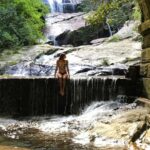
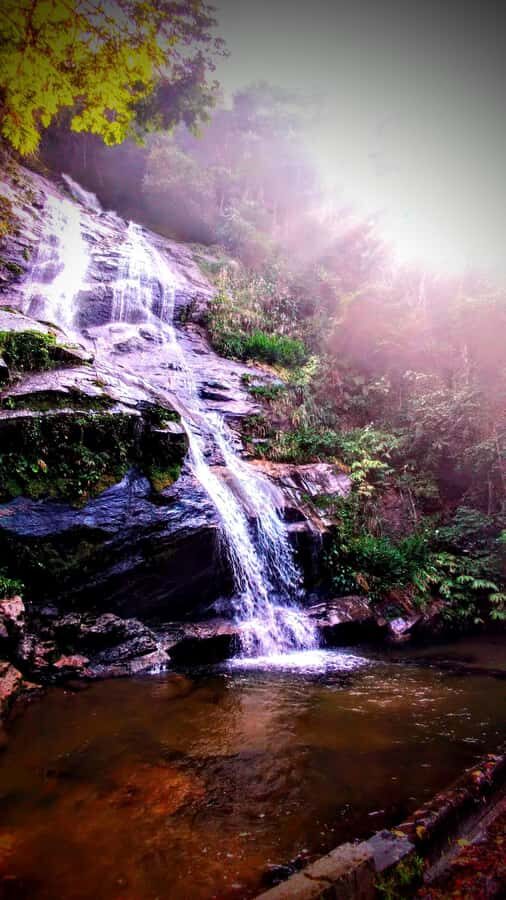
Cascata da Baronesa is the other standout waterfall stop in the circuit. You’ll have a guided visit with walking time, and it’s specifically described as time when you can enjoy a waterfall shower. Basically: you cool off in active water, not just from a distance.
A practical note: bring a good plan for getting wet. The tour doesn’t include food or water, and it also doesn’t promise rain gear. You’ll likely want to have a small dry bag or a place for your phone and essentials if water hits harder than you expect. Even a light shower can leave you damp for the rest of the day.
Also, the energy at this stop tends to shift the group mood. People relax. They take fewer hurried photos and more normal, “we’re here” pictures.
More stops that connect you to Rio’s character: viewpoints, bridges, and ruins
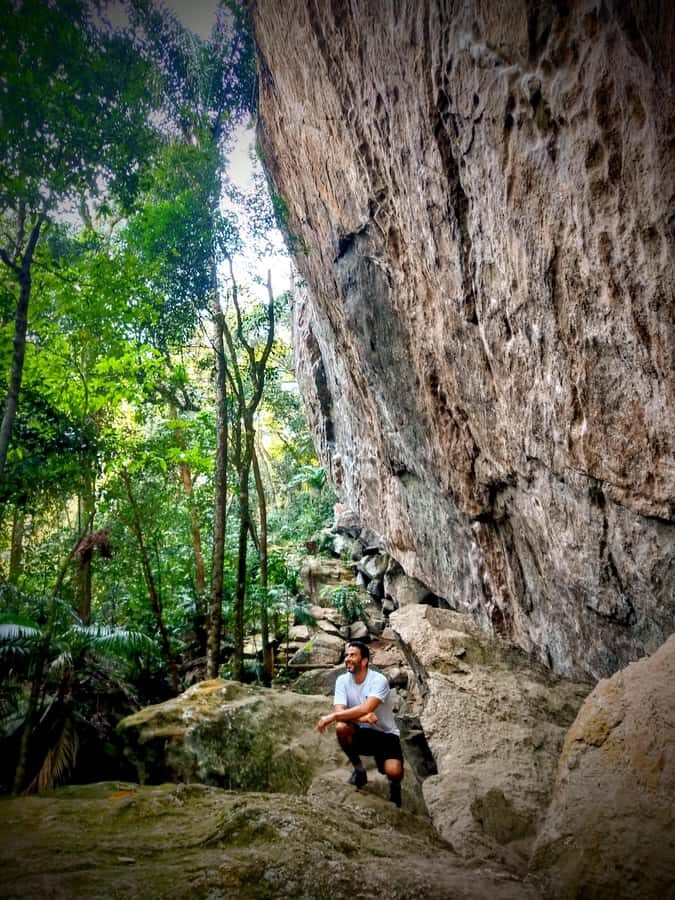
As you head deeper and then start working your way back, the circuit continues with additional photo stops and guided segments that add texture.
A few of the notable elements included in the overall route:
- A former residence of Barão d’Escragnolle, now associated with Esquilos restaurant (you’re guided through the former manager’s presence in the park story)
- Wallace Fountain, with a sculpture representing goodness, charity, sobriety, and simplicity, gifted from English philanthropist Richard Wallace and produced in France in 1870
- Scenic photo stops such as Mirante Da Palmira, plus additional viewpoint time depending on the day
These aren’t random add-ons. They help explain why Tijuca isn’t just “rainforest hiking.” Rio’s identity—its people, its charitable monuments, its 19th-century influence—shows up even inside the trees.
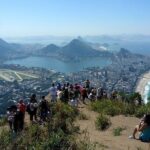
And viewpoints like Mirante Da Palmira give you a breathing moment after effort. You’ll feel the difference between being surrounded by forest and seeing a wider slice of the terrain. Even if the skyline isn’t the goal, the pause helps your body recover enough to keep going.
The guide makes it: English and Portuguese plus real context
This tour runs with a bilingual guide (English and Portuguese), and the best versions of this experience are the ones where you leave with understanding, not just photos.
From what I can tell about how these hikes tend to run, the guide role is more than “follow me.” They provide history and geography lessons tied directly to what’s around you. That includes:
- how Rio’s rainforest connects to Brazil’s broader story
- how the park’s restoration transformed the area after coffee use
- what to look for in the flora and how wildlife and habitats work in a restored urban forest
You’ll also hear names attached to guidance styles people remember—guides like Pietro, Vinnie, Riccardo, Renata, Luiza, Tito, Gustavo, and Fernando show up in real groups. The common thread in those experiences is the energy: guides who keep the hike moving at a steady rhythm and explain why each stop exists.
Fitness reality check: moderate, but not flat and not stroller-friendly
Here’s the honest physical picture. This is rated moderate, but “moderate” in rainforest terrain can feel more intense than you expect.
- Total hiking distance: 6.2 km (3.8 mi)
- Time on foot: 2.5–3 hours of hiking within a 6-hour overall tour
- Elevation gain: 448 m (1,469 ft)
- Terrain: rough rainforest ground with up-and-down sections
You should come ready for uneven surfaces and at least one steeper climb. If you have heart problems, this isn’t suitable. It’s also not designed for wheelchair users.
Also check your own comfort level with time outdoors. Even if the hike is manageable, you’ll be in a damp, shaded environment for hours. Wear breathable clothes, and pick shoes you trust on muddy patches.
What to bring (and what to skip)
The tour gives you the trail and the guidance. You need to show up stocked.
Bring:
- Food and drinks (plus snacks)
- Water
- Sunscreen
- Insect repellent
- Sportswear and a daypack
- Sports shoes (no bare feet)
Not allowed:
- pets
- luggage or large bags
- alcohol and drugs
This is a big part of why the tour feels smooth. When everyone has the basics, the guide can focus on the experience rather than handling basic needs mid-hike.
Price and value: $69 for a full half-day in Tijuca Forest
At $69 per person, you’re paying for more than a walk in the trees. You’re also paying for:
- a bilingual guide and insurance
- transportation from designated South Zone hotels/hostels
- a circuit that includes multiple stops: waterfalls, cave terrain, chapel, bridge, and multiple viewpoints
Is it cheap? No. But it also isn’t overpriced when you compare what you get: a guided route you might not stitch together easily on your own, plus time at key nature and history points.
The two costs you should plan for are simple and on you:
- no food included
- no water/drinks included
If you’d otherwise spend time and money figuring out transport and entry logistics, this price can start to make sense fast.
Should you book this Tijuca Forest hike to caves and waterfalls?
Book it if you want more than a rainforest photo walk. This is for you if you like nature plus context: waterfalls, a major cave stop at Morcego’s Grotto, the Mayrink Chapel history layer, and the chance to learn why Tijuca became the big restored urban forest it is today. The small-group feel and guided stops make it efficient for a half day.
Skip or reconsider if you’re hoping for easy, flat hiking, or if you’re counting on guaranteed wildlife. Some days can feel quieter for animals than others, and the forest’s value here is often in plants, water, rock, and human history in the landscape.
If you’re fit, comfortable with uneven ground, and happy to bring your own snacks and water, this hike is a strong use of time in Rio—one of those half-days that makes the city feel larger, not smaller.
FAQ
How long is the tour and how much of it is hiking?
The tour runs about 6 hours total. You’ll hike roughly 2.5–3 hours on a 6.2 km (3.8 mi) route with about 448 m (1,469 ft) of elevation gain.
Is hotel pickup included?
Yes. Hotel pickup and drop-off are provided from designated hotels/hostels in Rio’s South Zone, including neighborhoods like Copacabana, Ipanema, Leblon, Leme, Flamengo, Santa Teresa, Glória, Catete, Urca, and Praia de Botafogo. If your address isn’t eligible, a nearby meeting point is provided.
Is food or water included?
No. Food and water and drinks are not included, so you should bring snacks and water.
What fitness level do I need?
The hike is moderate and requires good fitness. Expect rainforest rough terrain with up and down sections. People with heart problems should not take part.
What should I bring for the hike?
Bring food and drinks, snacks, sunscreen, water, insect repellent, sports shoes, sportswear, and a daypack.
Do I need to provide passport details?
Yes. Participants must provide passport number, birth date, and full name for insurance.