REVIEW · RIO DE JANEIRO
Olympic Boulevard, Museum of Tomorrow & Historical Rio
Book on Viator →Operated by C2Rio Tours & Travel · Bookable on Viator
Rio’s downtown reads like a living textbook. In just 4 hours, you get a guided loop through historic ports, Olympic-era landmarks, and one hands-on museum stop that’s built for modern curiosity. I especially like how the tour mixes story stops like Cais do Valongo with photo-friendly sights along the waterfront, and I also like the fact that you’re not stuck fighting with meeting points thanks to hotel pickup.
The main drawback to plan for is simple: this is a walking-forward day. Even with the air-conditioned van between key areas, you’ll still want comfortable shoes and patience for the group pace.
In This Review
- Key highlights worth your time
- Price and value: what $72 buys you in real time
- Hotel pickup plus a smart downtown route
- Cais do Valongo and Painel Etnias: starting with meaning
- Porto Maravilha and Mauá Square: the Port Zone at human speed
- Museu do Amanhã: interactive, timed, and worth the ticket
- Orla Conde stroll: swapping indoor time for waterfront air
- Mosteiro de São Bento and the church art you can’t miss
- Olympic Avenue highlights: Pira Olímpica and preserved alleys
- Praça XV and Paço Imperial: fountains, governors, and the city’s center
- Confeitaria Colombo: the one stop where you can slow down
- Guides and group pace: what tends to work best
- Who this tour is for (and who should choose something else)
- Should you book Olympic Boulevard, Museum of Tomorrow & Historical Rio?
- FAQ
- What time does the tour start, and how long is it?
- Is this tour mostly walking?
- What’s included in the price?
- What is not included?
- Does the tour run in bad weather?
- Is Confeitaria Colombo open every day?
- Can I cancel for a full refund?
Key highlights worth your time
- Cais do Valongo: a poignant starting point with live commentary as you pass
- Painel Etnias and quick photo stops: short, efficient views without big detours
- Porto Maravilha: a walk through Rio’s Port Zone transformation and design-forward streets
- Museu do Amanhã: interactive, indoor time that breaks up the outdoor walking
- Olympic Boulevard sights: from revitalized squares to the Olympic cauldron
- Confeitaria Colombo: a classic stop if you want pastries, coffee, and a historic interior
Price and value: what $72 buys you in real time
At $72 per person for about 4 hours, this isn’t just a “see the sights” loop. You’re paying for three things that matter in Rio: guided interpretation, transport that minimizes friction, and admission for the biggest anchor stop.
You get roundtrip air-conditioned van service from major hotels in Copacabana, Ipanema, Leblon, Leme, and Barra da Tijuca (West Zone). That’s a real value add in downtown Rio, where getting from one area to another efficiently can be harder than it looks on a map.
Then there’s the museum. Museu do Amanhã includes the internal ticket and gives you 1 hour 30 minutes inside. For many people, that’s the part that feels most worth it. The rest of the stops are largely free to enter, which keeps the tour “light on fees” and heavy on viewpoints, architecture, and context.
You can also read our reviews of more historical tours in Rio de Janeiro


Hotel pickup plus a smart downtown route
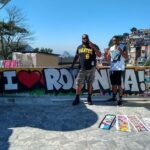
This tour is built around a simple promise: you don’t have to figure out where you’re meeting. The van picks you up and drops you back near where you started, so you can focus on walking and listening instead of negotiating public transport.
The group size is capped at 19 passengers, which is small enough that the guide can keep things moving without turning it into a long, slow conga line. It also tends to make the experience feel more personal when questions come up.
One more practical note: the tour runs rain or shine. If the forecast looks messy, keep an eye on what you’re wearing and bring layers. Downtown can feel different block to block.
Cais do Valongo and Painel Etnias: starting with meaning
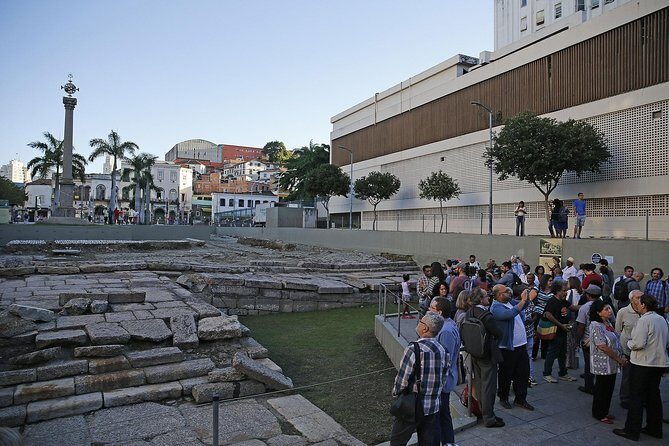
You begin at Cais do Valongo, a waterfront area tied to Rio’s deeper layers of history. Even though your time here is short, the live commentary helps you read what you’re seeing rather than just passing by landmarks. This kind of start matters because it sets the emotional and historical tone for the rest of the day.
Next up is Painel Etnias, a photo stop that’s quick by design. It’s the kind of place where you’ll likely want a few angles, because the point is visual impact without forcing a long detour. Think of it as a “get oriented” moment before the route expands into the Port Zone.
If you like your tours with context instead of just facts, these first minutes are a big win.
Porto Maravilha and Mauá Square: the Port Zone at human speed
The middle of the morning shifts into Porto Maravilha, Rio’s revitalized Port Zone. You walk through this area to connect themes: design, redevelopment, and how the city reuses waterfront space for culture and tourism.
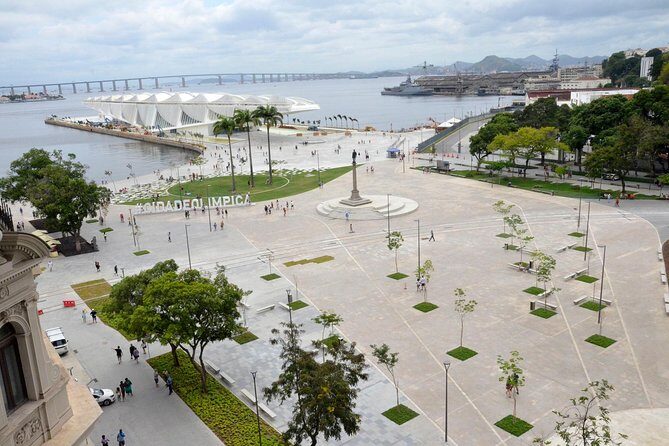
From there you make a quick stop at Mauá Square, which was revitalized for the 2016 Olympics. You don’t need a long visit here to get the idea. The value is timing: it’s brief, but it links the Olympic-era changes to what’s around you now.
I like this pacing because it respects time. You’re not stuck in one neighborhood long enough to feel bored, and you’re not doing a nonstop sprint. It’s a “glance and learn” rhythm that fits a half-day schedule.
Museu do Amanhã: interactive, timed, and worth the ticket
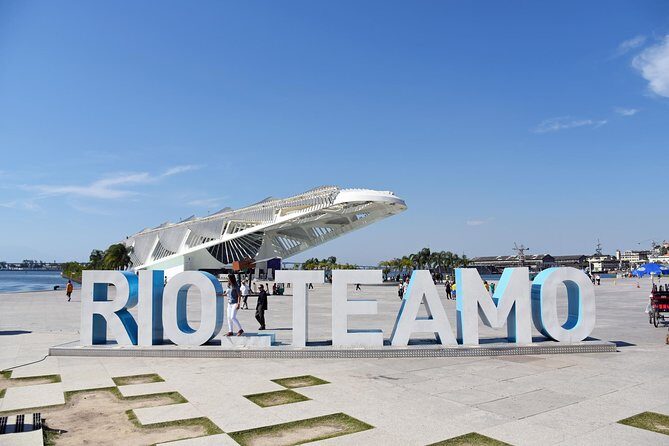
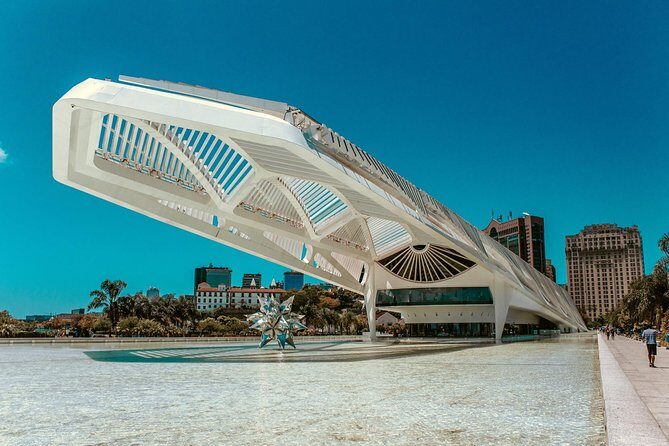
Then comes the anchor: Museu do Amanhã. You’ll have 1 hour 30 minutes inside, so you’re not rushed through a quick exterior peek.
This museum works well because it’s designed for people who want to do more than just read plaques. The internal experience is interactive, and that matters when you’re already walking around outdoors. It gives your legs a break and gives your brain a different kind of focus.
One practical tip: if you’re sensitive to sensory-heavy exhibits, give yourself a little extra patience. Interactive museums can feel fast-moving even when the schedule is solid.
You can also read our reviews of more museum experiences in Rio de Janeiro





Orla Conde stroll: swapping indoor time for waterfront air
After the museum, you take time for a stroll along the Orla Conde. This is where the tour lets you reset. You’re moving from indoor intensity back into open space, with views that help you understand the city’s layout.
This stretch also functions like a “soft landing” before you head into older architecture and churches. It’s not a long hike; it’s more about catching the city’s mood from the water.
Mosteiro de São Bento and the church art you can’t miss
Next you step into Mosteiro de São Bento for an internal visit. Even with only about 15 minutes, it’s a strong stop because it’s not just a building you look at from outside. You’re seeing the interior with guidance, which changes the experience.
Then, you pass by the Church of Our Lady of Candelaria. This is the kind of Rio landmark that many people recognize immediately when they see it, and it’s tied to nineteenth-century Brazilian artistry. Even though it’s a pass-by moment, it still helps you connect what you learned in the earlier history-oriented stops to a famous visual centerpiece.
If churches are your thing, you’ll probably find the contrast satisfying: monastic calm at São Bento, then an iconic, high-visibility landmark as you keep moving.
Olympic Avenue highlights: Pira Olímpica and preserved alleys
This tour swings through Olympic-era symbolism, including Pira Olímpica, where you can see the 2016 Summer Olympics cauldron. It’s a quick moment—about one minute—but it’s memorable because it’s direct and unmistakable. Short stop. Clear payoff.
After that, you walk down alleys from Travessa do Comércio and spot preserved traits from colonial times. This is the kind of street-level detail that tours often skip because it’s not “big sight” material. Here, it’s part of the story: you’re learning how old Rio threads itself into the city you see today.
You also pass an architectural landmark connected to the former residence of the Telles de Menezes family. The value isn’t just architecture. It’s the way that structure helps you imagine the city center as a lived space, not a set of photo backdrops.
Praça XV and Paço Imperial: fountains, governors, and the city’s center
You spend time around Praça Quinze de Novembro with live commentary for about 15 minutes. This is a strong “city center” segment. If you like understanding how major public spaces work in a city—how people gather, how buildings frame the view—this part helps you build that mental map.
You’ll also spot the Master Valentine Fountain (Colonial Fountain) in Praça XV, designed by Valentim da Fonseca e Silva and built during the colonial period. Even if you don’t get a long explanation, it’s the sort of object that rewards attention. Look at how it sits in the plaza setting.
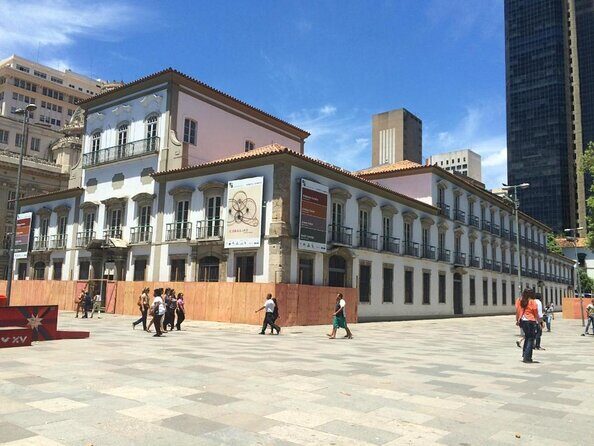
Then you pass Paço Imperial, an eighteenth-century colonial building originally used for governors’ residence and now a cultural center. This stop is about scale and authority—who held power in the early city and how those buildings remain central to Rio’s identity.
Confeitaria Colombo: the one stop where you can slow down
The tour ends with Confeitaria Colombo for an internal visit of about 20 minutes. Food and drinks aren’t included, but you get extra time if you choose to eat. This is the practical sweet spot: your walking day needs a reward, and this place offers both history and pastries without turning it into a formal meal.
Also note: Confeitaria Colombo is closed on Sundays, so if your day is Sunday, plan around that reality.
If you’re trying to stretch your time in Rio, this final stop makes sense. It gives you a calm place to sit, people-watch, and decide what you want to do next after you return to your hotel.
Guides and group pace: what tends to work best
The quality of a guided walking tour comes down to pacing and clarity. On this route, guides such as Sandra, Carlos, Gabriella, Alexia, and Newton are known for keeping the experience moving without making it feel frantic, including adjusting when rain adds complications.
That said, it’s still a shared group tour. Expect that you’ll pause, regroup, and keep your walking rhythm aligned with the group.
For the best day, I’d treat this as a “get bearings fast” outing. You’re building a mental map of downtown Rio and the Port Zone. Later, you can return on your own to the parts you liked most.
Who this tour is for (and who should choose something else)
This fits you if:
- You have limited time and want a serious overview of central Rio in half a day
- You like guided context, not just photo stops
- You want one big-ticket experience inside with Museu do Amanhã
- You prefer hotel pickup to self-navigation
You might choose a different option if:
- You hate walking and want a mostly in-car tour
- You want deeper time at fewer stops. This route is efficient, not exhaustive.
Should you book Olympic Boulevard, Museum of Tomorrow & Historical Rio?
Yes, if your priority is a well-paced, guided “downtown Rio starter kit.” The ticketed Museu do Amanhã stop plus the history-and-architecture sequence around Praça XV and Paço Imperial make the $72 price feel grounded, not inflated.
Book it if you appreciate short, meaningful stops, guided narration, and a final pastry break at Confeitaria Colombo. Skip it only if walking-heavy days stress you out or you’re aiming for a slow museum-first itinerary.
FAQ
What time does the tour start, and how long is it?
The tour starts at 9:00 am and lasts about 4 hours.
Is this tour mostly walking?
Yes. It’s a walking tour with several stops around downtown Rio, plus short transitions in an air-conditioned van.
What’s included in the price?
Included are a guided half-day walking tour with live commentary (English, Spanish, and Portuguese), taxes/fees, roundtrip van transfer from listed hotels, and admission for Museu do Amanhã and Mosteiro de São Bento. The Pira Olímpica and other pass-by/free stops do not require additional tickets.
What is not included?
Food and drinks are not included. You’ll have time inside Confeitaria Colombo, but any purchases are extra. Admission is included for the museum and most internal stops mentioned, but not for food.
Does the tour run in bad weather?
Yes. The tour operates rain or shine.
Is Confeitaria Colombo open every day?
No. Confeitaria Colombo is closed on Sundays, so plan for that if your visit lands on a Sunday.
Can I cancel for a full refund?
You can cancel for a full refund if you cancel at least 24 hours before the experience’s start time. If you cancel less than 24 hours before, the amount paid isn’t refunded.