
REVIEW · RIO DE JANEIRO
Hands-On Cooking Class in Rio: Iconic Street Foods & Caipirinhas
Book on Viator →Operated by Cook in Fiesta · Bookable on Viator
Cooking in Rio feels like a casual dinner—hands-on. I love the small-group vibe and the way you actually cook the iconic street foods alongside caipirinhas; the only real drawback is there’s no transfer, so you’ll want to plan your own way to Ipanema.
The host, Raiza, keeps it relaxed and chatty, with cultural stories tied to each dish so you’re not just following steps. With up to 8 people and an outdoor patio feel (when the weather allows), it’s friendly, simple, and easy to jump into—even if you’re new to Brazilian food.
In This Review
- Key Highlights (Quick Take)
- Street Food Cooking in Ipanema: How the 3-Hour Class Really Feels
- The Menu You’ll Cook: Caipirinhas and Rio Snacks, Step by Step
- Caipirinhas You Can Actually Recreate
- Bolinho de Feijoada: Technique Turns Simple Ingredients Into Something Addictive
- Pastel and Coxinha: Crispy Shapes, Big Flavor, No Fancy Gadgets
- Pão de Queijo and Fried Cassava: The Comfort Side of Brazilian Street Snacks
- Fried Sardines: Simple, Savory, and a Little Unexpected
- Cultural Stories: Why the Lesson Feels More Like Dinner Than a Demonstration
- Price and Value: Is $85 Worth It in Real Terms?
- Who Should Book This Class (and Who Might Skip It)
- Should You Book This Rio Street-Food Cooking Class?
- FAQ
- Where is the class meeting point in Rio?
- How long is the cooking class?
- What does it cost?
- What language is the class in?
- Is there a limit on group size?
- Is alcohol included, and can I get a non-alcohol option?
- Can they handle food allergies or intolerances?
- Does the price include transfers?
- What are the main things included?
- What is the cancellation policy?
Key Highlights (Quick Take)
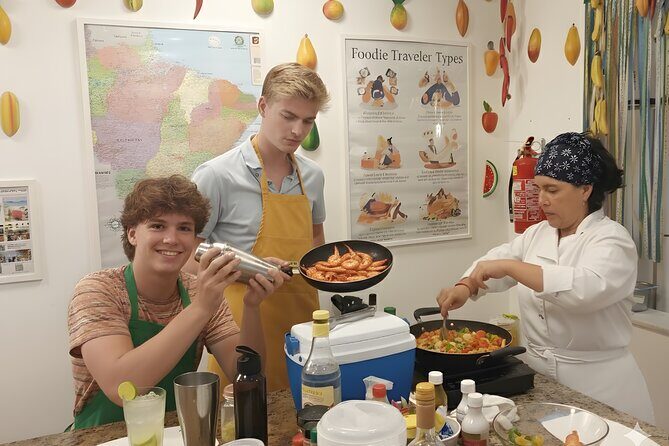
- Max 8 travelers keeps it personal, so you’re not stuck watching
- You cook the menu (bolinho, pastéis, pão de queijo, coxinha, more) instead of just tasting
- Caipirinhas included, with virgin versions if you prefer
- Raiza’s approach makes it feel like cooking with a friend, not a school
- Recipes to take home (printed or digital) so you can repeat the snacks later
Street Food Cooking in Ipanema: How the 3-Hour Class Really Feels
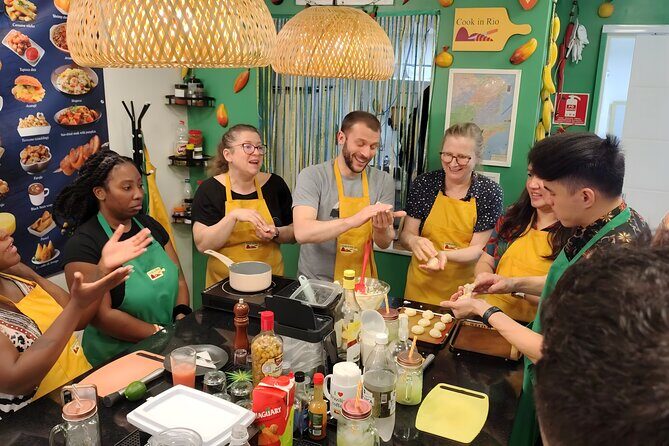
This is a 3-hour, hands-on cooking class in Rio de Janeiro, starting at R. Visc. de Pirajá, 281 in Ipanema. It’s offered in English, and you’ll get a mobile ticket, which is handy if your plans change even a little. The group is capped at 8 people, so the pace is social instead of rushed.
What I like most is how the experience is structured around doing, not just eating. You’ll be learning bites that show up all over Rio street life, which means you get instant context for what you’ll see later when you’re out walking and hungry. And because it happens in a welcoming local home or culinary studio, you’re in a real neighborhood setting rather than a stagey “tourist kitchen.”
One practical note: the class does not include transfers. If you’re staying far from Ipanema or you hate navigating public transit, build in extra time (or choose a stay closer to the meeting point). The tour ends back where it starts, so you won’t have to figure out a second location at the end.
You can also read our reviews of more cooking classes in Rio de Janeiro



The Menu You’ll Cook: Caipirinhas and Rio Snacks, Step by Step
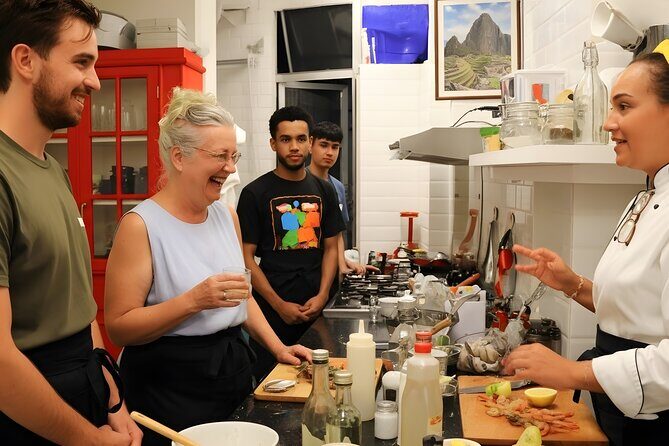
The menu is the point here. You’re not just getting a sampler plate—you’ll learn how to make a full set of iconic foods, plus a classic cocktail to match. The class is built around a simple idea: Brazilian street favorites aren’t complicated on paper, but technique matters.
Here’s what you can expect to cook:
- Starter: Caipirinha Clássica
- Main: Bolinho de Feijoada (a deep-fried bite linked to Brazil’s national stew)
- Main: Fried Sardines
- Main: Pastel options, including Carne, Queijo, or Palmito (thin, crispy fried pastries)
- Main: Pão de Queijo (chewy cheese puffs made with tapioca flour)
- Main: Fried Cassava
- Main: Coxinha (shredded chicken croquette)
You also get meals as part of the experience, so you’re eating what you make. The class includes all ingredients and utensils for the full menu, plus printed or digital recipes, which is a big deal if you want to recreate things later at home.
You’ll also have alcoholic beverages included. If you’re under 18 or you simply don’t want alcohol, they can make virgin versions of the drinks, so you’re not pushed into something you’d rather skip.
Caipirinhas You Can Actually Recreate
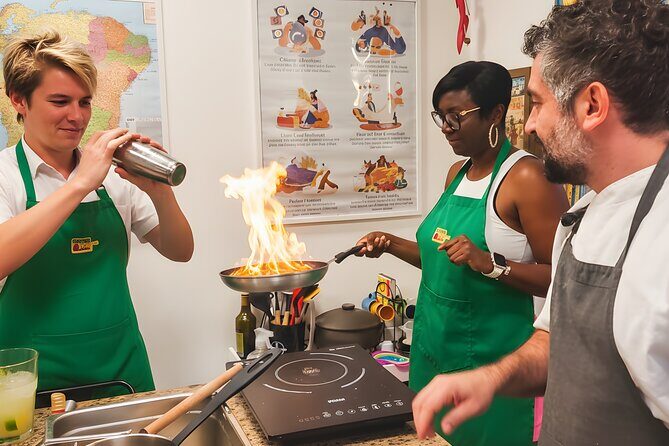
A lot of cocktail experiences teach you the drink’s vibe. This one is more useful. You start with Caipirinha Clássica, and because it’s part of the hands-on session, you’re learning it as a process rather than as a single pour-and-toast.
The value for you: it gives you a reference point. When you later see caipirinhas sold around Rio, you’ll understand what makes a classic version work—so you can order with confidence instead of guessing. And with virgin alternatives available, the class stays welcoming no matter your preference.
If you’re the type who travels with a foodie checklist, this is a smart opening dish. Cocktail + street-food snacks is a Rio pairing that sets the tone, and it keeps everyone relaxed for the cooking part that follows.
Bolinho de Feijoada: Technique Turns Simple Ingredients Into Something Addictive

Bolinho de Feijoada shows up as one of the mains, and it’s described as a deep-fried bite connected to Brazil’s national stew. This is the kind of dish that changes how you think about what “comfort food” means—especially when it’s served in street-friendly form.
In the class, the real win isn’t just the flavor. It’s the lesson behind it: you’ll get proof that technique can transform straightforward ingredients into something people line up for. One of the best bits of learning here is how the process can make you respect ingredients you might not have liked before.
If you’re not a super-experienced cook, don’t worry. The format is approachable: you’ll be guided by the local culinary host, and everything you need—ingredients and utensils—is handled for you. That means you can focus on learning the steps and building confidence, not scrambling for tools.
Pastel and Coxinha: Crispy Shapes, Big Flavor, No Fancy Gadgets

If you love handheld food, this part of the menu will feel like Rio’s greatest hits. You’ll cook Pastel (with Carne, Queijo, or Palmito options) and Coxinha (a shredded chicken croquette). These are classic street forms, built to be eaten easily while walking and chatting.
What stands out for me in this kind of class is how the shapes matter. Pastel is all about that thin, crispy fried pastry shell, while Coxinha is the satisfying croquette form with the filling and that signature crunch outside. Learning both gives you a sense of how Brazilian street food balances comfort and structure.
Also, you don’t need a fancy kitchen to understand the logic. The class approach is practical: you learn what you need to get the right texture and cook it correctly, without complicated equipment that most people don’t own at home. That’s a big value perk if you’re hoping to actually cook again later.
And because the class is small, you can ask questions while you work, which makes a difference with fried foods. Texture changes fast, and being able to clarify something in real time helps you get closer to what you want.
You can also read our reviews of more tours and experiences in Rio de Janeiro






Pão de Queijo and Fried Cassava: The Comfort Side of Brazilian Street Snacks

Pão de Queijo is on the menu, with its chewy texture made using tapioca flour. That already tells you it’s not a basic bread roll—it’s its own thing. In a hands-on class, learning it in context helps you understand why people treat it like a must-have snack.
Then you’ll also cook Fried Cassava. This is one of those foods that can be surprisingly approachable once you’re shown how it works. The class format keeps it moving, so you’re not stuck waiting around. You’re working through multiple bites, and each one adds to your understanding of how street ingredients become street cravings.
If you’re traveling with a group that has different tastes, this is where you’ll win hearts. There’s something “cozy” about these starch-based snacks that pairs well with the cocktail and keeps energy up for the rest of the menu.
Fried Sardines: Simple, Savory, and a Little Unexpected

Fried Sardines might sound straightforward, but it’s a smart addition to a street-food cooking lineup. It gives you a seafood angle that’s still classic street style, and it helps round out the menu beyond the more common cheese and chicken bites.
The practical value here is learning how another category of filling tastes when it’s cooked street-style. When you go out later to eat in Rio, you’ll have a better sense of how seafood snacks should taste and how the frying style changes everything.
One caution: if you’re someone who dislikes seafood, this is a dish you should flag during booking—because the data says they can accommodate food allergies or intolerances if you let them know in advance. It doesn’t specify substitutions for personal preferences, so it’s best to ask early if you need a swap.
Cultural Stories: Why the Lesson Feels More Like Dinner Than a Demonstration

The class isn’t only about technique and recipes. It’s also about the “why.” You’ll get cultural insights & stories behind each dish, guided by Raiza. That’s what makes it feel like an evening at a friend’s house, with cooking and chatting in the same rhythm.
This matters if you’re the type who hates eating blindly. When you understand the context—where a dish fits into Rio’s food culture—it’s easier to choose your next meal once the class ends. You’ll also recognize flavors and textures while walking around, which makes your whole trip feel more connected.
The relaxed pace is part of the value too. With only a small group and a welcoming setting, you’re not competing for attention. You can focus on learning, and you’re likely to leave with questions answered and maybe even a few food opinions changed.
Price and Value: Is $85 Worth It in Real Terms?
At $85 per person for about 3 hours, this class can feel like a splurge until you break down what’s included. You’re paying for:
- a hands-on cooking class with a local culinary host
- alcoholic beverages included (with virgin drink options)
- meals for what you cook
- all ingredients and utensils for the full menu
- printed or digital recipes
- cultural insights connected to each dish
That’s a lot of “covered” costs. Many food tours give you tasting tickets but stop there. Here, you’re learning the process and taking recipes home, which means you’re buying both the experience and future repeat value.
The one item not included is transfers. If you’re able to reach the meeting point in Ipanema without stress, the price tends to feel fair. If you’ll need a costly taxi to get there and back, the value can drop a bit. So I’d factor your transport plan into the decision.
Also, it’s typically booked around 20 days in advance, which hints it’s popular for a reason. If you want a specific date, don’t treat it like a last-minute option.
Who Should Book This Class (and Who Might Skip It)
This tour is a great fit if you want one of your first Rio experiences to be food-based and easy to follow. It works especially well if you’re new to Brazilian cuisine and want to learn fast using iconic street snacks. With English-language hosting and a small group size, it’s approachable without feeling basic.
You’ll also like it if you enjoy:
- learning technique, not just tasting
- cooking with guidance instead of winging it
- eating what you make right away
- a casual, social vibe
Consider another activity if you have strong restrictions and need specific substitutions beyond allergy or intolerance handling. The data says they can accommodate allergies or intolerances if you tell them in advance, but it doesn’t promise a full menu rewrite for every preference.
Should You Book This Rio Street-Food Cooking Class?
Yes, I’d book it if you want your Rio trip to start with something practical, tasty, and grounded in local food culture. The combo of hands-on cooking, a full menu of iconic street snacks, caipirinha included, and recipes you can take home makes it feel like more than a one-time meal.
It’s also a smart value move: for the time, you’re getting both instruction and multiple cooked items, not just samples. Just plan your own way to Ipanema since transfers aren’t included, and tell the host about any food needs early so they can plan accordingly.
If you’re looking for a friendly, small-group way to learn street food in Rio—without formality and without guesswork—this class is exactly that.
FAQ
Where is the class meeting point in Rio?
It starts at R. Visc. de Pirajá, 281 – Ipanema, Rio de Janeiro – RJ, 22410-001, Brazil and ends back at the same meeting point.
How long is the cooking class?
The duration is about 3 hours.
What does it cost?
It’s $85.00 per person.
What language is the class in?
The class is offered in English.
Is there a limit on group size?
Yes. The experience has a maximum of 8 travelers.
Is alcohol included, and can I get a non-alcohol option?
Alcoholic beverages are included, but if you are under 18 or don’t drink alcohol, they can make virgin versions of the drinks.
Can they handle food allergies or intolerances?
Yes. You can accommodate food allergies or intolerances if you let them know in advance.
Does the price include transfers?
No. Transfers are not included.
What are the main things included?
A hands-on class with a local culinary host, meals, alcoholic beverages, all ingredients and utensils, recipes (printed or digital), and cultural stories behind each dish are included.
What is the cancellation policy?
You can cancel for free up to 24 hours in advance for a full refund. If you cancel less than 24 hours before the start time, the amount paid is not refunded.