
REVIEW · RIO DE JANEIRO
Rio Surf Experience!
Book on Viator →Operated by One Carioca day · Bookable on Viator
Want to surf Rio like a local? This 4-hour Barra da Tijuca surf lesson focuses on finding the best waves for your level, with coaching in clear English from local guides like Gabriel and the One Carioca day team. You’re not stuck at one beach no matter what the ocean decides.
I love the way they teach safety first, then build confidence step by step. You do warm-ups, learn the standing movement in the sand, then head into the water to catch real waves instead of just watching from the shore.
One thing to plan carefully: this is a meeting-point activity, not a door-to-door hotel pickup. Show up on time at Av. Rodolfo Amoedo, 455, and you’ll be fine; arrive late and you risk missing your session.
In This Review
- Quick hits before you go
- Where you start in Barra da Tijuca (and how the day begins)
- How they choose the surf spot for your level
- Safety briefing that makes the ocean feel less scary
- Warm-up drills: sand practice before you stand on the board
- Getting into the water and catching real waves
- Coaching style: Gabriel’s English and patient technique
- Small group lessons: why max 6 changes everything
- The viewpoint after surfing: Rio by land, not just by water
- Gear, photos, and what you might bring
- Price and value: is $90 for 4 hours worth it?
- Logistics to get right: meeting time, transport, and expectations
- Who this is best for (and who might look elsewhere)
- The kind of day you’ll remember
- Should you book Rio Surf Experience?
- FAQ
- Where is the meeting point for Rio Surf Experience?
- How long does the tour last?
- Is this suitable for beginners?
- What happens before you get in the water?
- Is equipment provided?
- How big is the group?
- Do they choose where you surf based on conditions?
- What if weather is poor?
- Can I cancel and get a full refund?
Quick hits before you go

- Best-conditions scouting: They search for the spot with workable surf for your ability that day.
- Warm-up on land, not just in the water: You practice movement on sand before you step onto the board.
- Beginner-friendly coaching: Gabriel has a way of breaking down the pop-up so it clicks fast.
- Small groups (max 6): More time to be corrected, less time waiting around.
- Rio viewpoint after surfing: Expect a scenic stop that turns the day into more than just waves.
Where you start in Barra da Tijuca (and how the day begins)
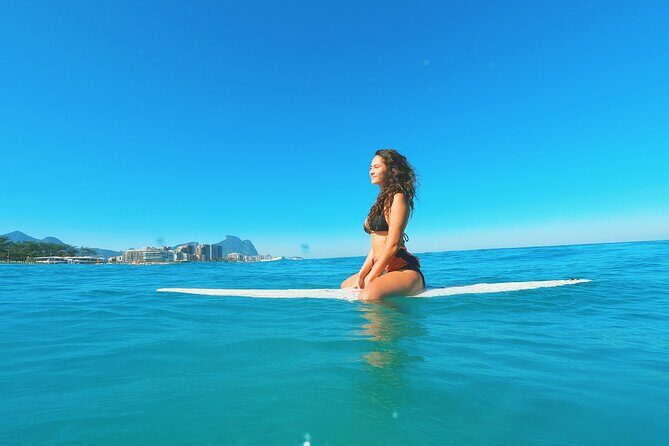
You meet at Av. Rodolfo Amoedo, 455 in Barra da Tijuca, right by the Banco24Horas address listed for the experience. The start point matters here, because the tour description clearly centers on meeting there, then moving to the best surf conditions from day to day.
Your first minutes are about getting organized and set up. The guide’s job is to assess what the ocean is doing and match it to your skill level, so the “where we surf” part isn’t fixed in stone. That flexibility is a big reason this works even when the swell or wind changes.
Also, because this starts near public transportation, you can usually reach the meeting area without needing a complicated plan. Just don’t assume anyone is coming to fetch you from your hotel.
You can also read our reviews of more tours and experiences in Rio de Janeiro.



How they choose the surf spot for your level
The whole concept of Rio Surf Experience is practical: don’t force beginners onto conditions that punish them. After you meet, they look for a spot with the right feel for your group that day—based on surf conditions and where you’ll actually be able to stand and ride.
That “search for the spot” approach pays off in two ways. First, it reduces frustration. Second, it increases the odds you’ll spend time doing the fun part—catching waves—rather than battling currents and standing up too late.
One detail I really liked from the feedback: the guides are described as finding beaches that are less crowded and still produce workable waves. In a place where surf can get busy, that can mean a calmer learning environment.
Safety briefing that makes the ocean feel less scary
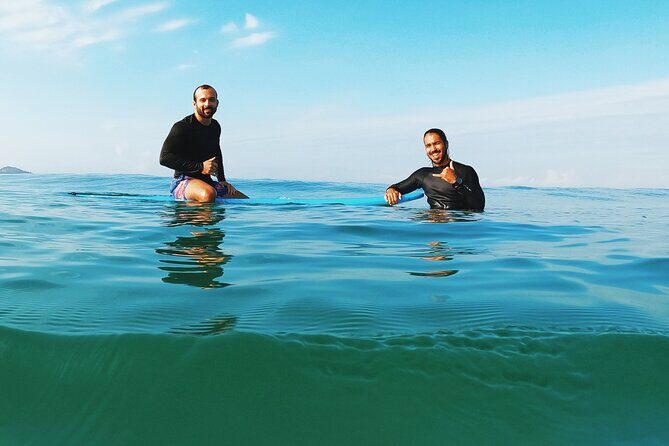
Before anyone grabs a board, you get safety measures at sea. The goal isn’t to scare you. It’s to give you a simple plan for what to watch, how to position yourself, and how to avoid common mistakes.
From the way the instruction is described, they also use mindful warm-ups to help you focus on movement and risk reduction. That matters because surfing looks easy from shore, but once you’re in the water your body needs a clear sequence. A focused warm-up helps you listen and move correctly instead of rushing and getting sloppy.
If you’re a first-timer, this is where you’ll feel the difference. You’re not just handed gear and sent out.
Warm-up drills: sand practice before you stand on the board
One of the most useful parts of the session is the sequence: warm-up exercises, then training the movement of standing on the board first in the sand. That sand step is clever because it removes the hardest variables—waves, balance, and panic—so you can learn the pattern.
In the water, your brain already knows what your feet are supposed to do. That’s why beginners in the group tend to progress faster. One guide is specifically credited for walking people through the pop-up technique in a simple way, which is basically the make-or-break move on a surf lesson.
Even if you’ve surfed before, the sand rehearsal can clean up your mechanics. And if you haven’t surfed yet, it helps you get ready to pop up at the right moment instead of guessing.
Getting into the water and catching real waves

Once warm-ups are done, you go into the sea to catch waves. The coaching style described in feedback is active: instructors are there to help and give a push when you’re in position, not just floating nearby.
This is also where the guide adapts. People report that the instruction adjusts to surf level, which means you’re more likely to get appropriate targets—like the right type of wave to try for your stage.
Small-group size supports this. With a maximum of 6 people, you don’t get swallowed by a big class where the instructor can’t check each person’s stance and timing.
And even on less-than-perfect weather, the vibe stays good. One account mentions drizzle, but the day still worked because conditions and spots were handled thoughtfully.





Coaching style: Gabriel’s English and patient technique
A standout name in the feedback is Gabriel. He’s repeatedly praised for friendliness, patience, and communication in English, which is huge if your Portuguese is still in progress or you just want to focus on what your body is doing.
People also mention how his positive energy helps keep beginners relaxed. That sounds fluffy, but it’s practical: fear makes you stiff, stiff makes balance worse, and balance is everything in the pop-up.
Gabriel’s technique coaching is credited with helping both adults and teens (including people with no prior surf experience) catch waves and enjoy the day. The pop-up breakdown shows up again and again, which tells me they’re using a repeatable method and not just improvising with each group.
If you want a lesson that feels like mentorship instead of supervision, this is the kind of coaching you’ll appreciate.
Small group lessons: why max 6 changes everything
With a maximum of 6 travelers, you get a better ratio of instruction to water time. That’s not just a comfort perk; it changes how fast you learn.
In a bigger group, you often wait for turns and miss small corrections. Here, the guides can spot what’s going wrong sooner—feet placement, timing, and posture on takeoff—and then help you adjust before you repeat the same mistake ten times.
One account describes the group as very personalized, even with only one other surfer in the group. That level of attention is especially useful if you’re nervous or if you want to understand the “why” behind the steps.
The viewpoint after surfing: Rio by land, not just by water
After surfing, you head to a place of unique beauty for a breathtaking view. The lesson is the main act, but this viewpoint stop is what often turns it into a full memory rather than a quick athletic workout.
Some descriptions paint it as a drive to spots only locals know about, then a scenic overlook where you can take in Rio’s scale. If you come to Rio expecting beaches and just beaches, this kind of stop adds variety without turning the day into a full sightseeing marathon.
It’s also a smart pacing move. After being in the water, most people need a break. Seeing Rio from above helps you reset and enjoy the day’s effort without rushing into the next activity.
Gear, photos, and what you might bring
Gear is provided, so you don’t need to track down boards or wetsuits before you arrive. That’s part of the value: you show up, get set up, and start learning.
Photos are mentioned in feedback as well. One account says a photographer captured the essence of the experience and that there were photos to commemorate the day. That doesn’t mean you’ll be guaranteed a photo package in every situation, but it does suggest they make it easy to remember what happened out there.
What you should bring is simple: sunscreen, water, and whatever you normally use to protect your skin and head in Rio sun. If drizzle shows up (it happens), having a basic plan for wet weather clothes helps you stay comfortable during the drive and viewpoint stop.
Price and value: is $90 for 4 hours worth it?
At $90 per person for about 4 hours, the value depends on what you want from a surf day. This is not priced like a mega-tour with ten different stops. It’s built around coaching time and realistic wave attempts.
Here’s what you’re paying for:
- instruction that targets beginners directly, including sand-based practice
- a guide who finds appropriate conditions instead of forcing one fixed spot
- small-group size (up to 6), which improves feedback
- gear provided
- a scenic viewpoint afterward to round out the day
If you’ve tried surf lessons before and felt like you spent most of the time waiting or failing to stand, that’s where this has an advantage. People consistently talk about catching waves and getting clear technique help, especially with the pop-up.
If you’re already an advanced surfer looking for high-performance challenges and a crowded lineup of steep waves, you might find the approach too “beginner-first.” But for most people visiting Rio—especially if it’s your first time—this pricing makes sense.
Logistics to get right: meeting time, transport, and expectations
The biggest practical issue from the negative feedback is straightforward: communication and meeting expectations can go wrong. The meeting point is listed clearly, and hotel pickup isn’t described. If your plan assumes you’ll be collected, you’ll end up stressed at the worst time—right when the ocean conditions are being evaluated.
So do yourself a favor:
- plan to arrive early at Av. Rodolfo Amoedo, 455
- handle your own way to the meeting point
- don’t wait for pickup that isn’t part of the written setup
Also, this is weather-dependent. The ocean doesn’t follow schedules, so the team may need to switch dates if conditions aren’t right. That’s normal surf logic.
Who this is best for (and who might look elsewhere)
Rio Surf Experience fits best if you want:
- a beginner-to-intermediate friendly surf lesson
- an English-speaking guide experience (Gabriel is repeatedly mentioned for this)
- a small group that feels manageable
- a Rio viewpoint stop that adds meaning beyond the surf session
- a day plan around practical fun, not just sightseeing
It’s also a good option for families and couples, including teens who want an active challenge. The technique approach described—especially the warm-up and sand practice—helps younger participants and first-timers build confidence.
If you’re advanced and want a very specific type of wave, you might need to look for a surf outing that’s more focused on performance and less on teaching structure. But if your goal is to learn and actually ride waves, this is a strong match.
The kind of day you’ll remember
What makes this experience feel “worth it” is the rhythm. You get safety guidance, then prep your body with sand drills. Then you get into the water with a guide who helps you stand, not just encourages you from the shore. After that, you relax with a scenic viewpoint and feel like you got the full Rio experience.
It’s also the human side. Gabriel and the team are repeatedly described as friendly, patient, and supportive—qualities that matter because learning to surf is half skill and half confidence.
And yes, there’s even mention of a pastel and sugar cane juice after surfing in conversation from the team side. That’s not the point of the lesson, but it fits the vibe: you work hard, then you enjoy Rio afterward.
Should you book Rio Surf Experience?
I’d book it if you’re looking for a beginner-friendly surf lesson in Rio that prioritizes safety, technique, and wave time, with the bonus of a viewpoint stop afterward. The small group size and the repeated praise for Gabriel’s pop-up instruction are the strongest reasons to choose it.
I’d think twice only if you’re expecting hotel pickup or you want an advanced, performance-focused surf mission with no teaching structure. If that’s your goal, you’ll likely feel limited by a lesson that’s designed to help most people stand up and enjoy the day.
FAQ
Where is the meeting point for Rio Surf Experience?
You meet at Av. Rodolfo Amoedo, 455, Barra da Tijuca, Rio de Janeiro, RJ 22620-350, at the Banco24Horas location listed for the activity.
How long does the tour last?
The experience runs about 4 hours.
Is this suitable for beginners?
Most people can participate, and the lesson is set up with warm-ups and technique practice that works well for first-timers.
What happens before you get in the water?
You’ll receive safety measures at sea, do warm-up exercises, and practice the movement of standing on the board first in the sand.
Is equipment provided?
Yes. The lesson includes all gear provided.
How big is the group?
The maximum group size is 6 people.
Do they choose where you surf based on conditions?
Yes. After meeting, they search for the spot with the best conditions of the day for your surfing level.
What if weather is poor?
The experience requires good weather. If it’s canceled due to poor weather, you’ll be offered a different date or a full refund.
Can I cancel and get a full refund?
Yes. You can cancel up to 24 hours in advance for a full refund. If you cancel less than 24 hours before, the amount paid isn’t refunded.