REVIEW · RIO DE JANEIRO
Brazilian Breakfast Cooking Class in Rio: Bake and Blend
Book on Viator →Operated by Cook in Fiesta · Bookable on Viator
Breakfast smells good fast.
This Brazilian breakfast class is interesting because you’re not just eating Rio food, you’re making it, tasting it, and learning the simple logic behind it. I love the hands-on flow: smoothie first, then pão de queijo and broa, followed by coffee and a mango mimosa. I also like that the coffee part is specific, with a guided tasting of three single-origin Arabicas from distinct Brazilian regions. One possible drawback: you’ll need to be ready for a morning start and a cozy kitchen setting where you’ll work close to the group.
It runs about three hours in Rio’s South Zone, in a friendly studio setup in Ipanema (R. Visc. de Pirajá, 281). You’re in English and kept to a maximum of eight people, which matters because it makes it feel less like a demo and more like breakfast at a friend’s house. Just double-check the start time in your booking message, because the description mentions both 8:00 AM and 9:00 AM.
In This Review
- Key highlights you’ll care about
- A Rio Breakfast Class That Feels Like Food, Not a Performance
- What You’ll Cook: Smoothie, Pão de Queijo, and Broa
- Vitamina smoothie (starter)
- Pão de queijo (main)
- Broa (main)
- Coffee Tasting: Three Single-Origin Arabicas, Not Just a Cup
- The Brunch Cocktail Finish: Mango Mimosa
- Timing and Group Size: Why Three Hours Works
- Location: Ipanema’s South Zone Kitchen Studio
- What Makes It Good Value at $75
- Who Should Book This Breakfast Class
- Practical Tips Before You Go
- Should You Book Bake and Blend in Rio?
- FAQ
- FAQ
- What does the Brazilian Breakfast Cooking Class include?
- How long is the class in Rio?
- Where do I meet for the class?
- What time does the class start?
- Is the class offered in English?
- How big is the group?
- Is hotel pickup and drop-off included?
- Can I cancel for a full refund?
Key highlights you’ll care about
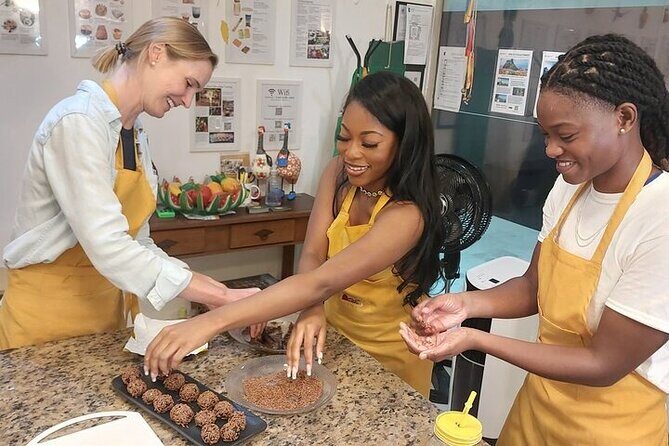
- Small group, maximum 8 people so you actually get hands-on time.
- Pão de queijo from cassava flour with aged Minas cheese, not a shortcut.
- Broa corn cake with yellow cornmeal, shredded coconut, and a touch of fennel.
- Vitamina smoothie made fresh in class (banana, papaya, mango, cold milk).
- Coffee tasting of 3 single-origin Arabicas from different Brazilian regions.
- Mango mimosa finish with brut wine and fresh mango pulp.
A Rio Breakfast Class That Feels Like Food, Not a Performance

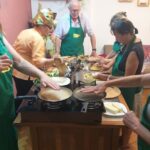
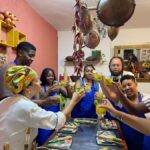
Rio mornings have a rhythm. This experience leans into it—cooking, tasting, and sipping breakfast favorites in a small group format. The vibe is straightforward: come hungry, get your hands busy, and leave with a stronger sense of why these foods show up again and again in Brazilian kitchens.
You start in a cozy kitchen studio in the South Zone, near public transportation, with the meeting point at R. Visc. de Pirajá, 281 in Ipanema. Since there’s no hotel pickup, you’ll want to plan a simple arrival route that doesn’t cut it close. Once you’re there, the group size (up to eight) keeps things personal. It also means the instructor can check that your dough looks right and that you’re not overmixing something you’re about to bake.
The class is in English and led by a local chef/instructor. In past feedback, the chef Roberto has been singled out for being both personable and strong on the food details—exactly what you want in a cooking class, especially when you’re dealing with ingredients that may be new to you.
You can also read our reviews of more cooking classes in Rio de Janeiro
What You’ll Cook: Smoothie, Pão de Queijo, and Broa
The menu is built around three core breakfast textures: cold and creamy (smoothie), chewy and cheesy (pão de queijo), and rustic and cake-like (broa). That’s a smart mix for a morning class because you’ll feel progress quickly—one step at a time—without getting stuck doing only one task for the full three hours.
Vitamina smoothie (starter)
You begin with the smoothie locals call vitamina. It’s made fresh in class with banana, papaya, mango, and cold milk. This isn’t just a prelude. It sets the flavor tone: tropical fruit sweetness, creamy body, and a cold refresh that helps you switch from cooking heat to tasting mode.
If you’ve ever had a fruit smoothie that tasted like it was poured from a jug, you’ll appreciate this one more. Fresh blending changes everything—especially with mango. I’d treat this as your first “I’m in Brazil” moment of the morning, and drink it slowly. It’s the kind of starter that makes the rest of the food feel richer.
Pão de queijo (main)
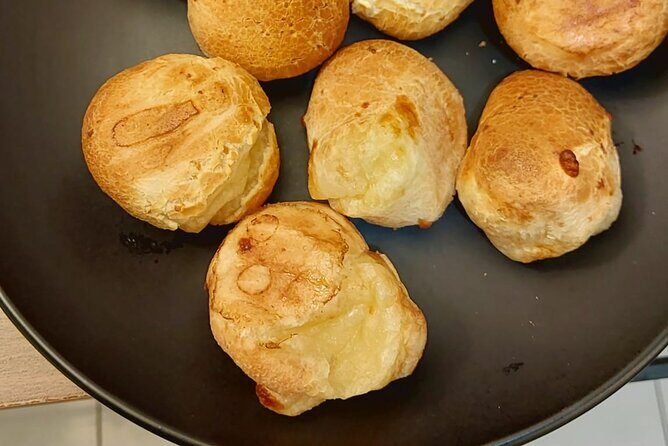
Next comes pão de queijo, the classic Brazilian cheese bread. You’ll bake it here in the class, and the recipe uses cassava flour plus aged Minas cheese. That matters because cassava flour gives pão de queijo its signature springy chew and small, airy texture.
A useful thing to pay attention to is how cassava-based dough behaves compared to wheat dough. It’s not the same feel or stretch. Watching the instructor handle the mix is one of the best parts of a class like this. Even if you can’t take the recipe home exactly as-made, you’ll leave with a better mental picture of what the dough should look and feel like.
Broa (main)
Then there’s broa, a rustic corn cake made with yellow cornmeal, shredded coconut, and a touch of fennel. This is the step that gives the meal its “grandma’s kitchen” character. Cornmeal brings a deeper, grainy sweetness; coconut adds chew and aroma; fennel adds a subtle, perfumed edge that keeps it from tasting one-note.
I like broa for breakfast because it bridges breakfast and snack in one bite. It’s not just “cake.” It’s savory-leaning and filling, which is perfect for a three-hour morning where you’ll be active—mixing, shaping, tasting—then sitting down to coffee.
You can also read our reviews of more tours and experiences in Rio de Janeiro





Coffee Tasting: Three Single-Origin Arabicas, Not Just a Cup
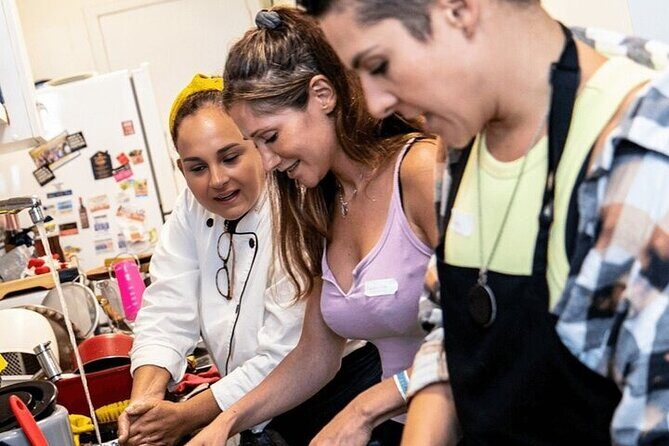
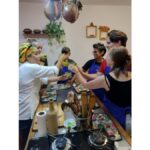
After the baking and the sweet start, you move into tasting mode with Brazilian coffee. This isn’t an unspecific coffee chat. You get a guided tasting of three single-origin Arabica coffees from distinct Brazilian regions.
The goal here is to train your palate to notice differences. The provided examples are helpful: you’ll hear about fruity notes associated with Cerrado, and nutty or chocolatey roasting profiles tied to Minas Gerais.
Why this part is worth your time:
- Coffee is often treated as background flavor on trips. Here, it becomes the main tasting.
- You’re learning a framework for tasting—fruit vs. nut vs. chocolate notes—so the coffee you buy later in Brazil (or even elsewhere) makes more sense.
For you, the practical payoff is simple. When someone offers you Brazilian coffee afterward, you’ll know what to look for. And if you’re the kind of person who orders coffee first and reads menus later, this class gives you a better way to choose.
The Brunch Cocktail Finish: Mango Mimosa
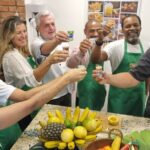
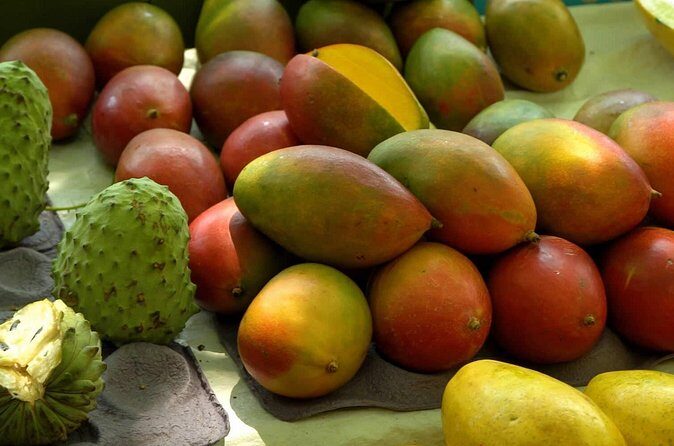
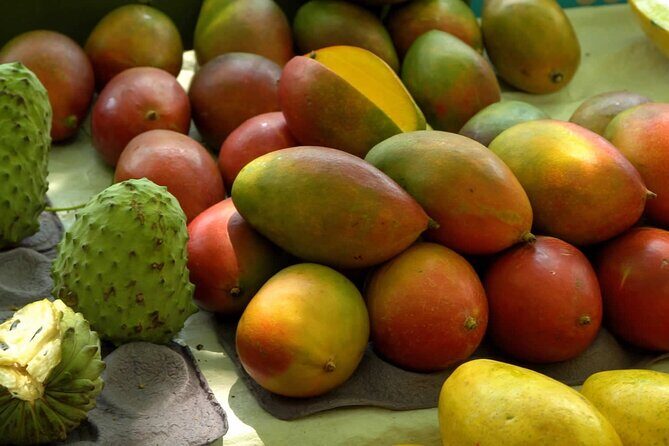
To close, you get a mango mimosa made with brut wine and ripe mango pulp. It’s a fun end to a cooking class because it’s both celebratory and fruit-forward, echoing the tropical theme from the smoothie.
This is the kind of finish that makes the morning feel complete. You go from blending fruit to baking cheese bread to tasting coffee, and then the drink ties it all together. If you don’t drink alcohol, you might still enjoy the moment for the fruit and the social rhythm—but the booking data only says it includes the mimosa, so plan accordingly.
Timing and Group Size: Why Three Hours Works
The class runs about three hours. That length is ideal for a breakfast-focused experience. It’s enough time to do real cooking tasks—especially baking—without exhausting you before lunchtime.
You’ll also benefit from the max eight travelers format. In a larger group, cooking classes often turn into a watch-and-wait setup. Here, you’re more likely to actually take part in the steps and get help when something doesn’t look like it should.
One more thing: the start time is listed two ways in the information you’ll receive. The experience description calls it bright and early at 8:00 AM, but the meeting point info shows a 9:00 AM start time. Treat this as your reminder to confirm the exact time in your booking confirmation. Early mornings are easier when you aren’t guessing.
Location: Ipanema’s South Zone Kitchen Studio
You’ll meet at R. Visc. de Pirajá, 281 in Ipanema and the activity ends back at the meeting point. That’s convenient because you can plan the rest of your day without needing to return to a hotel vehicle or navigate complicated transfers.
The kitchen studio is in Rio’s South Zone, and it’s near public transportation. Translation: you can keep your morning simple. If you’re staying in or near Ipanema, it’s a good fit for turning one of your first mornings into something more memorable than a typical cafe breakfast.
Also, because there’s no hotel pickup, I recommend dressing for normal city walking, not fancy arrival mode. You’ll likely be moving around a bit once class starts.
What Makes It Good Value at $75

At $75 per person, the question isn’t just whether you’ll eat. You will. The better question is what portion of that price buys you experience value beyond a meal.
Here’s the value breakdown, based on what’s included:
- Breakfast included: smoothie, baked breads/cake, and the finishing mimosa.
- Coffee and/or tea included: plus a guided tasting of three single-origin coffees.
- Instruction in English plus hands-on cooking help.
- Small group size (up to eight), which usually costs more when cooking classes scale up.
In other words, you’re paying for time with an instructor, ingredients, and guided tasting structure—not just the final plate. If you like food, enjoy learning about ingredients, or just want a morning activity that doesn’t feel like homework, the price can feel fair.
The money-back guarantee language is also worth noting: if your morning doesn’t meet expectations, there’s a full money-back guarantee. That’s not something every experience offers, and it’s a sign the provider is confident in the experience quality.
Who Should Book This Breakfast Class
This is a great match if you:
- Want an authentic-feeling morning that’s not only sitting and watching.
- Like hands-on experiences and don’t mind getting a little involved.
- Appreciate coffee tasting and want to go beyond basic “black or latte.”
- Are traveling in a small group (or solo and happy to mix with up to seven others).
It may be less ideal if:
- You dislike early starts or don’t want to commit to a set morning window.
- You’re expecting a large open-air tour with big sightseeing stops. This is a kitchen-centered experience, and the payoff is food and tasting.
Practical Tips Before You Go
I’d treat this class like it’s both a meal and a mini workshop.
- Go hungry. The morning is designed to feed you through multiple items.
- Arrive on time and confirm the start time (8:00 AM vs. 9:00 AM).
- Use the coffee tasting actively. Take a moment between sips to name what you notice—fruit, nut, chocolate—then listen to the instructor’s guidance.
- Ask questions during shaping and mixing. That’s where you learn the most, especially with cassava flour and the pão de queijo texture.
And for a simple life hack: plan a slow lunch after. You’ll likely be full from the breads, smoothie, and cocktail, plus you’ll have coffee in your system.
Should You Book Bake and Blend in Rio?
If you want one Rio morning that turns into both a meal and a story, I think this is a strong pick. The best reasons to book are the combination of hands-on cooking, a structured coffee tasting with regional differences, and the fun mango mimosa finish. The fact that the class stays small (up to eight) helps you feel involved instead of shuffled along.
I’d book it especially if you’re staying near Ipanema or the South Zone and you can handle a morning start. Just be sure you confirm whether your session is scheduled for 8:00 AM or 9:00 AM so you don’t end up sprinting with a smoothie in your future.
FAQ
FAQ
What does the Brazilian Breakfast Cooking Class include?
It includes breakfast and coffee and/or tea, plus the food and drinks made during the class: the smoothie starter, pão de queijo, broa, a guided coffee tasting of three single-origin Arabicas, and a mango mimosa.
How long is the class in Rio?
The duration is approximately 3 hours.
Where do I meet for the class?
You meet at R. Visc. de Pirajá, 281 – Ipanema, Rio de Janeiro – RJ, 22410-001, Brazil, and the activity ends back at the meeting point.
What time does the class start?
The information provided lists bright and early at 8:00 AM, and it also lists 9:00 AM in the start time details. Confirm the exact start time in your booking confirmation.
Is the class offered in English?
Yes, it’s offered in English.
How big is the group?
The maximum group size is 8 travelers.
Is hotel pickup and drop-off included?
No, hotel pickup and drop-off are not included.
Can I cancel for a full refund?
Yes. You can cancel up to 24 hours in advance for a full refund, with cut-off times based on local experience time.