REVIEW · RIO DE JANEIRO
Rio de Janeiro: Brazilian Cooking Class in Rio de Janeiro
Book on GetYourGuide →Operated by Gregtur Tourism · Bookable on GetYourGuide
Brazil on your cutting board. This hands-on cooking class in Copacabana turns Rio’s food scene into a real, learn-by-doing evening, with a small class size and a chef who teaches the why, not just the steps. I especially like the personal attention (max 7 people) and the relaxed, friendly vibe that makes it easy to ask questions and try without stress. One thing to consider: it’s $220 and transport isn’t included, so you’ll want a simple plan for getting there and back.
What I like most is the variety. You’ll work through classic Brazilian flavors, including the choice between seafood moqueca or black bean feijoada depending on the day, plus sides and dessert that help you understand how the whole plate fits together.
Here’s the practical catch: the class is listed as 3 hours, while the experience description also talks about a 4-hour cooking format. Either way, treat it as a half-evening commitment and plan your schedule so you’re not rushing dinner plans right after.
In This Review
- Key Points You’ll Care About
- Rio Cooking Class in Copacabana: The Real-World Value
- Chef Simone’s Style: Small Group, Big Comfort
- What You’ll Cook: From Fried Cheese to Farofa
- Start With Brazil’s snack-level flavor
- The drinks are not an afterthought
- The plate gets built around the main
- Side dish focus: farofa and rice
- Dessert keeps it playful
- Moqueca vs Feijoada: How the Day Changes the Story
- Cassava Sticks, Toasting, and the Best Part: Eating Together
- Price and Value: Is $220 Actually Reasonable?
- Timing and Logistics: Making a 3-Hour Plan That Works
- Who This Class Suits Best (And Who Might Skip It)
- FAQ
- FAQ
- How long is the Brazilian cooking class in Rio de Janeiro?
- Where is the cooking class located?
- What recipes will I learn and cook?
- Do I make both moqueca and feijoada?
- Are drinks included?
- Is transportation included?
- Do I need any cooking experience?
- What languages are the instructors available in?
- Should You Book This Rio Cooking Class?
Key Points You’ll Care About
- Moqueca days vs feijoada day: Monday, Wednesday, Friday = moqueca; Saturday = feijoada
- Max 7 people: you cook more actively and get more feedback while you work
- You taste your results: after cooking, you sit with the instructor and toast together
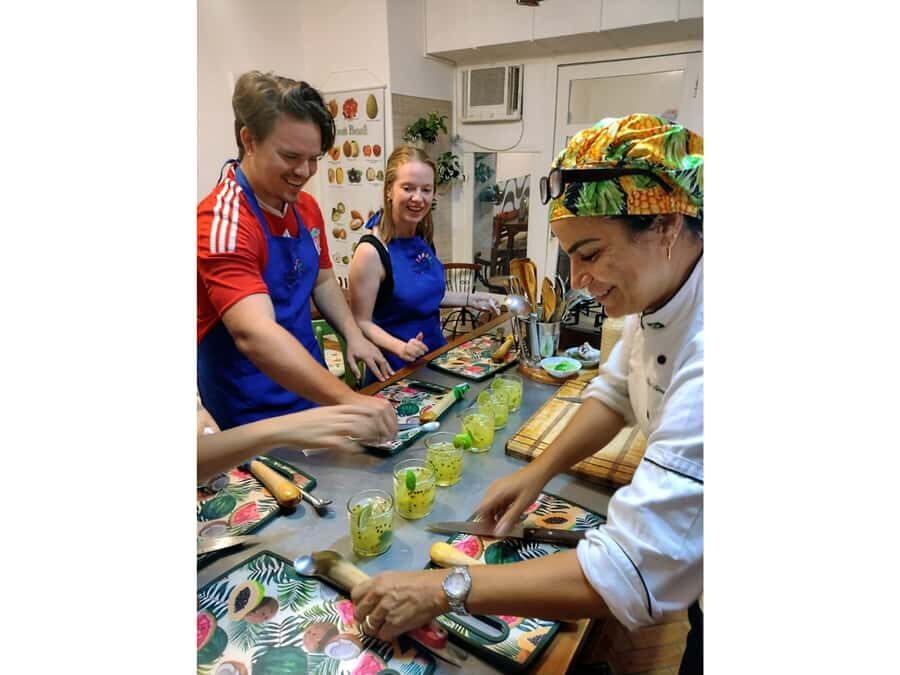
- Drinks are part of the meal: caipirinhas and a coconut drink show up during the experience
- Menu includes appetizers, main, sides, and dessert: not just one dish and a photo op
Rio Cooking Class in Copacabana: The Real-World Value
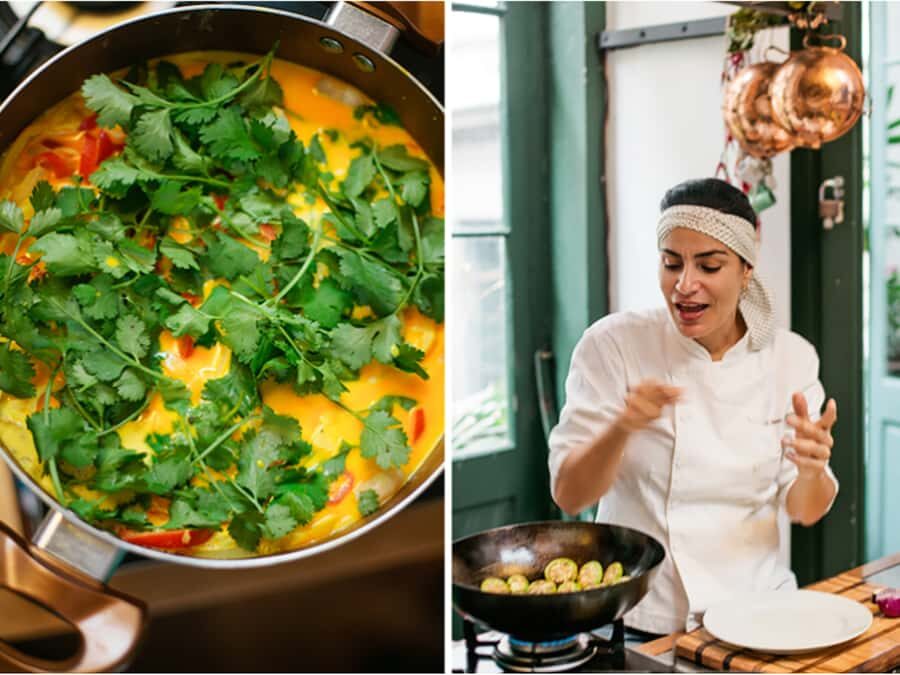
If Rio’s on your list, food should be on it too. This class in the Copacabana area is designed so you’re not just watching from the sidelines. You’re learning techniques, handling ingredients, and then eating the meal you made.
For me, the big value is how the class connects cooking to culture. Brazilian cuisine isn’t one flavor; it’s a mix of ingredients and methods shaped by history, climate, and regional tastes. The chef-led approach makes that easier to grasp because you see how specific choices matter—spices, textures, and that key balance between savory, creamy, and citrusy.
Another reason this works for visitors: the ingredients are familiar enough that you can often recreate the results at home. The class emphasizes that you’ll use items you can find worldwide, which is what turns a one-night activity into a recipe you’ll actually use later.
You can also read our reviews of more cooking classes in Rio De Janeiro


Chef Simone’s Style: Small Group, Big Comfort
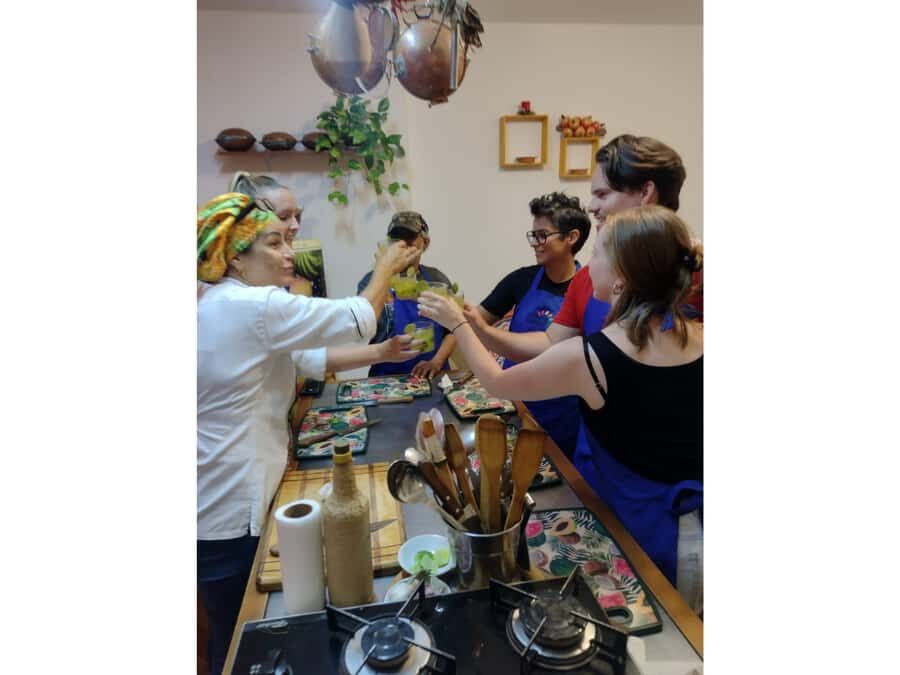
This is a private-group class with a maximum of 7 participants. That small size is not a minor detail. It changes the whole experience. You’re more likely to get direct help while you cook, and it’s easier to keep the pace where novices can follow along without feeling lost.
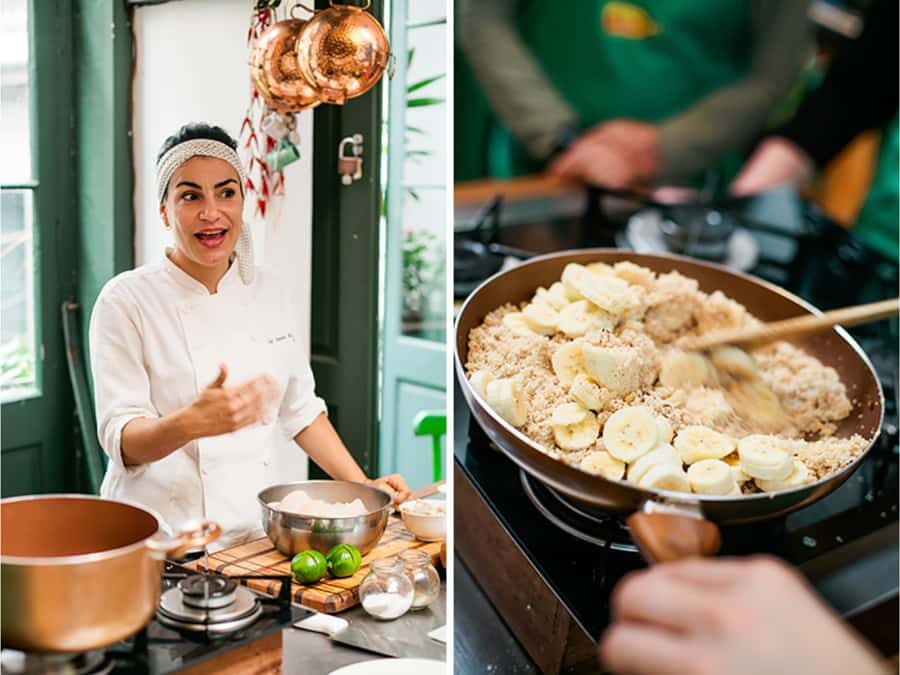
Chef Simone is the main instructor, and the teaching style comes through as warm and attentive. In particular, she creates a safe environment that feels comfortable for meeting new people and learning in public (so to speak). You’ll also see that the class isn’t only about tossing food together. The instructor explains the history and context behind what you’re cooking, which makes the meal more meaningful than a checklist of dishes.
Language is a practical plus. You can do the class in Portuguese, English, or Spanish, so you don’t have to struggle with kitchen directions. If you’re traveling with friends or family, this setup also gives you a more shared experience—less crowd pressure, more conversation.
What You’ll Cook: From Fried Cheese to Farofa
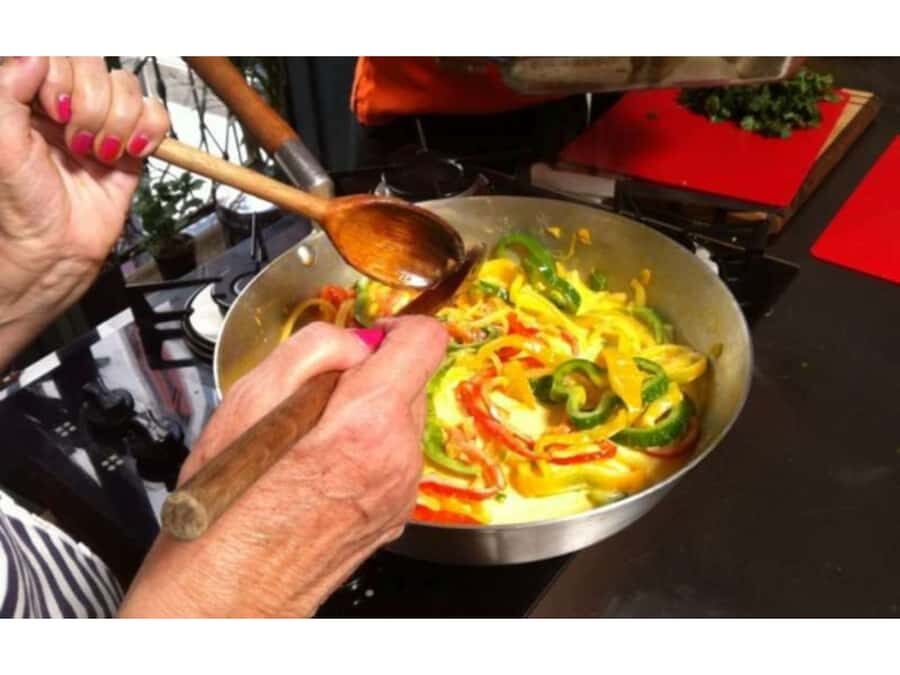
The sample menu gives you a clear idea of the flow. You’ll handle multiple components, including appetizers, a main dish that changes by day, sides, and a dessert.
Start With Brazil’s snack-level flavor
You’ll learn how to make fried cheese with spicy guava jam. This is a fun entry dish because it mixes comfort food (fried cheese) with sweet heat (guava jam). It also teaches you a common Brazilian idea: pairing richness with a fruit-based sauce or jam.
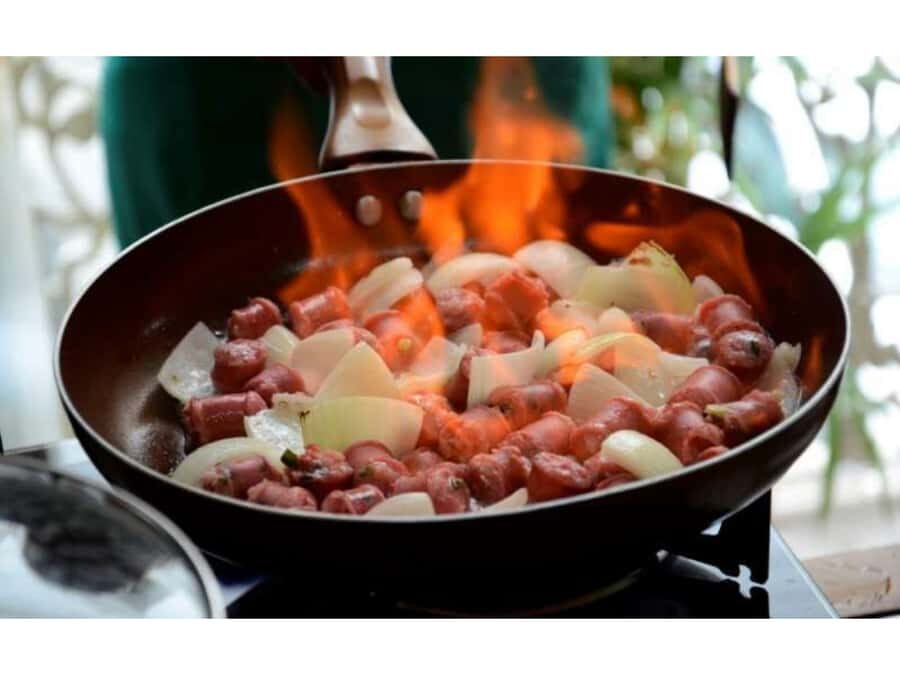
Next up is fried sausage slivers (described as clambered fried sausage slivers). It’s another appetizer-style portion that helps you practice seasoning and frying technique before you hit the main meal.
The drinks are not an afterthought
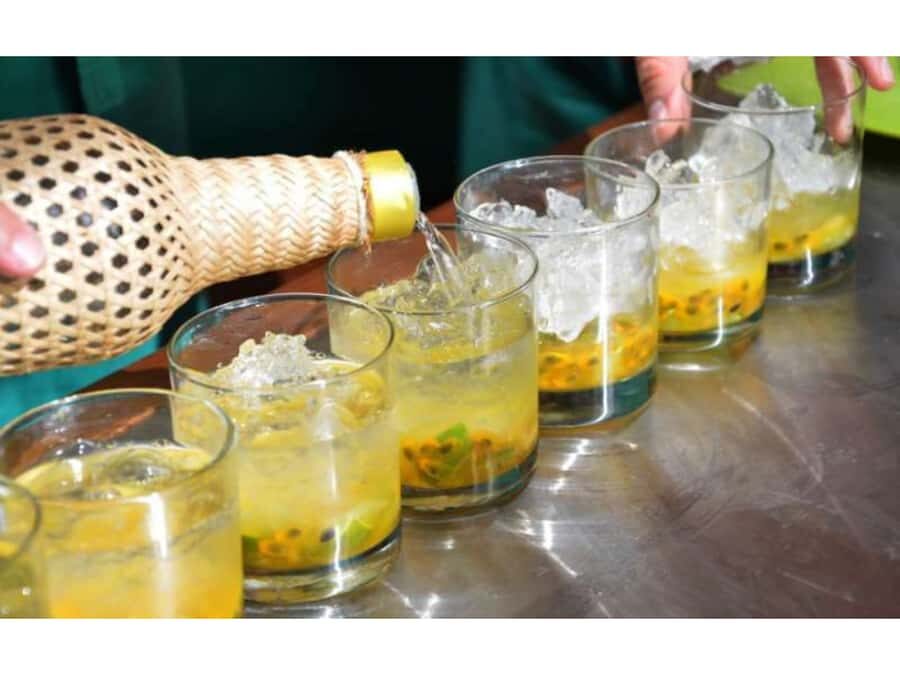
You’ll also prepare and/or enjoy drinks as part of the rhythm: a lime caipirinha and a coconut-based batida de coco. The drinks fit the meal because Brazilian flavors often move between fresh, creamy, and boozy all in one sitting.
You can also read our reviews of more tours and experiences in Rio De Janeiro






The plate gets built around the main
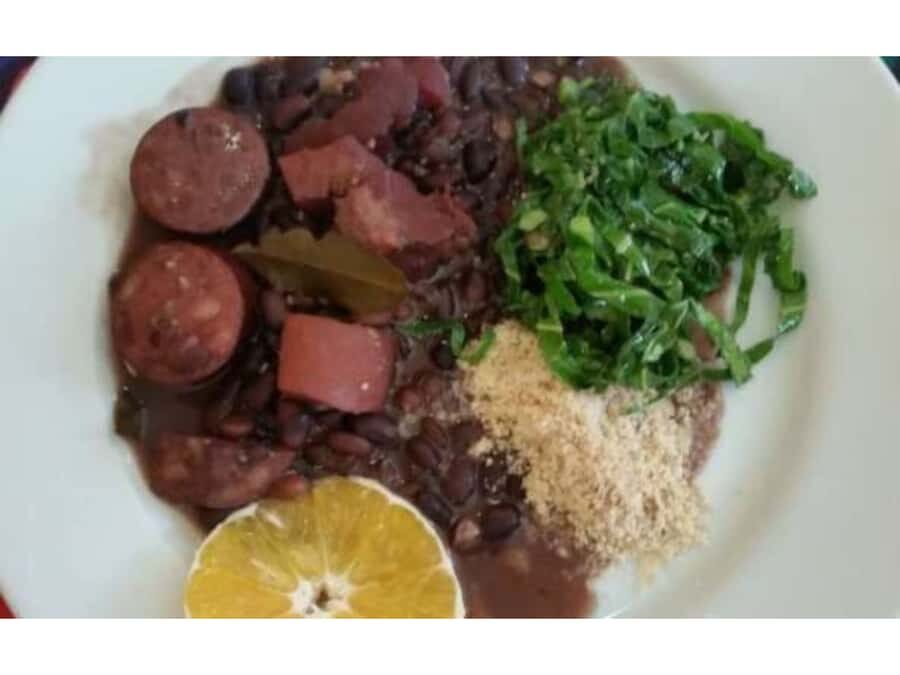
Your main course is either pork and beans feijoada or seafood moqueca (more on the day schedule below). Either way, the class structure helps you understand the logic of Brazilian home cooking: build flavor layers, then bring it together with the right texture and finishing touches.
Side dish focus: farofa and rice
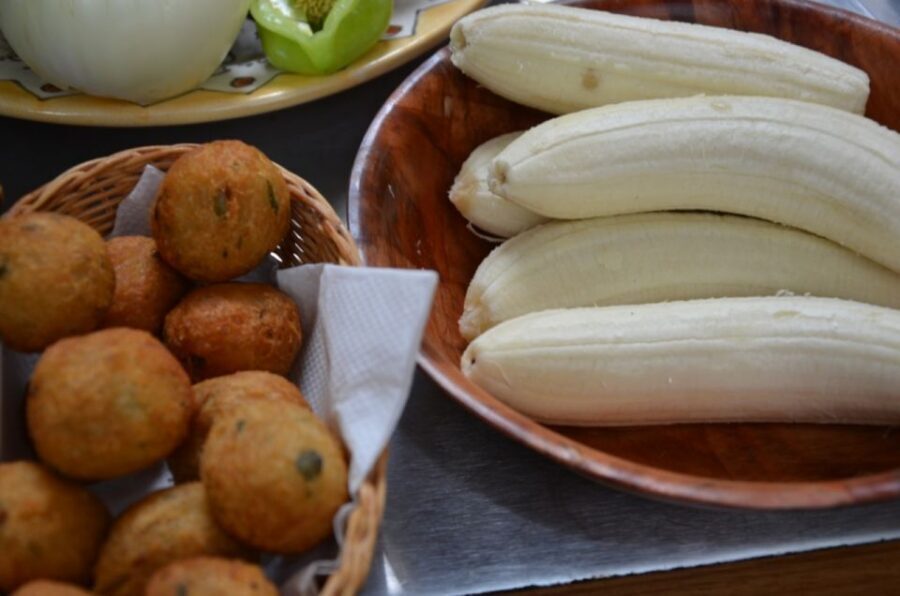
You’ll finish with banana farofa with flavored rice. Farofa is one of those things that makes the meal feel complete. It adds crunch and fragrance, and it also gives you something you can copy later without needing specialty restaurant equipment.
Dessert keeps it playful
Expect a surprise dessert that varies with the exotic fruits available or the sweets the chef makes on her farm, like brigadeiro or doce de leite. Even if you’re not a huge dessert person, this part often sticks because you see how Brazilian sweets lean on condensed milk, chocolate, and fruit in ways that feel approachable.
Moqueca vs Feijoada: How the Day Changes the Story
This is one of the most useful details to plan around, because it changes what you’re actually cooking.
- Monday, Wednesday, Friday: Moqueca (seafood)
- Saturday: Feijoada (pork and black beans)
Moqueca is a great pick if you want something brighter and more ocean-forward. Seafood dishes in Brazil often lean on aromatics and sauce-making that feel more like building a flavorful base than just cooking fish. In a cooking class format, you learn how to handle the seafood component without letting it overcook, and you pick up the sauce logic that makes the dish feel cohesive.
Feijoada is the one to choose if you want a heavier, comfort-food meal. Pork and black beans create that slow-simmer, stick-to-your-ribs style of satisfaction. It’s the sort of dish that’s closely tied to social eating, and the class format gives it context: what makes it work is not just the ingredients, but the balance of savory, salt, and richness.
A practical tip for deciding: if you’re already planning to eat seafood elsewhere in Rio, swap to feijoada for variety. If you’re already scheduled for a meat-heavy meal, go with moqueca to keep your week balanced.
Cassava Sticks, Toasting, and the Best Part: Eating Together
Cooking is one thing. Eating the results is where the class really lands.
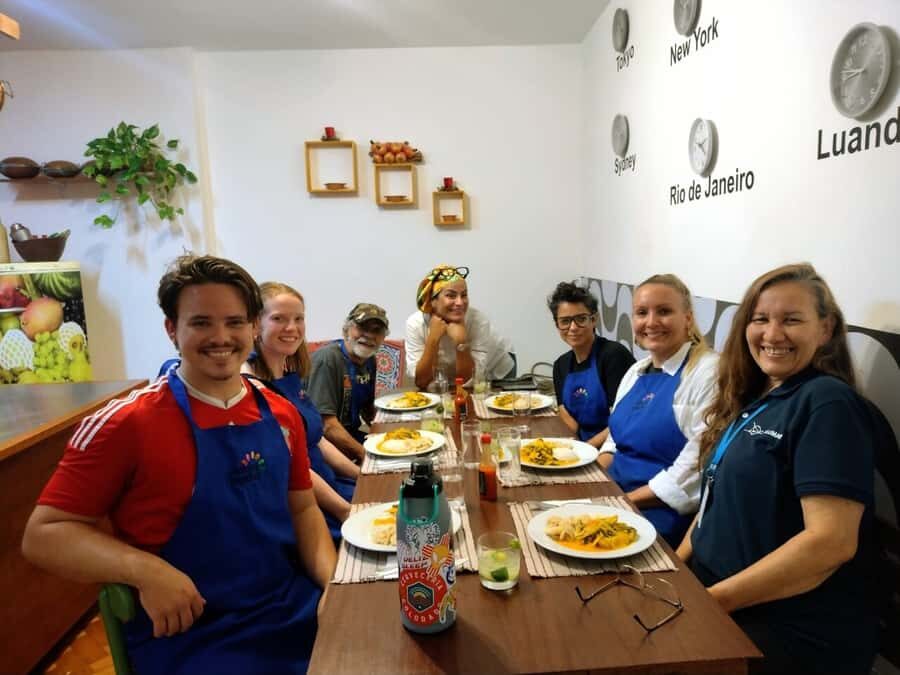
After you cook, you sit down with the instructor to toast your efforts and taste what you made. You’ll have coconut drinks and caipirinhas as part of this eating-and-chatting moment. That matters because it turns the kitchen into a shared table, not a one-way lesson.
There’s also mention that cassava sticks accompany the meal. That’s a smart pairing in a Brazilian context: cassava brings a satisfying crunch and mild flavor that doesn’t compete with the main dish. It also gives you something snacky while you’re waiting for the last dish components to come together.
If you’re the type who learns better when there’s a social element, this is a strong fit. The class has that friendly feel, where conversation comes naturally without turning into a loud party.
One small consideration: because you’re cooking, you’ll want to keep an open mind if you’re slightly messy. Kitchen work is part of the deal here.
Price and Value: Is $220 Actually Reasonable?
At $220 per person for a 3-hour experience, this isn’t a budget activity. But it also isn’t just a tasting menu in disguise.
Here’s what you’re paying for, in practical terms:
- You cook multiple components, not only one dish
- Chef instruction guides you through techniques, ingredients, and flavors
- Small group size means you’re not waiting behind a crowd
- All ingredients and equipment are included
- 2 drinks are included with the class meal
- Taxes (VAT) and handling charges are included in the price listed
Also, the class is positioned so you can replicate meals later. That’s a hidden value driver. Many cooking classes teach you one signature dish but leave you stuck for the rest. Here, you learn a full plate: appetizers, main, side, and dessert.
The biggest value snag is the one thing you’re not getting: transportation is not included. If you’re far from Copacabana or hate figuring out logistics, that can add real cost in time and money. If you’re already staying nearby, this becomes a much easier decision.
Timing and Logistics: Making a 3-Hour Plan That Works
Because duration is listed as 3 hours, plan to treat this like a real event, not an add-on. You’ll have time to cook, eat, and do the post-meal toast with the instructor.
What to do with transportation:
- Pick-up and drop-off are not included, so build your own route to the studio in the Copacabana region.
- If you’re coordinating with friends, decide ahead of time where you’ll meet.
What to bring:
- Comfortable clothes you don’t mind getting splashed with sauce or oil.
- If you’re camera-happy, know that the best food shots usually happen right after tasting starts, not while you’re frying.
One more heads-up: the description talks about a 4-hour cooking class format even though the duration is listed as 3 hours. In practice, that usually means the pace can vary slightly depending on the day and the group. Either way, give yourself a buffer afterward so you’re not racing to your next reservation.
Who This Class Suits Best (And Who Might Skip It)
This cooking class is ideal if you want:
- a hands-on way to understand Brazilian cuisine in Rio
- a small-group, low-pressure kitchen experience
- a full meal—appetizers, main (moqueca or feijoada), sides, and dessert
- an activity that feels cultural without being stuffy
It’s also a great match for couples, solo travelers who like to socialize, and families with older kids, since you get language support in Portuguese, English, or Spanish and a friendly teaching style.
You might skip it if:
- you strongly prefer food experiences where you don’t get involved in cooking at all
- you need hotel pick-up and can’t manage getting there on your own
- $220 feels like too much for a single evening, even with drinks and ingredients included
FAQ
FAQ
How long is the Brazilian cooking class in Rio de Janeiro?
The experience is listed as 3 hours.
Where is the cooking class located?
It takes place in the Copacabana region of Rio de Janeiro.
What recipes will I learn and cook?
You’ll follow a class menu that includes fried cheese with spicy guava jam, fried sausage slivers, the main dish (either pork and beans feijoada or seafood moqueca depending on the day), banana farofa with flavored rice, and a surprise dessert that varies.
Do I make both moqueca and feijoada?
No. You cook one main dish depending on the day: moqueca on Monday, Wednesday, and Friday; feijoada on Saturday.
Are drinks included?
Yes. The class includes 2 drinks, including lime caipirinha and batida de coco (coconut drink).
Is transportation included?
No. Pick-up and drop-off are not included, so you’ll need your own way to get to the studio and back.
Do I need any cooking experience?
No experience is required.
What languages are the instructors available in?
The instructor can teach in Portuguese, English, and Spanish.
Should You Book This Rio Cooking Class?
If you’re in Copacabana and you want a real Brazilian meal experience, I’d book this. The best part is the full, hands-on plate: you cook appetizers, a main dish that changes by day, sides like banana farofa, and a surprise dessert, then you sit down with caipirinhas and coconut drinks to eat what you made.
Skip it only if transportation is a dealbreaker for you or if you’d rather spend your time doing sightseeing than getting your hands into the cooking. Otherwise, this is the kind of Rio activity that leaves you with flavors you can recreate long after you’ve left the kitchen.