REVIEW · RIO DE JANEIRO
The landscaper Burle Marx and its site – cultural heritage
Book on Viator →Operated by Wowtour Experience · Bookable on Viator
Gardens like you’ve never seen before. This guided visit to the Roberto Burle Marx Site in Rio is part garden walk, part living science exhibit, with a genetic bank of plants from the Atlantic Forest, Cerrado, and Amazon regions. I also like the way the guide connects Burle Marx’s work to real public places you’ve probably heard of, showing how he broke from classic European garden formulas. One practical drawback: mosquitos can be a real issue, so come ready.
The format is another win: a small group (max 15) keeps it conversational, not rushed. When you get a guide like Camilo Sequeira, you’ll get clear stories at your pace, plus helpful photo moments during the day. If weather is poor, the tour may be rescheduled, since it depends on being outdoors.
In This Review
- Key things to know before you go
- Entering the Roberto Burle Marx Site: where art meets ecology
- The genetic bank and the Brazilian biomes you’ll actually see
- How Burle Marx changed garden design (without copying Europe)
- Art, design objects, and a restored 17th-century church
- Barra de Guaratiba and Barra da Tijuca: beaches after the gardens
- Guides, pacing, and why the small group matters
- Price and value: why $202.94 can make sense
- Weather, mosquitos, and other on-the-ground realities
- Who should book this tour, and who might pass
- Should you book the Burle Marx Site and Rio beaches?
- FAQ
- What time does the tour start?
- How long is the experience?
- What is the group size?
- Is the admission ticket included?
- Is lunch included?
- What happens if weather is poor?
Key things to know before you go
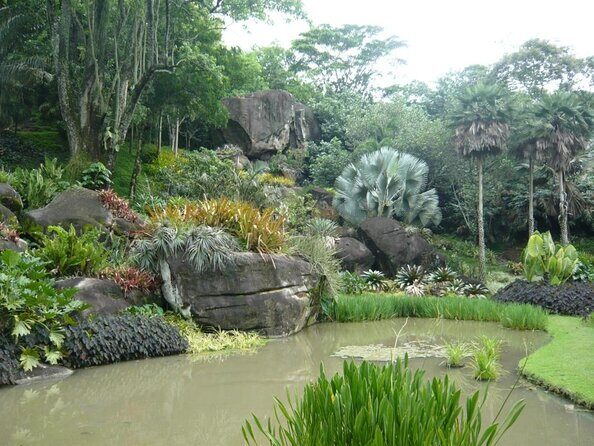
- A real genetic bank: you’ll see plants gathered from multiple Brazilian biomes, not just one curated theme garden
- Modern garden thinking: learn how Burle Marx used tropical flora in ways that intentionally moved beyond European styles
- More than plants: there’s also a collection of plants, plus art and design objects, and a 17th-century church connected to his work
- Beach time in two Rio neighborhoods: you’ll cover Barra de Guaratiba and Barra da Tijuca for that lush coastline feel
- Small group, long guide attention: with up to 15 people, questions are easy and answers stay specific
- Admission included at the site: so your money is going toward the main experience, not just transport
Entering the Roberto Burle Marx Site: where art meets ecology
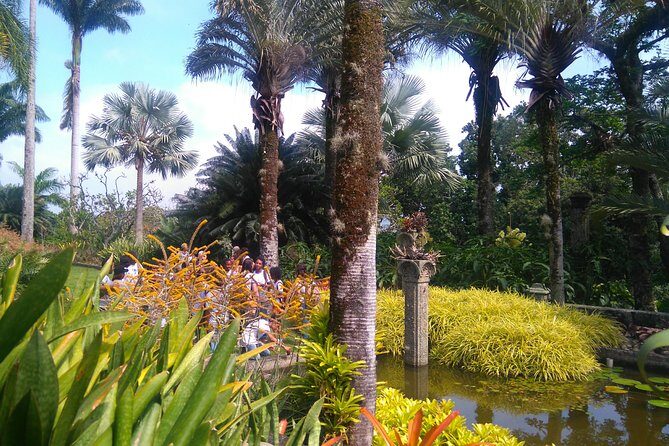
The Roberto Burle Marx Site is the kind of place that makes you look twice at what a garden can be. Yes, you’re walking through beautiful grounds. But the deeper value is that it’s also a working statement about plants—where they come from, how they can be used, and why regional ecosystems deserve attention.
You’ll spend about two hours inside the property with your guide. This is enough time to slow down, compare plant types, and follow the “why” behind the design rather than just taking in the “wow.” The guides here do a good job of turning the garden into a story you can picture, which is exactly what you want from a specialized tour.
Because this is a guided experience, you’re not left guessing. The guide explains how Burle Marx approached tropical plants as living material for modern garden design—again and again—until it became a recognizable style that people still associate with Rio.
You can also read our reviews of more historical tours in Rio de Janeiro



The genetic bank and the Brazilian biomes you’ll actually see
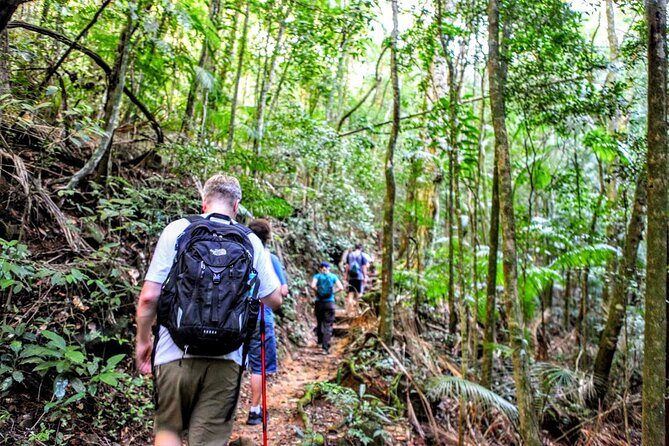
One of the most concrete highlights is the genetic bank of plant species linked to major Brazilian environments. Instead of only showing a few decorative species, the site highlights the idea of preservation and diversity. You’ll learn that the collection draws from different regions, including the Atlantic Forest, Cerrado, and Amazon biomes (and other tropical regions too).
Why this matters for you, practically: it changes how you interpret what you’re seeing. You start asking better questions, like: Are these plants here because they survive well? Because they’re rare? Because they help tell the story of Brazil’s ecological range? The tour’s explanations make those connections feel logical, not random.
And since you’re in Rio, it’s especially satisfying to learn how tropical geography and plant selection connect to the city’s design choices. You don’t just walk around pretty paths. You get the map in your head afterward.
How Burle Marx changed garden design (without copying Europe)
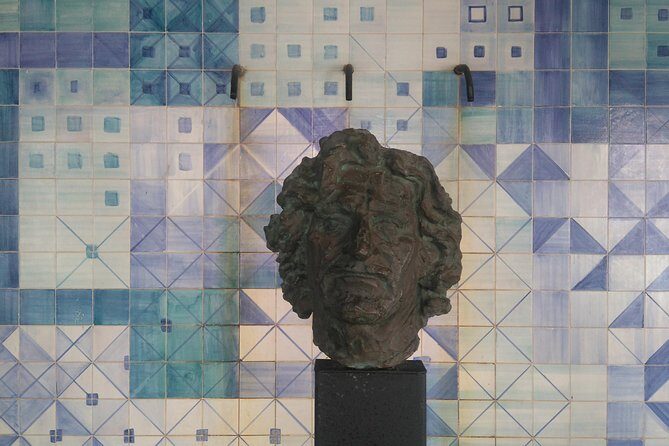
Burle Marx is often described as a creative force, but this tour focuses on a specific shift: he discovered the potential of tropical flora for modern landscaping and intentionally moved away from traditional European garden styles.
That contrast is the heart of the experience. If you’ve only seen European garden layouts—symmetry, formality, imported look-alikes—you’ll notice the difference right away. Here, the emphasis is on tropical plants used with an eye for modern design and a respect for what those plants naturally do.
The guide helps you connect the dots between design choices and biology. That’s where the site feels more like education than entertainment. You come away understanding that the gardens are not only for sightseeing—they’re also proof of concept.
Art, design objects, and a restored 17th-century church
This isn’t just a botanical show. At the site, you’ll also visit a collection of plants and objects of art and design. That blend is important because it reflects Burle Marx’s wider interests and the way his thinking crossed categories. Gardens weren’t separate from creativity; they were part of it.
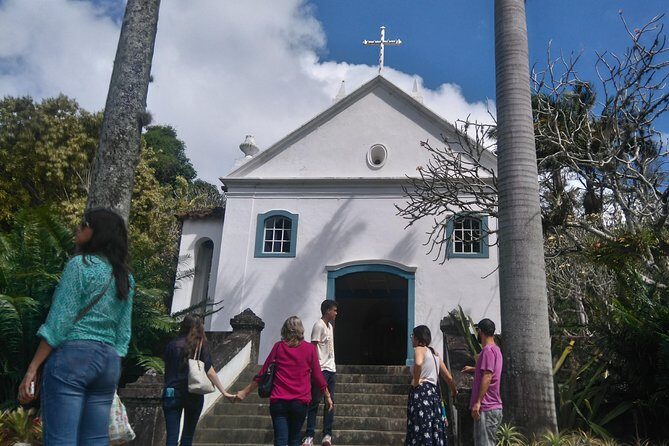
You’ll also see a 17th-century church that was restored by him. This can be one of those moments where the tour expands in unexpected ways. You’re walking through tropical gardens, then you’re confronted with historical architecture tied to the same creative person. It helps you understand that Burle Marx’s influence wasn’t limited to outdoor space alone.
If you like tours where the guide brings you to multiple layers of meaning—not only the surface beauty—this stop is built for you.
Barra de Guaratiba and Barra da Tijuca: beaches after the gardens
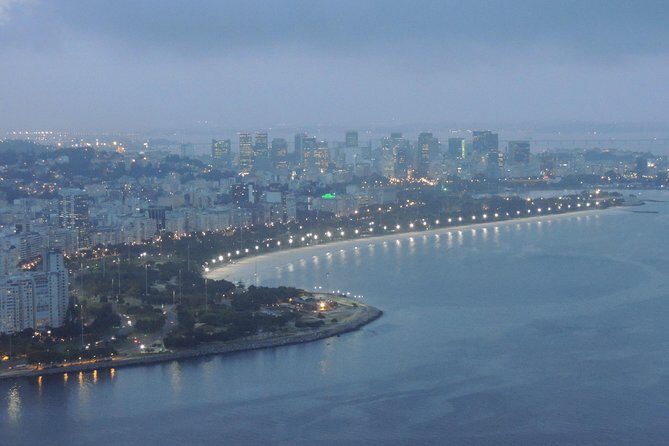
After the main site visit, the tour shifts to Rio’s coastline via two neighborhoods: Barra de Guaratiba and Barra da Tijuca. The idea is simple: you get the plant-driven genius of Burle Marx first, then you see the city-side geography where that tropical feel lives every day.
Barra de Guaratiba is known for its lush coastal vibe, and you’ll get time there on the route. Barra da Tijuca adds another slice of Rio’s beach identity, giving you a broader sense of how diverse this city’s coastline can feel.
A practical note: you’re doing this in the morning, starting at 8:00 am. That can be a good thing. Cooler temperatures are easier on your body and your patience. And because lunch isn’t included, this is the kind of day where you’ll want to plan energy for later with snacks or a good meal after you’re back.






Guides, pacing, and why the small group matters
The tour runs with hotel or port pickup and drop-off, plus transport by private vehicle. That matters more than people think, especially in Rio. It helps you spend your time learning and looking instead of negotiating logistics.
The small group size—up to 15 people—is a big quality signal here. When you’re with a larger group, a guide often has to speed through plant explanations or skip details. With this group size, the tour has room for questions and follow-ups. You also tend to notice little things you’d miss if everyone was just trying to photograph and leave.
From the reviews, Camilo Sequeira is a standout example of the guide style that works well for this specific experience. People loved how he told stories and kept the day moving at a comfortable pace. One review also mentioned him taking videos and pictures during the visit, which is handy when you’re focused on the garden and don’t want to constantly juggle your camera.
If you prefer tours where the guide actually talks with you, not only at you, this is your kind of format.
Price and value: why $202.94 can make sense
At $202.94 per person for about 5 hours, the price looks high until you break down what’s included. You get:
- Admission ticket included for the main site
- Bottled water
- Hotel/port pickup and drop-off
- Private vehicle transport
- A team of guides (driver/guide plus local and professional guide)
So you’re paying for a focused experience, not just a transfer. The tour is built around a specific site with a unique educational angle: biomes, plant diversity, modern design principles, and a church restoration tied to the same creative mind.
If you tried to DIY this, you’d still need transport, and you’d likely spend time figuring out how to interpret what you’re seeing. Here, the guide helps you make sense of why the plants are where they are and why Burle Marx’s style is still referenced in major Rio projects like Parque do Flamengo and the Copacabana boardwalk.
In short: this is one of those tours where you pay for explanation and access, not just scenery.
Weather, mosquitos, and other on-the-ground realities
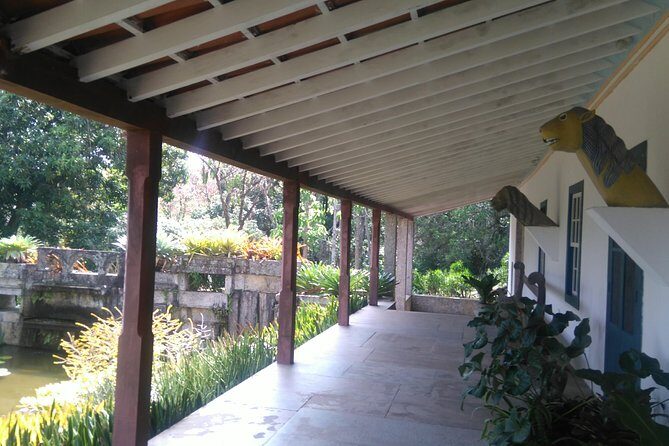
Two real-life considerations come up.
First is weather. The tour depends on favorable weather conditions. If it gets canceled because of poor weather, you’ll be offered an alternative date or a full refund. That’s a fair setup for an outdoor-focused day.
Second is mosquitos. One review singled them out as a serious annoyance during the visit. This doesn’t mean you’ll hate the day, but it does mean you shouldn’t treat bug spray like an optional accessory. If you’re sensitive to bites, plan for it before you head out.
Also, the tour asks for moderate physical fitness. You’re not doing anything extreme, but expect walking around outdoor areas and moving between parts of the route. Wear comfortable footwear and take it slow where you want to stop for details.
Who should book this tour, and who might pass
This is a great choice if you:
- Love gardens, but want more than flowers-in-a-row
- Like design history when it’s connected to real plants and real places
- Want something quieter and lesser-known compared to Rio’s most famous attractions
- Appreciate guided interpretation, especially around ecology and creativity
This may be less ideal if you:
- Hate outdoor walks during bug season (mosquitos can be a factor)
- Want a strict beach-only day rather than a mix of gardens plus coastline
It’s also a decent fit for couples or small groups who want a calm pace and a guide who can tailor the conversation. With children required to be accompanied by an adult, families can consider it if the kids can handle a morning outdoors.
Should you book the Burle Marx Site and Rio beaches?
If you want a Rio experience with actual ideas behind it—plants with purpose, design choices with history, and a small-group guide who can explain it clearly—then yes, I think you should book. The combination of the Roberto Burle Marx Site, the two Barra neighborhoods, and the fact that admission is included makes this feel like a well-built half-day rather than a random excursion.
Just go in prepared for two realities: weather changes and mosquitos. If you handle those, you’ll likely come away with a better understanding of how one person’s creative approach helped shape the way Rio looks at tropical design.
FAQ
What time does the tour start?
The tour starts at 8:00 am.
How long is the experience?
The duration is about 5 hours.
What is the group size?
The tour has a maximum of 15 travelers, so it stays small-group.
Is the admission ticket included?
Yes. The admission ticket is included for the Roberto Burle Marx Site.
Is lunch included?
No. Lunch is not included.
What happens if weather is poor?
This experience is subject to favorable weather conditions. If it’s canceled due to poor weather, you’ll be offered an alternative date or a full refund.