REVIEW · RIO DE JANEIRO
Rocinha Tour with Local Guide: The Biggest Favela DA Latin America
Book on Viator →Bookable on Viator
Rocinha isn’t on most Rio postcards. This tour led by a Rocinha local guide with a mototaxi climb gets you into daily life where you’d usually just drive past. I especially like the fact that the guide frames what you see with local context, and I love the panoramic viewpoints that pop up along the walk. The only real consideration: you’ll be on a mototaxi to get higher, so be comfortable with a short, bumpy uphill ride.
I also like that the route stays focused and human-scale for about 3 hours 30 minutes, with small groups capped at 15. The experience was created by Rio resident Rodrigo, and you may meet other guides on the same style of tour as well (names like Ronaldo and Robinson have been mentioned for clear storytelling and photo help). Expect this to feel respectful and straightforward, not like a checklist tour.
In This Review
- Key Highlights You’ll Actually Care About
- Rocinha in 3.5 Hours: What You’re Booking
- Where You Meet (And Why It Helps)
- The Quick Intro at Rocinha: Getting Oriented Fast
- Mototaxi Up the Hill: A Real Start, Not a Waiting Game
- Walking Rocinha’s Main Road: Learning the Why
- The Salocin Tour Part: Alleys, Viewpoints, and Community Projects
- Respect and Safety: How to Act So It Feels Good
- Practicalities That Affect Your Day (No Surprises)
- Price and Value: Is $74.30 Worth It?
- Who This Tour Fits Best
- Booking Smart: When to Lock It In
- Should You Book This Rocinha Tour?
- FAQ
- How long is the Rocinha tour?
- What does the tour cost?
- Is the tour offered in English?
- How many people are in the group?
- Where do I meet for the tour?
- What happens if weather is poor?
Key Highlights You’ll Actually Care About
- Local resident-guided storytelling, created by Rodrigo and handled by neighborhood guides
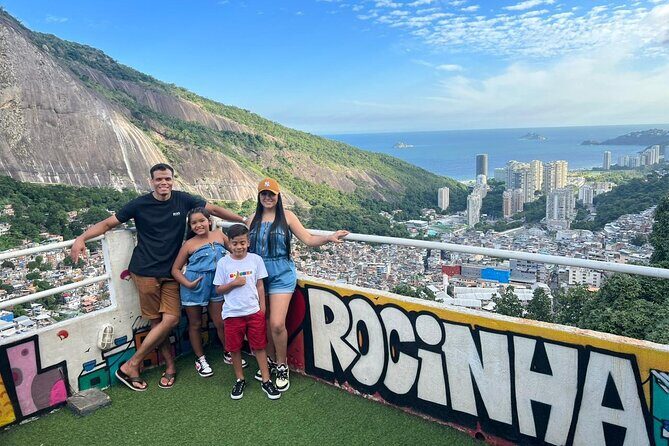
- Mototaxi climb to start, so you see Rocinha from above early
- Main-road walking route with viewpoints and photo stops planned into the day
- History and contrasts explained so you understand the “real Rio” behind the stereotypes
- Community projects along the way, including stops that show how programs operate locally
- Small group size (max 15) and English offered
Rocinha in 3.5 Hours: What You’re Booking
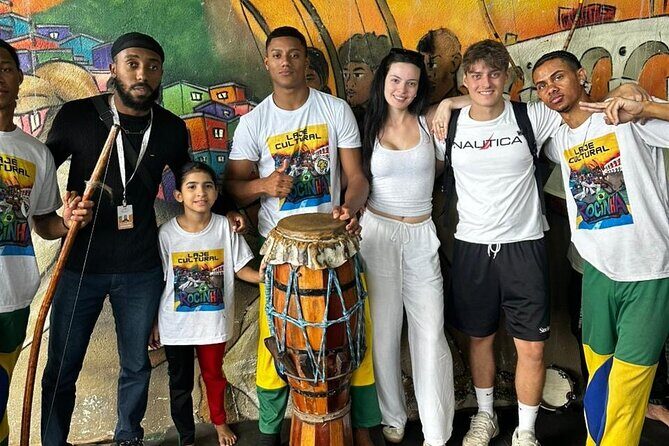
This is a focused half-day window into Rocinha, Latin America’s biggest favela, based out of São Conrado. You’re not spending hours planning your own route. You’re also not doing the “look and leave” version of favela tourism.
Instead, you get a guided loop that mixes movement (mototaxi up, then walking through streets and alleys) with pauses for explanations and viewpoints. The whole point is to make Rocinha feel legible: what you’re seeing, why it exists, and how people live inside it every day.
The duration matters. At around 3 hours 30 minutes, you’ll have enough time to notice details without getting exhausted. In my view, that’s a big part of the value: you can keep your attention on people and place, not just on navigation.
You can also read our reviews of more guided tours in Rio de Janeiro



Where You Meet (And Why It Helps)
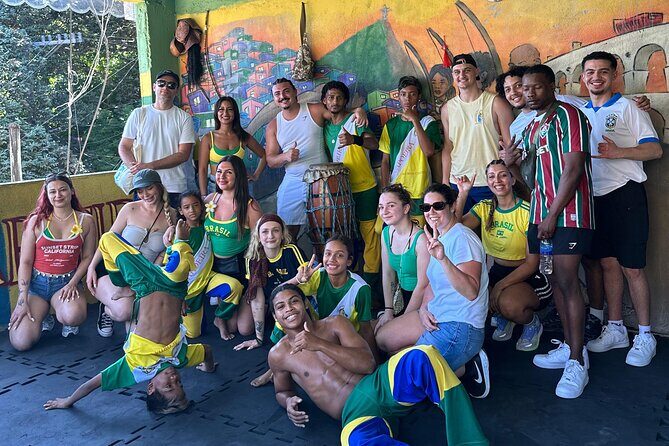
You start at Metrô São Conrado – Saída Estr. da Gávea – São Conrado, and the tour ends back at that meeting point. That’s useful because Rocinha itself can feel like a maze if you try to DIY it from the outside. Having a fixed start/end keeps the day simple.
Try to arrive a little early so you’re not rushing while the group gathers. This matters more than usual here because you’re going to switch modes quickly: meetup, guide intro, then a mototaxi ride. If you show up stressed, the whole experience feels less calm.
Also, since the tour runs daily between 8:00 AM and 4:00 PM during the listed season dates, you can choose the time that fits your energy. Early in the day is often less tiring for walking.
The Quick Intro at Rocinha: Getting Oriented Fast
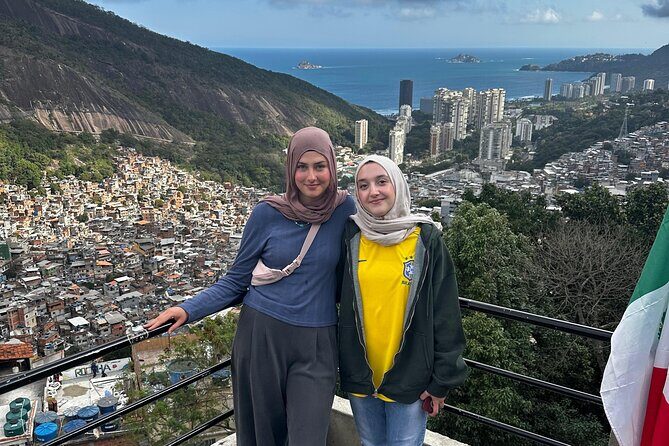
The tour begins with a quick meet-and-greet inside the area—your guide lays out the plan and what you’ll be focusing on. There’s a short presentation before you start moving, and that’s not just formalities.
That intro helps you interpret what comes next. Rocinha isn’t one single “thing” you can summarize from a distance. The guide’s framing sets expectations so you understand why the route includes major roads, side alleys, and viewpoints—rather than feeling like you’re being herded.
There’s also mention of a free admission ticket for the first stop, which is good to know because it’s part of how the experience is packaged and timed. You’re not constantly hunting for payments or extra add-ons mid-lesson.
Mototaxi Up the Hill: A Real Start, Not a Waiting Game
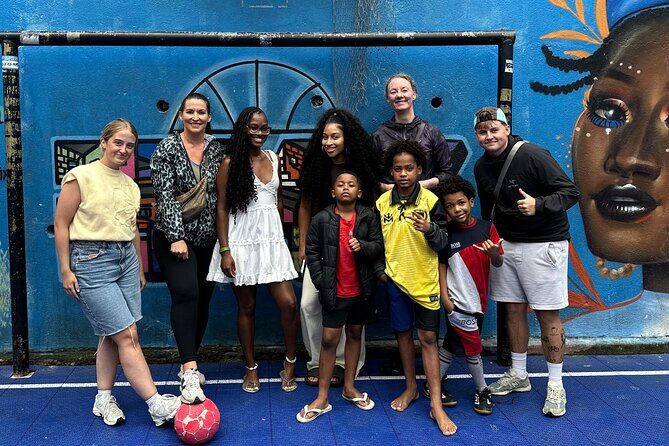
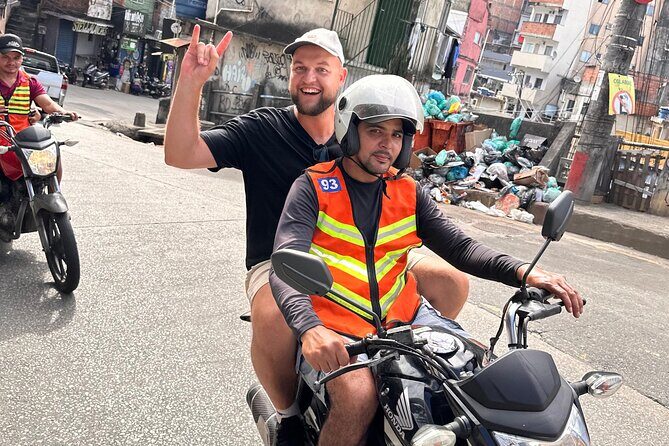
One of the most memorable parts is the mototaxi climb to the top of Rocinha. The value here is simple: you go from the outside world to a higher vantage point quickly, and you start seeing the area before you’ve walked a single block.
It’s also a dynamic opener. You get motion right away, plus the first views that show how Rocinha sits against Rio’s bigger scale.
Practical tip: if you’re sensitive to road bumps or motion, plan for it mentally. This isn’t a smooth scenic gondola. You’re on a motor taxi ride. Once you accept that, it stops being a problem and starts being part of the story—how people actually travel and move through the neighborhood.
Walking Rocinha’s Main Road: Learning the Why
After the climb, you head into a tour of Rocinha’s main road, with views and explanations along the way. This is where the guide’s local perspective is key.
You’re not just seeing buildings and street life. You’re getting the contrast explained: how everyday life, community needs, and the city’s outside perception collide. That’s the kind of context that turns a photo into understanding.
I like this approach because it nudges you to notice practical details: how space is used, how movement works, and how people build routines in a place that the outside world often reduces to headlines.
The tour also includes opportunities for photos—not random selfie stops, but viewpoint moments where you can pause, look, and frame what you’re seeing. If you’ve ever taken pictures in a place you didn’t truly understand, you’ll feel the difference here.





The Salocin Tour Part: Alleys, Viewpoints, and Community Projects
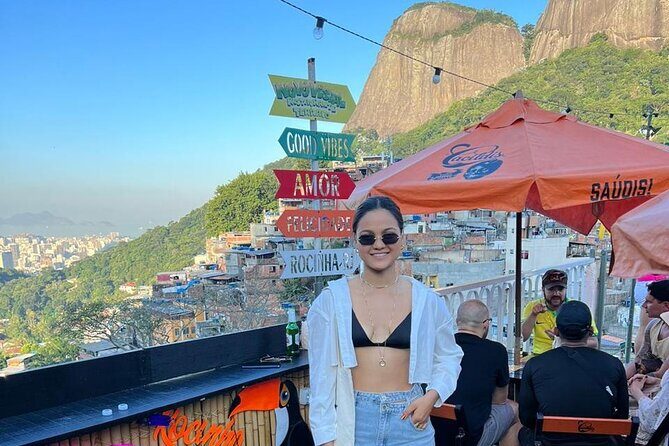
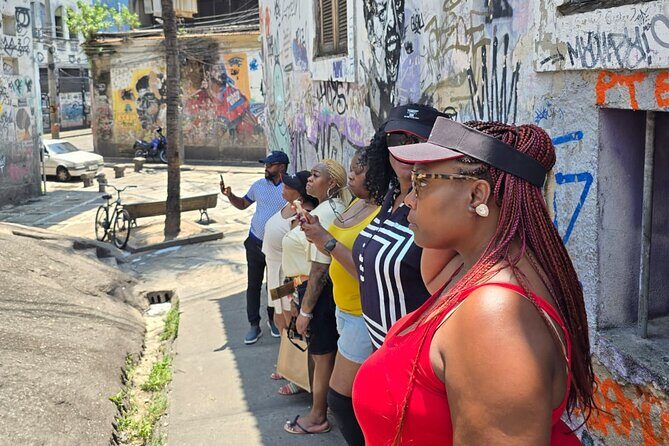
The second phase is where the walking becomes more intimate. You’ll go through alleys and side streets with guided explanation focused on history, contrasts, and living culture.
The route includes panoramic viewpoints, which are a smart pairing with the narrative. Explanations land better when you can look out and see the broader shape of the area. It’s hard to keep “mental distance” when you’re up high and the guide is showing how daily life fits into the wider Rio view.
You’ll also visit social projects. That’s an important difference. A favela tour can go wrong when it only teaches hardship. This one aims to show how people organize, help, and build programs inside the community.
One detail in the tour description points to learning about how a wine-related activity or project works within Rocinha. The exact specifics aren’t laid out in the materials I have, so treat it as something the guide will explain in context during your visit. Either way, it’s a useful clue: the tour isn’t limited to poverty stories. It’s trying to show local work and culture in a fuller way.
Respect and Safety: How to Act So It Feels Good
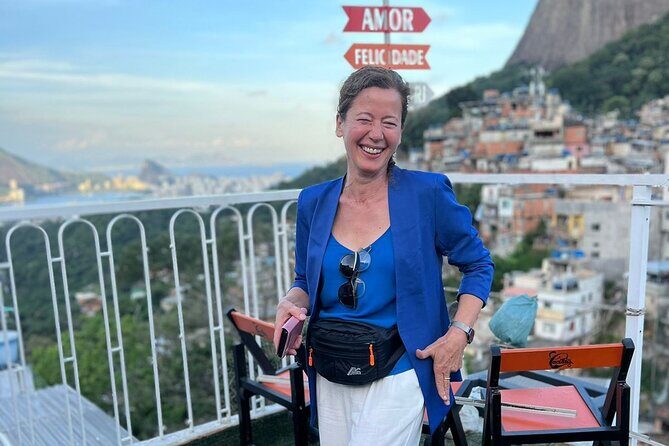
The tour is described as safe and respectful, and that starts with how you behave. Here’s what I’d do if you want this to feel comfortable for you and considerate for locals:
- Keep your camera use steady and respectful. If someone is working, talking, or in motion, don’t treat them like a backdrop.
- Listen more than you point. Let the guide translate what you’re seeing.
- Stick with the group boundaries. The point is a guided route, not wandering.
You’re going to be in a neighborhood where people live regular lives. The best moments usually come when you slow down and let the guide’s explanations guide your curiosity.
Also, since this tour is specifically built to help you see Rocinha with “other eyes,” your mindset matters. Go in ready to learn, not ready to confirm what you already think you know.
Practicalities That Affect Your Day (No Surprises)
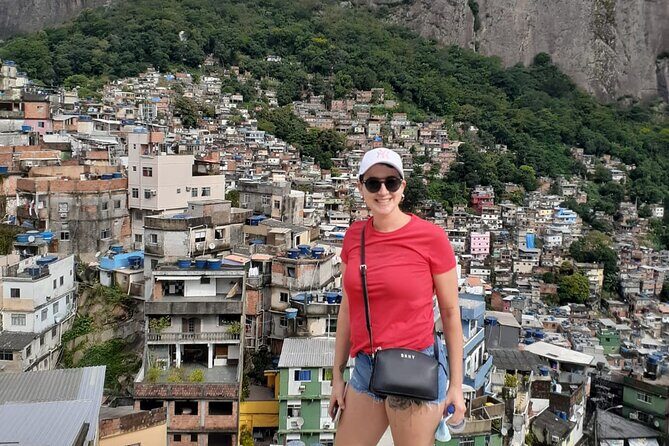
This experience includes:
- Entrance to the favela
- Local mototaxi transportation
It does not include:
- Bottled water
That last line matters more than it sounds. Bring your own water, and you can buy more locally along the way. The tour description frames this as helping local trade, and it’s an easy way to keep your spending aligned with the neighborhood you’re visiting.
A couple timing notes:
- Expect the walking portion to take you through streets and alleys that aren’t designed for tourists. Good walking shoes help.
- Plan for the full 3 hours 30 minutes as a real time block, not a quick detour. You’re there for learning and movement.
Language-wise, the tour is offered in English. If you’re traveling with someone who speaks English comfortably, this one is a strong fit.
Price and Value: Is $74.30 Worth It?
At $74.30 per person for about 3 hours 30 minutes, this isn’t a bargain-basement add-on. So the real question is what you’re getting for your money.
Here’s the value equation I see:
- You’re paying for a local guide who explains history, contrasts, and daily culture from inside the neighborhood.
- You’re also paying for included transportation by mototaxi, which is not a small thing. It saves you the hassle of figuring out how to get higher quickly.
- You get structured time: intro, climb, main-road walk, alleys, viewpoints, and project stops.
If you tried to replicate this DIY, you’d spend time on logistics and still miss the context. For many people, paying for that context is the point.
One more value signal: the tour is often booked about 12 days in advance on average, and there are group discounts. That usually means people who’ve done it once want to bring friends, or they trust the setup. If your dates are flexible, you can sometimes score a better group rate by traveling with others.
Who This Tour Fits Best
This is a good match if you want:
- A guided Rocinha experience with a local resident voice (created by Rodrigo)
- A route that mixes viewpoints with explanations, not just photos
- A respectful introduction to a neighborhood people often misunderstand
It may be less ideal if:
- You don’t feel comfortable with a mototaxi climb
- You want a totally low-walking day (there is walking through alleys and roads)
- You’re looking for a theme-park style experience with lots of formal sights and museums
On the other hand, if you’re the kind of traveler who likes streets, stories, and real-life context, this tour is right up your alley.
Booking Smart: When to Lock It In
The tour runs daily within 8:00 AM to 4:00 PM and you’ll see it listed for the season window from 05/06/2025 to 12/07/2026.
If you’re traveling during popular weeks or you’re set on a specific language and guide style, book ahead. The “average booked 12 days in advance” number suggests it fills up faster than you might expect for a neighborhood tour.
Also, this one tops out at 15 travelers, so you’re not likely to get that overly crowded “bus tour” feel.
Should You Book This Rocinha Tour?
I’d book it if your goal is to understand Rocinha as a real place with real life, not just a dramatic backdrop. The biggest wins are the local guide approach (including Rodrigo) and the way the route combines walking with viewpoint breaks and project stops. That mix helps you build real context fast.
I’d think twice if you’re uncomfortable with the mototaxi climb or if you’d rather spend your half-day on simpler, more predictable sights. In other words: this tour is for people who can handle streets, learning, and the human side of the neighborhood.
If you want Rio with fewer assumptions, this is one of the best ways to do it in a short time.
FAQ
How long is the Rocinha tour?
The tour is approximately 3 hours 30 minutes total.
What does the tour cost?
The price is $74.30 per person.
Is the tour offered in English?
Yes, this experience is offered in English.
How many people are in the group?
The tour has a maximum of 15 travelers.
Where do I meet for the tour?
Meet at Metrô São Conrado – Saída Estr. da Gávea – São Conrado, Rio de Janeiro, RJ, 22610-001, Brazil. The tour ends back at the same meeting point.
What happens if weather is poor?
The experience requires good weather. If it’s canceled due to poor weather, you’ll be offered a different date or a full refund.