
REVIEW · RIO DE JANEIRO
Rio Samba Bus: hop-on hop-off city tour in Rio de Janeiro
Book on GetYourGuide →Operated by C2RIO TOURS & TRAVEL · Bookable on GetYourGuide
Two hours in Rio, and you get the highlights fast. The Rio Samba Bus is a comfortable hop-on hop-off city loop with live guide commentary plus a Brazilian music feel onboard. It’s built for “see a lot, decide as you go,” starting around Copacabana and moving through Rio’s must-sees.
I especially like how the route ties together two big-picture views: Sugarloaf Mountain for iconic photos and the Corcovado Railway up to Christ the Redeemer. One drawback to plan around: the hop-on hop-off part depends on your ability to locate the right stop and the bus timing can be uneven, so you’ll want buffer time if you’re trying to hit multiple sights back-to-back.
In This Review
- Quick hits before you ride
- Price and value for a 2-hour Rio highlights pass
- Your route in plain English: where the bus takes you
- Copacabana first: the view you’ll feel in your chest
- Sugarloaf Cable Car Park and Morro da Urca photos
- Downtown Rio: Cinelândia, Lapa, Selarón, and the Cathedral zone
- Cinelândia and the civic core
- Lapa arches and the Selarón staircase
- Cathedral of Rio de Janeiro and the church-and-palace run
- Christ the Redeemer via Corcovado Railway: the centerpiece stop
- Aterro do Flamengo and the long South Zone return
- Music onboard: Samba, MPB, and what you should expect
- Comfort and logistics: the bus you’re riding, and the stops you’re hunting
- What you actually see: more than 10 sights, and why that matters
- Best fit: who should book Rio Samba Bus
- Should you book Rio Samba Bus?
- FAQ
- How long is the Rio Samba Bus tour?
- Is the Rio Samba Bus hop-on hop-off or fixed?
- Where does the tour start?
- What major sights does the route include?
- Are attraction tickets included?
- What languages is the live guide commentary available in?
- Is there Wi-Fi on the bus?
- Does the tour include onboard music?
- What time do buses depart?
- What’s the price?
Quick hits before you ride

- Hop-on at up to 24 stops across the South Zone, downtown, and back again
- Sugarloaf + Corcovado + Christ the Redeemer are worked into the same tour loop
- Copacabana and Aterro do Flamengo viewpoints are right up front
- Live guide commentary in Portuguese, English, and Spanish keeps you oriented
- Onboard music is part of the pitch, but treat it as a bonus, not a guarantee
- Free Wi-Fi is included, which helps when you’re mapping your next stop
Price and value for a 2-hour Rio highlights pass

At $31 per person for a 2-hour ride window, this is a “spend time smart” option. You’re paying for three things: panoramic bus sightseeing, live narration, and the flexibility to jump off at key points. If you only have a day (or only a couple hours), that’s the main value: you’re not trying to stitch together multiple taxis or figuring out where the viewpoints are without help.
What’s not included matters. Tickets for attractions aren’t part of the price, so anything that requires a paid entry—like cable car or train—may cost extra. That doesn’t kill the value, but it does mean you should decide ahead of time which “big ticket” moment you’ll actually do on foot or by ticketed ride.
You can also read our reviews of more city tours in Rio De Janeiro



Your route in plain English: where the bus takes you
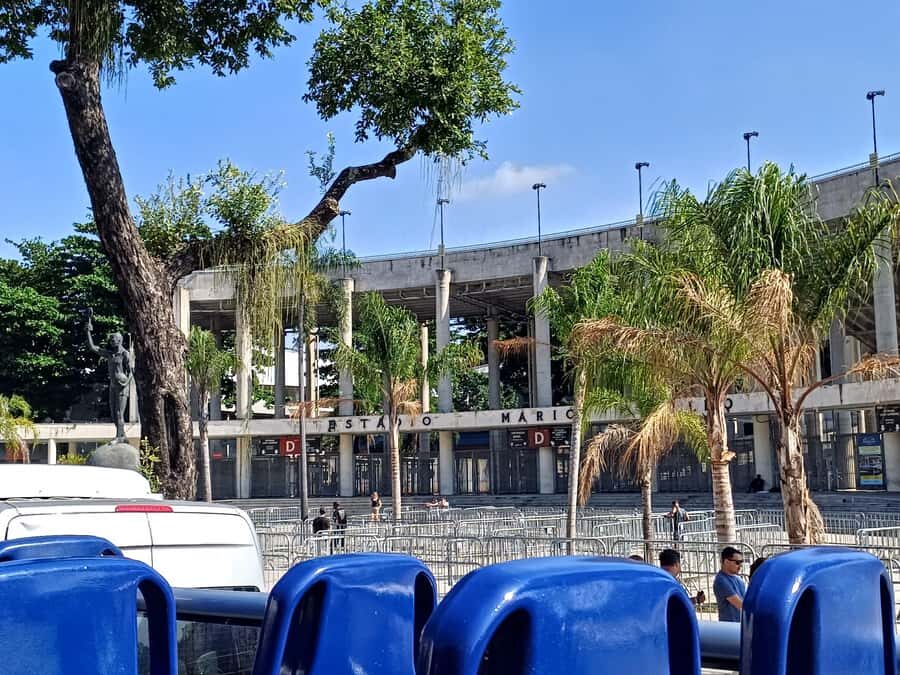
The tour runs as an outbound loop from Copacabana into downtown and back toward the South Zone. In between, you get a stack of stops that cover waterfronts, historic areas, viewpoints, and iconic religious and cultural sites.
Departure times vary by day (starting times begin at 9:15 am and later, with later start options through the afternoon). If you’re traveling on a tight schedule, pick a start time you can comfortably reach—this matters because the hop-on system works best when you’re already where the bus starts.
Outbound highlights (South Zone to downtown):
- Copacabana waterfront area (multiple Copacabana beach station stops)
- Nearby hotel and shopping-area stops (like Hilton and Rio Sul area)
- Sugarloaf Cable Car Park (for the Sugarloaf viewpoint)
- Municipal Theatre area, then Lapa and classic downtown landmarks
- Arches of Lapa, Selarón Steps, the Cathedral, Paço Imperial, Candelária Church
- Stops around AquaRio/Yup Star and Maracanã zone
Return highlights (downtown back to Christ, then more South Zone):
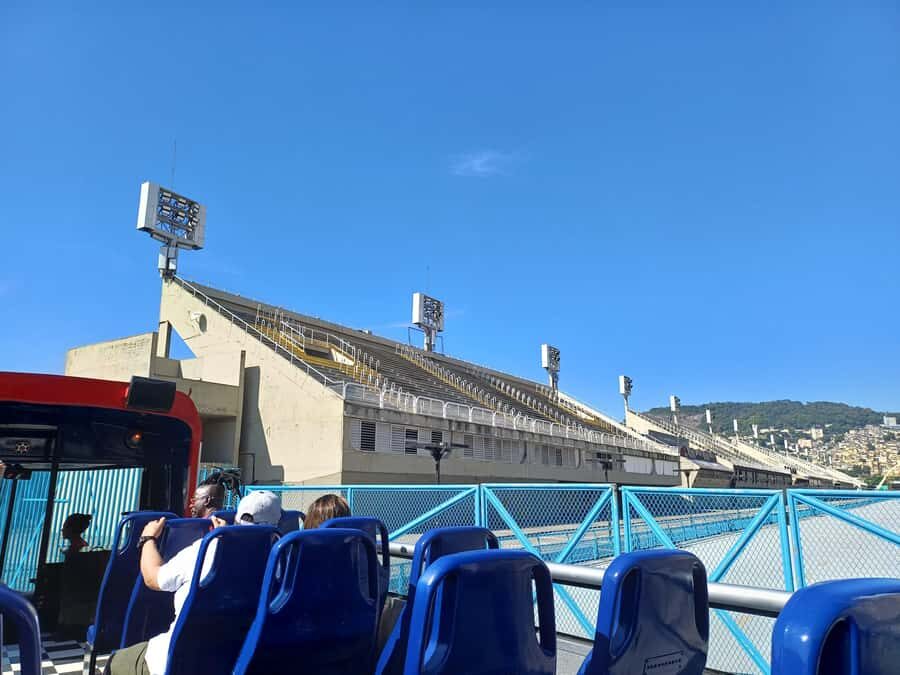
- Biopark and Sambódrome pass-by areas
- Corcovado connection for Christ the Redeemer
- Largo do Boticário and Lagoa area
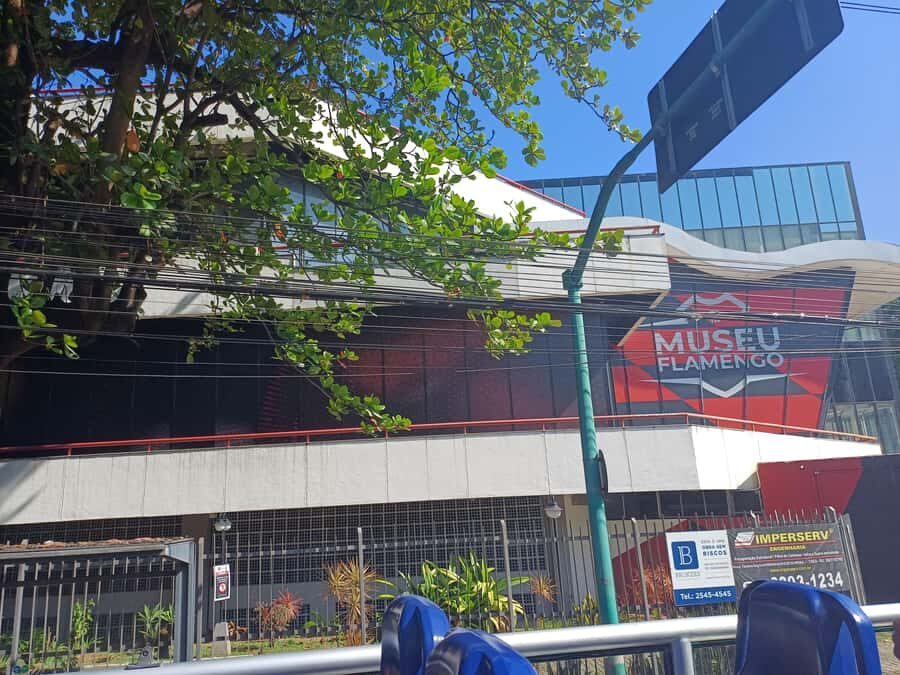
- Flamengo Museum and a few final Ipanema beach stops
That mix is why it’s popular: you get both “Rio as postcards” (Sugarloaf, Christ, waterfronts) and “Rio as a real city” (downtown streets, churches, theaters, and public landmarks).
Copacabana first: the view you’ll feel in your chest

The earliest stops focus on Copacabana, so you get that first hit of the classic Rio coast without delay. Expect the promenade energy and the wide-open shoreline views that make people fall in love with Rio in minutes.
This is also where the open vs closed bus situation might show up. Some departures run with more open-air seating for better photo views, while others use enclosed cabins that can feel more comfortable in heat or rain. Either way, your job is simple: pick your side, grab window seats when you can, and watch the coastline slide by.
If you’re the type who likes to step off for photos, Copacabana is where you do it. It’s not about seeing one small detail—it’s about understanding how the waterfront shapes the whole city.
Sugarloaf Cable Car Park and Morro da Urca photos

Sugarloaf is one of those sights you understand instantly. The bus stop at Sugarloaf Cable Car Park sets you up to take the cable car up to Morro da Urca for photos with Sugarloaf Mountain in the background.
Two practical notes:
- Tickets for the cable car are not included, so factor that cost in if Sugarloaf is a top priority.
- Time is everything here. If you plan to hop off, aim to return to the bus prompt-early, because the hop-on system is not ideal for squeezing in multiple stops with strict timing.
If you do only one “pay extra and go up” moment, Sugarloaf is a strong candidate. The view makes sense of the coastline, bays, and how Rio’s terrain pushes people toward the sea.
Downtown Rio: Cinelândia, Lapa, Selarón, and the Cathedral zone

Once the bus moves toward downtown, the feel changes. You trade beach light for architecture, street energy, and big civic spaces.
Here are a few standout segments and what they mean for your visit:






Cinelândia and the civic core
You pass through Cinelândia, the historic area where major institutions sit together. Even from the bus, it’s useful—this is where the city’s “big public buildings” cluster, including the Municipal Theatre, museum areas, and a National Library stop on the route. If you’re into cities, you’ll start reading Rio’s priorities right away.
Lapa arches and the Selarón staircase
Then you hit Lapa and it gets more fun. The bus passes the Arcos da Lapa area and stops at the Selarón Steps. These are not “just quick stops.” They’re photo magnets and they reward wandering.
One reason this tour is handy for Lapa is that it gives you context first. When you come off the bus knowing where you are, you’re not just hunting for a landmark; you’re connecting neighborhoods.
Cathedral of Rio de Janeiro and the church-and-palace run
As the route continues, you pass major sites like the Metropolitan Cathedral, Paço Imperial, and Candelária Church. Even if you don’t step inside, the bus gives you an easy overview of how different eras sit side by side.
If you do step out, do it with a plan. This is not a “rush in and out” kind of stop—you’ll enjoy it more if you give yourself time to walk the streets around it.
Christ the Redeemer via Corcovado Railway: the centerpiece stop

The big headline is Christ the Redeemer. The tour includes a stop tied to the Corcovado Train to Christ. That’s a major advantage because Corcovado isn’t just a viewpoint—you’re traveling up through the Tijuca Forest area, with city views changing as you climb.
A reality check: tickets to attractions aren’t included. So treat this as “you’ll get to the Corcovado connection point,” but you should double-check what you’ll need to pay for on arrival.
Why this stop is worth structuring your day around:
- It’s one of Rio’s single most recognizable images.
- The viewpoint gives you a sense of Rio’s shape—the bays, neighborhoods, and sea-to-hills mix.
If you’re choosing between multiple photo stops, Christ wins most of the time. But go early in your hop-off thinking: don’t wait until the last second to decide, because the return loop still matters.
Aterro do Flamengo and the long South Zone return

After Corcovado, the route works its way back toward the South Zone with more waterfront and neighborhood highlights.
You’ll pass Aterro do Flamengo, a prime stretch with great city-and-sea views. This matters because it links your earlier Copacabana impressions to a different part of the coastline. You start to see how the waterfront is Rio’s “main stage,” not just scenery.
Stops you may hop for on the return route include:
- Largo do Boticário (a handy reference point near more elevated areas)
- Lage Park
- Lagoa Skate Park area
- Flamengo Museum zone
- Garcia Dávila gastronomic area
- Ipanema beach posts (including Post 9 and Post 8 listed stops)
This portion works best if you treat the bus like a moving base. Hop off for a focused walk, then re-board for the next view. Don’t try to do everything at once; the magic is in stitching together neighborhoods in the right order.
Music onboard: Samba, MPB, and what you should expect
The tour’s promise includes musical energy onboard, with sing-alongs tied to Brazilian rhythms like Samba and MPB. This is a fun idea—especially if you’re arriving in Rio and want the vibe before you even step outside.
Here’s how to think about it realistically: plan to enjoy it if it happens, but don’t build your day around it. In practice, music performances can be hit-or-miss depending on timing and operations. So if you care a lot about a specific performance, treat the bus music as a bonus, not your main plan.
Still, even without a full onboard set, the guided experience helps you connect what you see—waterfronts, churches, historic centers—to how people talk about Rio culturally.
Comfort and logistics: the bus you’re riding, and the stops you’re hunting
The bus ride is described as comfortable, panoramic, and equipped with free Wi-Fi. Wi-Fi can be surprisingly useful for this kind of tour because your next decision is often visual: where are you, what’s worth getting out for, and how far will you walk before you’re back at the stop?
Now for the annoying part. Hop-on hop-off tours only feel easy when stops are easy to find and bus timing is consistent. Some operational frustrations show up in the real world:
- The bus may not arrive exactly when you expect.
- It can be hard to locate certain stops if you didn’t get out at the right earlier moment.
- If you’re counting on a perfect transfer timing, build in extra buffer.
My practical advice: take a screenshot of the stop list and keep it offline. Then stand where the bus can see you. If you’re using the bus in a transfer-heavy way, pace yourself. This is best for sightseeing, not for racing to time-sensitive reservations.
What you actually see: more than 10 sights, and why that matters
The route is set up to pass by more than 10 tourist attractions, with more than 30 points of tourist and cultural interest included along the itinerary. You’re not just collecting landmarks—you’re building a map in your head.
That’s a big deal in Rio, because neighborhoods can feel far apart even when they’re only a short distance by road. This tour helps you learn the city’s rhythm quickly:
- coast first (Copacabana, then broader waterfront areas)
- then historic and cultural center (theatre, churches, civic buildings)
- then the iconic vertical moment (Corcovado/Christ)
- then back to the lifestyle zones (Lagoa, Flamengo, Ipanema beaches)
It’s a fast way to decide where you want to return on foot later.
Best fit: who should book Rio Samba Bus
This works especially well if:
- you want a guided orientation in a short window
- you like flexible sightseeing instead of one rigid checklist
- you’re focused on major icons: Christ, Sugarloaf, waterfront views
- you don’t want to coordinate multiple separate transport options
It might not be the best choice if:
- you hate waiting around for transport
- you need exact minute-by-minute timing for timed tickets and tours
- you expect onboard music to be a guaranteed, scheduled show every time
Should you book Rio Samba Bus?
If you’re visiting Rio with limited time, I’d call this a smart first-day—or first-half-day—choice. It’s good value for $31 when you want the highlights stitched into one guided loop, especially with the Christ the Redeemer and Sugarloaf components plus waterfront views.
If you do book, I’d plan it like this: choose one or two “big ticket” moments (Sugarloaf and/or Corcovado), then use the rest of the stops for walking, photos, and orientation. Keep a buffer for re-boarding, and don’t treat the schedule like a train timetable.
One last note: free cancellation and pay-later options are listed, so it’s also a low-risk way to hold your place while you figure out which attractions you’ll prioritize.
FAQ
How long is the Rio Samba Bus tour?
The tour duration is listed as 2 hours.
Is the Rio Samba Bus hop-on hop-off or fixed?
It’s a hop-on hop-off city tour. You can get on and off at the listed stops.
Where does the tour start?
The tour starts in the Copacabana area, with multiple Copacabana beach station stops listed on the outbound route.
What major sights does the route include?
The route includes viewpoints and landmarks such as Christ the Redeemer (via the Corcovado Train connection) and Sugarloaf Mountain, plus passes and stops around Copacabana, Aterro do Flamengo, Lapa, Selarón Steps, and downtown landmarks like Cinelândia and Candelária Church.
Are attraction tickets included?
No. Tickets to the attractions are not included.
What languages is the live guide commentary available in?
Live commentary is listed in Portuguese, English, and Spanish.
Is there Wi-Fi on the bus?
Yes. Free Wi-Fi is included on board.
Does the tour include onboard music?
Musical performances on board are included as part of the experience.
What time do buses depart?
Departure times vary by day, with listed start times ranging from 9:15 am up to later afternoon starts.
What’s the price?
The price is listed as $31 per person.