REVIEW · RIO DE JANEIRO
Rio de Janeiro: Tijuca National Park & Botanic Garden Tour
Book on GetYourGuide →Operated by Rio Carioca Tours & Service · Bookable on GetYourGuide
Tijuca Forest in Rio feels like a plan that actually works. You get easy hotel pickup plus a tight 4-hour loop through one of the world’s biggest urban forests, with stops like Vista Chinesa for panoramic views and the Taunay Waterfall area. I also like the mix of nature and human touch, from the reforestation story that shaped Tijuca to a quick visit to the pink Mayrink Chapel.
The main thing to watch is how the day can change: park access and conditions can be impacted by weather or closures, and the Botanical Gardens entry isn’t included—so you’ll want a little budget and flexibility for that.
In This Review
- Key things that make this tour worth your attention
- Why Tijuca National Park fits Rio sightseeing so well
- The 4-hour schedule: what you’ll actually experience
- Vista Chinesa: the viewpoint stop that makes the whole forest day click
- Taunay Waterfall and Mayrink Chapel: two stops with different moods
- Taunay Waterfall
- Mayrink Chapel with its pink facade
- Wildlife rules that keep the experience respectful
- Botanical Gardens: 7,000 plant species, and how to enjoy them in a short visit
- Price and value: is $65 a good deal for this Rio combo?
- What I think this tour is best for (and what to avoid)
- Practical tips that make the day smoother
- Should you book this Tijuca & Botanical Gardens tour?
- FAQ
- How long is the Rio de Janeiro: Tijuca National Park & Botanic Garden tour?
- How much does the tour cost?
- What is included in the price?
- Is entry to the Botanical Gardens included?
- Do I get food or drinks during the tour?
- What languages is the guide available in?
- Where does pickup happen?
- What should I bring for the tour?
- Is the tour wheelchair accessible?
Key things that make this tour worth your attention
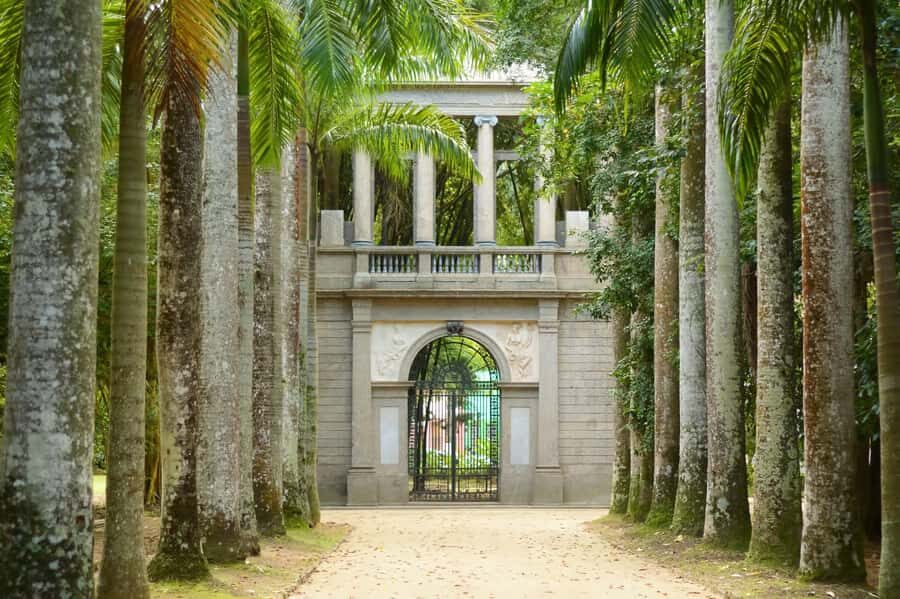
- Urban rainforest, built from reforestation: Tijuca was created to regrow land damaged by sugar cane and coffee plantations.
- Vista Chinesa viewpoint time: a high-payoff stop for big Rio views.
- Taunay Waterfall stop: you’ll see the cascade right inside the forest setting.
- Mayrink Chapel with its pink facade: a distinct break from straight nature sightseeing.
- 7,000+ plant species at the Botanical Gardens: a calmer contrast after the hiking-style forest route.
- Hotel transfers included: less hassle, more time for sights within a short duration.
Why Tijuca National Park fits Rio sightseeing so well
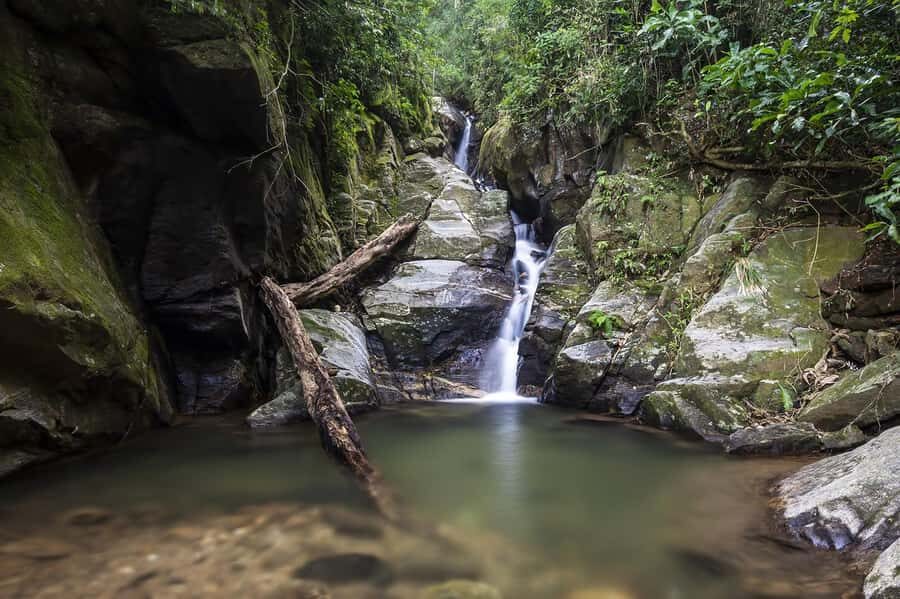
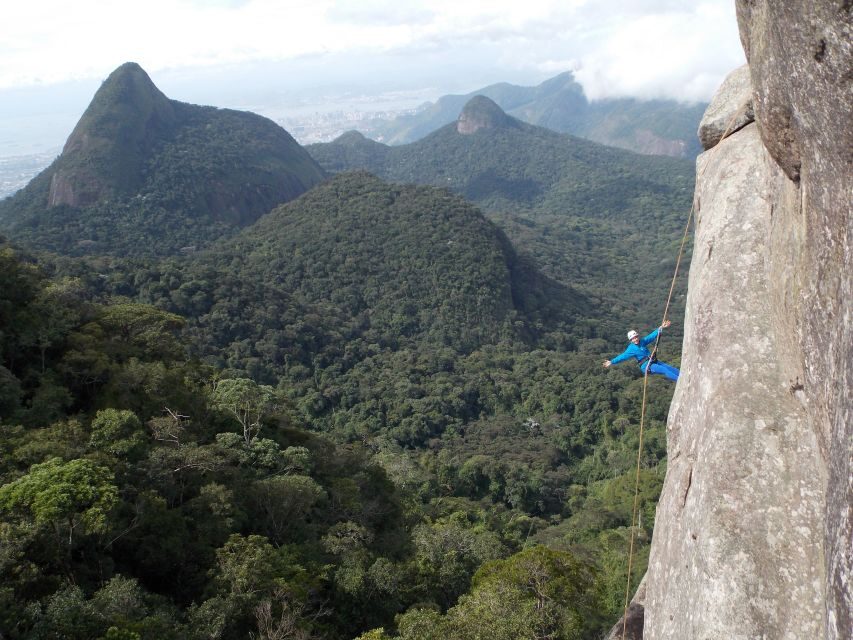
Rio can overwhelm you fast: beaches, hills, traffic, heat, and a million opinions about what to do first. Tijuca National Park is different. It’s a real rainforest ecosystem, right inside the city, and it gives you a clear feeling of scale and survival—how nature can recover when people change course.
The park was founded in 1861 by Emperor D. Pedro II, originally to reforest land devastated by sugar cane and coffee plantations. That matters because it explains what you’re looking at. This isn’t just scenery. It’s an engineered comeback that turned into a living habitat over time. When your guide points out biodiversity and forest structure, you’ll understand why those details exist.
You’ll also get a gentle sense of wildlife presence without turning it into a zoo experience. The park is home to small animals such as squirrels, monkeys, porcupines, foxes, armadillos, plus birds, reptiles, and butterflies. The rule is simple: observe from a distance and don’t feed animals.
You can also read our reviews of more tours and experiences in Rio De Janeiro.



The 4-hour schedule: what you’ll actually experience
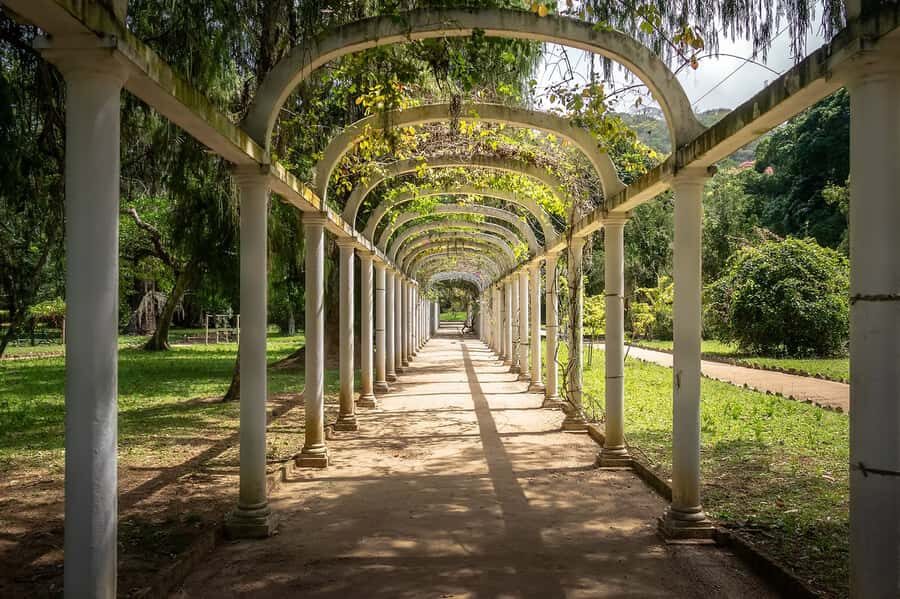
This is a half-day tour (4 hours) with hotel pickup and drop-off. That timing is the whole strategy. You’re getting key forest viewpoints and landmarks plus a Botanical Gardens visit, without losing the rest of your day to logistics.
A typical flow looks like this:
- Pickup and transfer toward the Tijuca Forest area
- Several scenic stops in the rainforest, including Vista Chinesa
- Time at Taunay Waterfall
- A stop at Mayrink Chapel (pink facade)
- A distant viewpoint glimpse that can include Pedra da Gávea and the Christ the Redeemer statue
- Continued to the Botanical Gardens, where you explore 7,000+ plant species
- Return transfer back to your hotel
The tour is guided, and that’s useful in two ways. First, you’ll get the story behind what you see, like why Tijuca exists and what makes the forest ecosystem special. Second, you’ll move through the day with less guesswork, especially for photo stops where the best angle depends on where the road and trails place you.
One practical note: in high season, traffic and crowd volume can stretch things out. Even if the tour is listed as 4 hours, plan for occasional delays in Rio’s city grid.
Vista Chinesa: the viewpoint stop that makes the whole forest day click

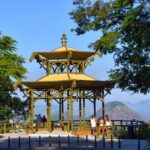
If you’re going to pick one “remember this” moment from the forest route, make it Vista Chinesa. The viewpoint is your reward for leaving the city behind for a few hours.
What you’ll like here is the contrast:
- You’re surrounded by rainforest and tall vegetation on the way in.
- Then you get a high perspective that turns the city into patterns, including the chance for distant landmarks.
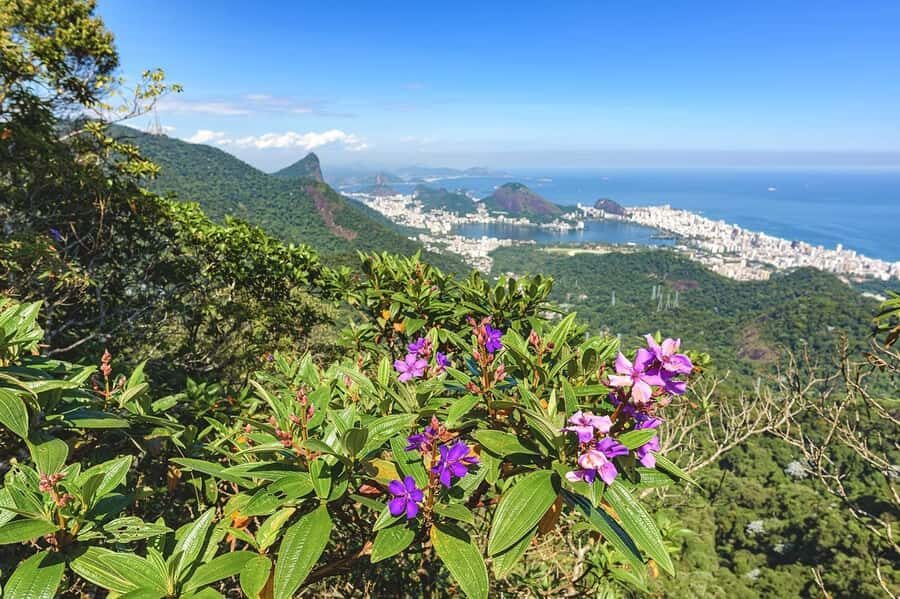
Depending on visibility and conditions, your guide may point out a distant glimpse of Christ the Redeemer and the monolithic Pedra da Gávea. Even when it’s not a perfect clear-day postcard moment, viewpoints help you orient yourself in Rio. You start to understand the geography behind the photos you’ve seen online.
If the weather is poor, don’t panic. Rain can make it harder to appreciate colors and distance. But the payoff still comes from being in the forest and seeing how the light and mist change the way Rio looks from above. Wear weather-appropriate clothing, and bring basics like sunscreen and water, because the sun can still sneak through between clouds.
Taunay Waterfall and Mayrink Chapel: two stops with different moods
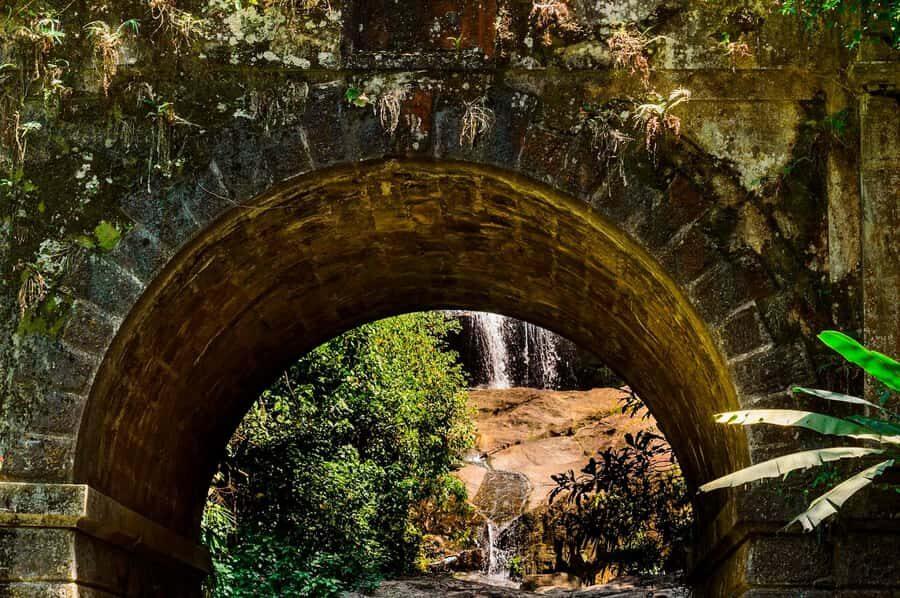
After the viewpoint, the tour slows into a more grounded rhythm.
Taunay Waterfall
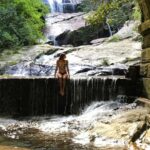
At Taunay Waterfall, you’re looking for a “moment of movement.” A waterfall stop gives your eyes something to follow—water, mist, and that cool, damp pocket feel you get in forest areas. It’s also a good place to slow down and notice the way rainforest plants cluster near moisture.
The main consideration here is time and footing. The tour is short, so you won’t be doing a long hike. You’re likely going to be taking in views from available spots, so bring the right mindset: this is sightseeing, not a full trail day.





Mayrink Chapel with its pink facade
Then you hit Mayrink Chapel, famous for its distinct pink facade. This stop does two things for your brain:
- It reminds you this is Rio, not some isolated national park experience.
- It gives you a visual anchor that’s easy to photograph and remember.
Chapel architecture also breaks up the “green tunnel” effect that can happen when you spend hours in forest vegetation. It’s a fast, memorable landmark that gives the tour variety without extending the duration.
Wildlife rules that keep the experience respectful
One of the best parts of a guided park visit is getting clarity on behavior. Tijuca has real wildlife, but you won’t be seeing animals up close in a guaranteed way.
You should expect sightings to be occasional, and that’s normal. The animals you might encounter include monkeys, foxes, armadillos, plus birds, butterflies, and reptiles. The tour’s guidance is clear: observe from a distance and do not feed animals.
This matters more than people think. Feeding changes animal behavior and health. It also makes your guide’s job harder when the park atmosphere is disrupted. When you keep distance, you protect the wildlife and you’re more likely to see something natural rather than forced.
Botanical Gardens: 7,000 plant species, and how to enjoy them in a short visit
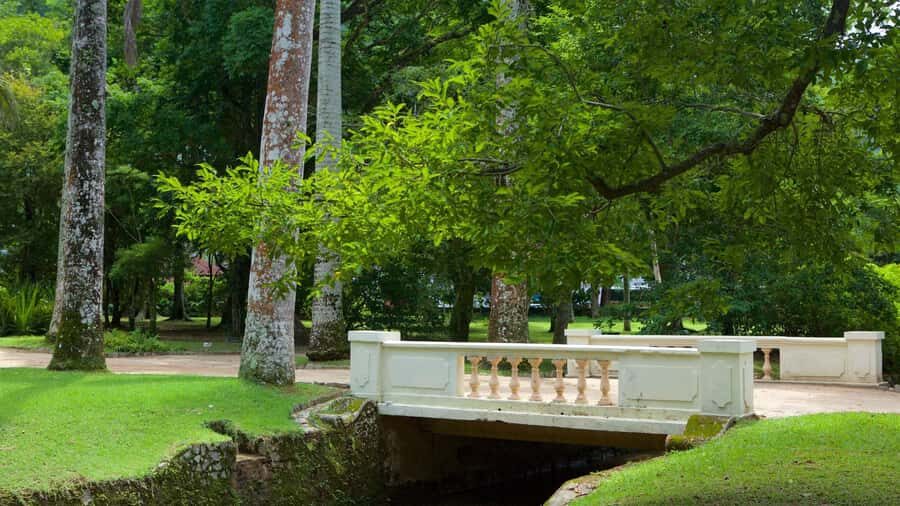
In a city tour, Botanical Gardens can either be a quick photo stop or a real reset. Here, it’s the second half of the day, which is smart: your rainforest brain gets a softer landing.
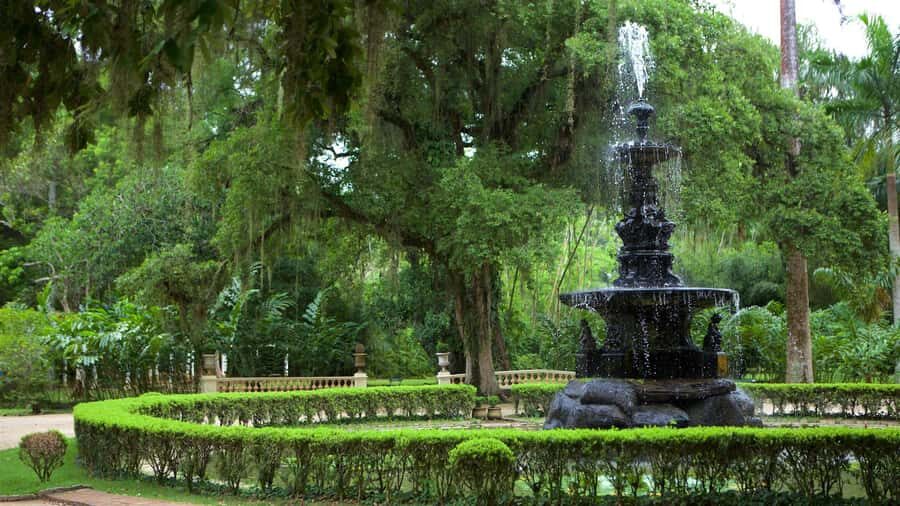
You’ll explore the Botanical Gardens, where you can see over 7,000 species of plants, including bromeliads and orchids, along with native Brazilian flora. That’s a huge number on paper, but in practice, the joy is in pattern recognition:
- bromeliads often catch your eye because of their shapes and clustered growth
- orchids stand out when you spot their unique flower structures
- native plants help the garden feel connected to the region, not imported landscaping
One important detail: entry to the Botanical Gardens is not included. That means you’ll need to pay the garden entrance separately on site. If you budget for it in advance, you won’t feel rushed when you get there. And it also explains why the day can feel different depending on conditions: some days may end up being more garden-focused if the forest portion is affected.
This is where flexibility helps. The gardens are serene and worthwhile even if you lose some forest time.
Price and value: is $65 a good deal for this Rio combo?
At $65 per person for a 4-hour guided tour with hotel pickup/drop-off and entry to Tijuca National Park, you’re paying for convenience plus a specific set of “signature” stops. For many visitors, that’s the value: you’re not trying to solve transportation, timing, and route planning on your own in a busy city.
Here’s what you get for that price:
- hotel pickup and drop-off
- a tour guide
- entry ticket to Tijuca National Park
Here’s what you should expect to pay for separately:
- food and drinks
- Botanical Gardens entry
So the real comparison isn’t only the $65 number. It’s $65 plus any Botanical Gardens entrance fee you’ll pay on site, plus what you spend for water and any snacks you want. If you arrive already prepared with water and you plan for the garden entry, the pricing feels more balanced.
Also, the day has a built-in “weather and conditions” risk, because Rio can throw rain and traffic at your schedule. If the forest part gets shortened, the garden visit can become the core experience. That shift can still be great, but you should know the balance may change.
What I think this tour is best for (and what to avoid)
This is a strong choice if you want:
- a short, guided nature day without long planning
- viewpoints plus history, not just walking
- a blend of forest energy and garden calm
- multilingual guiding options, including English and several European languages
It’s also a good fit for first-timers who want to see why Tijuca matters to Rio beyond the famous beaches and hills.
What to avoid it for:
- If you’re expecting a long, hardcore hiking day, the duration and structure won’t match that. This is a guided sightseeing format.
- If you’re the type who hates paying extra on arrival, make sure you’re okay with Botanical Gardens entry being separate.
If you’re visiting in a time when crowds and traffic are high, build a little buffer into your day plan.
Practical tips that make the day smoother
You don’t need special gear, but you do want the basics. Bring:
- sunglasses
- sun hat
- sunscreen
- water
- weather-appropriate clothing
For getting on the bus:
- Be ready in the hotel lobby about 10 minutes before the scheduled pickup time.
- Pickup typically covers Leblon, Ipanema, Copacabana, Flamengo, and Centro, and it can include the cruise port area too.
- If you have a specific hotel address, you’ll want to provide it so the pickup can be confirmed.
If you need wheelchair access, the tour is listed as wheelchair accessible, but do notify in advance in case the operator needs to adjust for reduced mobility.
Should you book this Tijuca & Botanical Gardens tour?
I’d book it if you want a smart half-day that connects Rio’s rainforest story to recognizable sights, without turning your trip into a puzzle. The $65 price works best when you value hotel transfers, a guide who can explain what you’re seeing, and a route that hits Vista Chinesa, Taunay Waterfall, and Mayrink Chapel plus the Botanical Gardens.
I would think twice only if you dislike last-minute schedule changes or you strongly prefer fully inclusive pricing. The forest portion can be affected by closures or conditions, and you should expect to pay the Botanical Gardens entry separately.
If you go in with that mindset, you’re likely to leave with exactly what this tour is built for: forest views, a real Rio nature story, and a calm plant-filled ending.
FAQ
How long is the Rio de Janeiro: Tijuca National Park & Botanic Garden tour?
The tour lasts 4 hours.
How much does the tour cost?
It costs $65 per person.
What is included in the price?
The tour includes hotel pickup and drop-off, a tour guide, and an entry ticket to Tijuca National Park.
Is entry to the Botanical Gardens included?
No. Entry to the Botanical Gardens is not included, so you’ll pay separately on site.
Do I get food or drinks during the tour?
No. Food and drinks are not included.
What languages is the guide available in?
The live tour guide is available in English, Portuguese, Spanish, German, French, and Italian.
Where does pickup happen?
Pickup is available from most hotels in Leblon, Ipanema, Copacabana, Flamengo, and Centro, and also at the cruise port.
What should I bring for the tour?
Bring sunglasses, a sun hat, sunscreen, water, and weather-appropriate clothing.
Is the tour wheelchair accessible?
Yes, the tour is listed as wheelchair accessible. It’s best to notify in advance if you have reduced mobility.