REVIEW · RIO DE JANEIRO
African Heritage: Gastronomy and Musicality Experience
Book on Viator →Operated by Traveller XP · Bookable on Viator
Rio has another beat under the official one. This tour connects major Rio sites to Afro-Brazilian life, starting with the Morrinho Project at Museu de Arte do Rio, where a detailed model recreates everyday life in the Pereira da Silva favela. I love how it challenges the usual, too-simple stereotypes about favelas.
Two big reasons I’d do it again: you get hands-on culture, not just photos, and the day ends with music-making. The Afro-Brazilian/Yoruba food tasting and a percussion workshop with an instructor and drummer from the African continent make the history feel bodily—rhythm, flavor, and identity in the same afternoon.
One thing to plan around: the gastronomy stop is not suitable if you have food restrictions, since the tasting is part of the experience.
In This Review
- Key highlights you won’t forget
- From Morrinho to Música: The tour’s real theme
- MAR’s Morrinho Project: seeing a favela as community, not a headline
- Eduardo Kobra mural: ancient ancestry painted large
- Instituto Pretos Novos (IPN): archaeology that changes how you understand slavery
- Cais do Valongo and Little Africa: a port that shaped the world
- Pedra do Sal: gastronomy, Yoruba practice, and resistance that keeps playing
- What to expect during the tasting
- Percussion workshop at Pedra do Sal: music you can feel
- Largo de São Francisco da Prainha at sunset: the music keeps going
- Price and value: what $110 actually buys you
- Who this tour suits best (and who should skip it)
- Should you book African Heritage: Gastronomy and Musicality in Rio?
- FAQ
- Where does the tour start and end?
- How long is the experience?
- What time does it start?
- How much does it cost?
- What’s included in the tour?
- Are drinks included?
- Is the tour private?
- Do I need good weather?
- Is it suitable for people with food restrictions?
- Can I get a full refund if I cancel?
Key highlights you won’t forget
- Morrinho Project at MAR (Museu de Arte do Rio): A permanent, detailed model of Pereira da Silva favela life that reframes the conversation about space, people, and community.
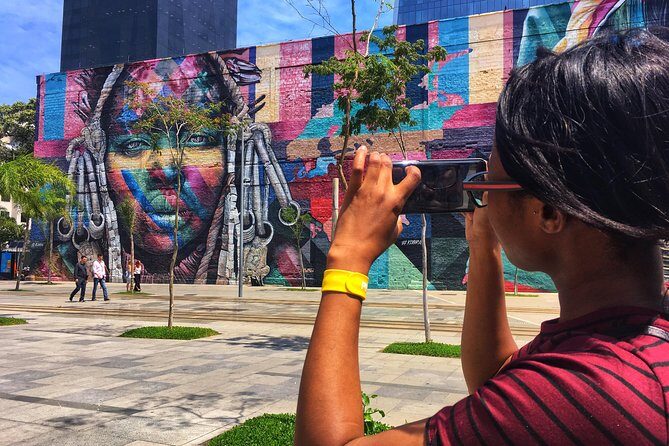
- Eduardo Kobra mural stop: A chance to slow down with the largest graffiti mural in the world and see how it references ancestral ethnic groups and Brazil’s older histories.
- IPN (Instituto de Pesquisa e Memória Pretos Novos): The archaeology and the permanent exhibition featuring African remains found at the site, giving the slave trade a concrete, human scale.
- Valongo Pier and Little Africa: Built-in context for how this port area shaped global history and Afro-descendant traditions in Rio.
- Pedra do Sal: Quilombo community + weekly samba: Cultural resistance you can feel, tied to Afro-Brazilian identity and outdoor music.
- Largo de São Francisco da Prainha at sunset: A low-key evening scene with samba, funk, jazz, and chorinho, plus local snacks and cold beers.
From Morrinho to Música: The tour’s real theme
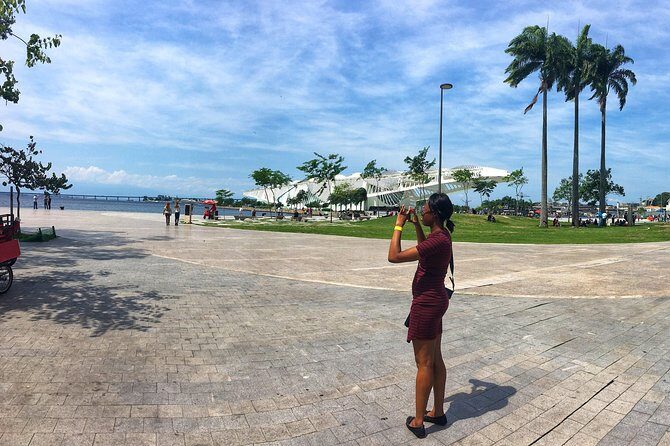
This isn’t a check-the-box history walk. It’s a story with a pulse: how African origins, forced migration, and community survival shaped Brazilian culture—and how that shows up today in food, rhythm, and public life in Rio.
The tour starts in the Centro area near Museu do Amanhã and moves through some of the city’s most meaningful sites. You’ll spend time with art and museums, but you’ll also spend time where people gather—places like Pedra do Sal and Largo de São Francisco da Prainha—so the day doesn’t end as theory.
And since it’s private, the pacing tends to feel human. You’re not squeezed into a stampede, which matters a lot when the subject is dignity, memory, and lived culture.
You can also read our reviews of more historical tours in Rio de Janeiro


MAR’s Morrinho Project: seeing a favela as community, not a headline
Your first meaningful stop is Museu de Arte do Rio (MAR), home to the Morrinho Project, a permanent installation. The star of it is a highly detailed model recreating the streets, inhabitants, and daily life of the Pereira da Silva favela.
What I like about this approach is how it forces your brain to switch gears. Instead of treating favelas as symbols, you’re given something closer to a neighborhood portrait—routine, social space, and human texture. It’s especially useful if you’ve only ever consumed Rio through crime-focused media or distance-branding stereotypes.
The practical side is also good. The time here is short (about 25 minutes) and the admission is free, so you can look carefully without feeling stuck in a long museum marathon.
One consideration: this kind of exhibit can bring up strong feelings. If you’re sensitive to topics tied to discrimination and inequality, take your time and let your guide slow the story down.
Eduardo Kobra mural: ancient ancestry painted large
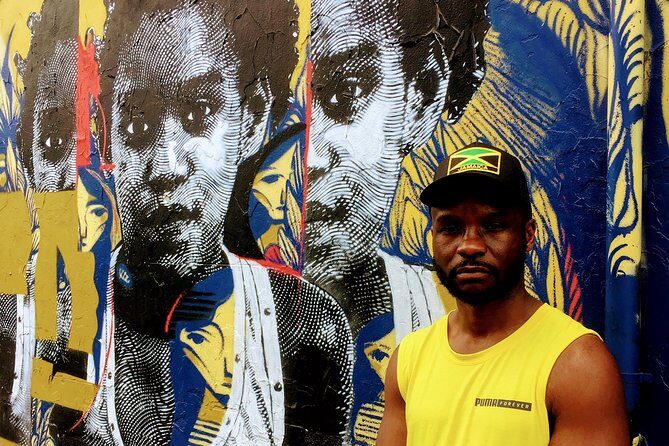
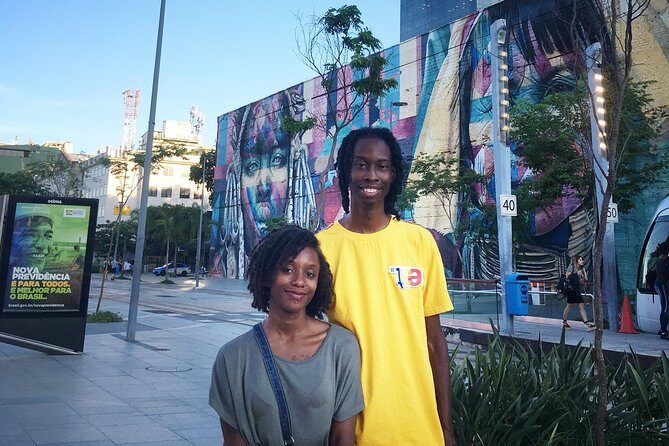
After MAR, you’ll contemplate Eduardo Kobra’s work—described as the largest mural of graffiti in the world. The mural includes references to ancestral ethnic groups and very old cultures connected to Brazil’s broader history.
Even if you usually treat street art like background decoration, this stop makes it harder to ignore. Kobra’s scale turns graffiti into public memory. You’re not just looking at color; you’re reading ancestry through the wall.
What to do: don’t rush. Stand back first to catch the full composition, then move in to notice the details your eyes would normally skip. This is one of those moments where slowing down helps you get more than you expected.
Instituto Pretos Novos (IPN): archaeology that changes how you understand slavery
Next comes Instituto de Pesquisa e Memoria Pretos Novos (IPN). Here, you visit an archaeological site and a permanent exhibition that includes bones of Africans discovered at the place.
This stop is the emotional spine of the tour. It turns the slave period from a general textbook phrase into physical evidence—something that happened here, in real bodies, and left traces in the ground.
The duration is about 40 minutes, and admission is free. That’s a good balance: enough time to take in what you’re seeing, but not so long that it turns into numb overload. If you’re the kind of person who likes to read captions and absorb context, this is where you’ll appreciate the extra minutes.
Small tip: keep your expectations grounded. This is not entertainment; it’s memory and research space. If you go in with respect and patience, you’ll leave with a stronger understanding of what you’re seeing around Rio today.
Cais do Valongo and Little Africa: a port that shaped the world
Then you head to Cais do Valongo, the Historical Site of the Pier of Valongo, plus the region known as Little Africa. The key value here is connection: you learn the area’s history and traditions and how it matters not only for Rio, but for humanity’s larger story.
This stop is short—about 15 minutes—and admission is free, but the meaning is big. Valongo isn’t just a landmark. It’s a reminder of how migration, forced labor, and cultural survival all fed into the identities people carry now.
If you like history that explains why today looks the way it does, this is a great pivot point. You’ll start noticing later how the tour’s music-and-food parts weren’t random additions. They’re part of the same chain.



Pedra do Sal: gastronomy, Yoruba practice, and resistance that keeps playing
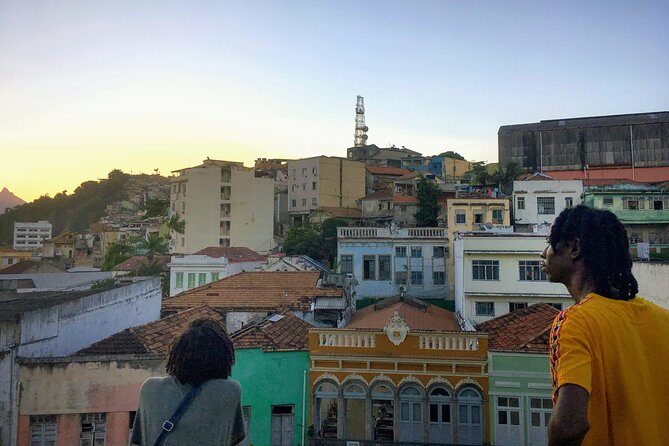
Pedra do Sal is where the tour shifts from sites and exhibits into community life. You’ll meet the remaining community connected to Quilombo Pedra do Sal, described as a place of cultural resistance and a core part of the preservation of Afro-descendant heritage.
This matters because it positions Afro-Brazilian culture as active—not locked in the past. The area is also tied to weekly outdoor samba sessions, where Cariocas celebrate their Afro-Brazilian legacy in public.
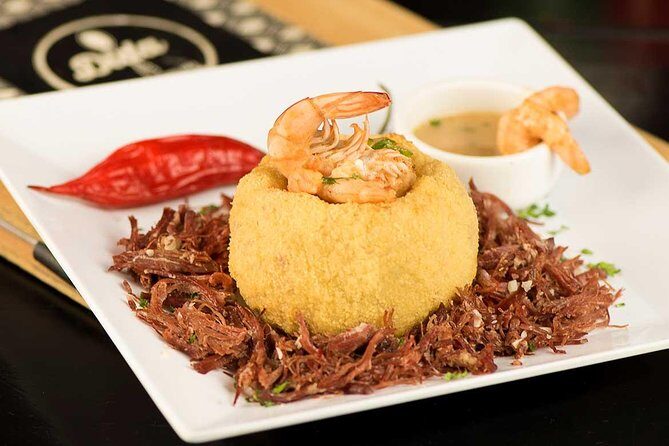
Then comes the best practical part of the day: the food. The experience highlights Afro-Brazilian gastronomy with tasting of typical dishes of Afro-Brazilian and Yoruba cuisine. The guide frames these foods as everyday reflections of religions of African origin, which makes the meal feel like culture, not just calories.
What to expect during the tasting
You’ll get tasting portions (so you can try several flavors), and you’ll hear the context tied to Afro-Brazilian spiritual traditions. Since the tour data says it’s not suitable for people with food restrictions, I’d treat this as a full cultural activity rather than a casual snack stop.
This is also where you may notice the tour’s deeper goal: showing how African heritage in Brazil isn’t one museum room. It shows up in cooking, social rhythm, and community gatherings.
Percussion workshop at Pedra do Sal: music you can feel

Still at Pedra do Sal, the tour includes musicality through a percussion workshop with an instructor and drummer from the African continent.
This is one of those additions that changes everything. Learning rhythm by doing it—not just watching it—turns music from “something you hear” into “something you understand.” Even if you have zero percussion experience, the act of participating helps you connect the dots between ancestry and sound.
The workshop is listed as 3 hours, with admission included. That duration is a clue: this isn’t a quick demo. You’ll likely spend time building basic rhythm patterns, listening closely, and responding to the group’s energy.
If you’re deciding whether to book, this is a major reason the tour earns such high marks. People aren’t leaving with only names and dates. They’re leaving with body memory.
Largo de São Francisco da Prainha at sunset: the music keeps going
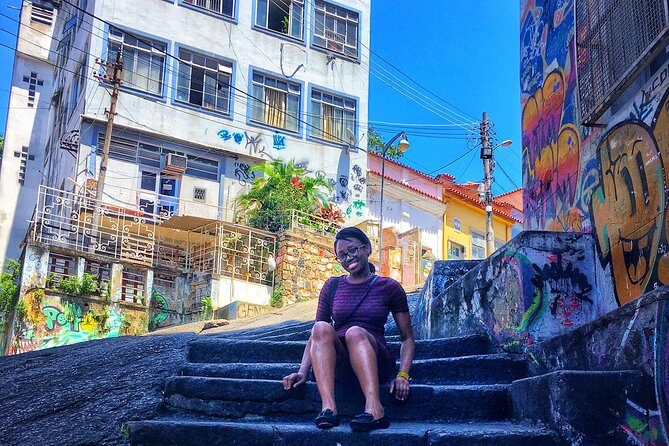
To finish, you’ll head to Largo de São Francisco da Prainha. The square is described as a culturally rich spot where history, music, and urban life overlap.
As the sun sets behind Morro da Conceição, the space comes alive with samba, funk, jazz, and chorinho. It’s a relaxed scene with outdoor seating and cold beers and snacks from local bars, so it doesn’t feel like an appointment—it feels like Rio waking up into evening.
You’ll also be surrounded by Portuguese architecture. That detail matters. Rio isn’t a single-story city. As the day closes, you’ll have seen Afro-Brazilian heritage in community spaces, and now you get to watch how it coexists in a broader urban layer.
This stop is short (about 15 minutes), but it’s timed well. Ending with sound in the air is a strong way to let everything you learned land naturally.
Price and value: what $110 actually buys you
The tour costs $110.00 per person for roughly 5 hours.
On paper, that can look like a lot for a walking tour—until you break down what’s included:
- Afro-Brazilian gastronomy tasting
- IPN tickets
- The percussion workshop (with an instructor and drummer) where participation is part of the experience
In other words, you’re not only paying for transportation between stops. You’re paying for cultural access: tastings plus a music session plus admission tied to a site where memory is physically documented.
Also, this tour is private. That often changes the value equation, because your guide can set a calmer pace when the topics are sensitive and the learning goals are specific.
Not included: drinks. So plan to budget for that if you want a beer during the final square-time.
Who this tour suits best (and who should skip it)
This experience is a strong fit if you want:
- Afro-Brazilian heritage told through major Rio sites and living community culture
- A mix of art, archaeology, food, and music in a single afternoon
- A guide who explains context clearly, not just facts
It’s less ideal if:
- You have food restrictions, because the gastronomy tasting is part of the core activity
- You prefer a purely light sightseeing day. This tour deals with memory and slavery’s legacy in a direct way, especially at IPN and Valongo
Good news: the tour says most travelers can participate, and it’s near public transportation. So even if you don’t live in the area, you can reach the start point without a logistical headache.
Should you book African Heritage: Gastronomy and Musicality in Rio?
If you’re choosing between another “highlights of Rio” day and a day focused on African heritage, I’d pick this one. The best reason is balance: you get the hard evidence at IPN and Valongo, then you get cultural continuation through Pedra do Sal’s samba culture, food connected to Yoruba traditions, and a real percussion workshop.
The second reason: it ends in a living public space at sunset, so you don’t leave with only museum energy. You leave with music in your head and flavors you can picture.
Book it if:
- You care about Afro-Brazilian history and want it connected to what you’ll see and hear on the street
- You want active participation through percussion, not just passive viewing
Skip it if:
- Food restrictions are an issue for you
- You want a low-emotion, low-context outing
FAQ
Where does the tour start and end?
The tour starts at Museu do Amanhã, Praça Mauá, 1 – Centro, Rio de Janeiro, and it ends at Largo de São Francisco da Prainha, Largo São Francisco da Prainha – Saúde, Rio de Janeiro.
How long is the experience?
It lasts about 5 hours.
What time does it start?
The start time listed is 10:00 am.
How much does it cost?
The price is $110.00 per person.
What’s included in the tour?
Included are Afro-Brazilian gastronomy tasting and IPN tickets.
Are drinks included?
No. Drinks are not included.
Is the tour private?
Yes, it’s a private tour/activity, meaning only your group participates.
Do I need good weather?
Yes. The experience requires good weather. If it’s canceled due to poor weather, you’ll be offered a different date or a full refund.
Is it suitable for people with food restrictions?
No. It’s not suitable for people with food restrictions.
Can I get a full refund if I cancel?
Free cancellation is available. You can cancel up to 24 hours in advance for a full refund; canceling less than 24 hours before the start time isn’t refunded.