REVIEW · RIO DE JANEIRO
Rio de Janeiro: Hiking and Rappelling at Tijuca Forest
Book on GetYourGuide →Operated by Nattrip Ecotourism and Adventure · Bookable on GetYourGuide
Jungle hiking ends with controlled rappelling. I love how this trip turns Rio’s biggest urban forest into a hands-on adventure, from Mata Atlântica trails to a summit rappel at Bico do Papagaio.
You’re not just walking for views. You’re also learning what you’re stepping through, with a park museum stop, waterfall time, and expert guidance for the technical part.
What I like most is the mix of skills and scenery. A guide like GG brings the forest to life with clear explanations, while keeping a close eye on pacing and comfort during the climb. And the views from high up are the kind that make the hard parts feel worth it.
The main consideration is the physical side. This is an all-day trek with steep uphill and rocky sections, and it’s not a fit if you have serious heart, back, or mobility issues.
In This Review
- Key Highlights at a Glance
- Entering Tijuca Forest: From the Gate to the First Climb
- The Park Stops That Make the Day Feel More Than Scenic
- Cachoeira das Almas: Your Water Break With Bonus Magic
- The Bico do Papagaio Trail: Where Views Start to Feel Real
- Summit Rappel at Bico do Papagaio: The Technical Moment You’ll Remember
- What the Guides Add (and Why It Matters)
- How Hard Is It Really? Footwear, Water, and Weather
- Is $59 Good Value for This Tijuca Adventure?
- Logistics That Can Affect Your Energy
- Should You Book This Tijuca Hike and Rappel?
- FAQ
- How long is this experience?
- Where does the tour start and end?
- What languages are the guides available in?
- What’s included in the price?
- Is hotel pickup available?
- What should I bring?
- What footwear is recommended?
- Is the rappel included and where does it happen?
- Who might not be able to join?
- What’s the cancellation policy?
Key Highlights at a Glance
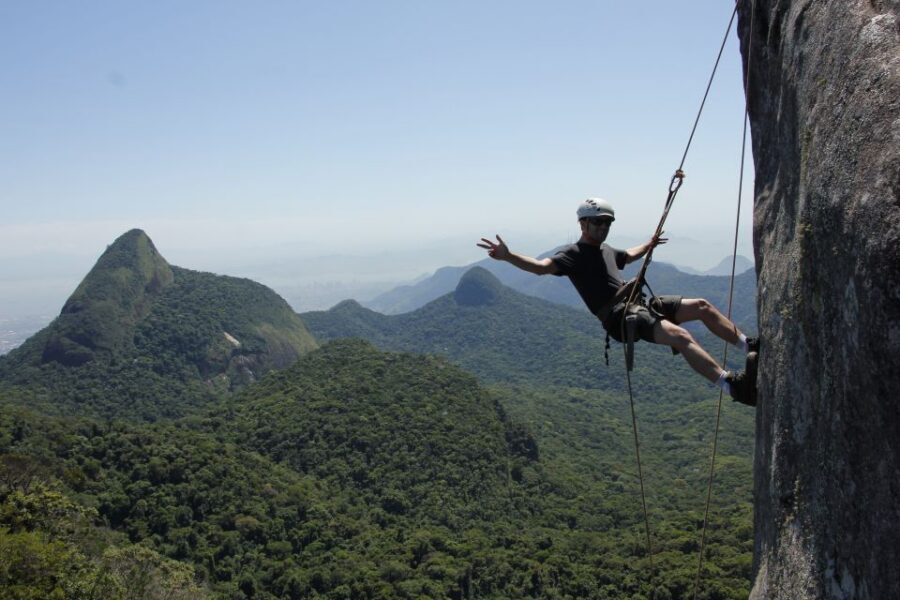
- Bico do Papagaio rappel at the summit, with certified gear and expert help
- UNESCO Tijuca National Park trails through the Mata Atlântica forest
- Cachoeira das Almas for a real waterfall shower break
- Big payoff views over Tijuca’s peaks like Pico da Tijuca and Pedra da Gávea
- Small or private groups with a professional bilingual guide
- Museum + visitor stops that add context beyond the hike
Entering Tijuca Forest: From the Gate to the First Climb
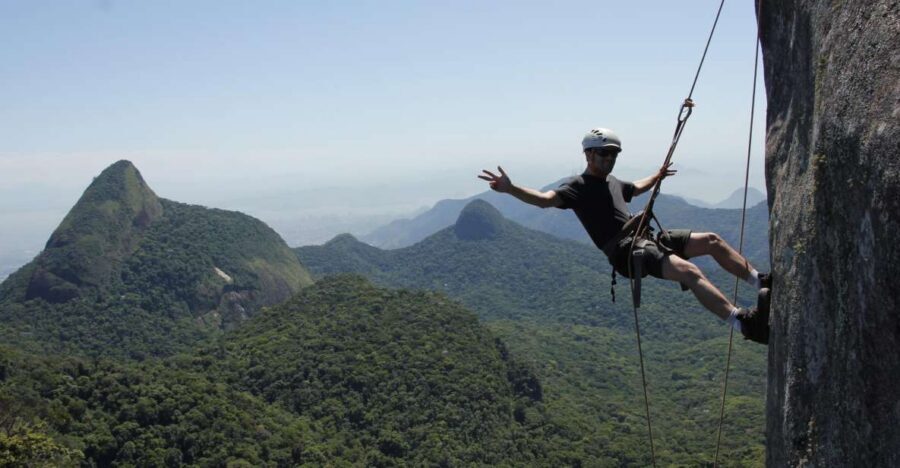
The day starts at the entrance gate of Tijuca National Park, and that matters more than you might think. Going in from the official access point helps you settle into the rhythm right away: walk, stop, learn, repeat. You’ll hike on trails inside the park through Mata Atlântica forest, the Atlantic Forest biome that still feels surprisingly “wild” even though you’re in Rio.
Right at the beginning, you’ll be walking as a group with a guide who sets expectations for the terrain. The hike pushes uphill in phases, so you’ll want to think in steady effort rather than sprinting to the top. Comfortable footwear with good grip is non-negotiable here—some sections can be rocky, and sandals or flip-flops are a no-go.
This is also the moment to check your basics: water, sunscreen, and a light snack. The tour recommends carrying 3 liters of water, which sounds like a lot until you’re hiking in warm conditions and then realize how quickly your energy plan evaporates. A daypack helps keep everything accessible without slowing you down.
You can also read our reviews of more hiking tours in Rio De Janeiro

The Park Stops That Make the Day Feel More Than Scenic
One of the smartest parts of this experience is that it doesn’t treat the forest like a backdrop. You’ll visit the park museum and the visitor center during the trek. It’s an opportunity to get oriented before you reach the higher, more rugged sections.
That context is useful on the trail. As you move deeper into the greenery, you’ll have a clearer sense of what you’re looking at—how this urban-adjacent rainforest stays alive, and why Tijuca’s mix of nature and human history is such a big deal. Even if you’re not into museums, this stop gives you a framework that makes the later views and the rappel feel tied to a place, not just an activity.
Expect the order of sights to shift if weather or conditions require it. That flexibility is normal in a jungle environment, but it’s good to remember so you don’t build your day around a rigid timetable.
Cachoeira das Almas: Your Water Break With Bonus Magic
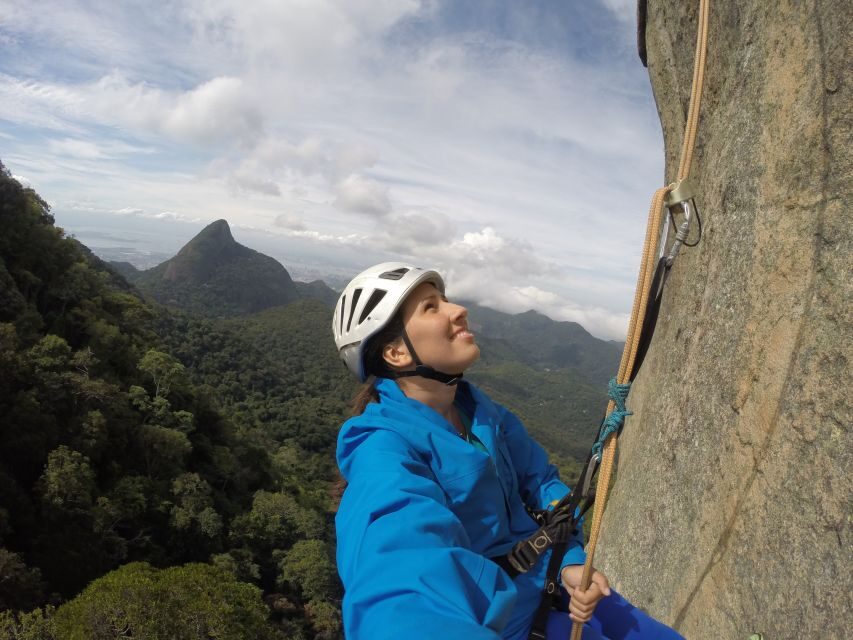
At Cachoeira das Almas, the day gives you a payoff that feels both refreshing and a little earned. It’s described as a natural shower, and you’ll feel the difference versus just splashing water from your bottle. The waterfall break also shifts the mood: after climbing and focusing on footing, you get a moment to stand still, breathe, and let the cool air reset you.
Practical tip: if you plan to get wet, be realistic about what you’ll do with your stuff after. The tour doesn’t allow luggage or large bags, so you’re already traveling light, but you’ll still want a plan for your phone and any items you keep in your daypack. The waterfall time is worth it—you just don’t want to turn it into a dry-backpack disaster.
This stop also helps you pace your day. The hike continues after, and the rappel portion is at the summit, so you want to use the waterfall moment as a recharge, not as an all-out snack-and-sit marathon.
The Bico do Papagaio Trail: Where Views Start to Feel Real
As the trek pushes forward, you’ll reach the base of the mountain area and then face a more rugged, steep climb. This is where the tour earns its reputation as an adventure, not a casual walk. You’ll be negotiating natural obstacles—think rockier footing and steeper angles than the earlier parts of the trail.
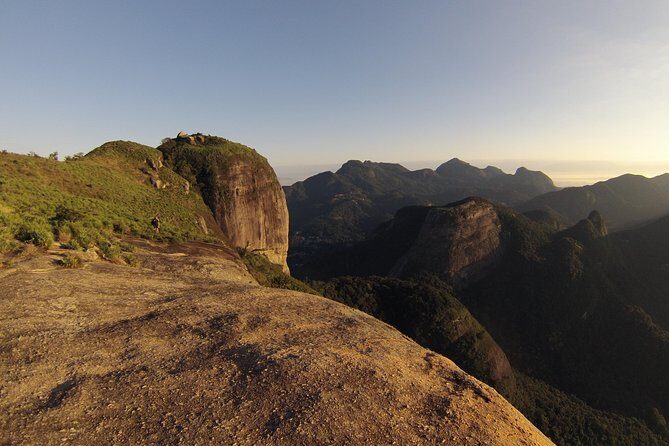
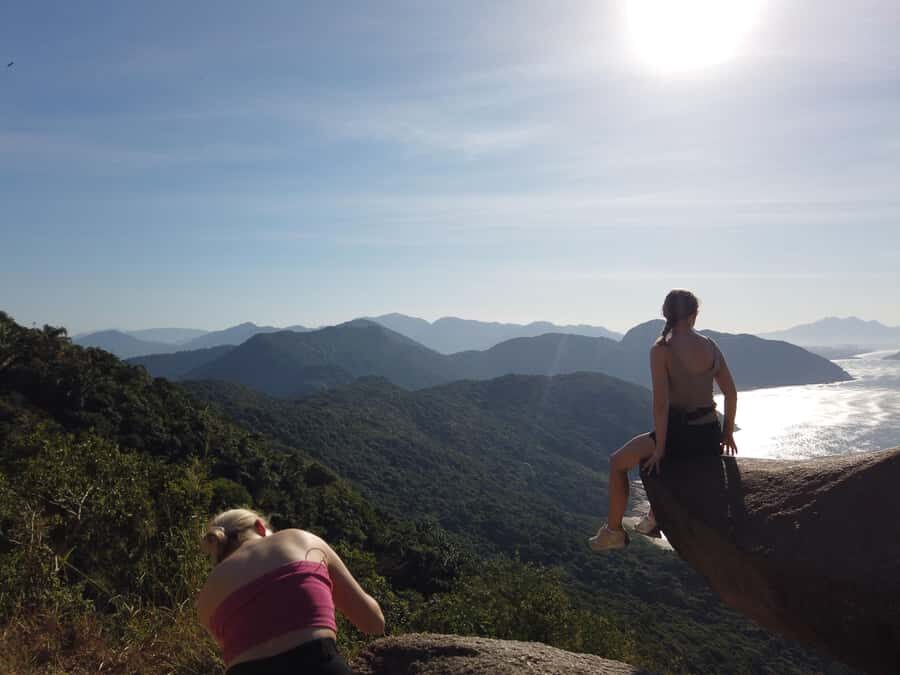
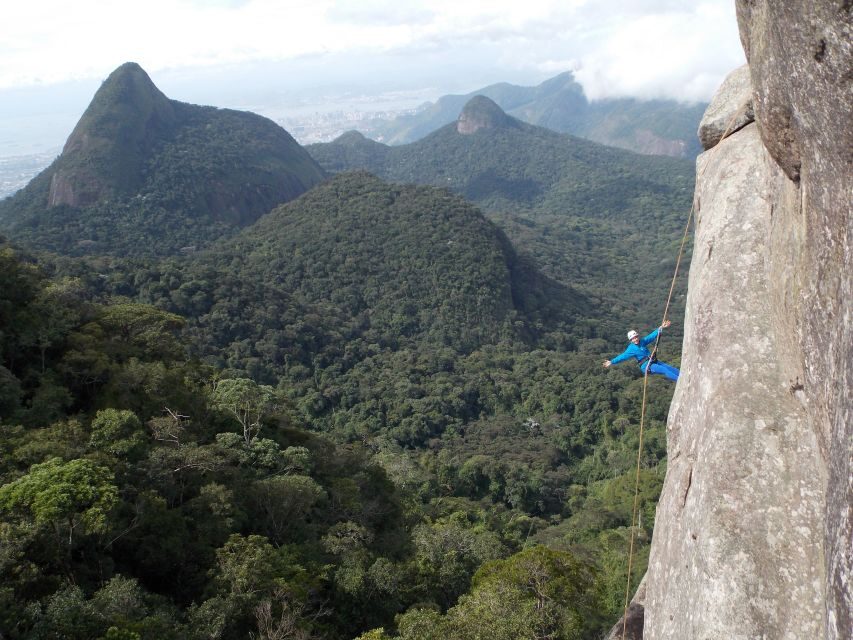
The good news: this is also where the views begin to make sense. From higher points near the summit area, you can take in major peaks in Tijuca National Park, including Pico da Tijuca and Pedra da Gávea, plus other notable formations like Pedra do Conde, Cocanha, and Pedra Bonita. You’ll also catch sights toward Sumaré and a small part of Corcovado and Cristo Redentor.
For me, the value here is that the guide helps you understand what you’re seeing while you’re catching breaks. When you know what direction you’re looking at and which peaks the terrain connects to, the scenery becomes more than pretty shapes.
Fitness reality check: this portion isn’t about endurance only. It’s also about balance. Slow down on uneven sections and keep your focus on grip.
Summit Rappel at Bico do Papagaio: The Technical Moment You’ll Remember
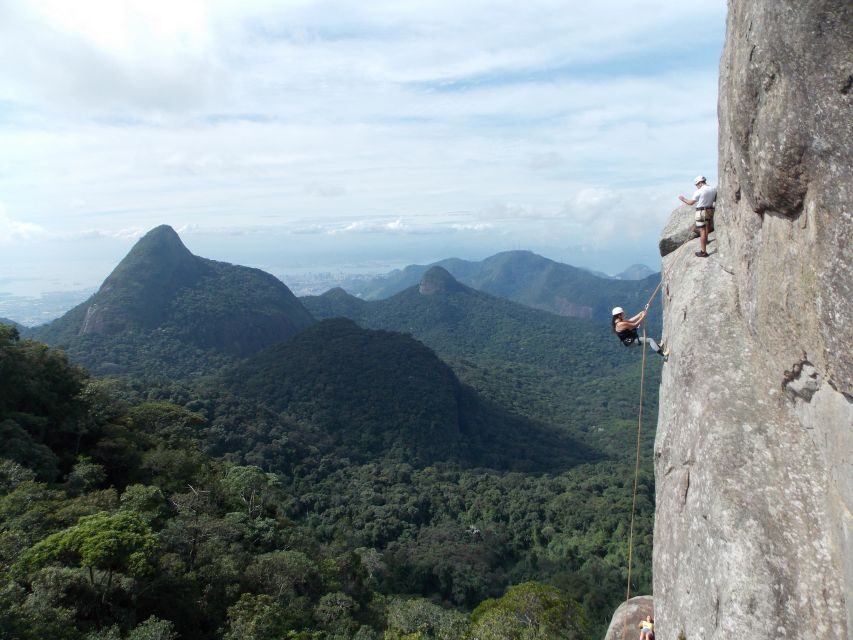
The rappel (abseiling) happens at the summit of Bico do Papagaio, the second highest mountain in the park. This is the part of the day that changes your relationship with the mountain. Instead of just looking at it, you’re actively controlled descending it using certified climbing equipment for local use.
Because you’re going with a professional guide, the emphasis is on safety and technique. You’ll be outfitted with the gear and guided through the basics, including how to manage your descent and stay stable. If you’ve never rappelled before, this is exactly the kind of setting you want: structured, guided, and built into a full-day plan rather than a random jump off a cliff.
You don’t need to be a rock-climber to enjoy this, but you do need to be comfortable with heights and the idea of moving carefully under guidance. If that’s your weak spot, tell the guide early. In a good group dynamic, they’ll help you build confidence step by step.
One more practical note: you’ll be at summit height after a long hike. If you tend to get lightheaded with exertion, move gradually, take breaths, and don’t rush. This tour isn’t about beating anyone; it’s about doing it right.






What the Guides Add (and Why It Matters)
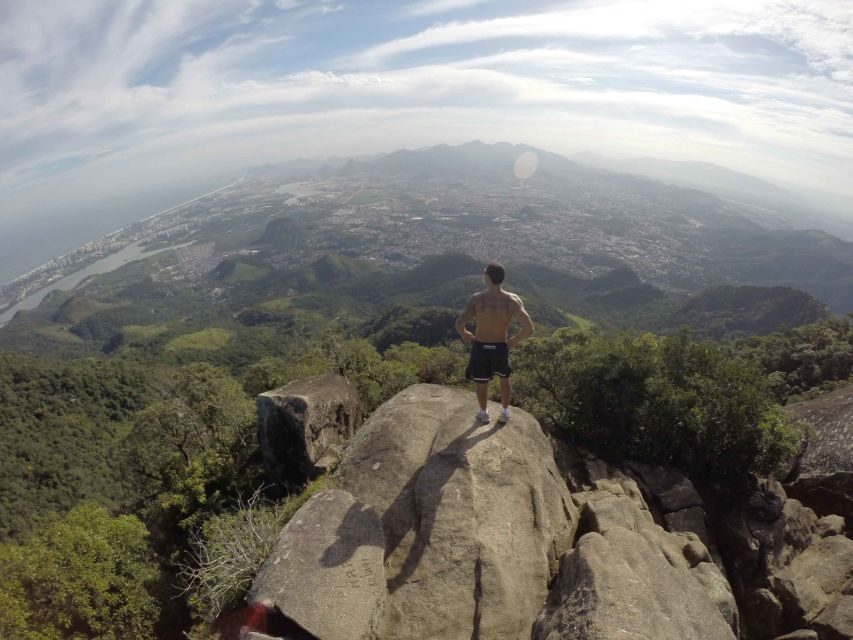
The guides are a big reason this experience earns strong ratings. You’re getting more than route instructions. You’re getting explanations about the forest and Rio’s culture in a way that stays connected to what you’re doing on the trail.
In the feedback I’m seeing reflected in this kind of trip, guides like GG actively check in on how people are doing, including pacing and comfort. That shows up especially on the harder uphill sections, where the guide can adjust how you move as a group. You also get encouragement that’s useful, not pushy.
If you want an extra challenge, there’s mention of an indigenous trail for those who want to work a bit more. That’s a good reminder that Tijuca isn’t just one loop. With a guide, you can tailor the difficulty while staying in the safe, guided environment.
How Hard Is It Really? Footwear, Water, and Weather
This is an eight-hour experience, and it’s closer to an active day than a half-day excursion. Expect uphill climbing, rocky and boulder sections, and a summit rappel that happens after you’ve already been walking for a while.
Here’s how to set yourself up:
- Wear comfortable footwear with good grip (no sandals or flip-flops)
- Bring a light snack, water (3 liters recommended), and sunscreen
- Use a daypack so you don’t carry your whole world
- Plan for changing conditions; the order may shift due to weather or trail conditions
Health and safety limitations are part of the deal. It’s not recommended if you have heart complaints or serious medical conditions. It’s also not suitable for people with back problems, pregnant women, people with mobility impairments, or wheelchair users. If any of that applies, you’ll want to choose a different Rio nature option that matches your physical needs.
One more “plan for real life” point: the tour prohibits intoxication and alcohol before or during the activity, and it also bans drug use and weapons. That keeps the adventure focused and safer for everyone.
Is $59 Good Value for This Tijuca Adventure?
At around $59 per person for an 8-hour full-day outing, the value comes from what’s included, not just the hiking. You’re paying for:
- A professional bilingual guide
- Guided hiking through multiple trails inside Tijuca National Park
- Museum and visitor-center time
- A natural shower stop at Cachoeira das Almas
- Certified climbing equipment for the rappel
- Personal accident insurance
- Optional hotel pickup and drop-off in supported tourist zones
If you tried to piece this together yourself, you’d quickly spend time (and money) on figuring out entry points, a safe rappel setup, and qualified instruction. Here, the rappel equipment and guidance are built into the plan, which is exactly what you want for a technical activity.
The other value angle is the “whole day” structure. You’re not just paying to get to a viewpoint. You’re getting a sequence: forest hike + context stops + waterfall + summit technical experience. That pacing makes the day feel like a complete adventure.
Logistics That Can Affect Your Energy
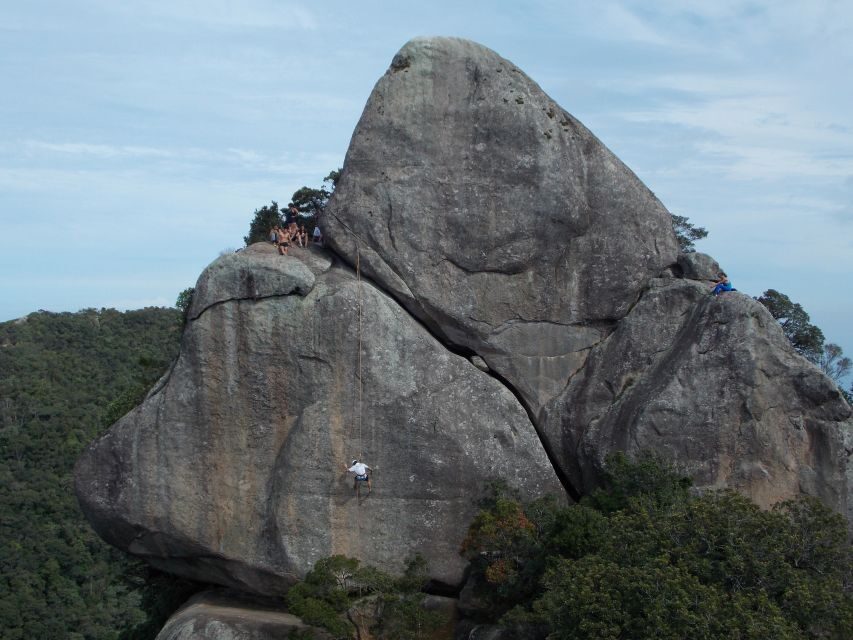
The meeting point is Praça Afonso Viseu, 104 in Alto da Boa Vista. Your day begins there, and you’ll return there at the end. If you’re not using hotel pickup, you’ll want to plan extra time to reach the meeting spot without stress.
One practical review note that’s worth taking seriously: the meeting point may be a bit of a hike from where the real trail effort starts, meaning you may burn some energy before the guided hiking fully kicks in. If you’re sensitive to long days or you want to arrive fresh, consider using the optional pickup if it’s available for your hotel.
You also want to pack light. Pets aren’t allowed, and luggage or large bags aren’t allowed. Keep it simple: water, daypack, light snack, sunscreen, and your camera if you can secure it.
Should You Book This Tijuca Hike and Rappel?
Book it if you want a day that mixes nature, skills, and real payoff views. It’s ideal for active travelers who are comfortable with uphill walking and want something more memorable than yet another viewpoint. You’ll likely enjoy it most if you like guided explanations and want the forest experience to come with context.
I’d skip it (or look for an easier option) if you have limitations related to heart, back issues, pregnancy, mobility needs, or if long, steep climbs are not your thing. Also, if you’re mainly looking for a relaxing stroll, this won’t match that mood.
If you’re on the fence, here’s my quick decision rule: if you can handle a challenging hike for the views and you’re curious about rappelling with proper instruction, this is a strong choice in Rio’s backyard of green.
FAQ
How long is this experience?
It lasts about 8 hours.
Where does the tour start and end?
It starts at Praça Afonso Viseu, 104 – Alto da Boa Vista, Rio de Janeiro, and ends back at the same meeting point.
What languages are the guides available in?
The live guide is available in Spanish, English, and Portuguese.
What’s included in the price?
You get a professional bilingual guide, guided hiking, a visit to the Tijuca National Park Museum, a natural shower at Cachoeira das Almas, certified climbing equipment for the rappel, personal accident insurance, and hotel pickup/drop-off if you choose that transportation option.
Is hotel pickup available?
Pickup is optional, for hotels located in the tourist zone of Rio de Janeiro (only in supported hotels).
What should I bring?
Bring water and a daypack. The tour recommends bringing a light snack and notes that 3 liters of water are recommended, plus sunscreen.
What footwear is recommended?
Wear comfortable footwear with good grip. Sandals or flip-flops are not allowed.
Is the rappel included and where does it happen?
Yes. The rappel is done at the summit of Bico do Papagaio.
Who might not be able to join?
It is not suitable for people with heart problems, back problems, pregnant women, people with mobility impairments, or wheelchair users. It is also not recommended for participants with heart complaints or other serious medical conditions.
What’s the cancellation policy?
You can cancel up to 24 hours in advance for a full refund.