REVIEW · RIO DE JANEIRO
Rio de Janeiro: Surflessons and surfcoach.
Book on GetYourGuide →Operated by CADES · Bookable on GetYourGuide
Short lesson, serious technique. This Rio de Janeiro surfcoach session is built for learning fast, with patient coaching from Henry and training in the best conditions of the day. The schedule packs warm-up, wave reading, water time, and video feedback into a tight block, so the only real drawback is you’ll need to stay focused and ready to move.
What I like most is the structure: quick analysis, coached practice, then feedback you can actually use. You’ll also benefit from a small group (up to 5), plus instructors who speak Portuguese, Spanish, and English, and a setup at CADES that includes showers, bathrooms, and even a skateboard surf simulator track. Just bring clothes that can get dirty, because the ocean always has opinions.
In This Review
- Key things that make this surfcoach lesson work
- Entering The CADES Headquarters: where you get set up fast
- The 10-minute warm-up and 5-minute wave check
- On-the-water practice with filming: feedback you can see
- Video analysis at the end: the part people underestimate
- Surf spot training: peak and wave objectives, then 50 minutes in the water
- Transfers, gear, and the small stuff that saves your day
- Price and value: what $90 buys in one hour
- Who this surfcoach lesson is best for
- The honest downside: timing and expectations
- Should you book Rio surflessons and surfcoach?
- FAQ
- How long is the surf lesson?
- Where do we meet for the lesson?
- Is it only for beginners?
- What equipment is included?
- Do I need to bring anything?
- What languages are available for the instructor?
Key things that make this surfcoach lesson work
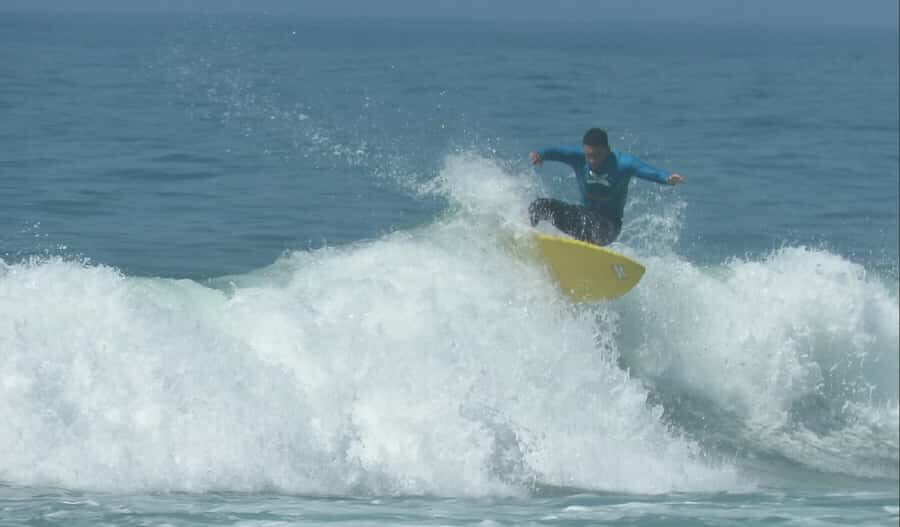
- Patient, level-appropriate instruction (including beginners) based on real coaching styles like Henry’s
- Video filming + analysis so you can correct technique, not just hope
- Short on-land wave coaching, long enough in the water to build real turns and timing
- Small group limits to 5 participants, so you’re not lost in a crowd
- All equipment included: board, leash, wetsuit, and wax
- Training for beginners through intermediate/advanced so you won’t feel stuck
Entering The CADES Headquarters: where you get set up fast
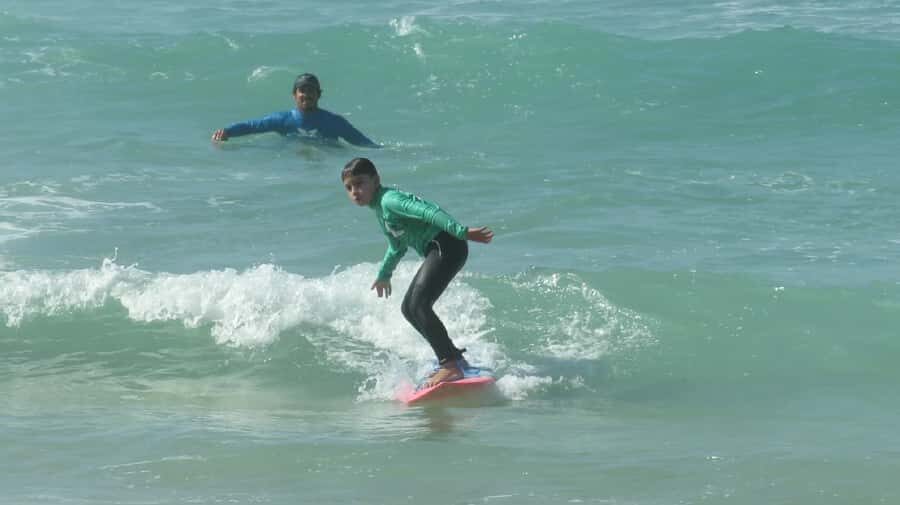
Your lesson starts at CADES headquarters. The meeting point is here: https://maps.app.goo.gl/8H6tAuAsREd1yN3B8. Once you arrive, you’re not just handed a board and sent off. The space is built for getting students comfortable before the ocean asks questions.
CADES includes practical extras that matter when you’re wet and sandy soon: bathrooms, showers, and an activity room. There’s also a skateboard surf simulator training track, which hints at how seriously they treat technique, even before you paddle out.
If you’re coming with kids or trying to fit this around a busy Rio day, the small-group model helps. Limited to 5 participants, you’re more likely to get real attention instead of “watch everyone else and figure it out.”
You can also read our reviews of more tours and experiences in Rio De Janeiro.



The 10-minute warm-up and 5-minute wave check
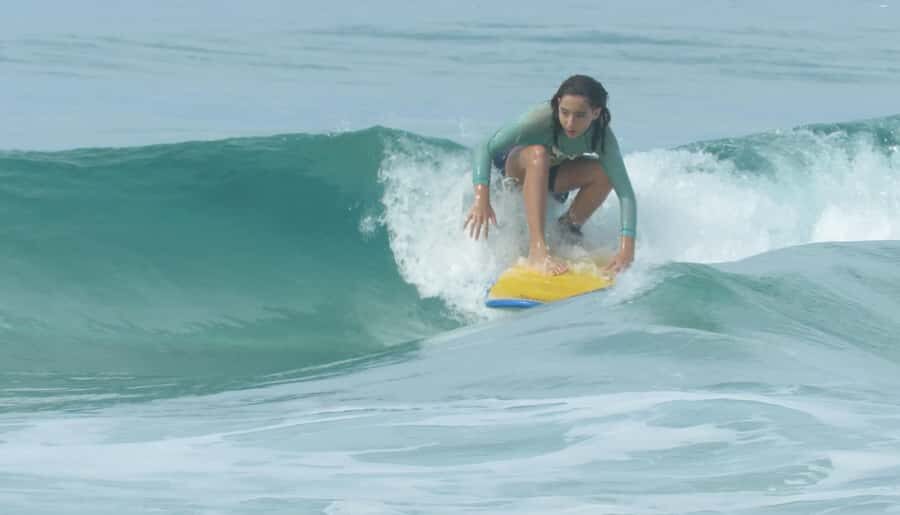
Before you hit the water, the session begins with a brief 10-minute warm-up. This is the part that keeps you from showing up stiff and flustered. If you’re new to surfing, you’ll be happy they start with movement rather than jumping straight into chaos.
Then comes a 5-minute sea and wave analysis with the teacher. This isn’t a long lecture. You’ll go from “what am I looking at?” to “okay, I get what this means for my takeoff and timing.” That short format is useful because your attention span is better spent on the ocean than on theories.
This is also where the lesson’s real purpose shows: you’re learning the why behind what you do. Surf is timing and positioning, and a quick wave-reading moment gives you a target.
On-the-water practice with filming: feedback you can see
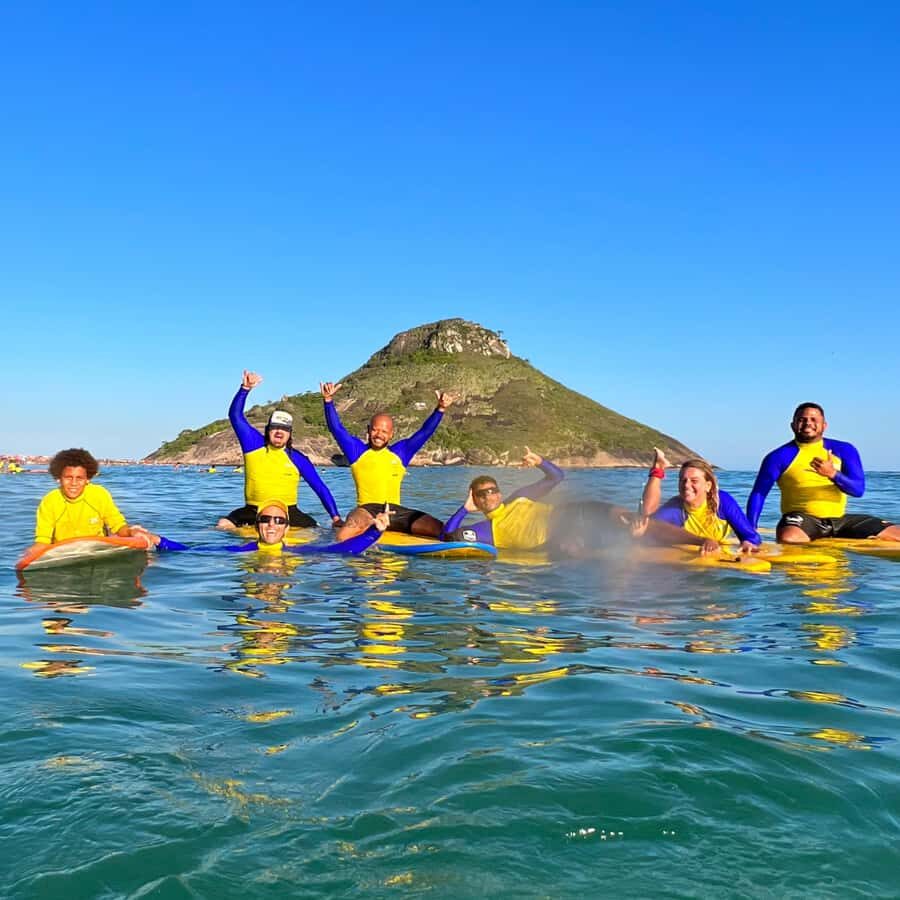
After the wave talk, you move to practice at sea for about 50 minutes. That’s where the lesson becomes more than a one-time try-it session. You train with a coach using technical surf training, and they record images of your activity.
Filming changes everything. Instead of relying on memory (which is famously unreliable when you’re wiped out), you get visual input later. It’s easier to notice things like body position, timing, or how your board responds when you pop up.
If you’re an intermediate or advanced surfer, the filming still helps. Your goal becomes refinement, not just staying upright. If you’re a beginner, it helps you avoid repeating the same mistake on every wave because you’ll see what you’re actually doing.
Video analysis at the end: the part people underestimate
The lesson includes video analysis at the end, in CADES space or at the place where training took place. The format is designed to end with feedback, not with you just leaving the beach.
You’re looking at about 20 minutes of video analysis. That’s a meaningful chunk for correcting technique. It also means you’ll leave with at least a couple clear takeaways, instead of vague impressions like “that felt fun” (though, yes, it should feel fun).
One practical benefit: this is a coaching loop. You warm up, practice with guidance, then review what happened. That loop makes your learning stick, even if Rio’s swell tries to humble you a few times.
Surf spot training: peak and wave objectives, then 50 minutes in the water
In addition to the initial meet-up format, there’s also a surf-spot stage. Here, the coach and surfer meet directly at the training location to set up the session.
You’ll get a brief analysis of the peak, the waves, and the objectives for what you’re working on during that segment (about 10 minutes). This matters because good surfing coaching isn’t random. They’re not just counting waves; they’re shaping your effort.
Then you’re back into the water for about 50 minutes of practical training. This is where you benefit most if you’re trying to level up—because you’re not just paddling and waiting. You’re working toward specific goals based on what the ocean is doing that day.
The lesson also explicitly targets different levels: beginners, intermediate, and advanced surfers. That range is a big deal. Many surf lessons only work for first-timers. This one is built to train.




Transfers, gear, and the small stuff that saves your day
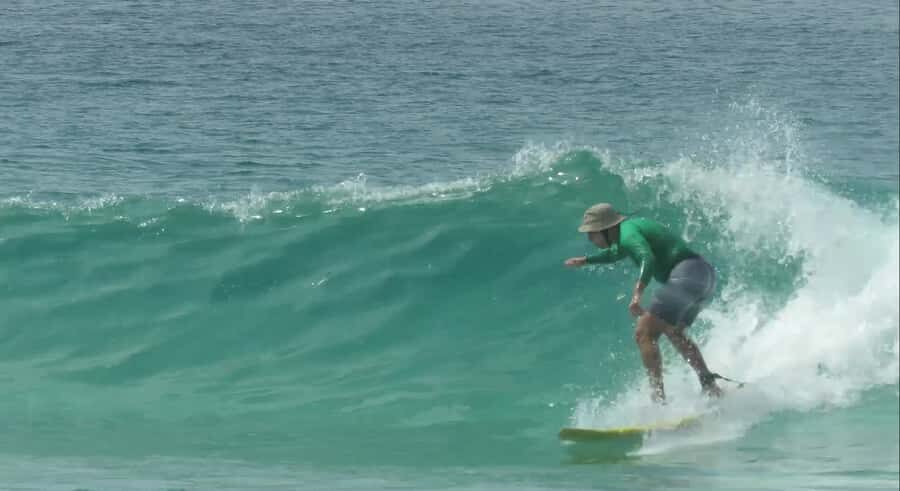
The experience includes all surf equipment: board, leash, wetsuits, and wax. That’s a real value win in Rio, where renting gear can eat time and money. It also reduces hassle because you don’t have to lug anything surf-related around.
They also provide transfers if necessary between CADES space and the surf spot. Not every location is walkable in practice once you factor in timing and water access, so having a plan helps.
What you must bring is straightforward:
- Change of clothes
- Water
- Beachwear
- Clothes that can get dirty
If you’re smart, you’ll also plan for sand in places sand shouldn’t be. Bring a bag you don’t mind shaking out later.
Price and value: what $90 buys in one hour
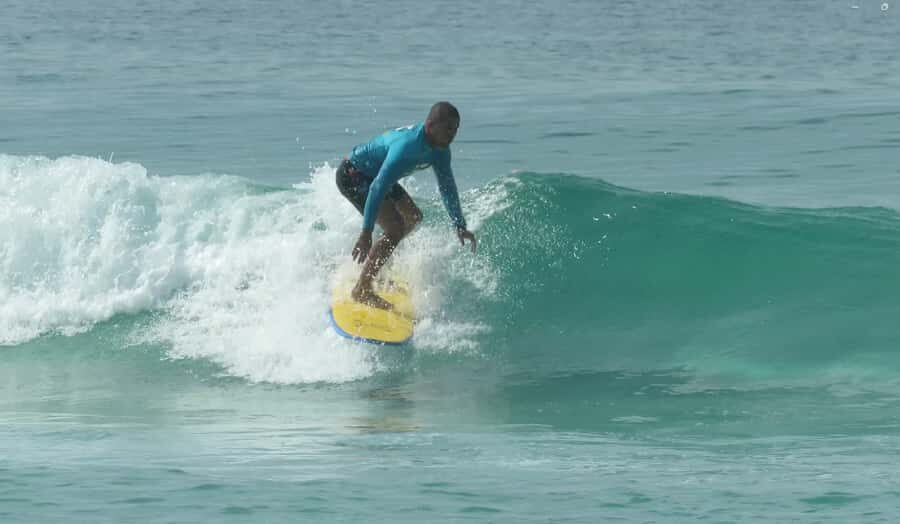
The price is listed at $90 per person for a 1-hour session. The key question is whether that’s fair for what you get. For me, the value hinges on two items they include: technical coaching with video recording and training across skill levels.
Many beginner surf experiences focus on the basics and send you out with minimal feedback. Here, the “you’ll improve” promise isn’t just talk. The session includes filming and a structured video review, which is the kind of coaching that can actually change how you surf next time.
You’re also not paying extra for the big necessities. Equipment is included, and CADES offers showers and bathrooms, which is more convenient than scrambling for a workaround after you’ve been in saltwater for real.
One cost to keep in mind: transport to the meeting point isn’t included, and meals are not included (about USD $10 per meal per person). If you’re staying far from the meeting area, add that to your planning. The lesson itself is a clean package; getting to it is the only variable cost.
Who this surfcoach lesson is best for
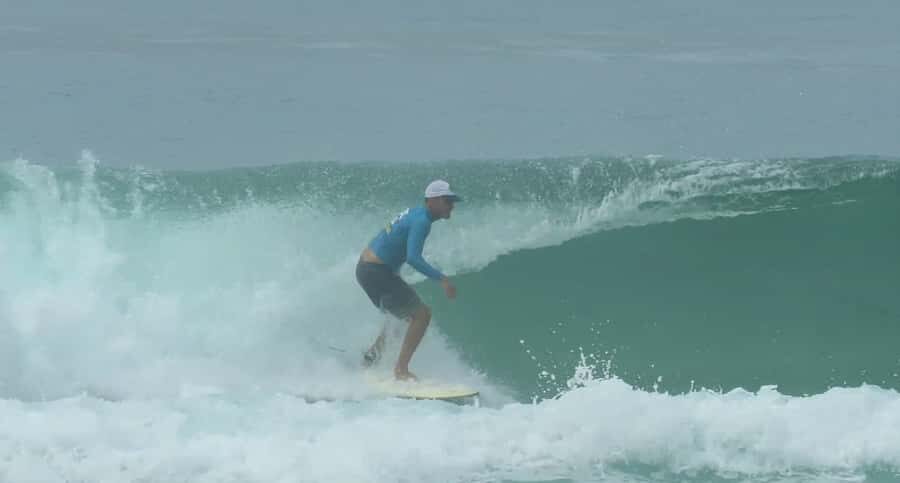
This works well if you fall into any of these categories:
- You want coaching that’s not just “stand up, good luck”
- You’re a beginner who needs patience and clear instruction
- You’re intermediate or advanced and want feedback you can review
- You’re traveling with limited time and need a focused session
The small-group format (max 5) also makes it a better bet for parents and friends who don’t want to feel like they’re competing for attention. Since it’s described as serving all ages, you can plan around family schedules better than with age-restricted surf schools.
The languages available—Portuguese, Spanish, and English—help a lot too. Surf lessons go smoother when you can understand cues without guessing.
And yes, it’s listed as wheelchair accessible, which is worth noting if mobility needs shape your choices.
The honest downside: timing and expectations
The ocean doesn’t care about schedules, but this lesson is still built to fit a tight time window. With the overall duration listed as 1 hour, you should expect a compressed flow: warm-up, quick wave analysis, a strong block of water time, and end video feedback.
That’s great for focus. It’s not great if you’re expecting a slow, meandering “surf day” with lots of hanging out on the beach. This is training. You’ll be active, wet, and working.
Also, the lesson depends on the best conditions of the day. That’s a plus—when conditions cooperate, you learn more. When they don’t, the coaching still happens, but the ocean can be unpredictable.
Should you book Rio surflessons and surfcoach?
If you want a lesson that takes technique seriously without making it complicated, I’d book it. The combination of small-group attention, filmed practice, and video analysis is a strong value for one hour. The fact that it supports beginners through advanced surfers also makes it flexible for groups where skill levels don’t match.
Book this if:
- You like structured feedback and want to improve faster
- You want your surfing training documented so you can review it
- You don’t want to handle gear rentals or equipment logistics
Skip it if:
- You’re looking for a long relaxed beach hangout
- You’re not ready for focused coaching and a short, efficient schedule
- You’ll struggle with the extra cost of getting to the meeting point
FAQ
How long is the surf lesson?
The duration is listed as 1 hour.
Where do we meet for the lesson?
You meet at CADES headquarters. The provided meeting point link is https://maps.app.goo.gl/8H6tAuAsREd1yN3B8.
Is it only for beginners?
No. The training is described for beginners, intermediate, and advanced surfers.
What equipment is included?
All equipment is included: board, leash, wetsuit, and wax.
Do I need to bring anything?
Bring change of clothes, water, beachwear, and clothes that can get dirty.
What languages are available for the instructor?
The instructor can speak Portuguese, Spanish, and English.