REVIEW · RIO DE JANEIRO
Rio de Janeiro: Sugarloaf Mountain Hike and Climb
Book on GetYourGuide →Operated by Nattrip Brasil · Bookable on GetYourGuide
Pão de Açúcar gets way more interesting on foot. This Sugarloaf Mountain hike and climb pairs a scenic trek with a guided 20-meter vertical-wall climb, so you’re not just looking at Rio de Janeiro—you’re actively earning the views.
I love two things about this outing: the mix of panoramic lookouts (Guanabára Bay, Niterói, Copacabana, and more) and the chance to learn basic climbing skills with certified gear. If you want a half-day that feels like an adventure, this one delivers.
One consideration: the hike has steep, scrambly sections, and the climbing wall is for people with comfort on heights and solid basic fitness. If you have heart issues or serious medical concerns, it’s not recommended.
In This Review
- Key things I’d watch for
- Pão de Açúcar on foot: why this hike beats the usual cable-car-only plan
- Meeting at Urca and starting your hike from Pista Claudio Coutinho
- Guanabára Bay lookouts and stone ramps to belvederes
- Learning basic climbing on a 20-meter vertical wall
- Pedra Filosofal and the summit payoff: Copacabana and the whole Rio sweep
- Cable car descent from Urca Hill: recover, refocus, and keep the views
- How hard is it, really: fitness, comfort, and choosing the right gear
- Price and value: what $68 buys you in a half-day
- Who should book this Sugarloaf Mountain hike-and-climb
- Should you book the Sugarloaf hike and climb?
- FAQ
- How long is the Sugarloaf Mountain hike and climb?
- Where do I meet the guide?
- Is hotel pickup included?
- What languages are the guides?
- What’s included in the price?
- Do I need prior rock climbing experience?
- What should I bring?
- Are sandals or flip-flops allowed?
- Is this activity suitable if I have heart problems?
- Will I see monkeys?
Key things I’d watch for

- A guided 20-meter vertical wall with certified equipment, so you’re not guessing your way up
- Multiple viewpoint stops, including Pedra Filosofal, with big-name Rio landmarks in sight
- A short, punchy warm-up hike off Pista Claudio Coutinho toward Guanabára Bay
- A technical trail segment with stone ramps and belvederes, not just an easy stroll
- Monkeys in the wild may pop into your day, especially near the quieter paths
- Cable car descent after the summit, keeping the day adventure-heavy but not endless
Pão de Açúcar on foot: why this hike beats the usual cable-car-only plan
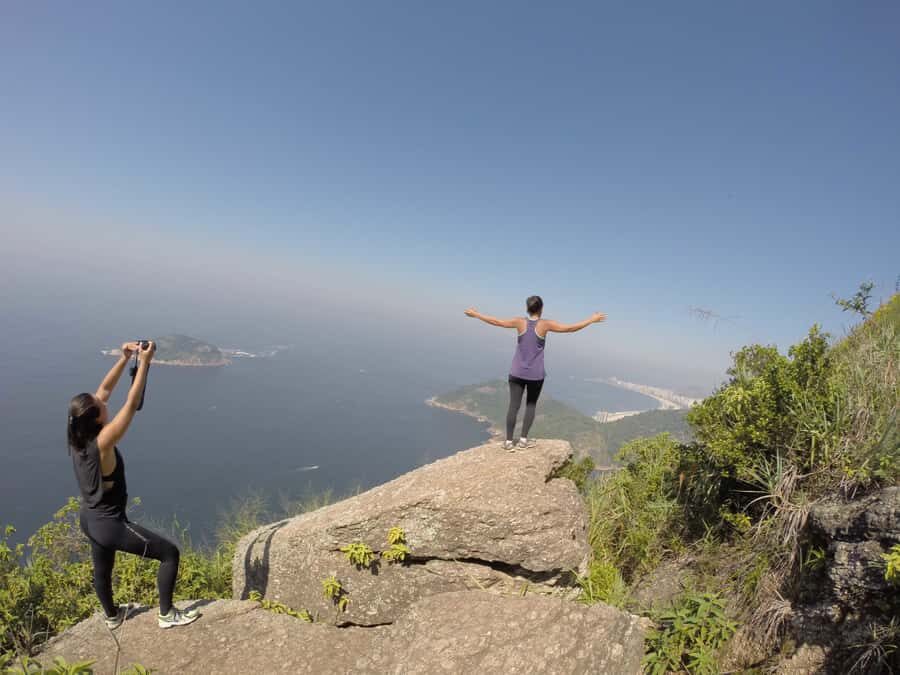
Sugarloaf Mountain is famous for a reason: that dramatic view over Rio feels instantly iconic. The twist here is that you don’t just arrive, pose, and leave. You climb up Urca Hill by foot first, then tackle a short technical climbing section, then finish at the summit before taking the cable car back down.
That sequencing matters. The early hike gets your legs working while you’re still close to the bay, so you get payoff views before the harder bits. Then the vertical wall gives you a clear “skill moment,” where your guide shows you what to do and you feel progress. By the time you reach the summit, you’re not only seeing Rio—you’ve earned a different perspective on the whole peninsula and coastline.
And yes, you’ll get classic lookout photos. But what stands out for me is the way the day is structured: you keep moving, you get repeated “pause and look” spots, and the most technical part is handled with coaching and safety gear.
You can also read our reviews of more hiking tours in Rio De Janeiro

Meeting at Urca and starting your hike from Pista Claudio Coutinho
You meet at Praça Gen. Tibúrcio, 75 in Urca, near the obelisk. From there, you’ll head into the start of the route that leads up Sugarloaf Mountain.
The first leg is set up to get you viewing quickly. You’ll go toward Pista Claudio Coutinho, and you reach a lookout with spectacular views of the entrance to Guanabára Bay and the city of Niterói in about 20 minutes. That’s a smart design choice. If you’re traveling and the day is busy, you don’t want to spend the first hour thinking, When do we get to the good stuff? Here, you start seeing it early.
In practice, this also helps if you’re sizing up your fitness for the rest of the day. You can feel how your legs are doing while the terrain is still “warming up,” and you can mentally prepare for the more technical trail and climbing ahead.
Guanabára Bay lookouts and stone ramps to belvederes
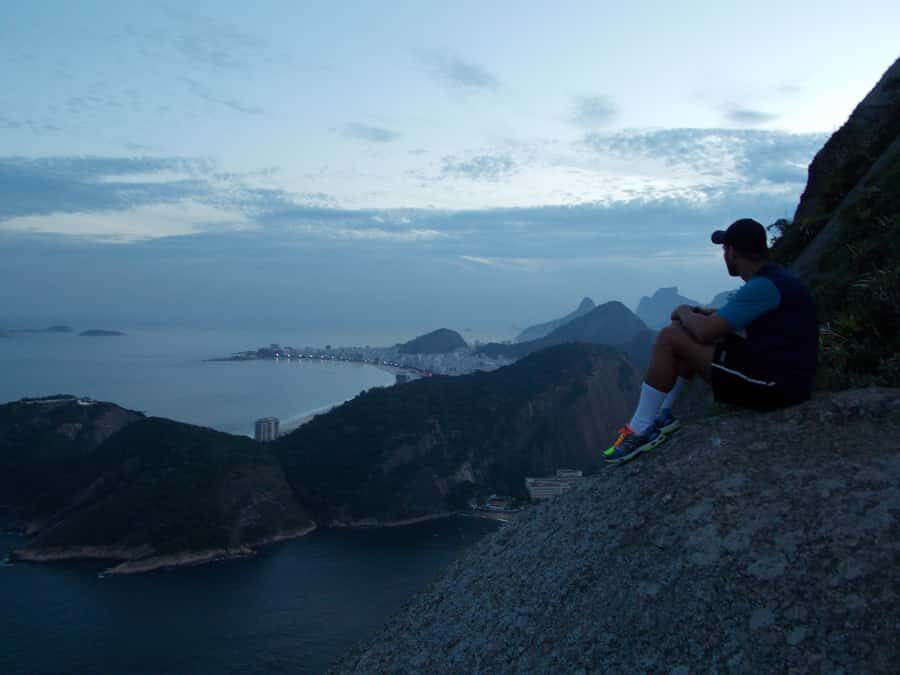
After that quick bay-and-city viewpoint, the route turns more technical. You’ll tackle a trail that crosses stone ramps and leads you to belvederes—small natural lookout points where the view opens up again and again.
This is one of the reasons I like this itinerary: it’s not one long grind to one summit view. Instead, it breaks the day into smaller chapters. You’ll move from lookout to lookout, which keeps the hike from feeling like one unbroken effort.
You should also expect the terrain to ask for your attention. The trail isn’t described as a flat walk, and the later reviews describe it as steep and scrambly. That’s important because the stone ramps and technical sections mean you’ll want good traction and a steady pace. Wear footwear with a grip you trust—this isn’t the time for slick soles.
If you like wildlife moments, keep an eye out. Part of the experience includes the possibility of seeing monkeys in the wild during the hike—never guaranteed, but it’s the kind of thing that can pop up on paths where the vegetation and quiet foot traffic overlap.
Learning basic climbing on a 20-meter vertical wall
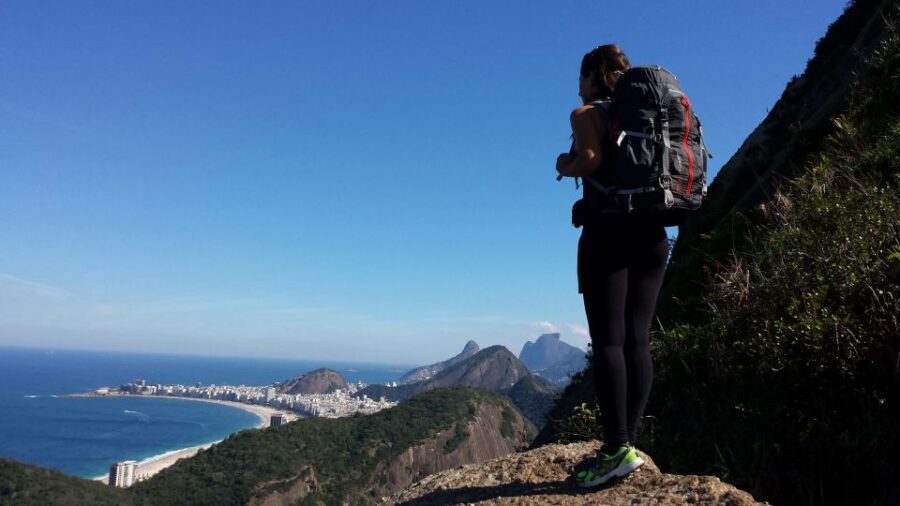
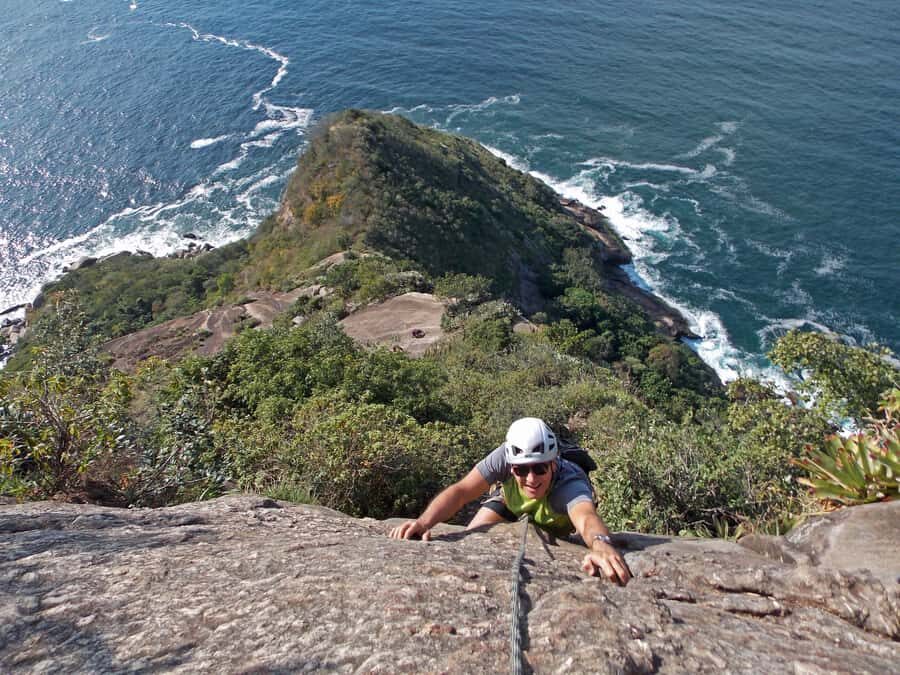
Now for the main event: a 20-meter-tall vertical wall. This is the part that turns a “pretty hike” into an actual climbing-adventure day.
What I appreciate is that it’s framed as an introduction to basic rock climbing, not an all-day expedition. You’re given certified climbing equipment and led by a bilingual guide (Spanish, English, Portuguese). That combination matters because your success on a vertical wall isn’t just strength—it’s knowing which holds matter and how to move your feet and hands efficiently.
You also don’t need to pretend you’re a seasoned climber. The key is comfort with heights and willingness to follow instructions. The guide’s job is to set the pace, explain hand and foot placements, and help you through the tough spots. People have specifically praised guides for pointing out holds and providing encouragement, which tells me the coaching style is part of the value.
Safety-wise, the climbing sections are part of a guided experience with proper gear, and you’ll be covered by personal accident insurance. The climb isn’t described as something you do on your own. You’re learning with support.
One more practical note: if you’re the kind of person who freezes at steep exposure, tell yourself you’re not going for thrill-seeking here—you’re going for guided technique. If you can take it step-by-step, the wall can feel manageable and fun.
Pedra Filosofal and the summit payoff: Copacabana and the whole Rio sweep
After the wall, the day continues toward the famous viewpoints. You reach Pedra Filosofal, one of the best “wow” stops on the route. From here, you can take in big Rio icons like:
- Copacabana Beach
- Pedra da Gávea
- Morro Dois Irmãos
This is a big reason the tour is worth considering for first-timers. A lot of Rio sightseeing is about choosing between “views” and “activity.” Here, you get both in one morning to early afternoon flow.
Then you continue to the summit of Sugarloaf Mountain. By this point, you’ve had multiple viewpoints and one hands-on climbing challenge. That changes how the summit feels. It’s not just a final photo stop. It’s the point where you can connect the dots: the bay you saw early, the rugged trail segments, and the coastline views you’ve been working toward.
Weather is everything for this part. Clear, dry conditions make those panoramic vistas snap into focus. If clouds roll in, you’ll still have the experience, but the “Rio postcard” effect can fade. The itinerary also notes that the order of sightseeing may change due to weather or adverse conditions, so don’t treat this day like a rigid checklist.






Cable car descent from Urca Hill: recover, refocus, and keep the views
After the summit, you descend on the cable car back down to Urca Hill. I like this because it keeps the outing from turning into an all-day upper-body grind. You get a break when your legs need one, but you still stay within the Sugarloaf story.
From an energy standpoint, this is a smart balance: you work for the elevation and climbing segment, then use the cable car to wrap up the descent without burning the day. It also helps you enjoy the final moments instead of sprinting to the finish line.
If you still want one last lookout or a last chance to spot wildlife, the end-of-day timing can help. The experience includes the possibility of monkeys on the hike, and that often happens when paths and vegetation give them places to move quietly.
How hard is it, really: fitness, comfort, and choosing the right gear

This is the section people skip at their own risk. The tour is 4 hours long, but “4 hours” doesn’t tell you what it feels like. The hiking includes steep elevation gain and scrambling. Even though the climbing wall is short, the approach trails can still feel demanding.
Based on the guidance style and what climbers say about the day, I’d treat this as moderate-to-advanced hiking with a technical moment. Average fitness can work, but you shouldn’t plan for an easy stroll. If you’re okay with uphill effort, uneven terrain, and moving carefully on rocks, you’ll likely be fine.
You also need to consider height comfort. The climbing wall is vertical. You’re safe with gear and coaching, but you should still be comfortable enough to focus rather than panic.
What to bring is simple and practical:
- Water (3 liters is recommended)
- A daypack
- A light snack
- Sunscreen
- Comfortable footwear with good grip
Not allowed is equally important:
- No sandals or flip-flops
- No pets
- No luggage or large bags
Also, don’t show up with alcohol or drugs before or during the activity. Possession of weapons isn’t allowed either, and that can lead to cancellation. I’m mentioning it because it affects the smoothness of the whole group experience and because the rules are clearly stated.
The tour isn’t recommended for people with heart complaints or other serious medical conditions. If you’re unsure, it’s better to check with your doctor before you commit.
Price and value: what $68 buys you in a half-day
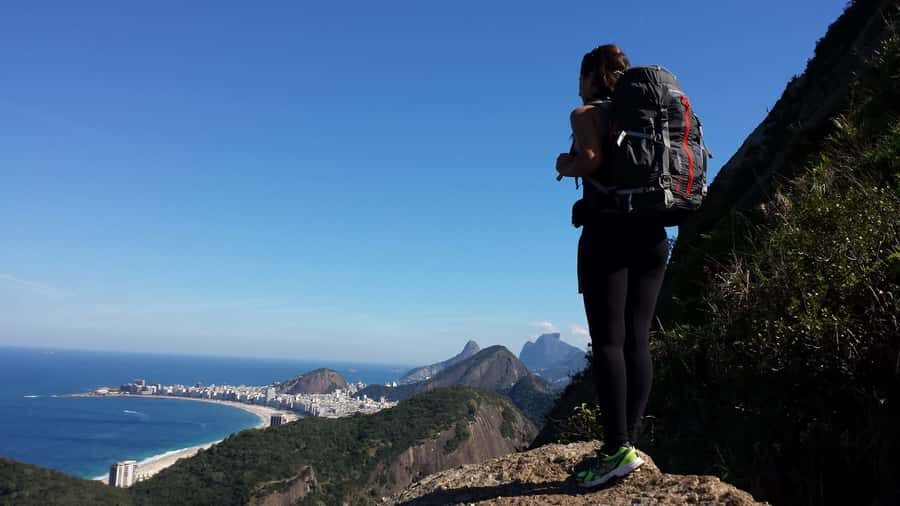
At $68 per person for about 4 hours, you’re paying for more than “a guide walking beside you.” This price is buying three practical things:
- Bilingual guiding (English, Spanish, Portuguese) through the full route
- Certified climbing equipment and instruction for the 20-meter vertical wall
- A guided experience with safety coverage (personal accident insurance)
On a pure transport-and-view itinerary, you’d often spend money on cable car tickets and separate lookout time. Here, the money goes toward active movement plus the technical climbing segment, which is usually what you can’t replicate on your own safely or comfortably.
Pickup can add convenience if you book it. Pickup is optional from most hotels in Rio’s South Zone and Downtown, but it’s not available for Barra da Tijuca, Recreio, São Conrado, and Santa Teresa. If your hotel isn’t eligible, you’ll be redirected to the nearest available pickup location. That’s the one logistical detail that can change your door-to-trail experience.
Bottom line on value: if you want a Rio outing that includes coaching, equipment, and a real climb—not just a view—this price feels fair for what you get.
Who should book this Sugarloaf Mountain hike-and-climb
I’d recommend this if you want your Rio visit to feel like an actual activity day, not a photo-only rotation. It’s especially good for:
- People who can handle steep trails and scrambling with a steady pace
- Anyone curious about basic climbing but not interested in doing it without instruction
- First-time Rio visitors who want multiple iconic viewpoints in a short time window
- Travelers who like wildlife chances and don’t mind sharing trails with nature
If you’re only after the simplest, gentlest viewpoints, a cable car-focused plan may suit you better. But if you’re craving effort, coaching, and a summit payoff that feels earned, this fits well.
Also, group size is flexible with private or small groups available, which can help if you prefer calmer guiding and more room to move on technical sections.
Should you book the Sugarloaf hike and climb?
Book it if you want the best of both worlds: big Rio views and a guided 20-meter climbing experience that teaches you what to do. The 4-hour timing works, the day is paced with multiple lookouts, and the cable car descent keeps the finish relaxed.
Skip or rethink it if steep terrain and heights make you uncomfortable, or if you have heart problems or serious medical conditions. Also be honest with yourself about footwear and stamina. Bring traction, bring water, and expect a workout.
If the weather is clear, your views should feel like a full-on reward. If it’s not, you’ll still get the guided climb-and-hike rhythm, but aim for the kinds of conditions where the Rio skyline is visible.
FAQ
How long is the Sugarloaf Mountain hike and climb?
It lasts about 4 hours.
Where do I meet the guide?
Meet at Praça Gen. Tibúrcio, 75 – Urca, Rio de Janeiro – RJ, 22290-270, Brazil, near the obelisk.
Is hotel pickup included?
Pickup is optional. It’s available from most hotels in the South Zone and Downtown Rio. If your accommodation isn’t eligible, you’ll be directed to the nearest available pickup location.
What languages are the guides?
The live tour guide speaks Spanish, English, and Portuguese.
What’s included in the price?
A bilingual guide, guided hike and climb up Sugarloaf Mountain, certified climbing equipment, personal accident insurance, and all taxes, fees, and handling charges (plus hotel pickup and drop-off if you book the transport option).
Do I need prior rock climbing experience?
The activity includes instruction and is presented as an introduction to basic rock climbing, with certified equipment and a guide to help you through the wall.
What should I bring?
Bring water and a daypack. A light snack and sunscreen are recommended, and 3 liters of water is suggested.
Are sandals or flip-flops allowed?
No. Sandals and flip-flops are not allowed.
Is this activity suitable if I have heart problems?
It’s not recommended for people with heart complaints or other serious medical conditions.
Will I see monkeys?
The experience includes the chance of encountering monkeys in the wild, though it’s not guaranteed.