REVIEW · RIO DE JANEIRO
Live Samba Night at Pedra do Sal
Book on Viator →Operated by Rio As A Local · Bookable on Viator
One rock, one staircase, and a samba party in full swing. At Pedra do Sal in Rio, you’re not just watching music, you’re part of the rhythm in one of the city’s most meaningful places. This is Little Africa territory, where you’ll hear how samba grew from the lives of dockworkers, enslaved people, and quilombos, then you’ll learn steps with performers on-site.
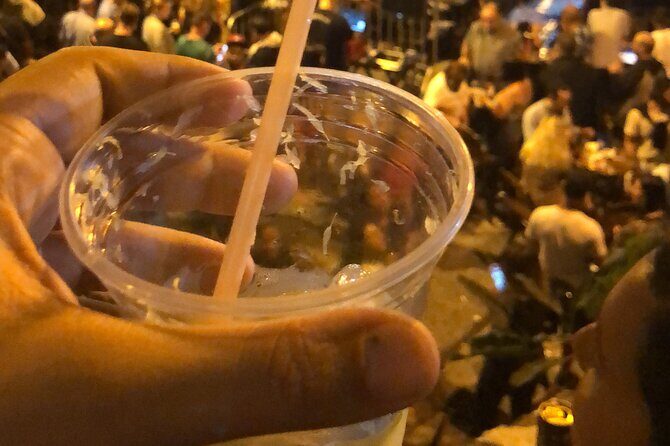
What I like most is that you get both the story and the moving part. The night includes live samba performances and a real chance to learn samba steps instead of standing politely in the back, plus you start with a complimentary welcome drink.
One thing to consider: this is an evening party with crowds and lots of stone surfaces. Expect cobbles and steps, so comfy shoes matter, and the vibe can skew more nightlife than quiet cultural museum time.
In This Review
- Key Highlights You’ll Actually Care About
- Pedra do Sal in Rio: history you can point to, not just read about
- Getting there at 8:30 pm: logistics that help you enjoy the party more
- Arriving at Pedra do Sal: what the space feels like once the night starts
- Little Africa context: how the story shapes what you hear on the spot
- The samba lesson part: you’ll learn steps, not just clap along
- Live music and crowd energy: when the party takes over
- Value check: is $40.97 worth it for 2.5 hours?
- Who should book this samba night, and who should think twice
- Quick tips to make your night smoother
- Should you book Live Samba Night at Pedra do Sal?
- FAQ
- Where does the Live Samba Night start and end?
- What time does the tour begin?
- How long is the experience?
- How big is the group?
- What’s included in the price?
- Is transportation included?
- Is there an admission fee for Pedra do Sal itself?
- What happens if the weather is poor?
Key Highlights You’ll Actually Care About
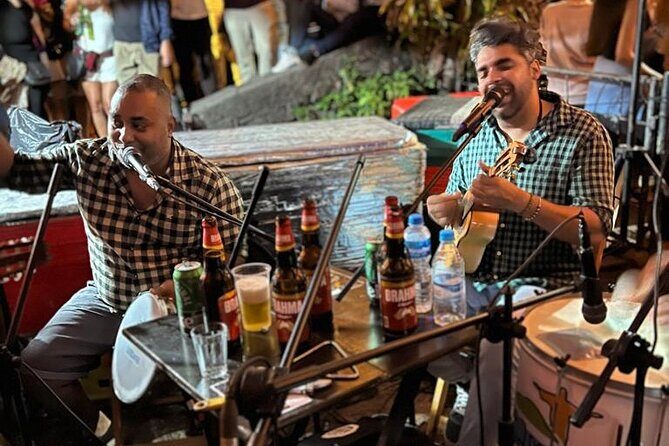
- Little Africa setting at Pedra do Sal: you’re in the place connected to the history of samba and the dock area.
- Learn samba steps with performers: you’ll be dancing, not just listening.
- Welcome drink included: a nice start when you’re joining a big crowd.
- Small group size (max 10): easier to stay together, ask questions, and feel supported.
- Guides with strong local history skills: people mention guides like Vitória, Lena, and Gustavo for making the night click.
Pedra do Sal in Rio: history you can point to, not just read about
If you’ve ever felt like Rio nightlife is either all flash or all facts, this is the rare mix. Pedra do Sal sits at the heart of Little Africa, an area tied to the port and to the origins of Carioca samba. It’s also a heritage-listed spot (listed in 1984), which means the environment isn’t just a stage, it’s part of the message.
The center of it is a large rock with a carved staircase leading up toward Morro da Conceição. That stairway matters here because it connects the “where” of samba life to the “why” of the culture. And because the venue is tied to the exchange point for enslaved people and the shelter for quilombos, the samba you hear has a deeper emotional weight than background music.
This kind of location is valuable for you because it helps you understand why people dance with such conviction. When you know that salt from ships was unloaded here and that dockworkers and sambistas met up around that energy, the rhythms stop being random and start being a living memory.
You can also read our reviews of more evening experiences in Rio de Janeiro



Getting there at 8:30 pm: logistics that help you enjoy the party more
This tour starts at 8:30 pm at R. Sacadura Cabral, 75 in Saúde (Rio de Janeiro). It ends back at the same meeting point, which is helpful when you’re trying to keep your night simple. The group is capped at 10 travelers, so the pace is usually easier to manage than bigger parties.
Transportation is not included, so you’ll want your own plan for getting there and leaving afterward. In the reviews, solo guests appreciated that their guide helped them feel confident and even walked someone to an Uber at the end, but don’t assume every situation will be identical. The safest move is to stay with the group during the whole event and follow your guide’s lead on where to go next.
Also, the experience is weather-dependent. Good weather is required, and if it’s canceled due to poor conditions, you’ll be offered a different date or a full refund. That matters because the whole “stone-and-crowd” vibe works best when the street conditions are predictable.
Arriving at Pedra do Sal: what the space feels like once the night starts

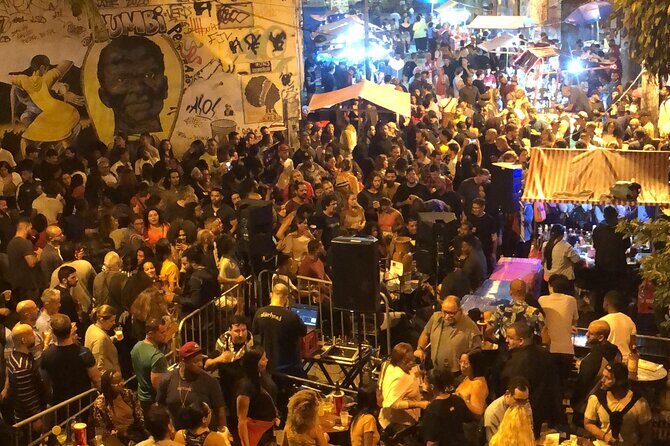
You meet at street level, then you’re pulled into the real atmosphere of Pedra do Sal. This spot is known for mixing history with nightlife energy: people come for samba, drinks, and youth energy, and the setting is built for that conversation between past and present.
It helps to think of the rock and staircase as part of the show. The heritage listing means this isn’t a temporary set, and the carving around the rock gives the whole place a specific character. Once you’re there, it becomes easy to see why the local community keeps samba central in this exact location.
One practical tip: wear shoes you can move in. Several accounts mention cobbles and steps, and you’ll likely be walking, standing, and dancing in close quarters. If you’re planning to wear fancy sandals because it looks good in photos, just remember you’ll be dealing with uneven surfaces and a lively crowd.
Little Africa context: how the story shapes what you hear on the spot
Before you dive into the music, the guide gives you context that changes how you listen. You’ll learn why this area became known as Little Africa and how it relates to the port: the salt unloaded from ships was part of the daily grind that brought people together, and that meeting of dockers and sambistas is part of the samba origin story.
The area’s identity also connects to quilombos and to shelter and survival under extreme conditions. This isn’t taught as a dry lecture. It’s meant to set the emotional stage so the dancing feels connected to real human history rather than just entertainment.
Guides in the program get praised for turning that history into something you can understand fast. Names that come up in feedback include Vitória, Lena, Gustavo, and Helen/Helene, with people repeatedly pointing out how the guides shared local background and helped them find the best spots in the crowd. If you care about culture but you don’t want a long classroom-style session, this is a good format.
The samba lesson part: you’ll learn steps, not just clap along
The heart of the experience is live samba with an interactive component. You’ll enjoy samba performances with talented artists, and you’ll also learn samba steps with the pros. That’s the difference between a passive night out and one that actually changes how you feel inside the music.
In practice, this kind of lesson works because it gives you something to do right away. Instead of standing and wondering when to move, you’re guided into the rhythm. And once your body remembers the timing, you’ll be able to enjoy the next wave of performances without feeling lost.
If you’re not a dancer, you’re still included. The info says most travelers can participate, and the max group size helps keep the energy friendly rather than chaotic. Your guide’s job is also to help you manage where you stand, when you join in, and how to get comfortable in the space.




Live music and crowd energy: when the party takes over
After the history and warm-up steps, the atmosphere becomes a real celebration. You’ll be right there as live musicians play, and the crowd energy is often described as happy and contagious. People also mention that the party can feel big and lively, with a lot going on around you.
This is where your expectations should be honest. This is a samba night, and that means music first, conversation second, and the vibe is geared toward enjoying the moment. If you prefer quiet sightseeing evenings, this may feel too loud or too social.
On the practical side, you get a welcome drink included. After that, you may want to plan on buying additional food or drinks. Some reviews mention food stands and alcohol sales around the area, which is useful to know if you’re hungry or thirsty later in the night. The tour doesn’t position itself as a full dinner event, so consider eating before you go.
Value check: is $40.97 worth it for 2.5 hours?
At $40.97 per person for about 2 hours 30 minutes, the value depends on what you want from Rio at night. If you want one activity that bundles music, history context, and an actual dance lesson, this is priced in a way that makes sense. You’re also getting a welcome drink, and the small group size (max 10) is a real quality-of-experience factor.
If you were only planning to wander around a street party on your own, you might save money. But you’d miss the guided context that explains why this area is called Little Africa and what the dock-and-dockworker story means for samba. You’d also miss the structured step-learning with performers, which is the part that turns the night from observation into participation.
So for me, the value is strongest if you want more than a photo stop. This is the kind of experience where the guide helps you understand what you’re seeing, and then hands you a way to join in.
Who should book this samba night, and who should think twice
This works especially well for people who like nightlife with meaning. If you want Rio energy but also want a cultural frame, you’ll probably appreciate how Pedra do Sal’s setting gets tied directly to samba’s origins. It’s also a strong pick if you want to meet people and share the experience in a small group.
Solo travelers are a good fit. Reviews specifically mention solo guests feeling safe at all times, plus guides staying attentive and helping at the end of the night. Couples and friends also seem to enjoy it because you can dance together without having to be “experts.”
The main caution is the physical environment and the party nature. Expect cobbles, steps, and crowd density. If you have mobility issues or hate loud, packed spaces, you might find this less comfortable. Also, the vibe can lean toward younger party energy, so if you want a calmer cultural evening, you may prefer a different kind of tour.
Quick tips to make your night smoother
A few simple moves help you enjoy this faster:
- Wear comfortable shoes because of cobbles and steps.
- Plan to eat before you go, then use the area’s food options if you want something later.
- Stay with the group during the music-heavy parts so it’s easier to navigate the crowd.
- Bring a light layer. Even when the weather is good, evenings can cool down once you’re outside for a couple hours.
Should you book Live Samba Night at Pedra do Sal?
I think you should book this if you want a Rio night that’s more than background entertainment. You’ll get live samba with real performers, a chance to learn steps, a welcome drink, and a guided explanation of why Little Africa and Pedra do Sal matter.
Skip it if you’re chasing a quiet, seated cultural evening, or if uneven ground and crowded party energy would stress you out. Also skip if you can’t handle weather-based plans, since good conditions are required.
If you’re the type who wants to leave with your feet and your brain full, this is a solid choice.
FAQ
Where does the Live Samba Night start and end?
It starts at R. Sacadura Cabral, 75 – Saúde, Rio de Janeiro – RJ, 20081-261, Brazil, and it ends back at the same meeting point.
What time does the tour begin?
The start time is 8:30 pm.
How long is the experience?
It runs for about 2 hours 30 minutes.
How big is the group?
The activity has a maximum of 10 travelers.
What’s included in the price?
You get one welcome drink, and the program includes live samba performances and learning samba steps with the pros.
Is transportation included?
Private transportation is not included, so you’ll need to arrange how to get to the meeting point and back.
Is there an admission fee for Pedra do Sal itself?
The information for the Pedra do Sal stop indicates admission ticket free.
What happens if the weather is poor?
Good weather is required. If it’s canceled due to poor weather, you’ll be offered a different date or a full refund.