REVIEW · RIO DE JANEIRO
Rio de Janeiro: Afrobrazilian Heritage & Black History Walk
Book on GetYourGuide →Operated by Rio Encantos Experiences · Bookable on GetYourGuide
Rio’s past is still on the streets. This Afro-Brazilian Heritage walking tour connects Rio’s slave-trade memory to living culture, from UNESCO Valongo to Pedra do Sal.
Two things I really like: you get an expert guide who brings an insider’s perspective from Rio, and you visit Valongo Wharf (UNESCO) in the actual place where enslaved Africans arrived and were sold. It’s a history walk that doesn’t stay in theory.
One possible drawback: it’s a rain-or-shine walking experience, and it’s downtown—so you’ll want comfortable shoes, water, and a rain layer. Also, food isn’t clearly included as part of the price, even though there’s a food moment at Pedra do Sal.
In This Review
- Key Highlights Worth Marking on Your Map
- Why This Walk Feels More Real Than a Standard Sight-Stop
- Meeting at Praça Mauá: How the 150 Minutes Work on the Ground
- Valongo Wharf (UNESCO): The Atlantic Slave Trade, in the Actual Place
- Largo São Francisco da Prainha and Praça Mauá: Where History and Art Talk to Each Other
- Pedra do Sal: Little Africa and the Samba That Started as Community
- Candomblé, Umbanda, and Syncretism: Belief Systems You Can Actually Hear About
- What You’ll See, Stop by Stop (Without the Rush)
- Food and Packing: Small Prep, Big Comfort
- Price and Value: Is $64 Worth It for This Type of Tour?
- Who Should Book This Walk (and Who Might Want Something Different)
- Should You Book Rio Encantos Experiences?
- FAQ
- How long is the Rio Afrobrazilian Heritage and Black History Walk?
- Where do I meet the tour guide?
- What languages are available for the guide?
- How much does it cost?
- What stops are included in the experience?
- Is food included?
- What’s included in the ticket price?
- Is the tour wheelchair accessible?
- Does it run in bad weather?
- Are pets allowed?
- Is it possible to book a private group on a different date?
Key Highlights Worth Marking on Your Map
- Valongo Wharf UNESCO: the transatlantic slave trade remembered on the ground
- Pedra do Sal / Little Africa: samba’s early social hub and today’s rodas de samba
- African arrival and urban life: how people forced into slavery shaped Rio’s culture
- Candomblé and Umbanda origins: religion, syncretism, and lived faith
- African spiritual legacies: Orishas/ancestral deities and nature spirits (as taught on the walk)
Why This Walk Feels More Real Than a Standard Sight-Stop
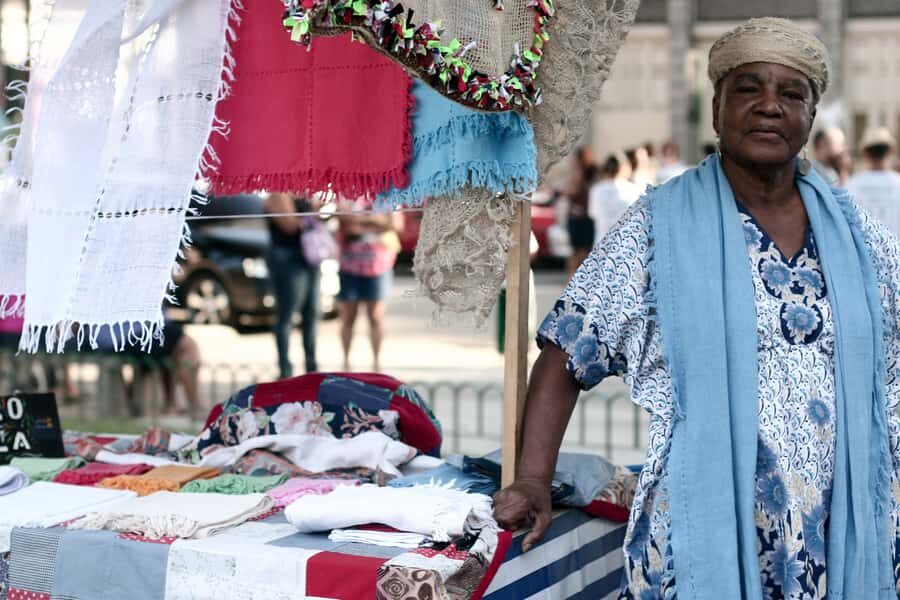
This tour isn’t about collecting “important” landmarks. It’s about connecting the dots between what happened in Rio—especially through the slave trade—and what survived: language, rhythm, belief, and community.
The practical win is that the guide doesn’t treat Black history as a sidebar. You move through downtown places that still carry meaning. That matters because Rio’s story is layered: Portuguese trafficking for centuries, the arrival and sale of Africans, and then the cultural systems people built to endure. When you stand in those spaces, you feel the geography of history.
I also like that the tour talks culture alongside oppression. Samba, religious syncretism, and spiritual traditions are not “afterthoughts.” They’re presented as continuation—human beings responding creatively even under brutal conditions.
You can also read our reviews of more walking tours in Rio De Janeiro


Meeting at Praça Mauá: How the 150 Minutes Work on the Ground
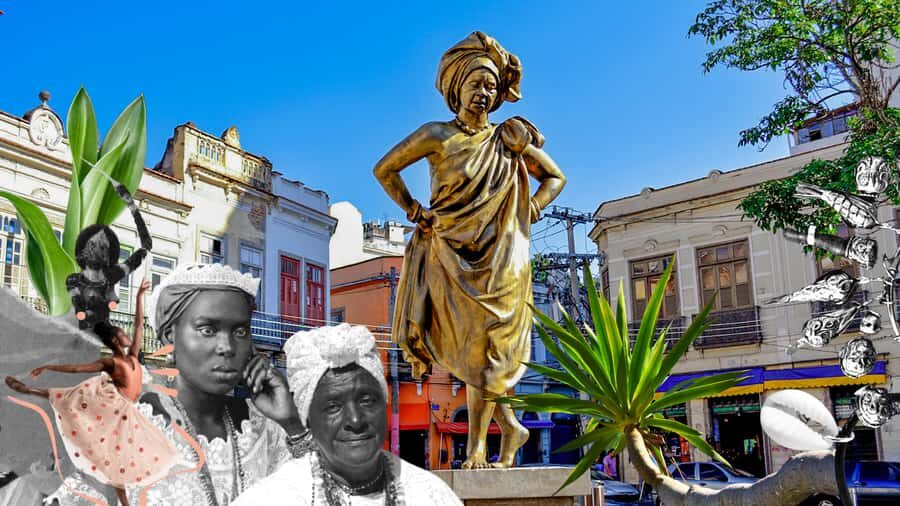
You meet under the trees in front of the MAR Museum (Rio Art Museum) in Praça Mauá. Depending on the session, the start can also be around Museu de Arte do (Rua Pedro Ernesto, 32) or in the Saúde area, so it’s worth checking your exact meeting instructions after you book.
Once you’re together, the pace is built for a walking experience in central Rio. The full tour runs about 150 minutes (2.5 hours). That’s long enough to get real context, but short enough that you can still plan an evening out afterward—music, dinner, or another neighborhood stroll.
The guide speaks English, Spanish, and Portuguese, and the tour is wheelchair accessible, which is a big deal in a city where many heritage walks aren’t.
Valongo Wharf (UNESCO): The Atlantic Slave Trade, in the Actual Place
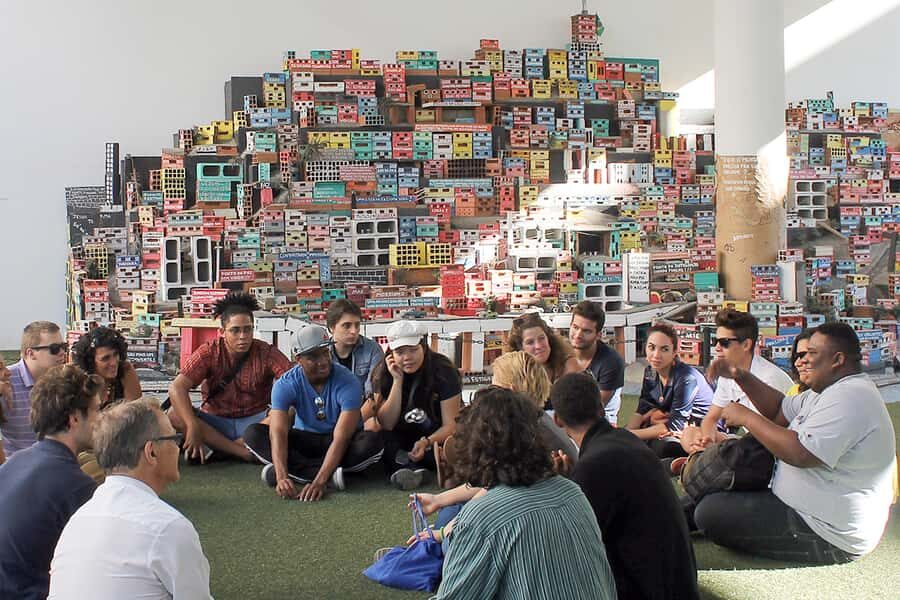
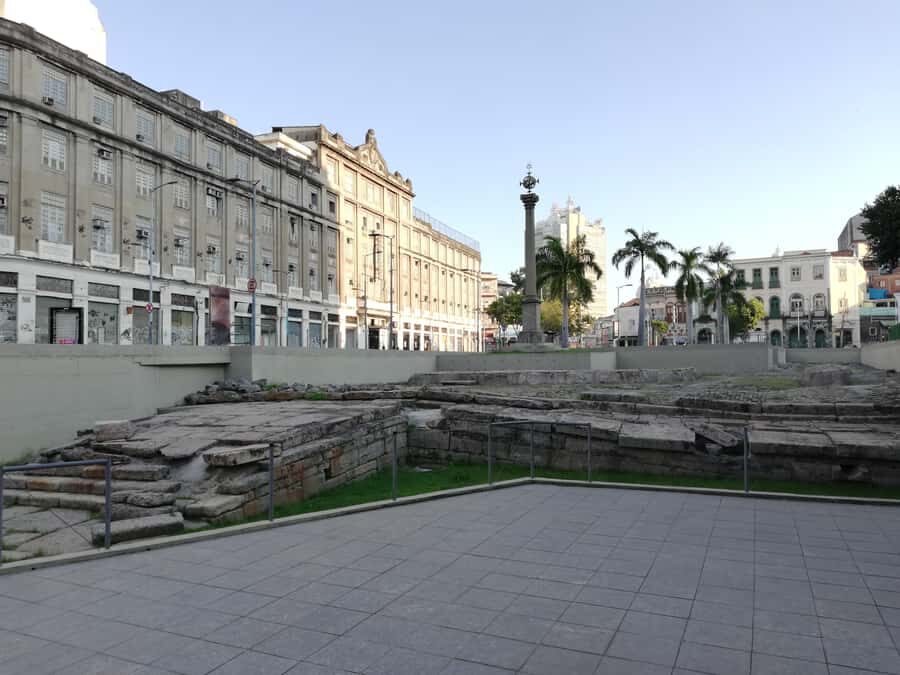
The emotional weight of this tour is tied to the visit at Cais do Valongo / Valongo Wharf, a UNESCO World Heritage Site linked to the transatlantic slave trade.
What you gain here is perspective on scale and mechanism. You learn about human trafficking carried out by the Portuguese for over 380 years, and you hear about the arrival of enslaved Africans to the city. The guide frames this not as distant tragedy but as part of how Rio’s downtown was structured for capture, sale, and control.
This is also where the tour does something helpful: it helps you understand why this UNESCO site matters beyond its designation. It’s not just “a location.” It’s the memory of the slave market where millions arrived for sale—so the history isn’t floating in the abstract.
Tip for your visit: take your time looking. If you rush through because you feel awkward, you’ll miss the guide’s key connections about how place shapes memory.
Largo São Francisco da Prainha and Praça Mauá: Where History and Art Talk to Each Other
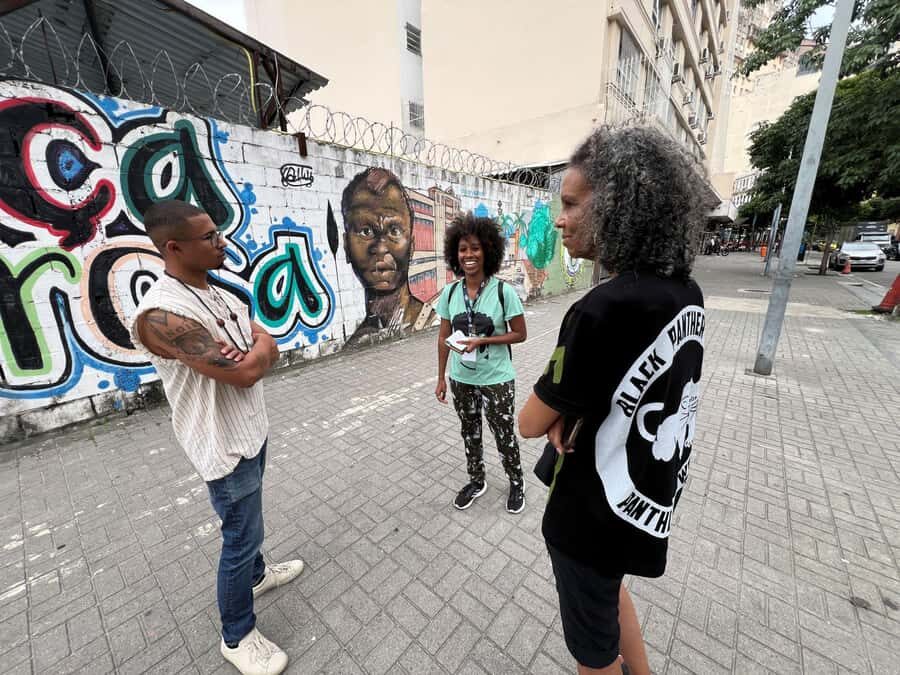
After the UNESCO stop, you continue through downtown areas strongly linked to African heritage. You’ll see and learn around places like Praça Mauá and Largo São Francisco da Prainha.
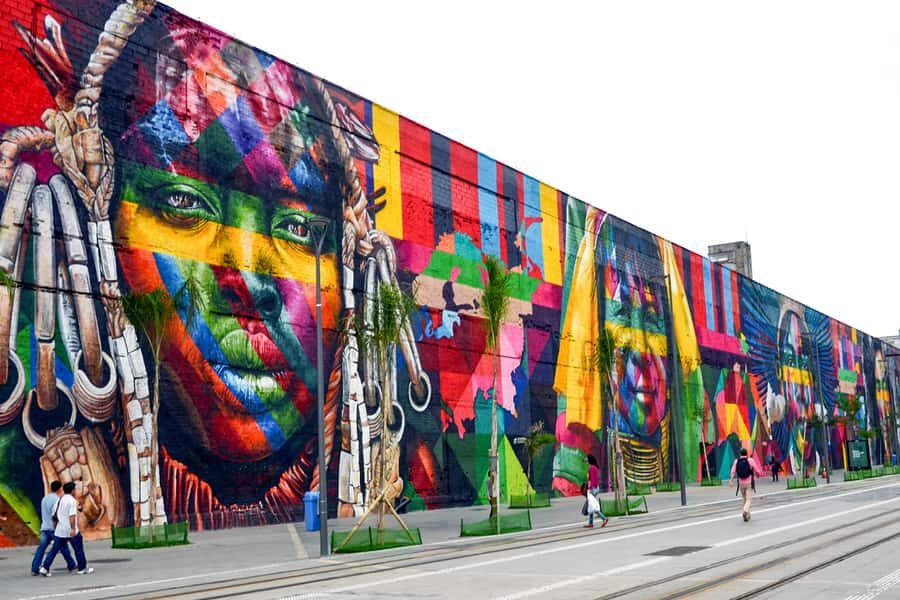
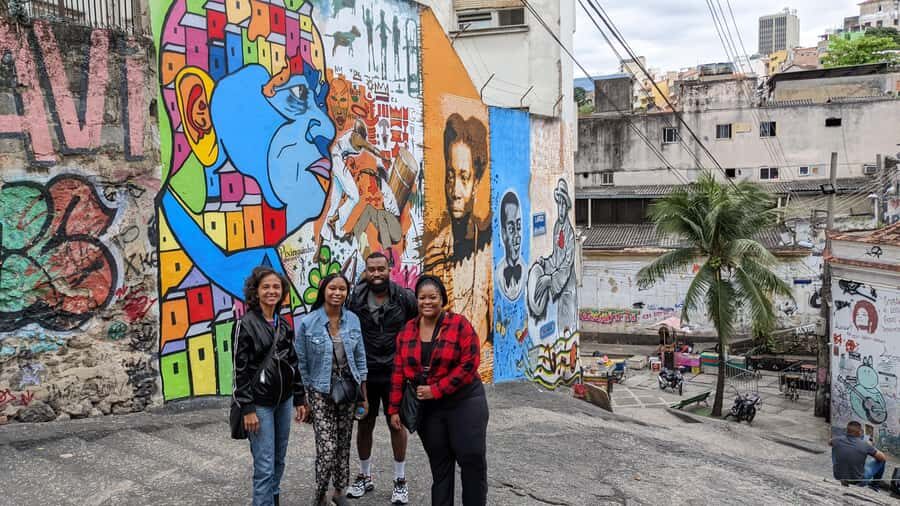
One of the more memorable stops is the Etnias mural area (linked to the Estúdio Kobra mural). Street art in this kind of space works like a second layer of storytelling. It’s not replacing history—it’s reacting to it. The guide’s job is to help you read the city: why these stories are shown here, and how public memory becomes part of everyday life.
You also hear about how the enslaved Africans and their descendants shaped Rio after forced arrival. This is where the tone shifts from arrival and exploitation to survival strategies: community formation, cultural practice, and transmission of identity.
Pedra do Sal: Little Africa and the Samba That Started as Community
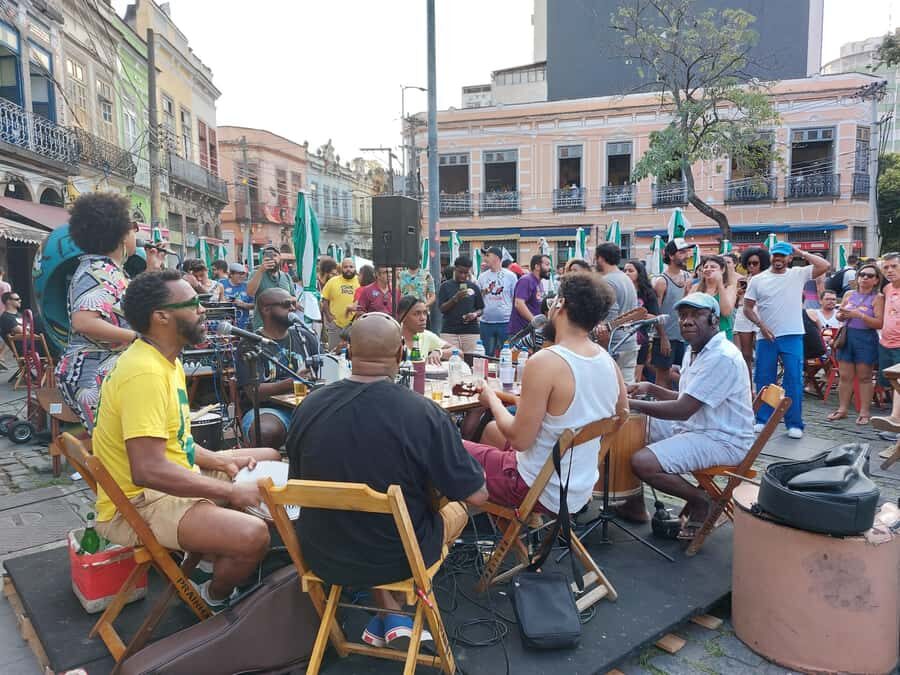
Then comes Pedra do Sal (Rock of Salt), located in what’s often called the heart of Little Africa. This is one of those places where the meaning is bigger than the square footage.
Here’s what you’re learning on the walk:
- samba origins connected to musicians meeting to sing and dance
- the area as an early Carnival center for bloco parties and parades
- the idea that the tradition continues through rodas de sambas every week
What makes Pedra do Sal feel practical, not just romantic, is that the guide explains how rhythm and gathering worked as social infrastructure. Samba wasn’t only entertainment. It was connection—people finding ways to stay human and stay together, even when the broader society denied them dignity.
If you’re the type who likes your culture with context, this section is a strong match. You’ll come away understanding why samba belongs to history, not just party culture.
You can also read our reviews of more historical tours in Rio De Janeiro




Candomblé, Umbanda, and Syncretism: Belief Systems You Can Actually Hear About
A standout part of the tour is the religion section—Candomblé and Umbanda, plus how belief systems show syncretism with Christianity.
You learn about the origins of these Afro-Brazilian religions and how they grew out of African spiritual traditions in Brazil. The guide also covers the legacy of Orishas’ Deities, and references categories tied to African spiritual cosmologies, including nkisis, voduns, and candomble.
Then there’s the nature-and-deity thread: the tour discusses ancestral gods and goddesses of nature. That matters because it helps you see religion here as more than ritual. It’s a worldview, a map of relationships between people, ancestors, and the natural world.
This is also where a guide with lived cultural context can make a difference. In past sessions, guides such as Kelly have been praised for being deeply passionate and for bringing research plus personal understanding to the story. Another guide name you may hear is Jaíse, noted for detailed historical knowledge and for making the connections feel inspiring rather than academic.
If you’re worried this part will feel too theoretical: don’t. It’s explained through how the traditions are remembered and practiced.
What You’ll See, Stop by Stop (Without the Rush)
Even if you think you know Rio’s downtown, this tour changes how you see it because you’re not just watching buildings. You’re collecting context.
- Start near Praça Mauá / MAR Museum under the trees
This is a practical start location, easy to orient to once you’re already in the port/downtown orbit.
- Walk through downtown heritage zones
You’ll learn why specific areas matter for African descendants and cultural survival.
- UNESCO Valongo Wharf
The most solemn stop, where you build an understanding of the transatlantic slave trade’s local reality.
- Pedra do Sal
Where the mood can lift—without ignoring the past. This is the shift from arrival and control to cultural creation and ongoing tradition.
- Finish in central downtown areas
The tour drops you off around locations like Cais do Valongo, the Etnias mural area, and Largo São Francisco da Prainha, depending on the session.
This “history to culture to faith” flow is the tour’s secret strength: you don’t just learn what happened. You learn what carried forward.
Food and Packing: Small Prep, Big Comfort
The tour includes a moment associated with regional food at Pedra do Sal, but food is also listed as not included overall. So I’d treat it like this: there may be a food-related stop or tasting moment, but don’t count on a full meal being covered by the tour price. Plan to eat before or after, based on your appetite and schedule.
Bring:
- a reusable water bottle
- comfortable clothes
- a hat
- rain gear
This tour runs rain or shine, so the hat and rain gear aren’t optional in spirit. Even short walks get miserable fast in a wet downpour.
Also, no pets are allowed (assistance dogs are okay).
Price and Value: Is $64 Worth It for This Type of Tour?
At $64 per person for about 150 minutes, this is priced like a specialist heritage walk, not a generic “downtown highlights” shuffle.
You’re paying for:
- a guided walking tour with an expert guide (English/Spanish/Portuguese)
- visiting the Valongo Wharf UNESCO memory site
- learning about samba origins and Afro-Brazilian religions
- getting tips on local programming (music, art, museums, restaurants, and local scene)
So the value isn’t just the sites. It’s the interpretation—especially for the religion and culture sections, where a surface-level guide would miss key context.
If you’re the type who reads signs and moves on, you might feel like you could do downtown by yourself. But if you want the why behind the what—how the slave trade shaped later culture, and how syncretism formed—this price makes more sense.
Who Should Book This Walk (and Who Might Want Something Different)
This tour is a strong fit if you:
- care about Black history in Brazil and want the story tied to real places
- like culture with context—samba, community gatherings, and religion
- enjoy guides who can explain connections clearly, not just point at landmarks
- want a short-but-meaningful activity that doesn’t steal your whole day
You might skip it if:
- you dislike walking in central downtown
- you’re mainly looking for beaches or iconic scenery (this is heritage-focused, not postcard-focused)
- you want a purely upbeat “party Rio” experience (you’ll learn the hard parts first, then see how culture survived)
Should You Book Rio Encantos Experiences?
Yes—if you want Rio’s Black history connected to living culture, this is one of the better ways to do it in a short window. The combination of Valongo Wharf UNESCO, Pedra do Sal, and the religion/culture teaching is what makes this walk feel worth your time.
My best advice: wear shoes you trust, pack rain gear, and bring a respectful open mind. This tour isn’t just information. It’s a guided way to see how Rio’s identity was shaped—and how people kept shaping it anyway.
FAQ
How long is the Rio Afrobrazilian Heritage and Black History Walk?
The duration is about 150 minutes (2.5 hours).
Where do I meet the tour guide?
Meet under the trees in front of the MAR Museum (Rio Art Museum), Praça Mauá.
What languages are available for the guide?
The tour guide is available in English, Spanish, and Portuguese.
How much does it cost?
The price is listed as $64 per person.
What stops are included in the experience?
You visit the Valongo Wharf UNESCO World Heritage Site, learn in central downtown areas such as Largo São Francisco da Prainha and Praça Mauá, and go to Pedra do Sal (Little Africa).
Is food included?
Food is listed as not included overall, even though there is a regional food stop noted at Pedra do Sal. Plan to handle your own meal as needed.
What’s included in the ticket price?
Included items focus on guided walking, visits to the UNESCO Valongo Wharf site, and learning about Afro-Brazilian culture, samba origins, and religious legacies. You also get tips on local programming.
Is the tour wheelchair accessible?
Yes, the tour is listed as wheelchair accessible.
Does it run in bad weather?
Yes. The tour takes place rain or shine.
Are pets allowed?
Pets are not allowed. Assistance dogs are allowed.
Is it possible to book a private group on a different date?
Yes, private groups can be arranged for another date with usual 24 hours prior notice, and transfer fees may apply depending on vehicle availability.