REVIEW · RIO DE JANEIRO
Rio De Janeiro: 5-Day Tour & Cultural Experience, All Included.
Book on Viator →Operated by Rio World Connection · Bookable on Viator
Rio hits hard on day one. What makes this Sugarloaf-focused 5-day plan stand out is the rope-and-harness style climb plus a tight mix of Rio’s beaches, neighborhoods, and live music. I also like the samba nights at iconic spots like Rio Scenarium and Lapa Square. The main consideration: you’re signing up for real hiking, including a short technical section at Sugarloaf, so you’ll want to be comfortable with physical effort and the weather.
This is an English-speaking, private-style group experience (so you’re not stuck with a mixed crowd) run by Rio World Connection. The name Marcos comes up often, and safety and organization feel like the baseline, not an add-on. Pickup is offered, and the schedule is built around viewpoints and cultural stops so you don’t burn hours figuring things out.
In This Review
- Key things to know before you go
- How the tour strings together Rio’s best views and nightlife
- Day 1: Sugarloaf’s rope climb, Urca trails, and Rio Scenarium
- Day 2: Vidigal to Dois Irmãos, then Ipanema and Arpoador at sunset
- Day 3: Santa Teresa, Selarón Steps, Lapa arcs, and Praça Mauá murals
- Day 4: Corcovado from Parque Lage, Mirante Dona Marta, and samba in Lapa
- Day 5: Pedra da Gávea, Tijuca Peak, and the samba-school finale
- Is it worth $1,177.16 all-in? What your money buys
- Who should book this 5-day Rio experience
- Should you book this 5-day Rio experience?
- FAQ
- How long is the Rio de Janeiro 5-day tour?
- Where is the tour located?
- Is pickup offered?
- Is the tour offered in English?
- Is this a private tour?
- Are admission tickets included?
- What kind of hiking or climbing is included on the tour?
- What happens if weather is poor?
- Should you book this 5-day Rio experience?
Key things to know before you go
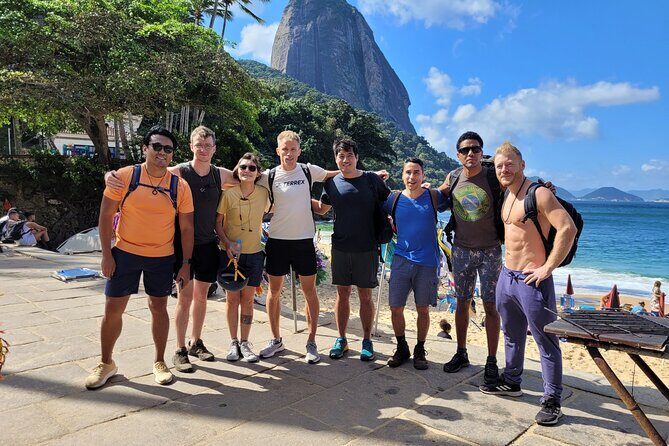
- A rope-and-harness climb on Sugarloaf: a short 15-meter section is part of the hike and must be led by an experienced climber
- Vidigal to Dois Irmãos with a view payoff: motorcycle up, then a 45-minute hike, with lunch and a beach reset
- Santa Teresa + Selarón Steps plus classic Lapa stops: old-city vibe with postcard-ready details
- Corcovado via Parque Lage: Atlantic Forest trail with monkeys, then a scenic photo stop at Mirante Dona Marta
- Pedra da Gávea and Tijuca Peak: two very different viewpoints in Tijuca National Park
- Samba as part of the schedule: Rio Scenarium, Lapa Square nightlife, and a samba-school-style event at Salgueiro
How the tour strings together Rio’s best views and nightlife
Rio is the kind of city where you can lose a whole day just crossing between “perfect photo spot” and “where do we go next.” This tour solves that with a route that alternates big viewpoints with neighborhood time and night culture. You get sea views, forest hikes, city history, and samba, without the typical shuffle-and-wait stress.
I like that it treats viewpoints as more than a bus stop. Sugarloaf and Corcovado come with trails through natural areas, not just a look-from-a-platform vibe. Then the energy shifts to music and food culture in places such as Rio Scenarium (a 19th-century mansion) and the Lapa area under the Arcos da Lapa aqueduct.
The tour also feels guided like a local, not like a checklist. You’ll hear context as you move through Santa Teresa, downtown sights, and Porto Maravilha murals, and you’ll get the kind of timing that helps you enjoy spots instead of just hitting them.
You can also read our reviews of more tours and experiences in Rio de Janeiro.



Day 1: Sugarloaf’s rope climb, Urca trails, and Rio Scenarium
Day 1 is built like a greatest-hits opener: start with the climb, then cool down at nearby viewpoints and end with live music and caipirinhas.
First comes the Sugarloaf Mountain adventure on the eastern side (Costão). The hike begins at the end of the shaded Cláudio Coutinho path in Urca, and the terrain is mostly rock slab. Most of the time is manageable for many ages and fitness levels, but about 3/4 of the way up there’s a short 15-meter section that uses a rope and harness, and it must be led by an experienced climber. The upside is worth it: you’re looking out over sea, forest, and mountain, with the city of Niterói in the same view.
After that, you get a slower landing. Praia Vermelha (Red Sand Beach) is a short stop with calm waters and the iconic Sugarloaf backdrop. The area is in a military environment, which also helps explain why it’s often chosen when you want a safer-feeling beach break.
Then you connect back to the trail system with the Cláudio Coutinho Trail. This is part of the Natural Monument of Pão de Açúcar and Urca Hills, and it runs about 1.25 km around Morro da Urca. Along the way there are distance markers every 50 meters, so the walk feels trackable instead of vague.
Morro da Urca itself is next. It’s only 220 meters high, but it’s a magnet because you can see it from a lot of Rio. The stop also reinforces the reason Urca is such a good “starter neighborhood” for views: it sits close to the action without feeling like the center of the chaos.
Finally, you land in the nightlife portion at Rio Scenarium. It’s known for antique furniture displays and a multi-room layout across three floors, with live musical programming and Brazilian food. The evening program is the point here: after a hike-heavy day, you get a cultural show in a venue that’s part museum, part bar, part restaurant.
Practical reality check for Day 1: if you’re nervous about heights or technical moves, the rope section can still feel intense even if it’s short. The good news is the experience is designed around safety with an experienced climber leading that segment.
Day 2: Vidigal to Dois Irmãos, then Ipanema and Arpoador at sunset
Day 2 turns Rio into a scenic loop: start inland for the city-over-city view, then float back toward the beaches for lunch, a swim-ish pause, and sunset.
You begin with the Caminhada Trilha Dois Irmãos. The day starts with a motorcycle ride up to the Favela do Vidigal, where the actual hiking begins (45 minutes). From the top, you look across Rio, including views of the famous Favela da Rocinha below. That “city map from the sky” feeling is what makes Dois Irmãos a classic stop.
At the end of the hike, the plan is lunch at a local restaurant, followed by time at Vidigal Beach to cool off. Vidigal itself is described as a South Zone neighborhood/favela area between affluent areas like Leblon and São Conrado, with Atlantic Forest wildlife and plant life. Even if you’re mostly there for the view, it helps to know you’re looking at a specific ecosystem, not just a postcard.
Vidigal Beach is also used for a different kind of beach day. It’s described as less crowded than many South Zone beaches, which matters if you want a calmer reset without giving up the ocean vibe. From there you head toward Arpoador.
Arpoador is a small beach and rocky formation between Diabo Beach and Ipanema. It’s known as a surfer-friendly area with big waves, and it’s also where you catch the famous sunset energy. The stop includes time near Garota de Ipanema Park, named after the song, which adds a pop-culture layer to the scenery.
Then you finish with Ipanema Beach. It’s wide, umbrella-filled on weekends, and positioned so you can see a long chain of Rio highlights: Leblon, Dois Irmãos, Corcovado, and the Cagarras Islands. In other words, you get the big-hits horizon shot without doing another hard hike.
Day 2 tip: bring swimwear even if you’re not sure you’ll want to swim. The plan includes a real beach break, and it’s a nice way to avoid that “all view, no rest” feeling.
Day 3: Santa Teresa, Selarón Steps, Lapa arcs, and Praça Mauá murals
Day 3 is Rio’s “old streets and new art” day. You trade some elevation for neighborhoods, architecture, and the Port Zone’s visual storytelling.
You start in the Historic City Center, with a focus on Santa Teresa, the Escadaria Selarón, downtown Rio, Lapa, and then the Port Zone called Porto Maravilha. In Porto Maravilha, you can see murals, plus modern attractions like the Aquarium and Tomorrow Museum, along with Marina Bay. The City of Niterói is also mentioned as part of what you can see from this area, which links nicely with the sea-to-mountain theme from Day 1.
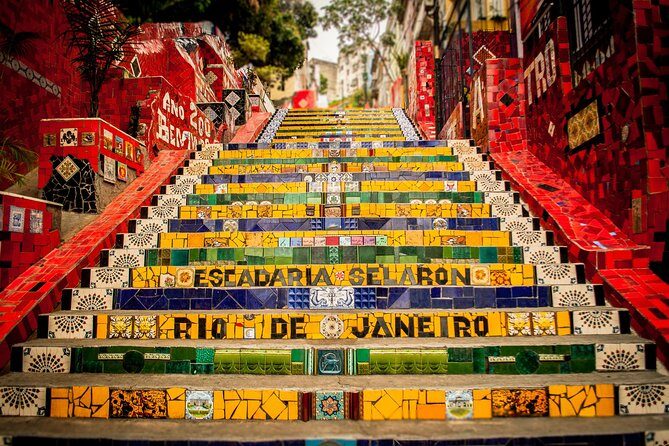
The Escadaria Selarón (Selarón Steps) is the star. It’s the artwork of Jorge Selarón, created from tiles collected from over 60 countries. The staircase has 215 steps and stretches about 125 meters, and it’s designed as an ever-changing tribute. This stop doesn’t take long on the clock, but it’s the kind of place where you’ll want to slow down because every angle looks different.
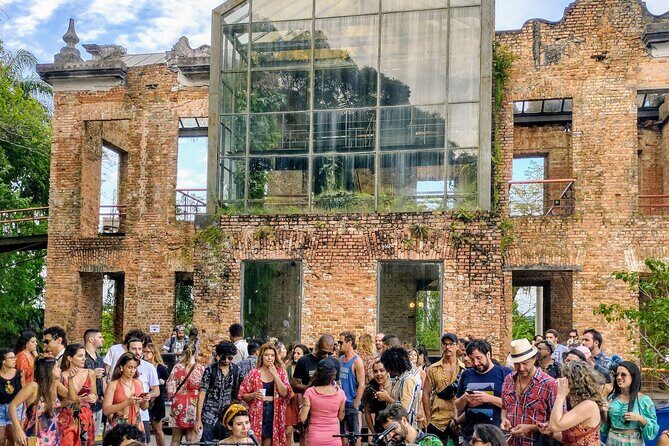
Next is Santa Teresa. This neighborhood sits up on a hill and has a village-like feel with winding streets, old mansions, boutique hotels, cocktail bars, and places to eat with bay views. You’ll also see artist studios and areas like Ruins Park and the Chácara do Céu Museum, both tied to the neighborhood’s art culture.
Then you head to Arcos da Lapa. The arches are tied to an old water system history and are one of the most recognized postcard images of Rio’s bohemian Lapa district. The stop itself is short, but it’s a great visual anchor after the steps and hill streets.
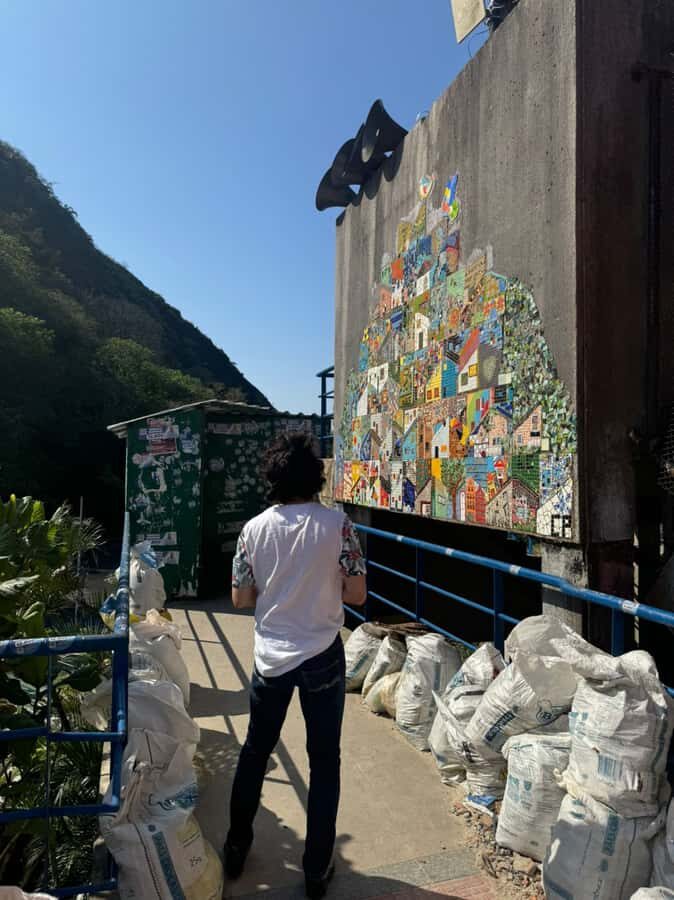
Finally, you move to the Port Zone for Little Africa around Praça Mauá. This is tied to Valongo Wharf and the history of slave ships arriving from Africa, later rediscovered during the Olympics-area renovations. The stop includes a major mural called Ethnicities by Eduardo Kobra, described as the world’s largest graffiti made by a single person. It’s a huge 30m x 10m work featuring five indigenous people from different continents.
Day 3 trade-off: this is a city-walking day, but it’s also fast-moving. If you’re the type who likes to linger, treat the timing as a guideline and plan to come back to your favorite stop on your own the next day.
Day 4: Corcovado from Parque Lage, Mirante Dona Marta, and samba in Lapa
Day 4 is the classic Rio headline: Christ the Redeemer. The difference is how you get there.
You start at Parque Lage, which is connected to the history of the area (it was originally tied to an old sugar mill). Parque Lage also sits at the foot of Corcovado and is within Tijuca National Park administration. You get a chance to orient yourself with the park setting before the main trail.
Then comes the Corcovado trail itself. It’s a 2.5-hour route through the Atlantic Forest with monkeys and changing landscapes. The trail includes a more challenging second segment that rewards with views leading right up to Cristo Redentor. It’s not just a destination day; it’s a nature trail day with a famous finish.
After you return, there’s a 40-minute walk down to Mirante Dona Marta for pictures and sunset. Dona Marta is about 360 meters high and is described as one of Rio’s most visited lookouts. The view range includes Sugarloaf, Christ the Redeemer, Maracanã, Guanabara Bay, and Rodrigo de Freitas Lagoon. It’s also above Santa Marta Favela, known internationally from a Michael Jackson music video.
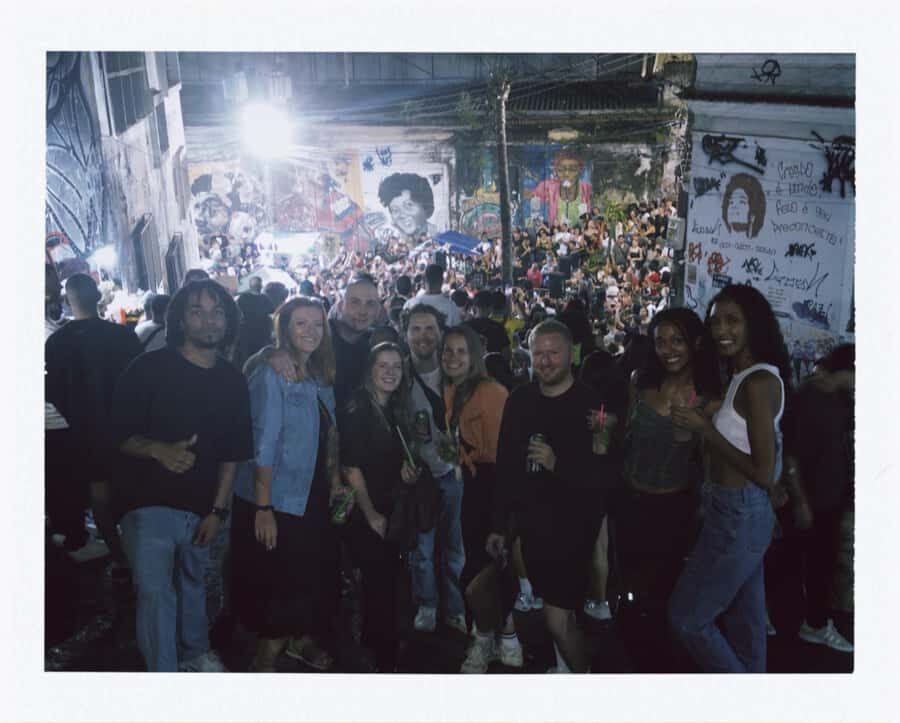
Then the night plan locks in at Lapa Square with live samba and caipirinhas. Bar Carioca da Gema is the samba gathering spot in the schedule. It’s in the bohemian Lapa zone under the Arcos da Lapa aqueduct, so you get that open-air energy that makes Rio nightlife feel like more than just dinner and a show.
Day 4 tip: if you’re doing photo gear, be ready for both forest light and sunset light. Bring a strap you trust, and keep a quick-change layer handy for temperature shifts.





Day 5: Pedra da Gávea, Tijuca Peak, and the samba-school finale

Day 5 blends two major Tijuca National Park moments with a samba party-style finale. It’s a strong close for people who want more than just one last viewpoint.
You start with Pedra da Gávea, described as the world’s largest sea-facing rock, at 842 meters. It’s named for a resemblance to the observation basket (gávea) on Portuguese caravels. The hike is noted as beginner-friendly in the sense of minimal challenges and shaded sections, but the final 5 minutes include a 117-step staircase carved into the rock, protected by chains on both sides. On a clear day, the summit view can reach from Rio’s South Zone across to the West Zone, plus the Tijuca forest mountains.
Then the tour shifts from climbing to dance energy with a samba school event at Quadra do Salgueiro. Samba school performances are described as a mix of singing, dancing, and parade storytelling, with samba-enredo and percussion bands. The scale can be huge, with costumes tied to a theme and most participants walking during the parade. This stop gives you a look at Rio samba as a public cultural engine, not just background music.
After that, Tijuca Peak is the next hike. Tijuca Peak is listed as the highest point of Tijuca National Park. The hike is described as worth it because you can see the Atlantic Forest up close, plus Gávea and Bonita Rocks, the Rio-Niterói Bridge, and views toward Rio’s northern zone. If Corcovado is your “icon” viewpoint, Tijuca Peak is your “forest-to-city” viewpoint.
Finally, the day ends with Samba de Lei. The schedule includes caipirinhas and live samba as a celebratory wrap-up. The point here is simple: you finish with music, movement, and a toast to the whole week.
Day 5 reality check: this is the longest day for effort. If you’ve been pushing hard the week before, consider going slower on the first hike so you still enjoy the samba-school night without feeling wrecked.
Is it worth $1,177.16 all-in? What your money buys
At $1,177.16 per person for about 5 days, you’re paying for more than transportation. You’re paying for timed access to trails and viewpoints, included admission tickets at multiple stops, and planned cultural nights with live music and caipirinhas.
Here’s what that means for value in real terms. First, you reduce decision fatigue. Instead of picking which hikes to do and which venues to book, you follow a route that already pairs the right natural stops with the right evening scene. Second, you get safety management on the more technical parts, especially that short rope-and-harness climbing segment on Sugarloaf.
This price also makes sense if you want Rio’s variety without trying to do it all solo. One solo traveler mentioned booking it because they felt anxious about Rio, and the experience helped them feel safe and well supported. English-speaking guidance is another practical piece: it matters on hikes and at night venues when you want clarity fast.
One potential downside to keep in mind: since it’s all about scheduled stops, you don’t have endless flexibility to “wander wherever.” If you love free time above structure, you might feel boxed in. If you like momentum and a strong plan, this format is a good match.
Who should book this 5-day Rio experience

This tour fits best if you want the big Rio highlights but also care how you get there. You’ll probably enjoy it if you like hiking for viewpoints and you’re happy to mix nature with culture and live music. It’s also a good choice for people who want English guidance and a private-style group.
Think twice if you hate physical effort. There are multiple hikes across several days, including a short technical climbing section on Sugarloaf and a chain-protected staircase finish on Pedra da Gávea. You don’t need to be an athlete, but you do need basic hiking comfort and a willingness to move.
It also helps if you enjoy Rio after dark. The itinerary builds samba nights into the schedule rather than treating nightlife as an optional extra. If that’s your thing, you’ll feel the payoff on Day 4 and Day 5.
Should you book this 5-day Rio experience?
Book it if you want a “best of Rio” plan that stays grounded in real neighborhoods, real trails, and real music spots. The rope-assisted Sugarloaf portion, the Santa Teresa and Selarón Steps combo, and the combo of Corcovado plus Lapa samba make it a strong mix for first-timers or anyone who wants a structured introduction.
Skip it if you’re mainly a beach-and-café person with little interest in longer hikes. Also skip it if you know you’ll struggle with heights or technical steps, since those parts are built into the core itinerary.
FAQ
How long is the Rio de Janeiro 5-day tour?
The tour runs for about 5 days.
Where is the tour located?
It’s in Rio de Janeiro, Brazil.
Is pickup offered?
Yes, pickup is offered. The meet-up point can be adapted depending on your location.
Is the tour offered in English?
Yes, it’s offered in English.
Is this a private tour?
It’s listed as a private tour/activity, meaning only your group participates.
Are admission tickets included?
The itinerary lists admission tickets as included for multiple stops, and some stops are marked free.
What kind of hiking or climbing is included on the tour?
The Sugarloaf Mountain hike includes a short 15-meter section that uses rope and harness and must be led by an experienced climber. Pedra da Gávea includes a final 117-step staircase carved into the rock with chains.
What happens if weather is poor?
The experience requires good weather. If it’s canceled due to poor weather, you’ll be offered a different date or a full refund.
Should you book this 5-day Rio experience?
If you want Rio to feel organized and safe without losing the adventure, this is a strong pick. The mix of viewpoints, neighborhood culture, and samba nights is built into the schedule, not tacked on at the end. If you’re ready for hikes and you like music-led evenings, it’s an easy yes.