REVIEW · RIO DE JANEIRO
Rio Culture and History & Traditional Foods
Book on Viator →Operated by Camila Tour - Guia de Turismo RJ · Bookable on Viator
Sweets and street art in one Rio day. This tour pairs Camila’s lively guidance with classic Rio food stops and major sights, so you don’t just take photos—you learn what you’re looking at while you snack your way across town. I especially loved the way the day mixes included tastings with culture, from old-school pastry history to Brazilian comfort food.
The main consideration is the steady pace. It’s a full 6-hour loop with multiple neighborhoods and viewpoints, so if you want long, slow hangs in one place, you may feel a bit rushed.
In This Review
- Key highlights before you go
- Starting in Copacabana: Meeting Camila and Getting Set for Six Hours
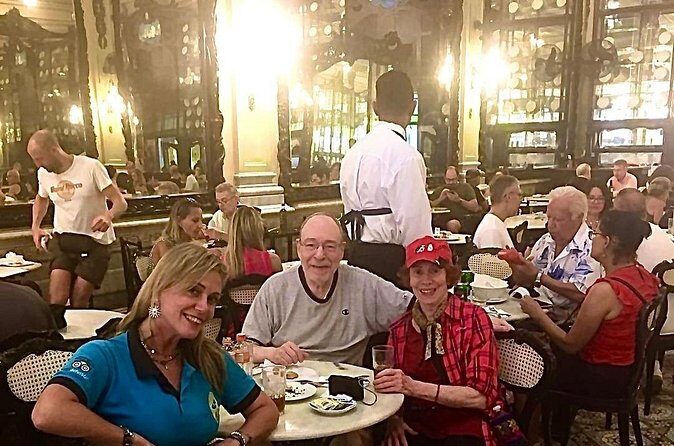
- Confeitaria Colombo: Old Rio Through Pastries and Snack Bites
- Lapa Arches Tram to Ruins Park: Views and City Stories
- Selarón Steps and Santa Teresa: Color, Craft, and Bohemian Energy
- Big Sights Without the Headache: Copacabana, Ipanema, Maracanã, Sugarloaf, and Corcovado
- Lunch Buffet à Discrição and Tastings That Feel Like a Lesson
- Who This Fits Best (and Who Might Want to Adjust Expectations)
- Should You Book This Rio Culture and History + Traditional Foods Tour?
- FAQ
- What time does the tour start, and where do we meet?
- How long is the experience?
- Is the tour offered in English?
- How many people are in the group?
- What food is included?
- Is weather a factor?
Key highlights before you go
- Small group size (max 15) keeps the vibe friendly and the questions flowing.
- Pick-up from JW Marriott Copacabana makes the start easy, with a 11:00 am meeting.
- Confeitaria Colombo brings food history to life in a real heritage setting.
- Lapa Arches tram ride + Ruins Park views gives you that postcard angle without DIY stress.
- Selarón steps in color and motion ties Santa Teresa to Lapa in one memorable hop.
- Two food stops plus a lunch buffet à discrição means you’ll leave properly full, not just nibbling.
Starting in Copacabana: Meeting Camila and Getting Set for Six Hours
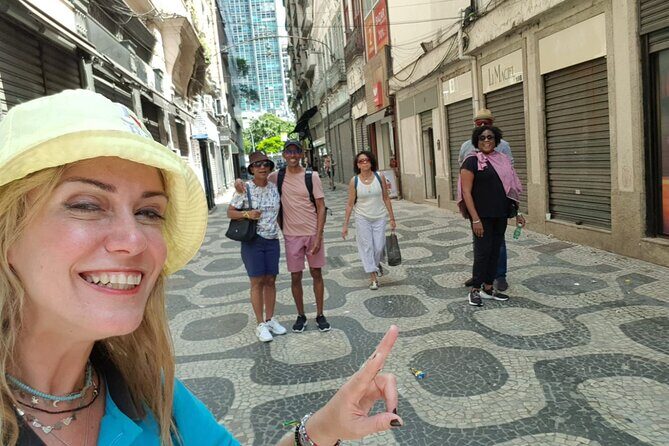
You meet your guide right in front of the main entrance of the JW Marriott Hotel Rio de Janeiro, Av. Atlântica 2600, in Copacabana. It’s a helpful anchor point, especially if you’re arriving from the beach side and don’t want to figure out where to stand. The tour runs in English, and it’s capped at 15 people, which I like because it usually means you get real interaction, not a headset tour.
The day is built around movement: trams, short transfers, and several stop-and-go sightseeing moments. That’s not a complaint—it’s the whole point. The route is designed so you experience a range of Rio energy in one go: classic sights, a bohemian neighborhood feel, and food that connects to local history.
If you’re prone to motion sickness, you’ll probably be fine with the tram portion, but I’d still plan for some street walking. And because the tour is weather-dependent, you’ll want to keep an eye on your day’s forecast.
You can also read our reviews of more historical tours in Rio de Janeiro



Confeitaria Colombo: Old Rio Through Pastries and Snack Bites
Confeitaria Colombo is one of those places where the building alone tells a story. With an expert food guide, you get lost in a mix of sweets and salty snacks, and you also learn why the spot matters beyond just taste. It’s described as part of Rio’s historic and artistic heritage, officially recognized as cultural patrimony, which gives the visit extra weight.
I like this first stop for two reasons. First, it sets the tone: you’re not meeting the city at a viewpoint first—you’re meeting it through food and craft. Second, it’s a smart way to start a day like this: you’re energized early, and you’ll likely be calmer during later sightseeing.
Timing matters here too. The admission ticket is listed as free, and the experience is set up with quick entry, so you’re not stuck in ticket lines before you even get to the snacks.
One more practical note: even if you think you’re only here for the scenery, Colombo is where you’ll “train your taste.” The guide’s framing helps you notice flavors and textures as part of Rio’s identity, not just random treats.
Lapa Arches Tram to Ruins Park: Views and City Stories
From the downtown area, you ride a tram over the Lapa Arches, also known as the aqueduct. This isn’t just a scenic transfer. It’s one of those Rio moments where the infrastructure becomes the attraction—stone arches, city slopes, and a sense of moving through layers of the place.
Along the way, the route connects you with cultural spots like Ruinas Park, which overlooks the city. That viewpoint angle is a big reason people enjoy this part of the day: you get a wider sense of how Rio sits—how neighborhoods climb and how the city opens up beyond your immediate street corners.
There’s also a reason this stop sits where it does in the day. If you start straight with the most famous lookouts, you can end up numb from the first big wow. Here, you build up to it: food at Colombo, then a tram-and-view segment that lets you breathe for a moment and mentally reset.
The admission ticket is listed as free at this phase too, which helps keep the day flowing. And the pacing is friendly—enough time to get your photos and listen, without turning the view stop into a long lecture.
Selarón Steps and Santa Teresa: Color, Craft, and Bohemian Energy
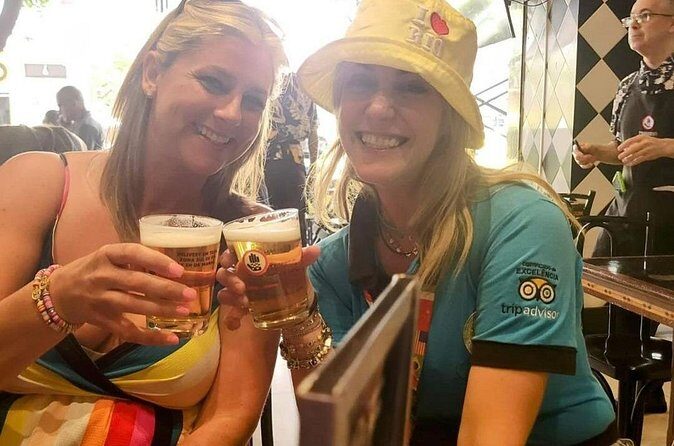
The Escadaria Selarón is only about five minutes from the arches, but it feels like a different planet. The steps connect Santa Teresa to Lapa, and they’re famous for their colorful tile decorations. You don’t need an art degree to understand why they draw people: they’re visual, playful, and instantly memorable in motion.
This is also where the tour leans into Rio’s social vibe. Lapa is described as the most buzzing area in town day and night, and the steps are a natural focal point for that energy. You’re not just passing through—you’re seeing the neighborhood’s personality.
In the middle of that, you also get Santa Teresa context. The day includes time in and around that area’s local galleries and boutique feel (even if you’re not shopping, you’ll at least get a sense of the creative neighborhood rhythm).
I’ll flag one practical consideration: the steps themselves can be slick depending on weather, and the area has plenty of movement. If you’re traveling with older kids or grandparents, keep footwear sensible. This part of Rio rewards you most when you’re steady on your feet.
Big Sights Without the Headache: Copacabana, Ipanema, Maracanã, Sugarloaf, and Corcovado
What I like about this tour is that it doesn’t treat the famous icons like a separate product. Your route includes major Rio highlights: Copacabana and Ipanema beaches, Maracanã Stadium from the outside, the historic center, Pão de Açúcar, and Corcovado with Cristo Redentor (Christ the Redeemer).
Now, let’s be honest about the trade-off: you’re not going to have hours for each landmark. This is a “see it and understand it” format, not a slow museum crawl. But for many first-time visitors, that’s exactly the sweet spot—especially if you’re trying to cover a lot while staying guided and time-efficient.
The benefit of having a guide is how it changes your picture-taking. You’ll spend less time guessing what you’re looking at and more time noticing the details you would otherwise miss. That includes how neighborhoods, geography, and history connect to the city’s layout.
If you’re the type who wants to linger at viewpoints all day, you might want to add a follow-up day on your own. But if you want a one-day crash course that still feels thoughtful, this section is where the tour earns its ticket.






Lunch Buffet à Discrição and Tastings That Feel Like a Lesson

The food portion isn’t an afterthought—it’s structured. There are two main tasting stops, plus a lunch option that’s described as a good restaurant buffet with à discrição (meaning you can eat to your heart’s content at the buffet).
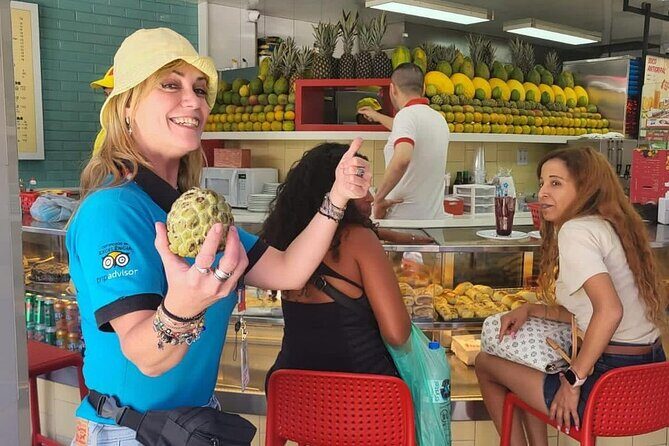
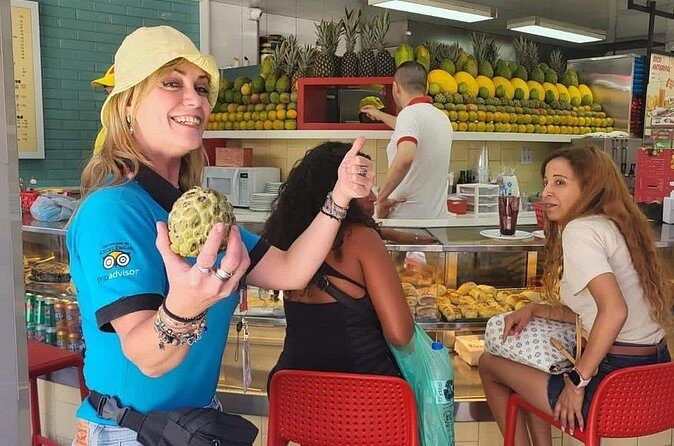
Stop 1 in this food stretch is Parada de Copa Restaurante. You get a lineup of Brazilian favorites that hit different categories: snacks, sweets, drinks. Examples listed include pão de queijo, coxinha, brigadeiro, guaraná, açaí, pastel, beer, and cachaça. The fun here is variety. You’ll taste common street-and-home flavors that you could easily miss if you only rely on menus at tourist restaurants.
Stop 2 is Adega Pérola. This one adds a different layer: it explains Brazil’s ingredient mix and how flavors shaped by indigenous traditions, Afro-communities, and immigrant currents show up in typical dishes. Even if you’re not a food historian, that framing helps you understand why Brazilian cuisine tastes the way it does—no single origin, no single flavor story.
One detail I really appreciate: the tour includes quick entry with tickets listed as free at these stops. That matters because a food tour lives or dies on time. If you’re waiting around, you don’t taste, you just wait.
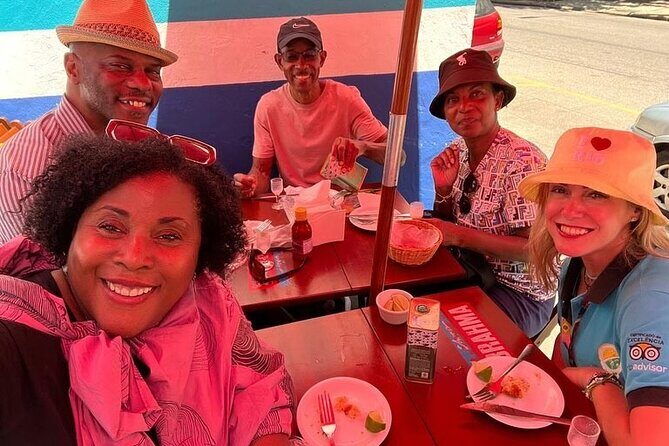
And about the pacing again: you’ll likely snack at multiple points, then sit for the buffet. If you know you get full fast, you can still manage it—just start with a few tastes, save room for the buffet, and don’t let the first sweet tempt you into skipping the savory.
Who This Fits Best (and Who Might Want to Adjust Expectations)

This is a strong pick if you want Rio culture + traditional foods in one organized day. It’s also ideal if you value a guide who can steer the schedule. In the feedback, Camila comes up again and again for adapting the tour based on timing and preferences, even when families are involved. That’s a real advantage because it means you’re less likely to feel like you’re stuck in a rigid script.
It also works well for mixed groups, including families. The tour is designed for most travelers to participate, and the maximum group size stays intimate.
Who might consider a different plan? If your top priority is deep time at one museum, one neighborhood, or one viewpoint, this isn’t that type of tour. It’s built for coverage and context, not slow drifting. Think of it as a guided “greatest hits plus food” day, with enough stops to feel like you traveled widely.
My quick advice to get the most out of it:
- Wear comfortable shoes for city streets and the Selarón steps area.
- Expect a full day with multiple transitions, not a relaxed lunch-only outing.
- Bring curiosity. The guide’s job is to connect what you taste to what you see.
Should You Book This Rio Culture and History + Traditional Foods Tour?
Book it if you want a single, guided day that mixes major Rio landmarks with real food stops, and you’d rather have a local explain the story than hunt for it yourself. The format is a good value because the day includes multiple tasting points and a lunch buffet à discrição, plus guided context at places like Confeitaria Colombo.
Skip it or adjust your expectations if you only want one or two neighborhoods, or if you plan to spend most of your day taking things slow on your own schedule. This tour is about momentum, with plenty of flavor and sights along the way.
FAQ
What time does the tour start, and where do we meet?
You meet at 11:00 am at the JW Marriott Hotel Rio de Janeiro, Av. Atlântica 2600, Copacabana, right in front of the main entrance. The tour ends back at the meeting point.
How long is the experience?
It lasts about 6 hours.
Is the tour offered in English?
Yes, it’s offered in English.
How many people are in the group?
The tour has a maximum group size of 15 travelers.
What food is included?
You’ll have tastings of traditional Brazilian items and drinks, and you’ll also stop for an included lunch buffet à discrição.
Is weather a factor?
Yes. The experience requires good weather, and if it’s canceled due to poor weather, you’ll be offered a different date or a full refund.