REVIEW · RIO DE JANEIRO
Little Africa Guided Tour with Transfer
Book on Viator →Operated by Rio Carioca Tour Ltda · Bookable on Viator
History hits you in the street. This small-group Little Africa tour pairs a tight group size with guide commentary that stays easy to follow, and it threads together the big stopping points in about 4 hours: Cais do Valongo, Casa da Tia Ciata, Pedra do Sal, and the Instituto de Pesquisa e Memória Pretos Novos. I also love that the IPN museum admission is included, while the other stops you visit have free entry. The one catch: you’ll be walking outdoors, so wear comfortable shoes and plan for sun.
Pickup by air-conditioned vehicle helps you start and finish without stress, and the approach is careful and human. This can be an emotional tour, and the guide’s tone is built around care and empathy—not rushing past hard parts of Brazil’s past. The tour runs twice a day, so you can match it to your schedule and energy level.
In This Review
- Key highlights you’ll actually feel
- Little Africa in 4 hours: what you’re walking through
- Cais do Valongo: the harbor story you won’t forget
- Casa da Tia Ciata: a place to notice the small details
- Pedra do Sal: the name, the truth, and the working life
- Instituto de Pesquisa e Memória Pretos Novos (IPN): why memory preservation matters
- Hotel pickup, transfers, and how the meeting point works
- English guidance and guide style: what to prioritize
- Price and value: $60 buys a guided loop, not a meal
- Who should book Little Africa (and who should rethink it)
- Should you book? My practical verdict
- FAQ
- How long is the Little Africa Guided Tour with Transfer?
- What’s included in the ticket price?
- Is pickup included, and where does it pick up from?
- What is the meeting point for the tour?
- Do I need ID for this experience?
- Is lunch provided during the tour?
- What happens if it’s canceled due to weather?
Key highlights you’ll actually feel
- Small group touring that keeps the guide’s explanations clear for everyone
- Cais do Valongo and the port area’s layered names and meaning
- Casa da Tia Ciata with a focus on what to notice during the walk
- Pedra do Sal and the real story behind the name
- Pretos Novos (IPN) as the included-museum stop dedicated to memory and preservation
Little Africa in 4 hours: what you’re walking through
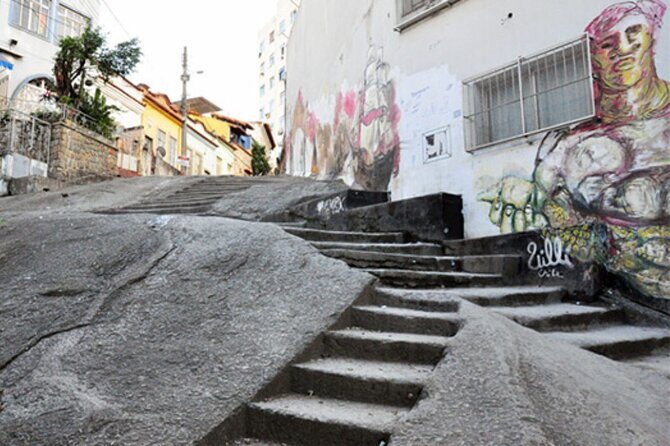
This tour is built as a tight loop, designed to give you context fast—without turning it into a bus parade. Expect a mix of short walks and focused stops, with enough time to hear the guide and actually look around. The schedule is approximate at about four hours, and while the order can shift, the key locations stay the same.
The “Little Africa” idea can sound like a vague label, but on this itinerary it turns practical. You’re moving through places tied to arrival, community life, labor realities, and modern-day preservation. And because the group is capped (maximum vehicle capacity is 19), the guide can adjust pacing when needed rather than talking over everyone.
A transfer is included via air-conditioned vehicle, and pickup is offered from most hotels in Leblon, Ipanema, Copacabana, Flamengo, and Centro. If your hotel is in Barra or Recreio, expect an extra charge.
One more thing: you’ll want to bring ID (or a copy). Even children need ID, and kids under 4 are free if they sit on a parent’s lap.
You can also read our reviews of more guided tours in Rio de Janeiro



Cais do Valongo: the harbor story you won’t forget
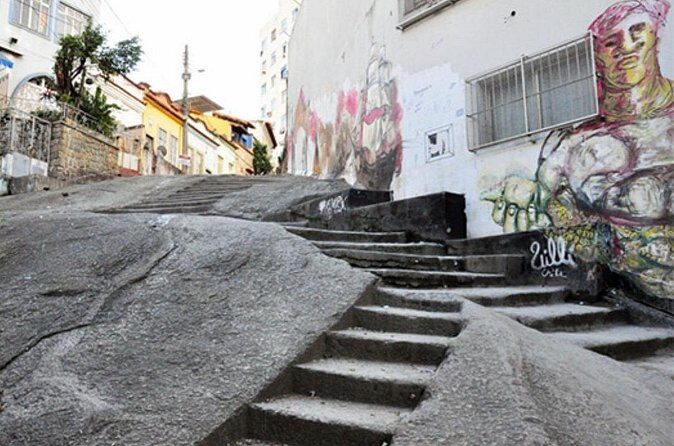
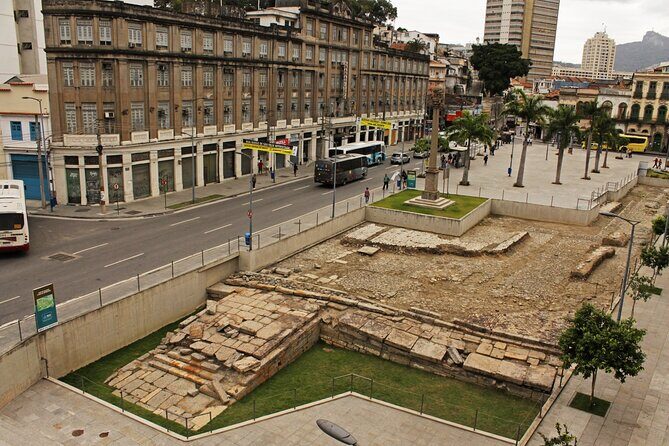
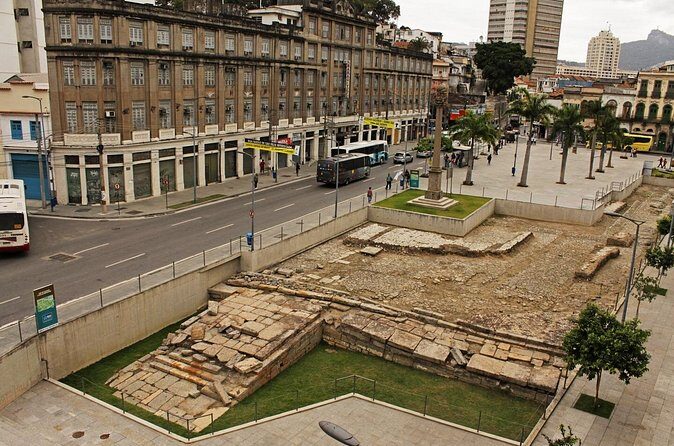
Your first stop is Cais do Valongo, the former harbor area. This isn’t just a pretty waterfront spot; it’s tied directly to how enslaved people were brought to Brazil. Stones used to build the harbor were carried by the enslaved population that arrived here, and the port’s names changed over time depending on what powerful people wanted emphasized.
This is where the emotional weight of the tour starts to land. You’ll spend about an hour here, and the guide’s job is to help you read the place—not just glance at it. If you’re the type who likes to know why a site matters, this hour will give you a framework you can carry to the next stops.
One detail that sticks with many people: the pier area was covered and forgotten for a long time, then reopened as a recognized site in 2011. That matters because it shows how history can be physically hidden—and then brought back into public memory.
Admission is free, so you’re paying for the guide’s interpretation and the time, not a ticket. Come prepared to listen. This stop rewards patience, not speed.
Casa da Tia Ciata: a place to notice the small details

Next up is Casa da Tia Ciata, a stop that’s less about one single monument and more about how a community gathered, shaped culture, and kept traditions alive. You’ll spend about an hour here, also with free entry.
The guide will likely direct your attention to subtle visual cues—small cues you can miss if you’re just photographing corners. This is one of those times where it helps to slow down and stop treating the tour like a checklist.
If you like cultural context (music, community gathering, everyday life), this stop tends to feel like a bridge. You move from the harbor’s arrival story into the reality of people building community and identity in the same city where they were exploited.
Practical tip: if you’re the kind of person who gets hot quickly, plan a water break around this stop. The tour is outdoors, and Rio sun can turn “I can handle this” into “why am I sweating so much?” fast.
Pedra do Sal: the name, the truth, and the working life
Pedra do Sal is a shorter stop—about 30 minutes—and that’s a good thing. It keeps the tour from dragging, and it gives you room to process what you just learned.
Here, you’ll find out the truth behind its name and what hard-working conditions meant for the people connected with this area. The name can sound simple on paper, but the guide turns it into something real: where daily work happened, how people lived, and how economic survival shaped the neighborhood.
Because this stop is brief, the tour works best if you stay present. Don’t use it as a photo break where you drift away. This half-hour is meant to land like a punch: quick, focused, and tied to lived experience.
When you’re choosing what kind of tour you want, think of Pedra do Sal as the moment where the story tightens. After this, you’re heading into a dedicated space for preservation and memory.
Instituto de Pesquisa e Memória Pretos Novos (IPN): why memory preservation matters
The final major stop is the Instituto de Pesquisa e Memória Pretos Novos (IPN). You’ll spend about an hour here, and this is the one stop with included admission.
This part of the tour is all about understanding why preservation matters. You’ll learn about how the institute was built and why remembering the Africans in Brazil isn’t just about the past—it’s about preventing erasure. The guide’s tone here is typically careful and reflective, which makes sense. This isn’t the kind of place where you rush.
If you’ve ever wondered how a society decides what to protect and what to forget, IPN gives you a concrete answer. You’re in a space that actively works to keep memory visible, and that makes the earlier outdoor stops feel connected rather than scattered.
Practical thought: if museums aren’t your thing, I still recommend this stop. It’s not just “museum time.” It’s the emotional and educational payoff that turns the walk into a fuller understanding of the city.
You can also read our reviews of more tours and experiences in Rio de Janeiro






Hotel pickup, transfers, and how the meeting point works
This is one of those tours where logistics directly affect comfort. The tour includes an air-conditioned vehicle, and pickup is available from many hotels (Leblon, Ipanema, Copacabana, Flamengo, and Centro). Pickup in Barra or Recreio costs extra.
The tour starts at Hotel Rio Othon Palace in Copacabana (Av. Atlântica, 3264 – 5º andar). It also ends back at the meeting point.
A big practical note: contact the provider 24 hours prior to departure to confirm pickup time and hotel location. That step matters because pickup can vary by where your hotel sits relative to their service area.
Also, the itinerary order may change. Don’t worry—you’re still going to the same core highlights. The order shift is common with walking tours because timing and pacing depend on the group.
Group size details help you set expectations:
- maximum vehicle capacity: 19 people
- tour can run with a maximum of 100 travelers overall
In plain terms: you’re not going to feel like you’re in a crowd crush, and the guide should be able to keep the conversation going.
English guidance and guide style: what to prioritize
The tour is offered in English, and in a small-group setting that matters a lot. A key advantage is that the commentary is meant to be easy to follow for everyone, not drowned out by noise or rushed timing.
Guides can also shape the experience in noticeable ways. One guide named Monica is described as experienced and very responsive, adjusting pace for older travelers and even adding brief extra stops. That’s the kind of flexibility you want if you’re visiting with parents, mobility limits, or simply a “my legs get tired early” reality.
At the same time, not every guide’s English level may feel equally clear for every person. If you’re traveling with anyone who needs crisp, easy-to-follow English, I’d consider it worth a quick check during confirmation that the guide will meet your expectations.
This is also an emotional tour. A guide’s tone—care, empathy, patience—can change how the experience lands. You’re not here for trivia; you’re here for meaning.
Price and value: $60 buys a guided loop, not a meal

At $60 per person, this tour costs less than many “one-site” paid attractions once you factor in what’s included. Here’s how the value adds up:
- You get an air-conditioned vehicle for transfer
- You get a guided walking tour format across multiple key sites
- One admission is included: Instituto de Pesquisa e Memória Pretos Novos (IPN)
- Other stops are free (Cais do Valongo, Casa da Tia Ciata, and Pedra do Sal)
- Lunch is not included
So you’re paying mainly for the guide’s interpretation and the time saved by having the route organized. For many people, that’s the best part of a tour: you don’t have to piece the story together yourself.
Plan for food. Since lunch isn’t included, bring a light snack strategy or check nearby options after the tour. Also, bring sunscreen and sunglasses—when you’re outside for hours, that’s “value” too because you’ll actually enjoy the stops instead of suffering through them.
Who should book Little Africa (and who should rethink it)
This tour fits you well if you:
- want a guided walking experience focused on African roots in Rio
- enjoy learning through context, not just seeing landmarks
- like small-group pacing rather than a large bus herd
It’s also a good fit if you appreciate that the guide may slow down and adjust, instead of sticking rigidly to a script.
You might rethink it if:
- you don’t handle walking well, since the tour is outdoors and includes multiple stops
- you’re looking for a purely “fun photos” style outing (this one has emotional content)
Families can participate. Children under 4 are free if they sit on the parent’s lap in the vehicle, and children must be accompanied by an adult. Bring ID (or a copy) for everyone.
If you’re doing Rio for the first time, this is a standout use of time because it gives you a different lens on the city—one that connects the present to the impact of slavery and the survival of culture.
Should you book? My practical verdict
Book it if you want more than a checklist of sights. The combination of Cais do Valongo, the community-focused stop at Casa da Tia Ciata, the quick but pointed Pedra do Sal moment, and the IPN memory-preservation experience makes this a tour that feels coherent. At $60, with transportation and one included admission, it’s fair value for a guided, small-group format.
Think twice if English clarity is crucial for you or if walking outdoors isn’t your thing. In that case, confirm guide language expectations during confirmation and wear shoes you’d happily walk a few extra blocks in.
Most of all: come with curiosity and enough time to listen. This tour works when you let it do its job—put the story on the street, where it belongs.
FAQ
How long is the Little Africa Guided Tour with Transfer?
The tour lasts about 4 hours.
What’s included in the ticket price?
You’ll get an air-conditioned vehicle, a guided tour in English, and admission to the Instituto de Pesquisa e Memória Pretos Novos (IPN). Admissions for the other stops are free.
Is pickup included, and where does it pick up from?
Pickup is available from most hotels in Leblon, Ipanema, Copacabana, Flamengo, and Centro. Pickup in Barra or Recreio dos Bandeirantes costs extra.
What is the meeting point for the tour?
The tour starts at Hotel Rio Othon Palace, Av. Atlântica, 3264 – 5º andar, Copacabana, Rio de Janeiro.
Do I need ID for this experience?
Yes. An ID or a copy is mandatory, including for children.
Is lunch provided during the tour?
No. Lunch is not included.
What happens if it’s canceled due to weather?
This experience requires good weather. If it’s canceled due to poor weather, you’ll be offered a different date or a full refund.