REVIEW · RIO DE JANEIRO
A Walk in the Rocinha Favela: Women Leading the Way
Book on GetYourGuide →Operated by Malux.rio · Bookable on GetYourGuide
Rocinha on two wheels and two feet. This small-group tour in Rio pairs a bilingual local guide with a real look at everyday life in the largest favela—plus that fun moto-taxi start that gives you instant context for the steep streets. I like how the guides (including Malux, Gabriela, Larissa, and Lari from recent tour groups) bring personal stories and a caring, practical pace.
One thing to consider: it’s a working neighborhood, and the route can feel steep and crowded in spots, so wear comfy shoes and plan for close quarters.
You’ll also get more than photos-you’ll get real conversation. The walk includes street art, stops in local shops and markets, and time with youth for dance or football, which turns the tour from sightseeing into a shared moment. My favorite part is the focus on people-led experiences, not a drive-by “checklist.” The possible drawback is that food is not part of the package, so you’ll need to be ready to buy drinks/snacks if hunger hits.
In This Review
- Key things I’d make sure you notice
- Entering Rocinha With a Women-Led Local Guide
- Av. Niemeyer to the Subway Exit: Finding the Right Start Spot
- The Moto-Taxi Kickoff: A Fast Way to Understand the Hill
- Walking Rocinha: Colorful Streets, Narrow Alleys, and Daily Life
- Stop-by-Stops That Make the Tour Feel Real
- The Public Library Pause: A Meaningful Detour
- Views Over Rio: Where Your Camera Actually Helps
- Homemade Black Coffee and Local Shop Stops
- Social Projects and Donations: How to Help Without Making It Weird
- Dance and Football With Local Youth: The Moment You’ll Remember
- Time on the Clock: How Long It Really Takes
- Price and Value: The Real Reason It’s Worth $42
- Safety and Practical Comfort: What I’d Plan For
- Who Should Book This Rocinha Walk?
- Should You Book This Rocinha Walk With Women Leading the Way?
- FAQ
- How long is the tour?
- How much does it cost, and what do I get for the price?
- Is the moto-taxi ride included, and do I need cash?
- Is there a library stop and when does it happen?
- What languages is the guide available in?
- Are there restrooms during the tour?
Key things I’d make sure you notice
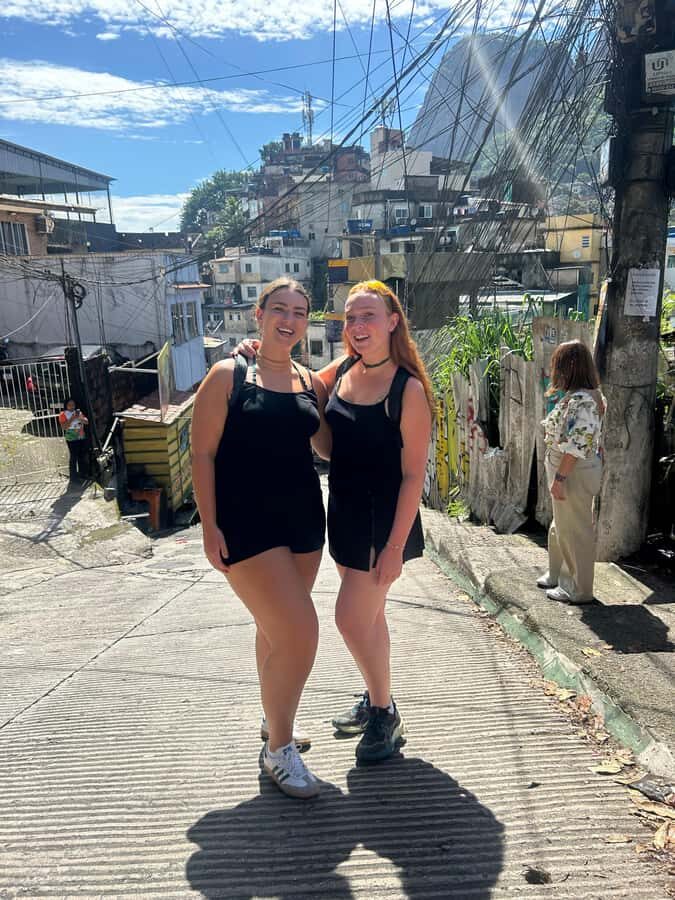
- Women-led, locally raised guides: You’ll hear stories grounded in daily life, not secondhand facts.
- Moto-taxi orientation ride: A quick first stretch that shows how Rocinha climbs the hills.
- Street art plus real errands: Art stops happen alongside shops, markets, and community spaces.
- Public library when open: A quieter, meaningful pause that adds depth to the neighborhood’s priorities.
- Dance and football time with youth: You’ll learn movements, not just watch.
- Safety support that’s built in: Real-time location tracking through local guide and resident associations.
Entering Rocinha With a Women-Led Local Guide
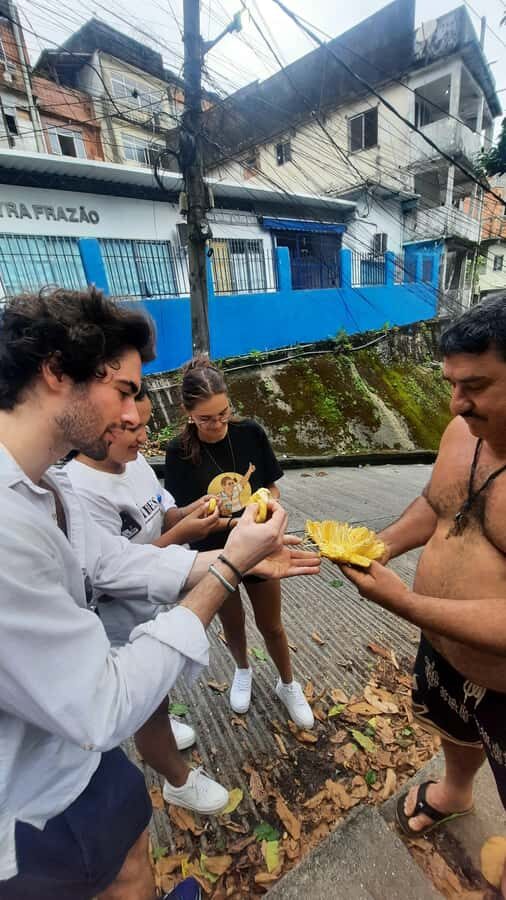
This tour is built around the simplest idea: who better to explain Rocinha than someone who lives there? In recent groups, guides such as Malux, Gabriela, Larissa, and Lari have led the experience, and that shows in how the walk feels—human, grounded, and not overly rehearsed.
You’re not just collecting sights. You’re hearing why certain streets look the way they do, how people make daily life work on steep terrain, and what community projects aim to change from the inside. That personal angle is also what makes the tone respectful. Guides set expectations, keep the group moving, and help you read what you’re seeing beyond the obvious.
And yes, you’ll take photos. But you’ll also get coached on what’s worth capturing—street art details, community scenes, and those Rio viewpoints that appear as the neighborhood steps upward.
You can also read our reviews of more walking tours in Rio De Janeiro



Av. Niemeyer to the Subway Exit: Finding the Right Start Spot
Your meeting point is Exit A of the subway near the Universal Church. If you use Google Maps, double-check you’re at the right entrance area and give yourself extra time to get oriented. Then you’ll connect with the start area on Av. Niemeyer, 780, where the tour route begins for the moto-taxi and first stop.
Why this matters: Rocinha tours can run like clockwork, and arriving a few minutes late can make you miss the first orientation segment. The tour also moves rain or shine, so you want to be set before the walk starts.
The Moto-Taxi Kickoff: A Fast Way to Understand the Hill
Before the main walking begins, you’ll ride a moto-taxi to reach the first stop. It’s a short local transport segment, and it does something a bus or car never can—it forces you to feel the slope immediately.
The tour data indicates a moto-taxi component to get you up to the neighborhood route. It also notes bringing cash for the ride (about R$10 per person)—so plan for that. Some information says the ride is included, while other notes treat it as a cash add-on. Either way, your best move is to show up with the small bill ready so you’re not stuck renegotiating at the start.
Also, keep your phone secure. You’ll likely want photos on the way up, but the ride itself comes first. Comfortable clothing matters here too, because you’ll be in motion and in close contact with your guide and group.
Walking Rocinha: Colorful Streets, Narrow Alleys, and Daily Life
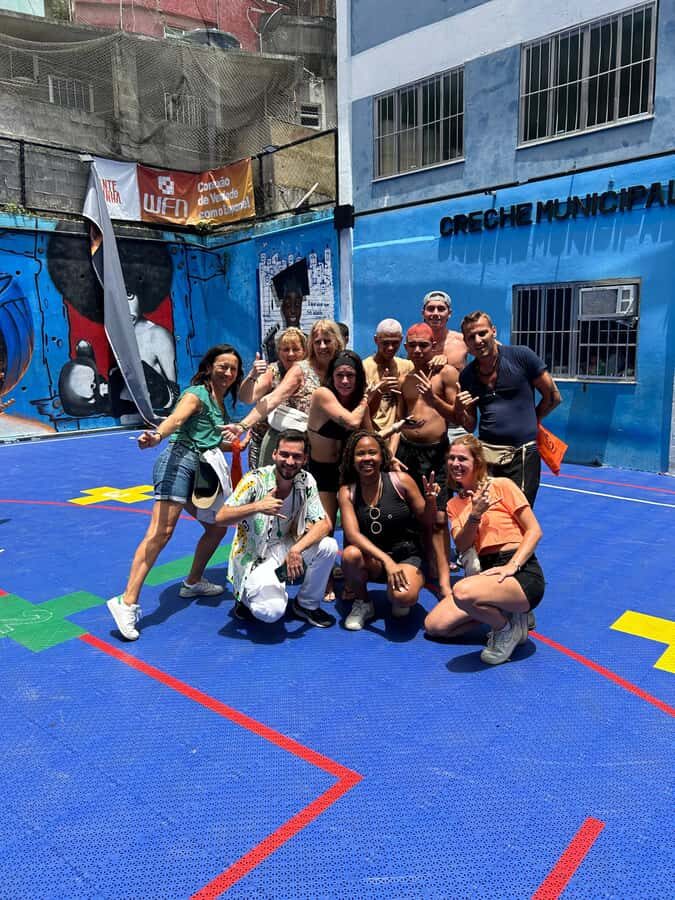
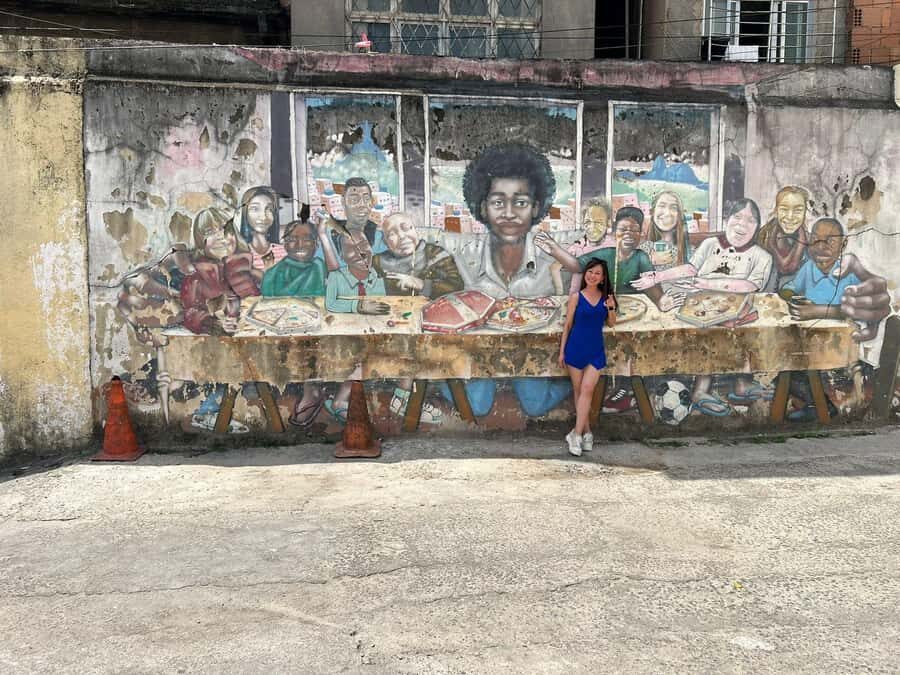
Once you arrive, you transition into the core of the tour: a guided walk through narrow alleys and lively neighborhood streets. Expect lots of street art, but also everyday scenes—local shops, children playing, and small routines that don’t feel staged.
The itinerary typically includes an early photo stop and a guided segment (around 20 minutes). This part is about orientation: your guide helps you understand what you’re seeing, where to look, and how to move safely without slowing the group.
After that, the tour continues with more guided time and additional stops. One section (about 40 minutes) is built around a photo stop and a traditional dance show, which also connects the neighborhood’s creativity to a living social rhythm. Then there’s time for walking and passing by key areas (about 30 minutes), which helps you see the neighborhood in motion rather than as a static viewpoint.
Stop-by-Stops That Make the Tour Feel Real
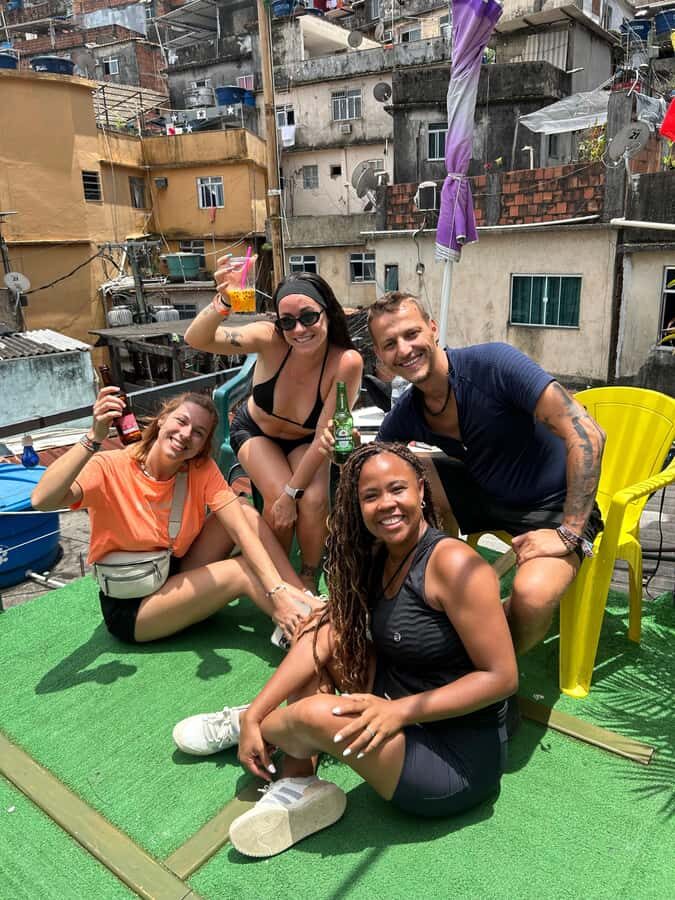
The best tours don’t just list places. They give each stop a job, and this one does.
First guided photo and orientation stop (~20 minutes):
This is where you learn what to look for, from the street art layout to how the streets connect. It’s also a good time to start asking questions, since your guide is still shaping the pace for the group.
Dance-focused segment (~40 minutes):
This adds cultural context in a way words alone can’t. You’ll see a dance presentation, and later in the tour you’ll have a friendly time with local youth to learn dance steps or play football. That turns “culture” into action.
Walking and passing-by areas (~30 minutes):
This part helps you understand the neighborhood as lived space. Passing by local spots matters because it shows flow: where people gather, where small businesses operate, and how the street network works in practice.
Arts and crafts market visit (~30 minutes):
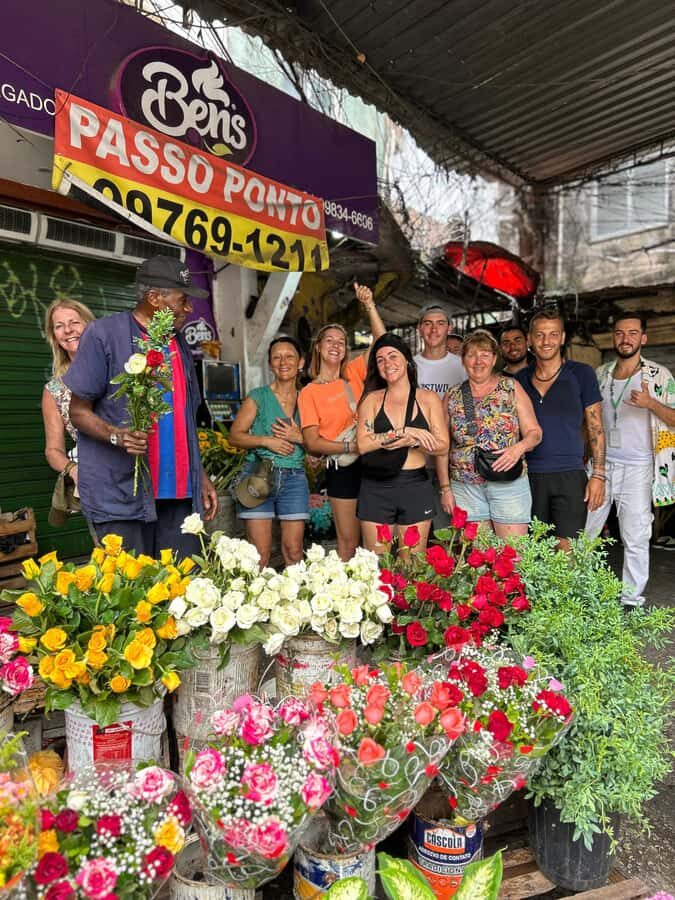
You’re not only watching creativity; you’re meeting it in a purchasing context. It’s also a practical moment—your guide can suggest what to look for, and you can support directly through small buys if you want.
If you like tours where you leave feeling like you talked to real people, this “stop-by-stop with purpose” approach is a big reason the experience gets strong ratings.






The Public Library Pause: A Meaningful Detour
One of the most thoughtful components is a visit to the public library when open. This isn’t guaranteed every day, but when it is, it changes the emotional tone of the walk.
Instead of everything being loud and outward-facing, the library stop gives you a quiet lens on what the community values. It’s the kind of pause that makes the rest of Rocinha feel more connected—like you’re seeing not only how people live, but also what they build for the future.
If the library isn’t open, you can still expect guided storytelling to fill the time, but the library visit is the moment that feels especially grounding when it happens.
Views Over Rio: Where Your Camera Actually Helps
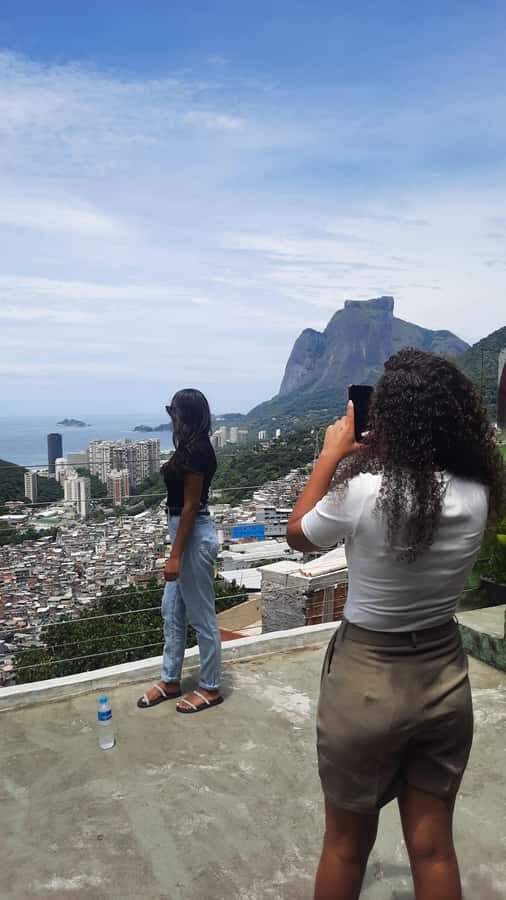
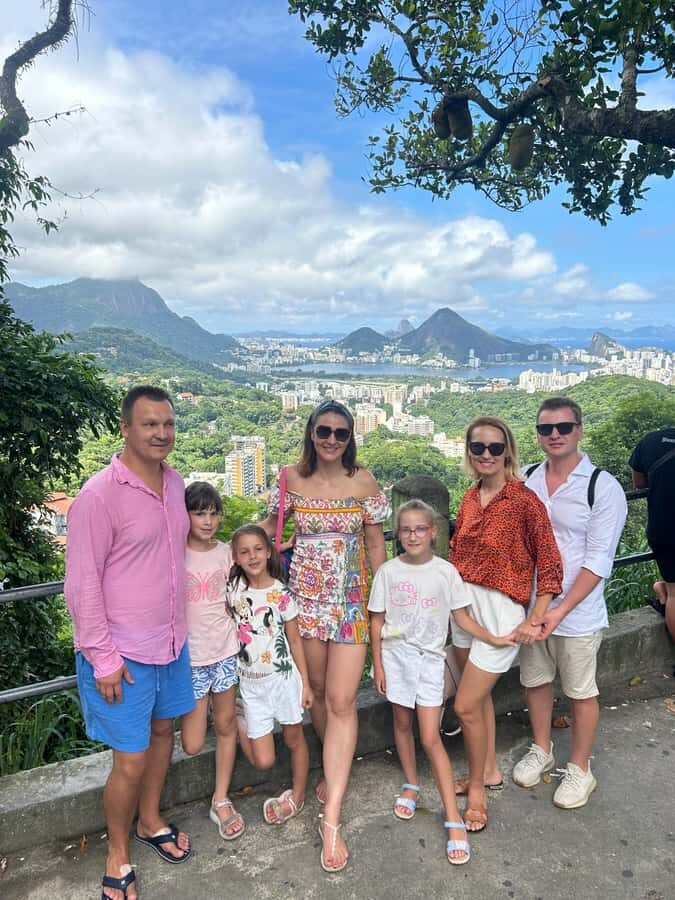
This tour includes beautiful viewpoints over Rio, and you’ll get camera-friendly moments along the route. That might sound like a generic line, but it matters because favela viewpoints are not just postcard angles—they show how neighborhoods sit on slopes and how streets stitch into the wider city.
You’ll hit photo stops at multiple points, including the early segment and the dance-focused section. Bring your phone and camera, and also bring the patience to frame slowly. Your guide will likely steer you to safe spots for photos and help you avoid blocking foot traffic.
The practical tip: keep your lens wiped. Even on clear days, you can get dust or humidity, and you’ll want your shots to stay sharp.
Homemade Black Coffee and Local Shop Stops
Food and drinks are not included as part of the tour package, so you should plan snacks or budget for purchases. Still, this experience often includes homemade black coffee. That’s a warm, human touch after walking and a nice way to slow down with your guide and the group.
You’ll also stop at local shops and markets, and your guide will share tips for local food and drinks. Shops and restaurants accept credit cards (according to the tour notes), which helps if you don’t want to carry much cash beyond what’s needed for moto-taxi.
This is where the tour’s “connect” mission gets practical. You’re learning what’s worth buying, how locals eat day to day, and what to try without feeling like you’re hunting blindly on your own.
Social Projects and Donations: How to Help Without Making It Weird
The tour includes a visit to a social project, and donations are welcome. This is one of those areas where you’ll want to follow your guide’s lead. If you’re interested in contributing, ask how the donation is handled and what the funds support. Keep it simple, keep it respectful, and don’t turn it into a photo opportunity unless your guide confirms it’s appropriate.
The value here is that you’re seeing community work firsthand rather than hearing about it from far away. It also helps you understand why your guide’s stories carry weight: these aren’t just cultural notes, they’re connected to real efforts on the ground.
Dance and Football With Local Youth: The Moment You’ll Remember
If you want one part of the tour that feels most different from standard walking sightseeing, it’s the time with local youth. The itinerary includes a friendly time to learn to dance or play football, which turns the walk into an interaction.
This is also where the women-led, locally raised guide approach really matters. In recent feedback, guides were described as caring and passionate, and that caring shows up most when your guide is negotiating attention—helping youth feel comfortable, helping you participate without stealing the spotlight.
You don’t need to be athletic. You’ll get simple guidance and a chance to join in at a friendly level. Even if you’re terrible at the steps, it’s the kind of shared laughter that makes the day feel worth the money.
Time on the Clock: How Long It Really Takes
Your booking shows a 2-hour tour duration. At the same time, other notes describe the walking tour as lasting about 2 hours and 30 minutes. In real life, that kind of range is normal because rain, crowd flow, and how the guide adjusts for the group can change the pace.
Either way, plan a flexible morning or afternoon. Wear shoes that can handle uneven ground and frequent stops. You’ll be walking enough that you’ll want comfort over style.
Price and Value: The Real Reason It’s Worth $42
At $42 per person, this tour isn’t a bargain bus ride. It’s paying for a local guide who knows the neighborhood intimately, plus organized stops that include a mix of community spaces, street art, and youth interaction.
Here’s the value breakdown in plain terms:
- You get a bilingual local guide (English, Portuguese, Spanish), which saves you from misunderstanding what you’re seeing.
- You get guided walking plus a structured set of stops (photo moments, library when open, market time).
- You get community connections like the social project visit and youth dance/football time.
- You get support elements like restroom access along the way and location tracking via local guide and resident associations.
If you’ve ever felt disappointed by tours that feel like a slideshow with a guide voice in the background, this one is designed to feel personal and active. That’s why many people leave with stronger memories than they expected.
Safety and Practical Comfort: What I’d Plan For
This tour includes real-time location tracking through the local guides’ association and the residents’ association. That’s not just a nice-sounding feature—it’s a signal that safety and coordination are taken seriously by people who live in the area.
Still, you should treat this like any responsible city walking experience: stay with the group, follow the guide’s instructions, and don’t wander for extra photos. The terrain can feel steep, and moto-taxi rides add a bit of physical excitement.
Come prepared:
- light, comfortable clothing
- a hat or cap
- insect repellent
- camera/phone
- cash for the moto-taxi (about R$10 per person) and any optional add-ons
Rain or shine means you need a plan for wet streets. If you don’t like the idea of walking in drizzle, bring a light rain layer and expect the route to continue.
Who Should Book This Rocinha Walk?
This tour is a great match if you want a Rio experience with real human context. It works especially well for:
- people who like guided conversation more than big monuments
- small groups or couples who want a personal pace
- visitors who want street art and city views, but also want community-focused stops
- travelers curious about how neighborhoods function day to day
If you want a low-effort, mostly flat walking tour, this might be less comfortable. The combination of slope and narrow streets means you should be ready for a hands-on walk.
Should You Book This Rocinha Walk With Women Leading the Way?
Yes, I’d book it if you want to see Rocinha as a lived community, not a spectacle. The tour’s strongest ingredient is the guide-led storytelling, backed by practical community stops like street art, markets, a library when open, a social project, and youth dance or football.
Do it with the right expectations: bring comfortable shoes, plan for a bit of steep walking, and remember that food isn’t included beyond the homemade coffee. If you’re ready for a more personal neighborhood experience, this tour is one of the most meaningful ways to understand Rocinha quickly and respectfully.
FAQ
How long is the tour?
The tour is listed as 2 hours, and the walking portion is described as lasting about 2 hours and 30 minutes.
How much does it cost, and what do I get for the price?
It costs $42 per person. You get a bilingual local guide, a walking tour through Rocinha, and scheduled stops that can include street art, local shops/markets, a public library visit when open, homemade black coffee, a social project visit, and time with local youth for dance or football. Food and drinks are not included.
Is the moto-taxi ride included, and do I need cash?
You’ll take a moto-taxi to the first stop. The notes say to bring cash (about R$10 per person) for the moto-taxi ride. Some information also lists it as included, so bring the cash to avoid any confusion.
Is there a library stop and when does it happen?
There’s a visit to the public library when open. If it’s open during your tour time, you’ll include that stop.
What languages is the guide available in?
The live guide offers English, Portuguese, and Spanish.
Are there restrooms during the tour?
Yes. The tour includes access to restrooms along the way.