REVIEW · RIO DE JANEIRO
Guided Tour in Tijuca Forest with transfer
Book on Viator →Operated by Rio Carioca Tour Ltda · Bookable on Viator
Tijuca Forest is Rio’s green breath in a half day. This guided tour takes you from scenic lookouts like Vista Chinesa down to waterfalls and the quiet trail zones of Floresta da Tijuca, where you learn how the area bounced back after old coffee and sugarcane plantations. I like that it’s a tight 4-hour format (not a full-day slog), and I like the mix: city panoramas plus real forest time with chances to spot butterflies, monkeys, and other wildlife.
One thing to plan around: park access can depend on capacity. In at least one experience, the forest portion didn’t happen as expected because it was full, so I’d make a point of confirming you can enter the forest area before you commit your time and energy.
In This Review
- Key Highlights You’ll Actually Feel
- Why Tijuca Forest Feels Like a Reset From Rio
- The Value: $67 for a 4-Hour Forest Walk With Transfer
- Meeting Point in Copacabana: Getting Started Smoothly
- Vista Chinesa: First Views and Photo Orientation
- Cascatinha Taunay Waterfall: Short, Scenic, and Fresh
- Capela Mayrink: A Pink Landmark With a 1860 Story
- Floresta da Tijuca: Wildlife, Butterflies, and the Reforestation Lesson
- Photo and wildlife expectations (and the one concern)
- Group Size, Walking Pace, and How the Tour Stays Manageable
- Morning vs Afternoon: Choose Based on Your Day Rhythm
- What to Bring for a Comfortable Forest Day
- Who This Tour Suits Best (and Who Might Skip It)
- Should You Book This Tijuca Forest Tour?
- FAQ
- How long is the guided Tijuca Forest tour?
- Is hotel pickup included?
- Does the tour include admission tickets?
- Is lunch included in the price?
- How big is the group?
- What should I bring?
- Do children need ID?
- What’s the cancellation rule if weather changes?
Key Highlights You’ll Actually Feel
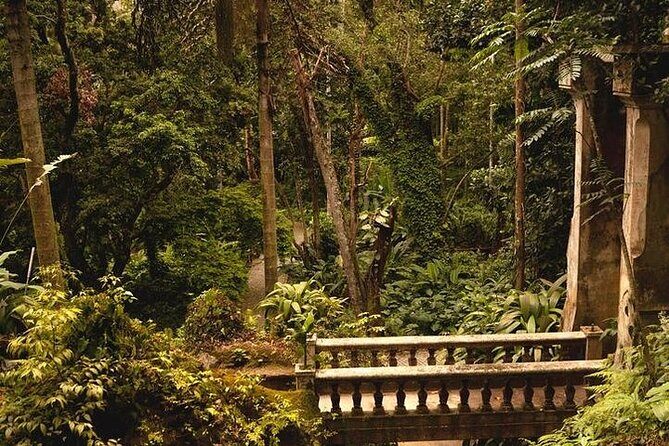
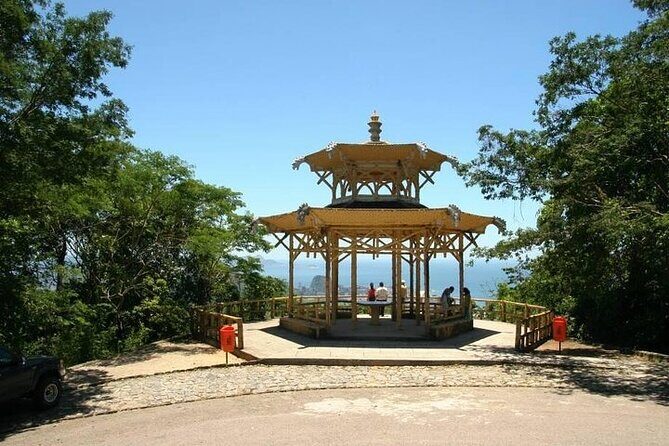
- Vista Chinesa viewpoint: a classic southern Rio overlook for photos and orientation
- Cascatinha Taunay waterfall stop: a short, refreshing break with rugged rock and a calm pool
- Mayrink Chapel (1860) with pink structure: a story-focused stop that breaks up the walk nicely
- Floresta da Tijuca wildlife time (2 hours): squirrels, monkeys, porcupines, foxes, armadillos, plus tons of birds, reptiles, and butterflies
- Small groups (max 19 per vehicle): easier to manage on short walking segments
- Round-trip transfer from select areas: saves you from coordinating rides during a half-day schedule
Why Tijuca Forest Feels Like a Reset From Rio
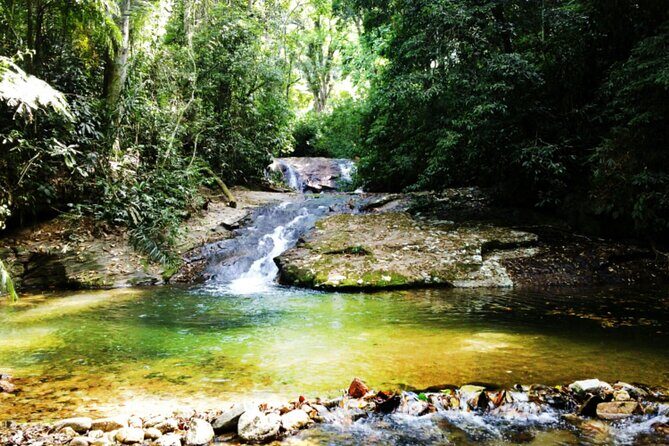
Rio can move fast—sun, noise, traffic, and plans stacked on plans. Tijuca National Park is different. It’s a lush pocket just outside the city center where the air feels cooler and your senses shift from city sights to living forest details.
What makes this tour a good fit is that you don’t only “go look at trees.” You get staged stops: a high viewpoint early on so you understand where you are in relation to Rio, then a waterfall break, then a small chapel with a human story, and finally a real forest block where wildlife and reforestation efforts are part of the narrative.
You can also read our reviews of more guided tours in Rio de Janeiro


The Value: $67 for a 4-Hour Forest Walk With Transfer
At $67 per person for about 4 hours, this is priced like an efficient guided half-day—especially with air-conditioned vehicle transfer included. You’re paying for three things you’d otherwise juggle: a guide’s explanation, transport to a forest area that isn’t always simple to reach quickly, and a structured itinerary that keeps the day from turning into “let’s wander and hope.”
The tradeoff: there’s no lunch. If you book this as part of a packed Rio itinerary, plan to eat before or after (and bring energy for walking). Also, the tour assumes you’ll get value from shorter stops and a guided pacing style rather than a long, deep hiking day.
Meeting Point in Copacabana: Getting Started Smoothly
The tour starts at Hotel Rio Othon Palace in Copacabana (Av. Atlântica, 3264 – 5º andar). The activity ends back at the same starting point, so you’re not solving a transportation puzzle at the end.
Pickup is offered from select area hotels, and you’ll need to confirm the pickup time based on your exact hotel location. The key detail here is that the vehicle capacity is max 19 people, which matters in a city where cramped transfers can turn a short day stressful. This setup usually feels more comfortable and easier for your guide to keep track of everyone.
Vista Chinesa: First Views and Photo Orientation

Your first stop is Vista Chinesa, a viewpoint with a gazebo-style overlook that looks toward southern Rio. Even if you’re not a “big panorama” person, I think this stop is worth it because it gives you a mental map fast.
You’ll have about 30 minutes here, and it’s a good window to:
- orient yourself to the coastline and city layout
- get photos without rushing
- reset your energy before the forest walking starts
One practical note: it’s a viewpoint, so you’ll want sunglasses and sun protection. The tour recommends sunglasses, sunscreen, and hats, and that advice makes sense here as much as anywhere.
Cascatinha Taunay Waterfall: Short, Scenic, and Fresh
Next up is Cascatinha Taunay. This stop is built around a waterfall that tumbles over rugged rock and drops into a calmer pool below. You’ll get another 30 minutes, which is long enough to enjoy the moment, but short enough that the rest of the day doesn’t drag.
What I like about this kind of stop is how it changes your tempo. In a city, you often rush from highlight to highlight. Here, the waterfall stop feels like a palate cleanser—fresh air, sound of water, and a break from the hotter pavement rhythm you may have been dealing with around Rio.
You can also read our reviews of more tours and experiences in Rio de Janeiro






Capela Mayrink: A Pink Landmark With a 1860 Story
Then you’ll stop at Capela Mayrink, built in 1860, known for its pink structure. You’ll hear stories about the Mayrink family nearby.
This is a clever part of the itinerary because it’s not just “more nature.” It’s a cultural pause that gives context to the area around the park—especially relevant in a tour that later talks about how the forest was restored after human land use (coffee and sugarcane plantations). Even if you only catch a few details, this stop helps the day feel connected instead of a list of separate attractions.
Expect about 30 minutes here. It’s long enough for photos and a short explanation, not so long that you feel stuck when you’d rather keep moving.
Floresta da Tijuca: Wildlife, Butterflies, and the Reforestation Lesson
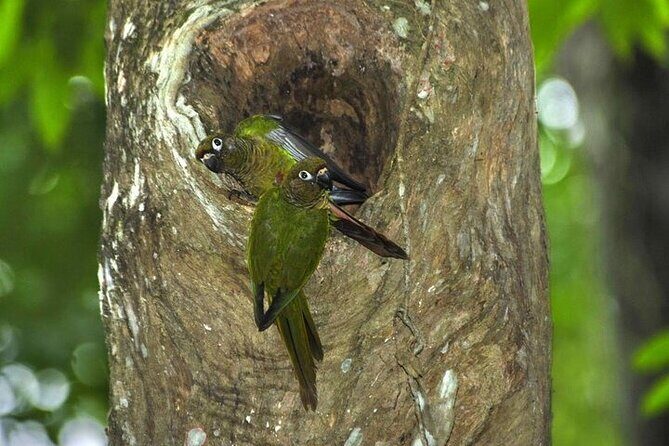
This is the heart of the tour. Floresta da Tijuca is where you spend about 2 hours, and it’s described as a habitat for small animals like squirrels, monkeys, porcupines, foxes, and armadillos. You may also see lots of butterflies, birds, and reptiles.
The tour also shares the bigger story: the forest was destroyed by coffee and sugarcane plantations, and then the area was reforested. That matters because it turns the scenery into a living lesson. You’re not only looking at greenery; you’re hearing how this landscape came back—and what it means when nature is rebuilt, not just preserved.
Photo and wildlife expectations (and the one concern)
Wildlife spotting is never a guaranteed checklist. What you can count on is time in the forest zone, guided attention, and a focus on spotting. You’ll get chances to look closely at small movements: the kind of details you miss if you’re just walking on your own.
But I can’t ignore the key caution: access can depend on capacity. One experience included a situation where the forest part didn’t happen the way it should have because the forest was full. That’s not something you can control, but you can control how you approach it. Before leaving for the tour day, ask for confirmation that you’ll be able to enter the forest area as planned—especially if you have limited time in Rio.
Group Size, Walking Pace, and How the Tour Stays Manageable
With a maximum of 19 people per vehicle, this tour avoids the chaos of huge buses. Smaller groups typically mean:
- fewer missed turns or delays
- less waiting during stops
- a better chance your guide can answer questions in the moment
The tour is about 4 hours total, so the pacing is practical: short stops for viewpoints, waterfall, and chapel, then a longer forest block. If you’re hoping for a long, demanding hike, this likely won’t be your match. If you want a guided nature experience that fits into a normal Rio schedule, it’s designed for that.
Morning vs Afternoon: Choose Based on Your Day Rhythm
You can choose either a morning or afternoon tour time. Since the tour is weather-dependent, your decision may also come down to what you expect from the forecast on your travel days.
A morning tour can be nice if you want the rest of the day open for beaches, neighborhoods, or a second activity. An afternoon tour can work if your mornings are busy with other must-dos and you prefer to end the day with a calmer, greener experience. Either way, it’s still only about 4 hours, so it won’t hijack your entire schedule.
What to Bring for a Comfortable Forest Day
You don’t need a wilderness kit, but you do need to be comfortable. The tour recommends:
- comfortable shoes
- sunglasses
- sunscreen
- hats
That’s exactly what I’d plan around for a Rio day: sun and uneven surfaces can be the biggest discomfort drivers, especially when you’re switching between a viewpoint, a waterfall stop, and forest paths.
Who This Tour Suits Best (and Who Might Skip It)
This tour is a strong fit if you want:
- a guided forest experience close to the city
- a mix of views, water, and a reforestation story
- chances to spot wildlife like monkeys and butterflies
- a half-day plan with transfer included
It may be less ideal if:
- you’re expecting a deep hiking day with tons of time in one place
- you’re arriving in Rio with very tight scheduling and can’t tolerate a chance the forest portion could be limited by capacity
- you’re hungry right after the walk (since lunch isn’t included)
Most travelers can participate, but wear the right shoes and treat it as a walking tour with several stops rather than a slow stroll with endless lingering.
Should You Book This Tijuca Forest Tour?
I’d book it if you want an efficient, guided taste of Tijuca National Park that combines Rio viewpoint energy with real forest time. The format is smart for visitors: you get the city orientation early, then the day shifts into waterfalls, a cultural pause at Capela Mayrink, and finally a longer Floresta da Tijuca segment focused on wildlife and the reforestation background.
The one reason to hesitate is also the most important: forest access can depend on capacity. If your schedule is tight, I’d request confirmation that you’ll be able to enter the forest portion as planned. If you’re flexible and you’ll enjoy the overall itinerary even with a few surprises, this can be a very rewarding way to see a different side of Rio.
FAQ
How long is the guided Tijuca Forest tour?
It runs for about 4 hours (approx.), with multiple stops along the way.
Is hotel pickup included?
Pickup is offered from select area hotels, and the tour starts at Hotel Rio Othon Palace in Copacabana. You’ll need to confirm the pickup time based on your hotel location.
Does the tour include admission tickets?
Admission tickets are listed as free for the stops on the itinerary.
Is lunch included in the price?
No. Lunch is not included.
How big is the group?
Maximum capacity per vehicle is 19 people, and the overall activity has a maximum of 100 travelers.
What should I bring?
The tour recommends comfortable shoes, sunglasses, sunscreen, and hats.
Do children need ID?
Yes. ID or a copy is mandatory, including children.
What’s the cancellation rule if weather changes?
You can cancel for a full refund up to 24 hours before the experience starts. The tour also requires good weather; if canceled due to poor weather, you’ll be offered a different date or a full refund.