REVIEW · RIO DE JANEIRO
Food Tour Experience in Rio de Janeiro – Private Tour
Book on Viator →Operated by Rio Alternative Tour · Bookable on Viator
Rio tastes better with a plan in motion. This private food tour strings together markets and famous neighborhoods, so you get both bites and context in one 5 to 6 hour loop. I like the way the guide handles ordering for you, and I also like that you get air-conditioned comfort while moving between stops.
What makes this experience especially useful is how much ground it covers without feeling rushed: you’ll pair food with architecture and city history, from Santa Teresa’s creative streets to downtown landmarks like Candelária Church and the Royal Portuguese Reading Room. And because the guide is doing the logistics, you can focus on eating and asking questions that you’d normally struggle with in Portuguese.
One thing to keep in mind: the market stop can shift by day and neighborhood, so the exact sequence of sights can vary a bit. Also, expect some walking and standing, since a big part of the fun is exploring neighborhoods on foot.
In This Review
- Key Highlights You’ll Feel Fast
- Rio Food Tour Value: What You Really Get for $175
- Pickup, Air-Conditioning, and a Route That Moves Without Stress
- Farmers Markets in Rio That Change Neighborhoods (and How to Use That)
- Santa Teresa and Escadaria Selarón: Art, Stairs, and Snacks
- Arcos da Lapa to the Port Area: From Colonial Water to Museum Thinking
- Candelária Church and the Royal Portuguese Reading Room
- Saara, Confeitaria Colombo, and Centro Cultural Correios
- The Metropolitan Cathedral, Valongo Wharf, and Baroque Church Detail
- National Museum of Fine Art and Brazil’s National Library
- Farmers Markets in Copacabana and Ipanema, Plus Theatro Municipal
- Should You Book This Private Food Tour?
- FAQ
- How long is the Rio food tour?
- How much does the tour cost?
- Is the tour offered in English?
- Is pickup included?
- How many people are in the group?
- What if I have food allergies or dietary restrictions?
- Can I cancel and get a full refund?
Key Highlights You’ll Feel Fast
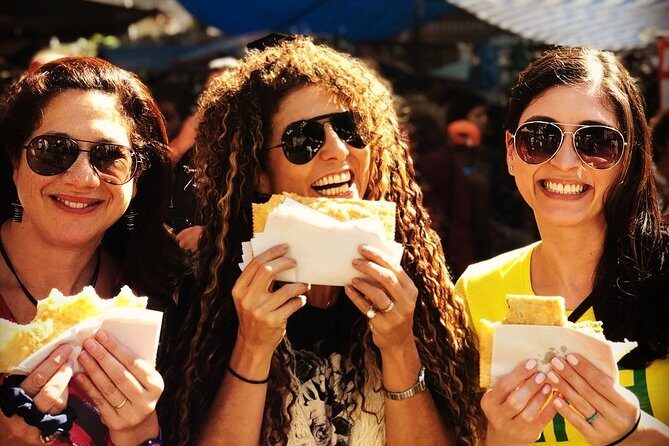
- Guides handle ordering so you spend less time guessing and more time tasting
- Air-conditioned transport helps you stay comfortable in Rio’s heat
- Markets in different neighborhoods keep the tour flexible and very local
- Santa Teresa + Escadaria Selarón pairs food breaks with one of Rio’s most photogenic stairways
- Port Area art and museums connect what you eat to what the city celebrates
- Small group size (max 15) makes it easier to ask questions and keep the pace human
Rio Food Tour Value: What You Really Get for $175
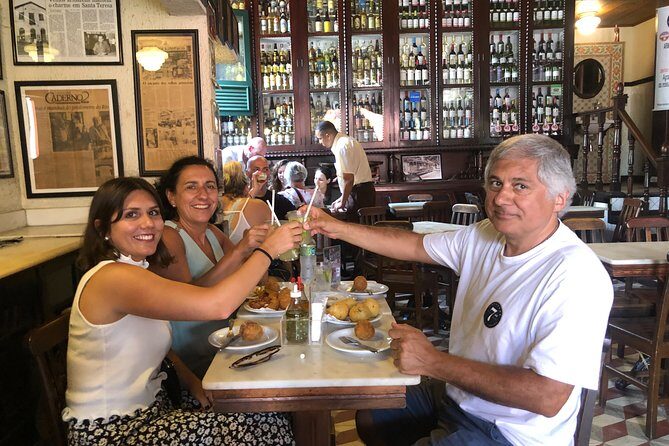
At $175 per person for about 5 to 6 hours, this tour isn’t just about samples. You’re paying for a guide-led route through multiple food moments plus major landmarks, with pickup offered and transport included. In practical terms, that means less time figuring out where to go, what to order, and how to fit everything into a first visit.
I especially like the “two birds” approach. Food stops are the main event, but the guide also points out what you’re seeing: colonial and neoclassical buildings, port-area history, and why certain neighborhoods feel the way they do. You don’t need to be a history nerd to enjoy this, because the city stories connect directly to the places where you stop to eat.
The best value play here is for people who want structure without a rigid checklist. If you want a smooth first day in Rio—markets, neighborhoods, classic sights—this tour is built for that. If you already have a fixed food itinerary and you only want one neighborhood, you might feel the cost is less justified.
You can also read our reviews of more food & drink experiences in Rio de Janeiro


Pickup, Air-Conditioning, and a Route That Moves Without Stress

Rio can be deceptively tiring. Heat, traffic, and long distances add up fast. This tour counters that with air-conditioned comfort while you’re traveling between neighborhoods, plus pickup offered. That matters because your “vacation energy” is limited, and food tours work best when you’re not drained before the good stuff starts.
Another smart detail: it’s offered in English, and the guide helps you order. That’s not just convenient—it changes the quality of the meal. When you can ask what something tastes like, how it’s made, and what locals actually choose, you stop treating food like a guessing game.
Group size is capped at 15, which keeps the experience from turning into a human traffic jam. In the best-case scenario, you’ll also have time for questions. In past tours with guides like Vicente and Luli, guests called out how much they learned about life in Rio, not just food.
Wear comfortable shoes. Even if you’re not doing a heavy hike, you’ll be on your feet enough that sneaker-level comfort will pay off.
Farmers Markets in Rio That Change Neighborhoods (and How to Use That)
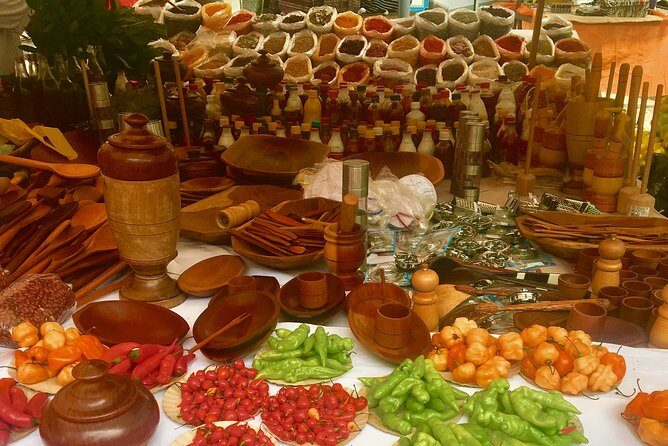
One of the most “Rio” parts of this tour is that the farmers market varies by day and neighborhood. That means you’re not always seeing the same stalls in the same place, which keeps the food genuinely tied to local rhythms rather than a scripted tourist route.
In practice, this kind of flexible market stop is perfect for two types of visitors:
- First-timers who want a snapshot of what locals buy and snack on
- Food lovers who care about variety more than checking off a fixed menu
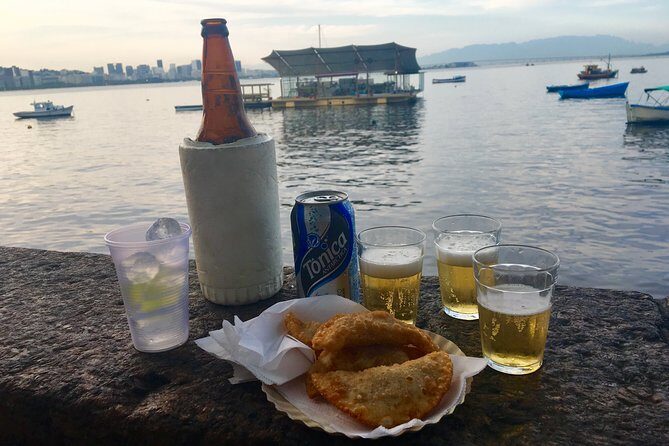
You might try things like artisanal cheese and coconut treats, and in some runs guests have mentioned a tapioca-style pizza and other market favorites. If the tour reaches a fish market segment, you may also find heartier plates like crab stew or shrimp options, plus local draft beer in the mix.
Because the neighborhood can change, your exact food list can shift too. That’s a drawback only if you need predictability. If you’re open to what’s available and seasonal, this becomes a strength: you’ll taste what’s actually happening that day.
Santa Teresa and Escadaria Selarón: Art, Stairs, and Snacks
Santa Teresa is where Rio shows off its creative side. On this route, it functions as both a food stop and a neighborhood walk, with art studios and a distinct vibe that earned it a nickname connected to Montmartre. You’re not just eating here—you’re also getting a sense of why people love to wander these streets.
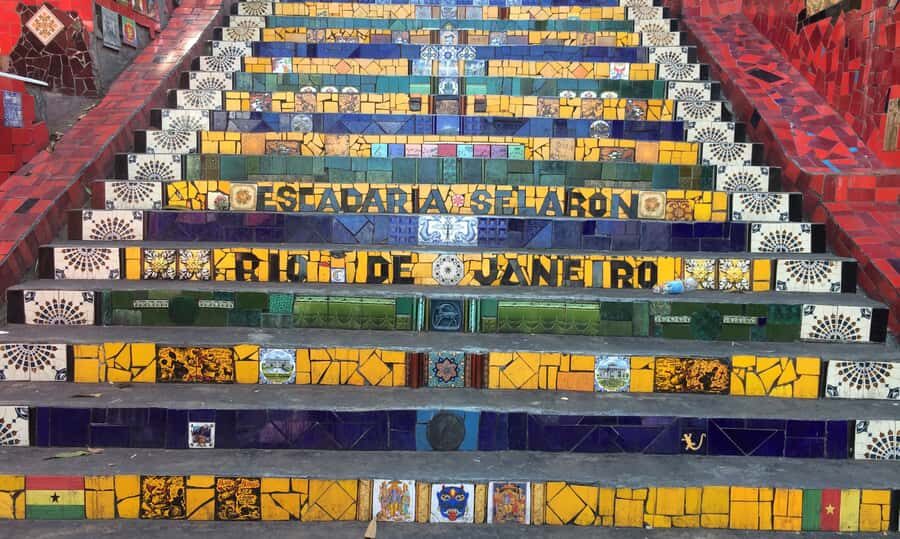
Then there’s Escadaria Selarón, the famous stairway covered in tiles. This stop is more than a photo op. The guide helps connect the artwork to the story behind it, and there’s a 30-minute ticketed element included. That timing works well because you can slow down, look closely, and actually enjoy the details instead of rushing past.
One reason this combo works is that the tour balances elevated sight moments with grounded, edible moments. You’ll feel like you’re moving through Rio’s “public spaces” and its everyday food culture at the same time.
If you’re sensitive to stairs or uneven steps, note that you’ll be climbing and descending. You don’t need hiking legs, but your feet should be ready for classic Rio walking.
Arcos da Lapa to the Port Area: From Colonial Water to Museum Thinking
After Santa Teresa and Selarón, you head toward central-city landmarks that help you understand how Rio’s layout evolved. The Carioca Aqueduct—often called Arcos da Lapa—is a key example. Built in the 18th century to bring fresh water from the Carioca River, it’s one of those colonial-era engineering stories that makes the city feel older and more intentional than it looks at first glance.
Then you move into the Port Area, where the tone shifts to museums and modern interpretation of history. The port-area stops can include places like the Museum of Tomorrow, which focuses on sustainability and how humans will face big future challenges. There’s also the Museu de Arte do Rio (MAR), which looks at the city’s social fabric and how art reflects real conflicts and expectations over time.
What I like about pairing museums with food is that it changes your frame. You’re not just consuming snacks while looking at buildings. You’re learning what the city values, and why certain neighborhoods became cultural and commercial hubs.
In this zone, you may also see the Eduardo Kobra mural in Gamboa—one of the largest graphite mural works associated with a Guinness record, built with inspiration from the Olympic rings and associated with the name ethnic groups. It’s a strong visual moment, especially if you’re into street art.
You can also read our reviews of more tours and experiences in Rio de Janeiro





Candelária Church and the Royal Portuguese Reading Room
Downtown Rio is where religion, empires, and cultural institutions sit close together. Candelária Church is a major stop, and it’s built across a long span of time (from the late 1700s into the 1800s). You’ll see a mix of Portuguese colonial Baroque with later interior influences, which makes it a useful lesson in how styles layer over decades.
Next, you can step into a place that feels like a book lover’s dream: the Royal Portuguese Reading Room. It houses more than 350,000 volumes and has a legal-deposit system connected to Portugal’s publishing output. The building’s neomanuelino style and the facade influence tied to Lisbon make it feel like a cultural bridge rather than a random museum stop.
This part of the tour is ideal when you want a “slow” break from constant eating and walking. Even if you only spend a short time inside, you’ll get that sense of scale and purpose that makes you appreciate why certain institutions matter for a country’s identity.
Food-wise, it keeps the day balanced. You’re still touring, but you get cultural air—useful if you’re feeling overloaded by the sensory intensity of markets and streets.
Saara, Confeitaria Colombo, and Centro Cultural Correios
You’ll likely pass through Pólo Saara, described as a large open-air mall in Rio’s center. It’s made up of multiple streets with many stores, and it developed from small family businesses tied to immigrant communities. If you like people-watching and browsing, this is a good counterpoint to the formal museums.
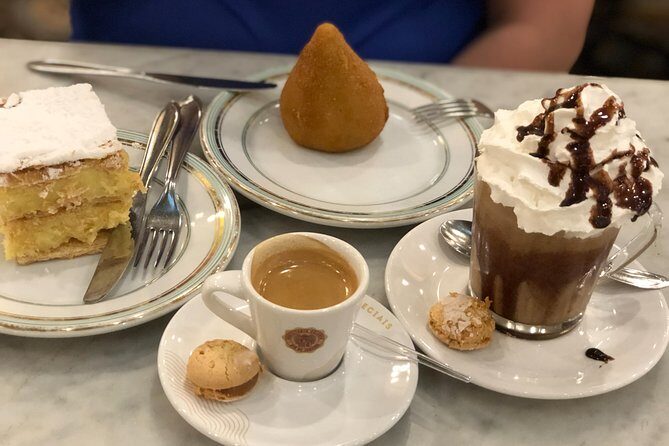
A key stop here is Confeitaria Colombo, known for its late-19th-century style and classic desserts. If you’re offered something like pastel de nata (custard tart), it fits the setting well because the place itself feels like a ceremony. Even if you skip dessert, the interior vibe alone helps you understand how old Rio catered to everyday rituals like coffee and sweets.
Another stop can include Centro Cultural Correios, where you’ll see a building tied to customs and later cultural programming. This part is good for visitors who want more than one type of cultural experience, since it connects architecture to events and performances.
Practical note: this section can include browsing and extra walking. Keep some room in your stomach, but also remember the tour is timed. You don’t want to turn every storefront into a full snack stop unless you’re okay with slowing the pace.
The Metropolitan Cathedral, Valongo Wharf, and Baroque Church Detail
If you like seeing different eras fight for attention in the same city, this section delivers. The Metropolitan Cathedral is an enormous concrete structure (built between the mid-1960s and late-1970s). Its interior is huge, and the stained-glass windows create a strong light effect as you look around.
Then there’s Valongo Wharf, tied to Rio’s port history. In recent excavations connected to port-area revitalization, wharves and archaeological layers were discovered, along with objects linked to Congo, Angola, and Mozambique. The site is part of a UNESCO world heritage framework process. This is the kind of stop where the guide’s explanation helps you connect what you see to human movement, trade, and survival.
You may also visit a Baroque church with major gilded wood work (1700s era). One memorable element is the small museum at the entrance connected to Ash Wednesday processions, including statues carried through the streets. The church’s ceiling artwork is described as a notable early example of perspective in Brazilian art. Even if you’re not religious, it’s one of those places where craftsmanship earns your attention.
If you’re the type who gets “museum fatigue,” pace yourself here. I’d rather you enjoy fewer points than rush through all the details.
National Museum of Fine Art and Brazil’s National Library
Two major institutions can take up part of your route, and both are worth it if you like culture that’s tied to national identity.
The National Museum of Fine Art holds a large collection, including Brazilian masters from the 19th century and 20th-century artists, plus works by Eugène Boudin. It’s also described as having engravings by Carlos Oswald in a notable collection. This stop can be a great reset when your day is already full of food and city corners.
Next is the Brazilian National Library, an institution with a large heritage collection (described as around nine million items) and serious conservation facilities. It’s one of the oldest cultural institutions in Brazil and recognized by UNESCO in the context of national libraries. Even a short visit here can change how you think about Brazil beyond street-level impressions.
This is also a good moment for you to slow down and hydrate. You’ll appreciate having a “cool space” break before you shift again into more moving parts of the day.
Farmers Markets in Copacabana and Ipanema, Plus Theatro Municipal
Depending on the day’s route, you might hit farmers markets in areas like Copacabana and Ipanema. That’s a nice bonus if you want to compare neighborhoods by what people buy and eat, even though Rio keeps its flavors consistent at the core.
If your timing includes it, Theatro Municipal can be a standout cultural close. The architecture is tied to Paris’s Opera Garnier, and materials were imported from Europe for construction in the early 1900s. The opening was held on Bastille Day, which is a fun detail if you like when local history links to European dates.
The guided visit focuses on the auditorium, staircase, vestibule, and even the basement. If you love architecture, this can be a satisfying final chapter after market and museum stops—especially because it turns Rio’s food-day into a full-on cultural day.
Should You Book This Private Food Tour?
Book it if you want a smart first-day plan that covers food plus major Rio sights without you having to research five different neighborhoods. It’s also a good choice if you’d rather have your guide solve the language barrier and ordering part for you, especially when you want to try more items than you would on your own.
Skip it or reconsider if you:
- Need a fixed, unchanging itinerary with predictable food items every time
- Don’t want to walk enough to move through stairways and downtown areas
- Already have your own detailed food plan and restaurant reservations that match your exact tastes
For most visitors, though, this tour hits a practical sweet spot: it reduces stress, keeps you comfortable with air-conditioned transport, and turns eating into a guided way to understand Rio’s neighborhoods. If that’s your goal, this one earns a place on your schedule.
FAQ
How long is the Rio food tour?
The tour runs about 5 to 6 hours.
How much does the tour cost?
The price is $175.00 per person.
Is the tour offered in English?
Yes, it’s offered in English.
Is pickup included?
Pickup is offered.
How many people are in the group?
The tour has a maximum of 15 travelers.
What if I have food allergies or dietary restrictions?
You should inform the operator about your food allergy and dietary restrictions. Do this when booking so the team can plan food choices around your needs.
Can I cancel and get a full refund?
Yes. You can cancel up to 24 hours in advance for a full refund.