REVIEW · RIO DE JANEIRO
Rio de Janeiro Downtown Tour
Book on GetYourGuide →Operated by CARIOCA TROPICAL TOUR OPERATOR · Bookable on GetYourGuide
Rio’s downtown hits hard in three hours. In just 3 hours, this tour strings together iconic landmarks and old-school city streets—so you get the big picture fast. I especially like how the route mixes major monuments with real neighborhoods, not just a list of buildings, and how the Spanish/English guide can make the stops easier to understand. Some guides you might meet along the way, like Meilin or Monica, have a reputation for being warm and adjusting the day to what you’re interested in.
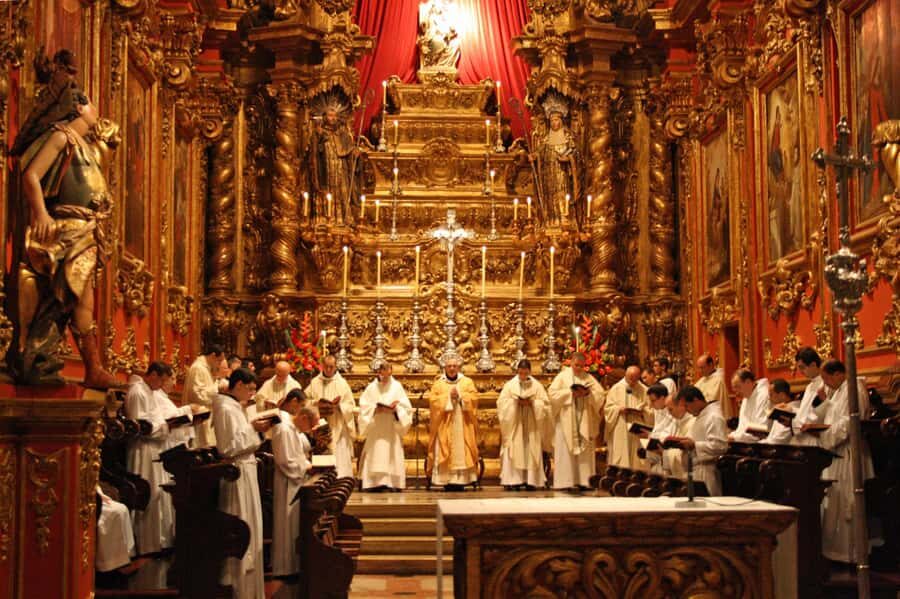
The part I like best is the architecture-and-Carnival combo. You’ll see the Maracanã Stadium with Bellini’s statue, then move to the Sambadrome—the parade arena that helps explain why Rio feels so theatrical. Later, you get the Metropolitan Cathedral and the São Bento Monastery, where the contrast between exterior restraint and interior decoration feels almost shocking.
One thing to consider: this is a short, mostly road-driven route, and Rio traffic can slow things down. If you’re hoping to stretch out on foot at every stop, you may feel the timing is tight and some views come through the minivan windows during transfers.
In This Review
- Key highlights at a glance
- Three hours of Downtown Rio, planned like a route—not a museum day
- Maracanã Stadium and the Sambadrome: where Rio’s big stages make sense
- Avenida Presidente Vargas and the palaces: the political backbone of the city
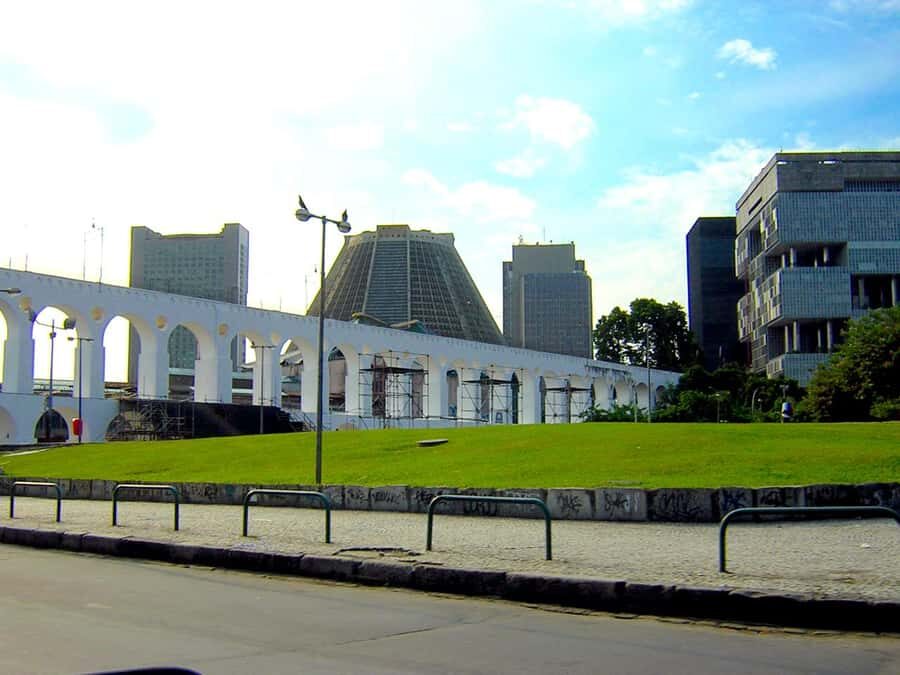
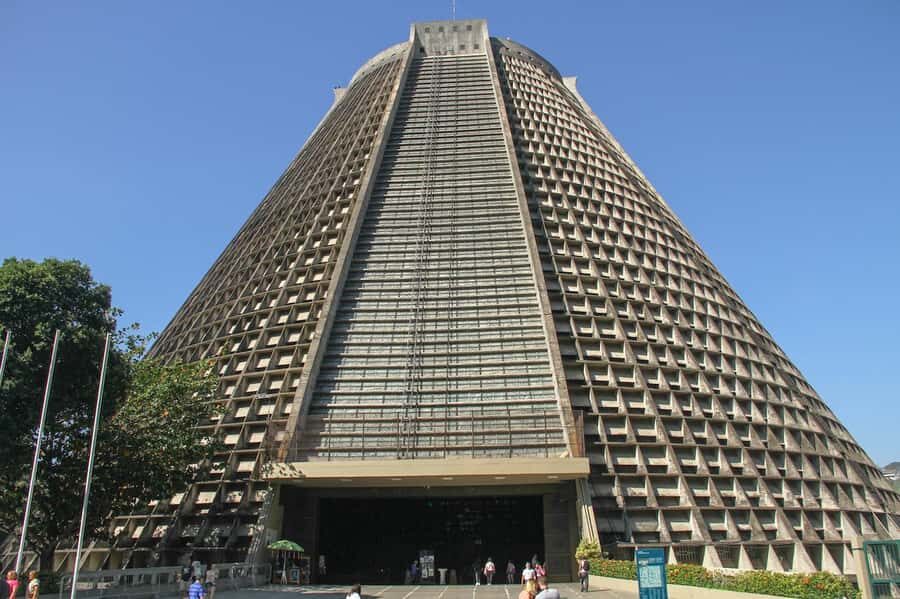
- Metropolitan Cathedral: cone-shaped modern art with a powerful interior
- Lapa and Escadaria Selarón: street color you can’t ignore
- São Bento Monastery: the exterior is simple; the interior does the talking
- The Aterro do Flamengo return: museums, memorials, and shoreline views
- Price and logistics: is $74 worth it for Downtown Rio?
- Who this tour is best for—and who should plan something else
- Should you book the Rio Downtown Tour?
- FAQ
- How long is the Rio de Janeiro Downtown Tour?
- Where does hotel pickup happen?
- What if my hotel isn’t in the pickup area?
- What time does pickup start?
- What languages are the guides?
- What transport is included?
- Is free cancellation available?
- What sights are included on the route?
Key highlights at a glance
- Maracanã Stadium and Bellini’s statue: a fast hit of Rio’s sports and cultural legend
- Sambadrome: understand the Carnival parade machine up close
- Avenida Presidente Vargas route: Central Railway Station and government palaces by the road
- Metropolitan Cathedral: a cone-shaped landmark with standout modern design
- Escadaria Selarón and São Bento Monastery: street art color + Baroque/Rococo interior detail
Three hours of Downtown Rio, planned like a route—not a museum day
Downtown Rio can feel chaotic, so I like how this tour is built as a practical circuit. You get hotel pickup from selected hotels in Leblon, Ipanema, or Copacabana, then you spend the afternoon in an air-conditioned minivan with a professional guide.
The duration is short enough that you’ll likely see everything as a first pass: you’ll marvel, take photos, and learn the stories behind what you’re looking at. The tradeoff is that you won’t have hours inside each site; it’s more about connecting the dots between places.
If you’re a first-time Rio visitor, or you want a “great hits” Downtown overview before choosing where to return, this kind of pace makes sense. If you want long, slow museum time or deep cathedral study, you’ll probably want a separate, dedicated visit later.
You can also read our reviews of more tours and experiences in Rio De Janeiro.



Maracanã Stadium and the Sambadrome: where Rio’s big stages make sense
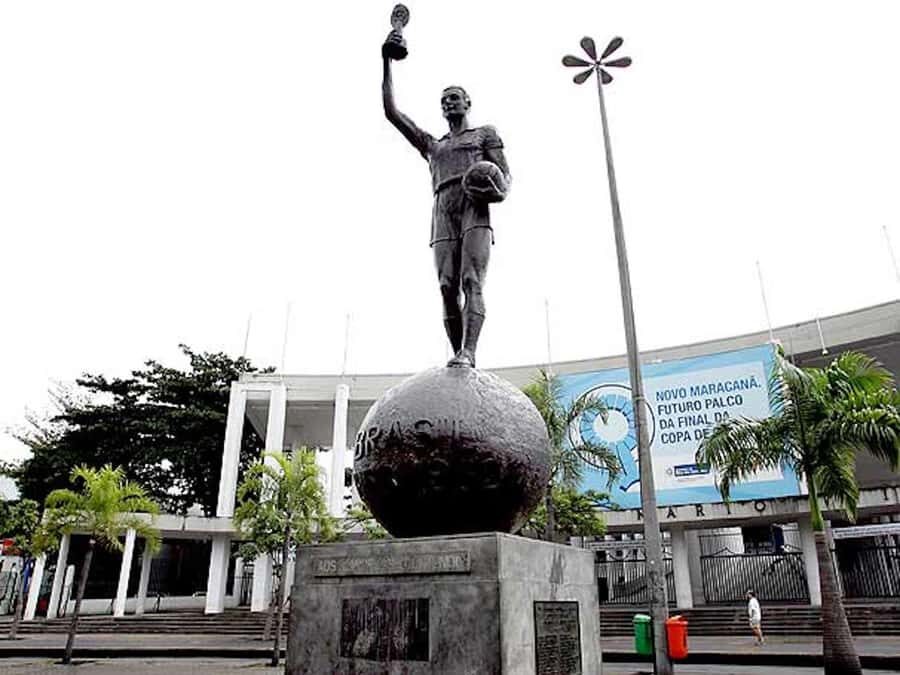
The tour begins with a visit to Maracanã Stadium, including Bellini’s statue. Even if you’re not a diehard soccer fan, this stop helps you understand why Maracanã is more than a venue—it’s a symbol people use to talk about Brazilian identity.
Right after, the route continues to the Sambadrome, the parade stadium for Rio’s main Carnival procession. Seeing the venue makes Carnival less like distant TV spectacle and more like a timed, engineered event: there’s choreography, crowd flow, and stage-scale planning behind the drama.
One practical note: these sites can be visually impressive even from a quick look, but your experience depends on how the schedule lines up. If you’re traveling with someone who wants to linger, you might feel the time is brief here too—still, it’s a smart pairing within 3 hours.
Avenida Presidente Vargas and the palaces: the political backbone of the city
After the stadiums, you’ll head along Avenida Presidente Vargas and catch a series of Downtown landmarks from the route. The Central Railway Station appears first, and it’s the kind of building that immediately signals how the city once powered itself through rail.
Next come the palaces tied to Brazil’s ministries: Duque de Caxias Palace (former headquarters of the Ministry of the Armed Forces) and Itamaraty Palace (former headquarters of the Ministry of Foreign Affairs). You’re not just looking at pretty facades—you’re looking at where decisions were made, and how the country’s institutions have a physical presence in the street grid.
The itinerary also includes stops and passing views around Campo de Santana and then onward via Avenida Passos to Tiradentes Square. You’ll then see the Lapa Arches and continue through areas like Lavradio Street and Avenida Chile.
Here’s what’s valuable for your planning: this portion helps you learn the “shape” of Downtown Rio. You start recognizing streets and corridors that connect the big sights, which makes independent wandering later easier. The downside is that transfers happen by road, so the timing can be impacted by traffic.
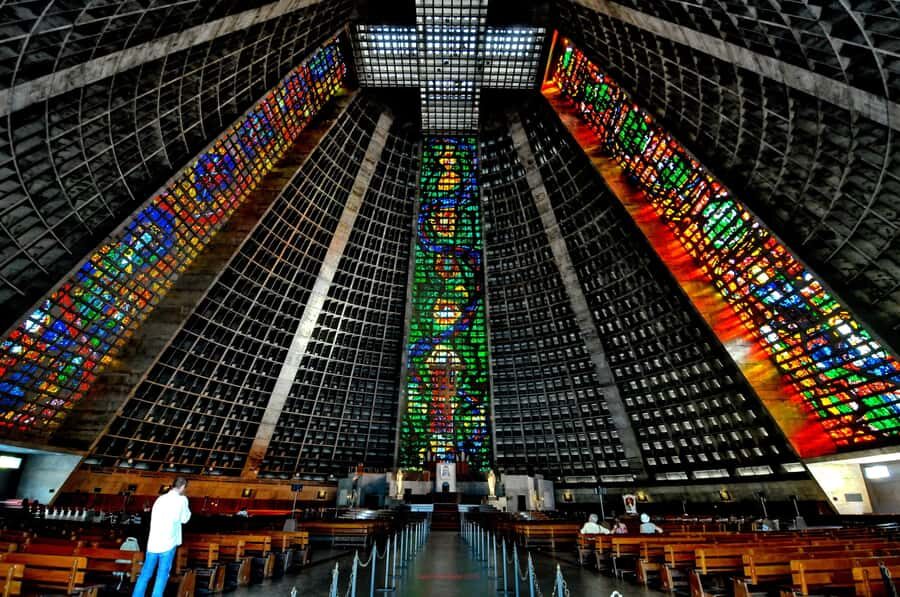
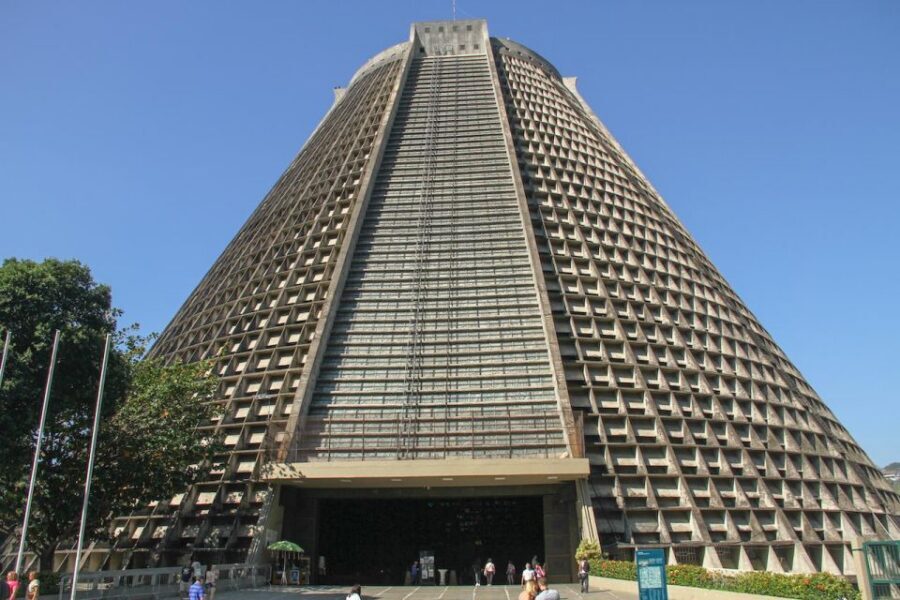
Metropolitan Cathedral: cone-shaped modern art with a powerful interior
The standout stop in this stretch is the Metropolitan Cathedral, described as cone-shaped and known as a modern-art masterpiece. Landmarks like this work well on a short tour because they give you a strong visual impression quickly.
What I like about this stop is the way it changes your expectation of what a cathedral can be. Instead of feeling like a museum piece from the past only, it feels like a statement about the present—how a city expresses faith, scale, and design in the same place.
If you want to remember just one architectural surprise from the day, this is a good candidate. Even if time is tight, you’ll usually leave with at least one photo-worthy moment and a clearer sense of why Rio’s Downtown mixes eras so casually.
Lapa and Escadaria Selarón: street color you can’t ignore
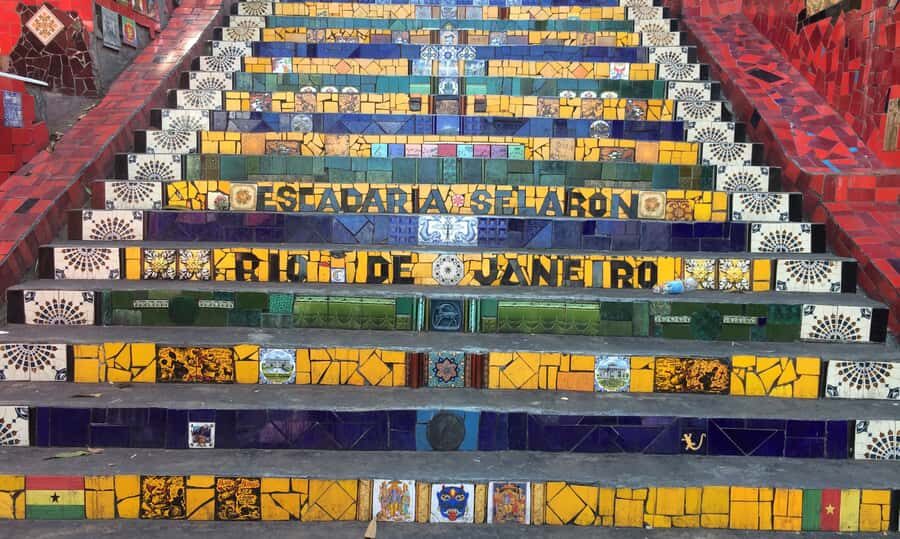
Then the tour shifts into the bohemian side of Downtown: Lapa and the Escadaria Selarón. The stairs are legendary for a reason. They’re the artist Jorge Selarón’s personal tribute to the Brazilian people, using the bright green, yellow, and blue associated with the Brazilian flag.
This is where the tour feels more human. You’re not only looking at a monument; you’re seeing a long-term art project you can stand in front of and experience as a living wall of color.
One tip for your visit: take a slow moment here, even if the schedule is fast. The stairs reward lingering. You’ll likely notice details you’ll miss if you treat it like a quick photo stop.
If you’re traveling with teens or people who enjoy offbeat street art, this is one of the most “everyone will like it” moments on the itinerary.






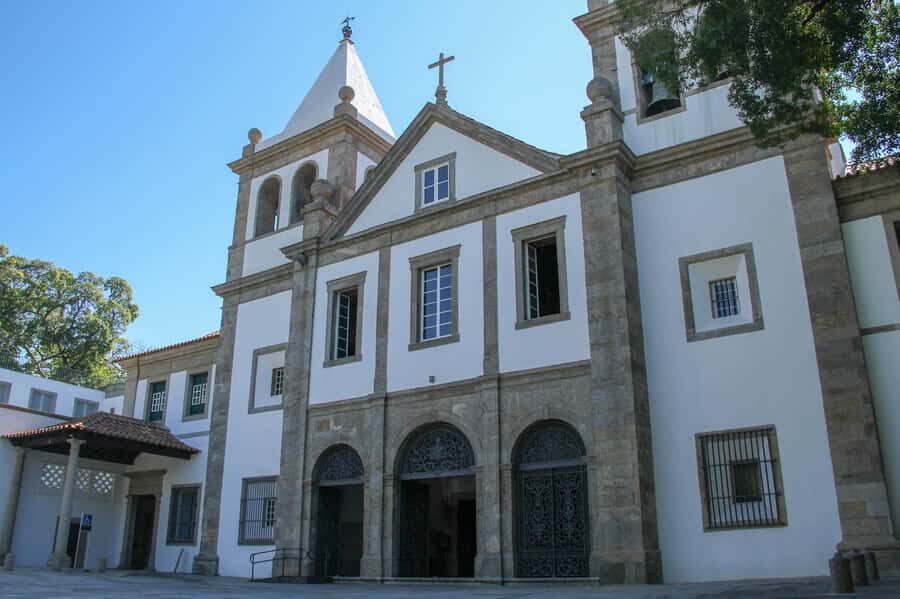
São Bento Monastery: the exterior is simple; the interior does the talking
The final major cultural stop before the return drive is the São Bento Monastery, often compared to a museum because of what’s inside. The exterior looks purposefully simple, but that restraint makes the interior feel even more dramatic.
The interior highlights include gilded Baroque engravings with plant motifs, plus Rococo style detail such as decorative engraving on the high altar. You’ll also notice elements like cross vaulting and the chapel of the Santíssimo Sacramento.
This is the kind of stop that makes sense on a short tour because it delivers a big emotional contrast. You see one thing from outside, then you step into a different world. It also helps you connect Rio’s Portuguese and Brazilian religious art traditions with the kinds of craftsmanship you otherwise might only find in larger museum stops.
If you’re sensitive to crowds or you prefer quiet spaces, keep in mind this is one of the day’s main attractions—so arrive ready to move efficiently while still taking a second to look up.
The Aterro do Flamengo return: museums, memorials, and shoreline views
On the way back, the minivan route follows Aterro do Flamengo. This gives you a smoother ride while also stacking in extra sights you might not connect with Downtown on your own.
You’ll pass by the Museum of Modern Art, the Monument to the Fallen in World War II, and the Church of Outeiro da Glória. The beaches along the route—Flamengo and Botafogo—also show up, which helps you understand how close the city center is to the water.
I like this part because it softens the pace after the architectural intensity. It’s also a helpful reality check: Rio is a coastal city, and even Downtown days can end with a sense of the shoreline.
If traffic is heavy, this return stretch can feel slow—though it’s still a good time to look out and connect landmarks to the surrounding neighborhoods.
Price and logistics: is $74 worth it for Downtown Rio?
At $74 per person for about 3 hours, the price looks fair on paper—especially because the tour includes a professional guide, small-group format, and air-conditioned minivan with hotel pickup and drop-off for selected areas.
Here’s the value equation I’d use:
- You’re paying for transportation so you don’t have to figure out Downtown routes yourself.
- You’re paying for guided context so the palaces, squares, and churches make sense quickly.
- You’re paying for a tight itinerary that hits stadium landmarks, Carnival infrastructure, and religious/arts stops in one afternoon.
The main reason the value can feel uneven is timing. If the day hits heavy traffic, you may feel you’re watching Downtown through windows between quick stops. That’s not a dealbreaker, but it does change what you get: less time per site, more time in transit.
For me, this tour is worth it if you want a smart overview and you’re willing to treat each stop as a “see it, get the story, move on” experience. It’s less worth it if you want long time on your feet at every location.
Who this tour is best for—and who should plan something else
This Downtown Rio tour works best for:
- First-time Rio visitors who want orientation without wasting half a day figuring out logistics
- People who like architecture and civic landmarks, not only beaches
- Travelers who enjoy seeing how Carnival spaces fit into the city’s broader layout
It may disappoint if:
- You’re the type who gets restless in a car for too long
- You prefer deep, slow visits inside each site rather than fast, structured stops
- You’re hoping for a “walk-everywhere” day rather than a guided circuit
Also, your comfort level with crowds matters. Stops like Escadaria Selarón and São Bento can attract a lot of attention, so be ready to move efficiently while still taking in what you came for.
Should you book the Rio Downtown Tour?
I’d book it if you want a high-impact Downtown snapshot with a guide who can explain what you’re seeing in Spanish or English, and you’re traveling from Copacabana, Ipanema, or Leblon. The mix of Maracanã, Sambadrome, Metropolitan Cathedral, Lapa’s stairs, and São Bento gives you a broad taste of Rio’s identity in one afternoon.
I wouldn’t book it if you strongly dislike traffic or you’re expecting lots of time inside each landmark. In that case, you’d probably get more satisfaction building your own itinerary around fewer stops.
FAQ
How long is the Rio de Janeiro Downtown Tour?
It lasts 3 hours.
Where does hotel pickup happen?
Pickup is available from selected hotels in Leblon, Ipanema, and Copacabana.
What if my hotel isn’t in the pickup area?
If your hotel is outside the pickup area, the meeting point is the Hilton Hotel Copacabana.
What time does pickup start?
Pickup is scheduled between 2:00 pm and 2:30 pm.
What languages are the guides?
The live guide is available in Spanish and English.
What transport is included?
You’ll travel by air-conditioned minivan, with transport included in the tour.
Is free cancellation available?
Yes. You can cancel up to 24 hours in advance for a full refund.
What sights are included on the route?
The tour includes Maracanã Stadium (Bellini’s statue), the Sambadrome, Avenida Presidente Vargas sights (including Central Railway Station, Duque de Caxias Palace, Itamaraty Palace, Campo de Santana, Tiradentes Square, Lapa Arches, Lavradio street, and Avenida Chile), the Metropolitan Cathedral, Lapa and the Escadaria Selarón, São Bento Monastery, and the return drive along Aterro do Flamengo with views of the Museum of Modern Art, the WWII monument, the Church of Outeiro da Glória, and the beaches of Flamengo and Botafogo.