REVIEW · RIO DE JANEIRO
Favela Tour The Original, Rocinha & Vila Canoas since 1992
Book on GetYourGuide →Operated by FAVELA TOUR · Bookable on GetYourGuide
Favela tours can feel human, not intrusive. This one is built to be non-voyeuristic, with you learning from the inside instead of watching from the outside. I also like that your visit is tied to local education projects, so your time has a clear purpose beyond photos.
You’ll get two very different views of Rio’s hillside communities: Rocinha up close, then Vila Canoas for comparison. The guides’ explanations help you connect the dots on how Brazil’s social contrasts actually show up in daily streets, businesses, and community spaces. A standout detail is the big-picture framing: there are close to 1000 favelas in Rio, and they’re home to about 20% of the city’s population—yet most people outside them never see how life works.
One possible drawback: access and logistics can shift, especially with specific language slots. For example, there’s at least one documented case where an Italian group didn’t enter Rocinha due to a local payment issue, and the day had to be adjusted—so plan to be flexible and confirm your tour directly.
In This Review
- Key things to know before you go
- The tour’s real pitch: respect over spectacle
- Picking up in Rio: South Zone hotel pickup that keeps things simple
- The short start at a local bar: orientation before the streets
- Rocinha on foot: residential alleys, commerce, and that view
- The craft center and what it means
- The community school: why this stop hits harder
- Panoramic views from the way up
- Vila Canoas: smaller scale, same human context
- Safety and tone: the organized format that matters
- Price and value: $33 for transport, walking, and social context
- What to wear, what to expect, and how to get the most out of it
- Who this tour fits best (and who should rethink)
- Should you book the Favela Tour from Rocinha to Vila Canoas?
- FAQ
- How long is the tour?
- Which favelas are visited?
- Where does pickup happen?
- Are there drop-off locations?
- Is transportation included?
- Is the tour mostly walking?
- What languages are available?
- Is it safe?
- What should I bring?
- Can I reserve and pay later?
- FAQ
- What happens if I need help confirming my booking in Rio?
- Is free cancellation available?
Key things to know before you go

- Rocinha and Vila Canoas: you’re not just doing a look-from-the-bus view.
- Mostly walking with lots of context, from residential alleys to commercial areas.
- Community school visit tied to Favela Tour support.
- Amazing panoramic views en route and on the hillside.
- Multiple pickup zones in Rio’s south (Leblon, Copacabana, Ipanema, São Conrado), with hotel pickup when available.
- An organized, guided format is part of staying respectful and safe.
The tour’s real pitch: respect over spectacle

This is the kind of tour that tries to fix the way outsiders usually talk about favelas. Instead of treating the neighborhood like a warning sign or an entertainment theme, the guide explains history, daily life, and the social systems around you. The tone matters: it’s socially inclusive and designed to make you feel welcomed, not like an intruder.
That framing changes what you notice. You stop thinking in stereotypes and start noticing the practical stuff: how people organize community projects, how commerce functions, and how residents have built homes and services on steep terrain.
You can also read our reviews of more tours and experiences in Rio De Janeiro.



Picking up in Rio: South Zone hotel pickup that keeps things simple

The tour is set up with pickup options that match where most visitors stay. You can typically start from Leblon, Copacabana Beach, Ipanema, or São Conrado, with drop-offs in those same areas. In practice, pickup is aimed at hotels in Rio’s south zone (Leme, Copacabana, Ipanema, Leblon), and it’s often easiest when you’re near the beachfront.
There’s one small catch: depending on where you’re staying, you might be asked to walk to a nearby regular meeting hotel. So if you’re staying farther off the main hotel strips, do yourself a favor and double-check the meetup point ahead of time.
Also note the timing style: the tour duration starts when you embark in the vehicles, not only after you reach Rocinha.
The short start at a local bar: orientation before the streets
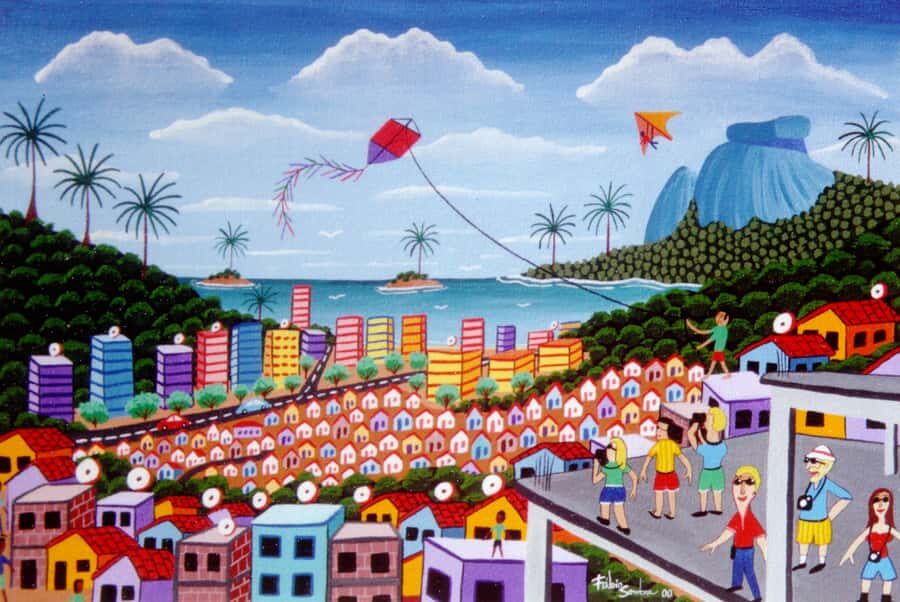
Before you head deeper, there’s a stop at a local bar area for visit, guided orientation, and then the walking begins. Even if you’re thinking the main action is the favela itself, this initial stage is useful. It gives you context and helps you understand what the guide wants you to focus on while you’re moving through tight alleys and active community spaces.
Expect the guide to talk through the socioeconomic contrasts of Brazil and how favelas fit into the larger picture. It’s not just “here’s the neighborhood” sightseeing—it’s “here’s how to read what you’re seeing.”
Rocinha on foot: residential alleys, commerce, and that view
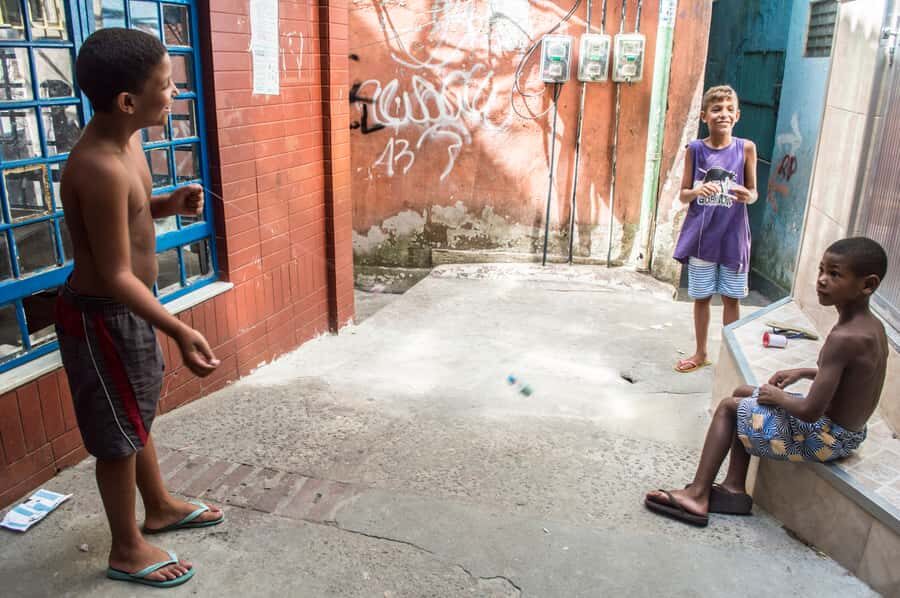
Rocinha is the largest favela in Brazil, and it can look confusing from a distance—mostly because the architecture climbs and layers on the hillside. Up close, you see how complex it really is: the way homes stack, the way people move through narrow lanes, and the way everyday needs are handled on-site.
Your route includes both residential and commercial areas. That’s a big deal for your understanding, because favelas aren’t only housing—they’re also workplaces, stores, and social spaces. You’ll have chances to see handcraft work and local businesses as part of the walk, not as a side show.
The craft center and what it means
You’ll visit a handcraft center, which is one of the places where you can turn “interesting” into “understandable.” It shows how local skills become income and identity, and it gives you a low-pressure entry point for conversations. If you want to buy something, bring a little extra money for that—part of the experience is supporting what’s made locally.





The community school: why this stop hits harder
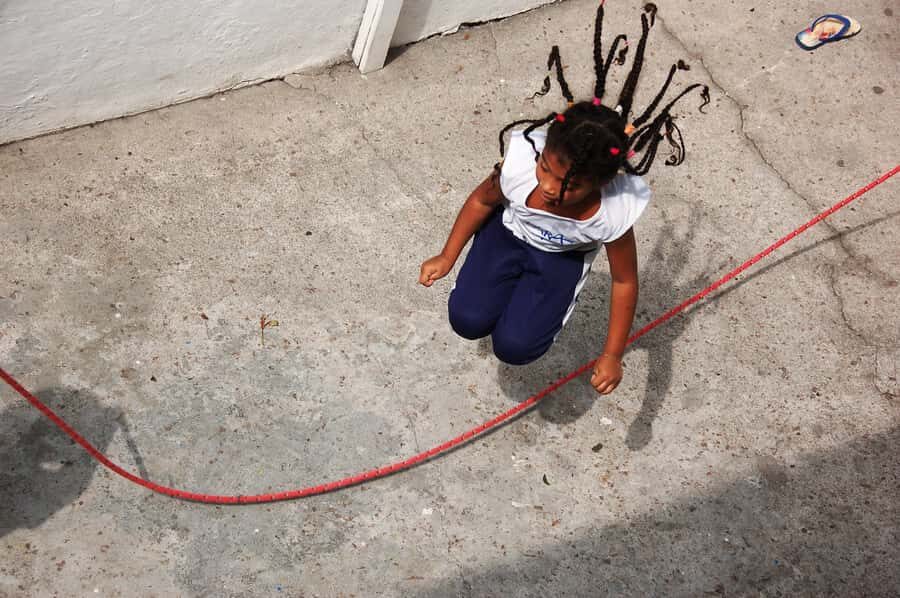
One of the best-known highlights on this tour is the visit to the community school financed by Favela Tour. This is where the tour’s mission becomes tangible. Education doesn’t fix everything overnight, but it gives you a grounded look at what residents and partners consider long-term change.
It’s also a helpful reality check: the tour isn’t trying to sell a fairy tale. It’s showing priorities—where people invest when they’re building a future.
Panoramic views from the way up
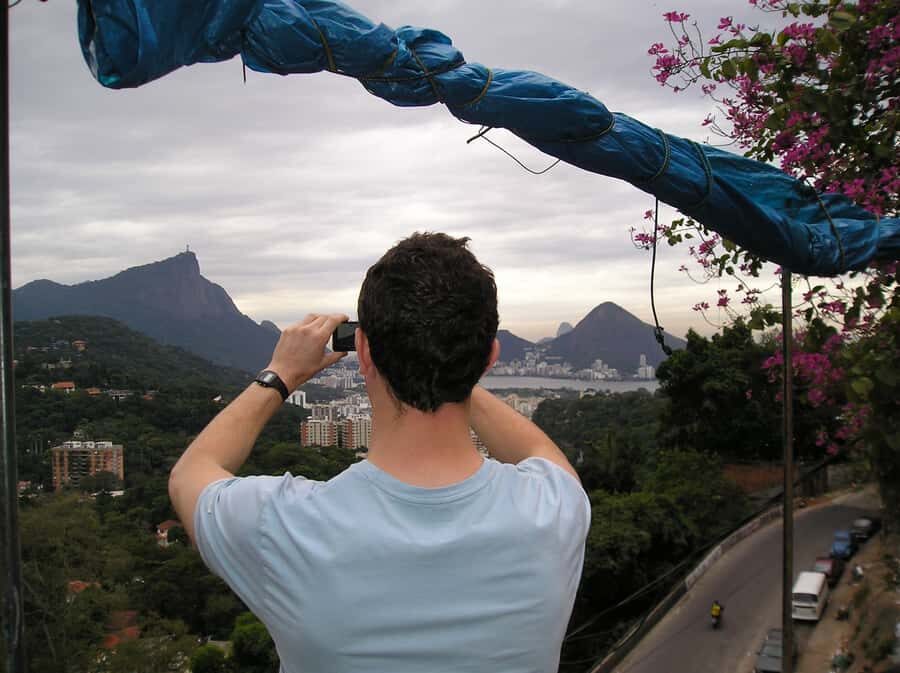
Along the route, you’ll also catch scenic views over Rio. These aren’t just “pretty moments.” They remind you how the terrain shapes daily life in hillside neighborhoods—where streets go, where foot traffic gathers, and why the built environment looks the way it does.
Vila Canoas: smaller scale, same human context
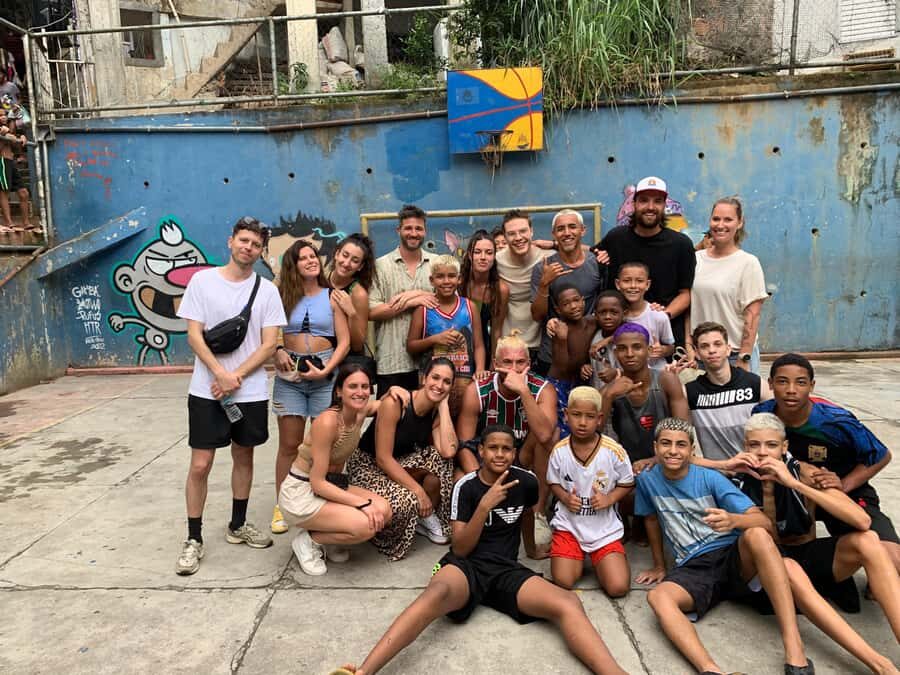
After Rocinha, you shift to Vila Canoas, which is a good follow-up because it’s easier to compare and calibrate your assumptions. At a distance, it can still look like a single mass on the hillside. But walking there helps you notice the finer texture—how people have organized the neighborhood around housing, community activity, and everyday services.
Vila Canoas doesn’t replace Rocinha; it complements it. You start seeing patterns, then you notice differences. That’s what helps the tour do its job: it changes how you interpret Brazilian social structure.
Safety and tone: the organized format that matters
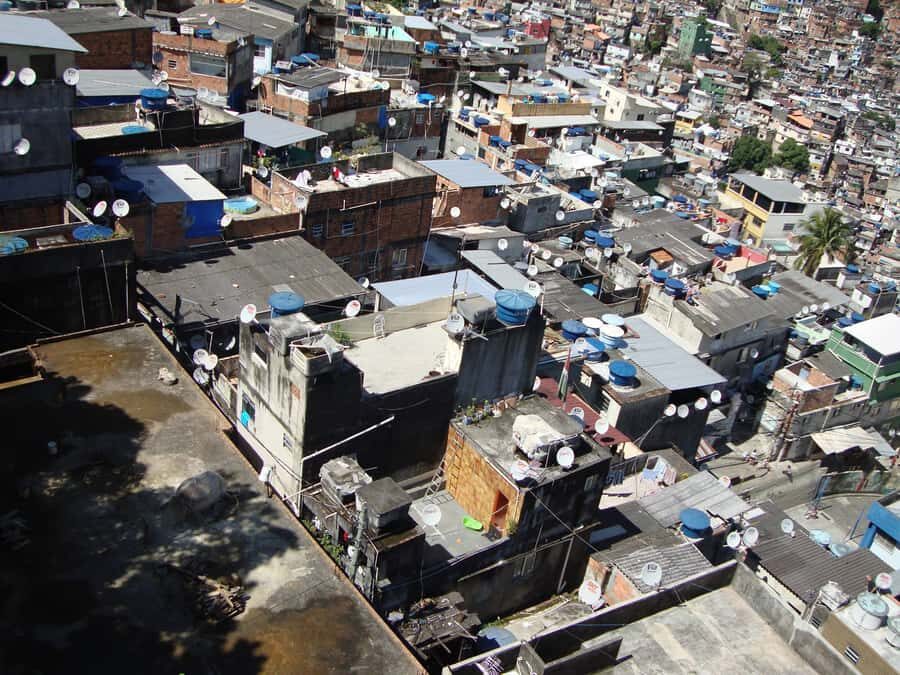
The tour explicitly emphasizes going with an organized trip. Favelas are described as safer than many people assume, but the key idea is that the right guide and plan make a difference. You’re moving on a route the team has worked out, with local context guiding how you behave and what you pay attention to.
Just as important is the vibe. The tour is described as not voyeuristic and built around inclusion. You’re not encouraged to act like you’re hunting for shocking scenes. Instead, you’re invited to be present and respectful—because residents actually support visits when the tone is right.
And yes, language affects how well that happens. In the process, you’ll hear clear explanations in the language you chose. There have been praised guides like Mateo for perspective and Francesco for clear explanations and detail-heavy context. That’s the difference between hearing facts and actually understanding what you’re looking at.
Price and value: $33 for transport, walking, and social context
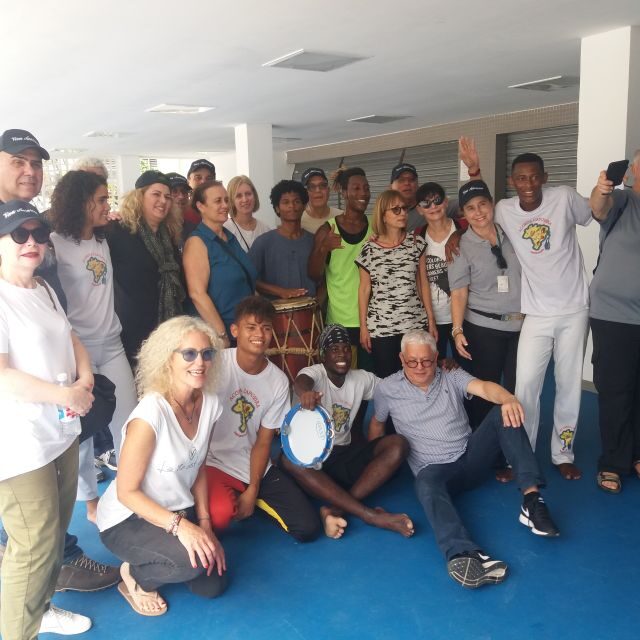
At about $33 per person for a 3-hour outing, the value comes from three things bundled together: time on foot, guided context, and transportation from and back to many hotels in Rio’s south zone.
If you were to piece this together on your own—finding the route, arranging safe access, hiring a guide fluent enough to explain social realities, and then still doing it on foot—you’d almost certainly spend more. The tour also includes visits that tie to real community support, like the school, which is something you don’t get from a generic “see the view” experience.
One practical note: this is a walking tour. Come ready to walk, and bring extra for drinks/snacks and for anything you might want from the local handcraft area.
What to wear, what to expect, and how to get the most out of it
You should plan for a lot of walking on uneven hillside streets and in areas with foot traffic. Wear comfortable shoes and simple layers—you’ll be moving through sun and shade as the elevation changes.
To get the most out of the tour, keep your goals realistic:
- Expect to learn how people live and how community projects function.
- Expect questions and conversation; the tone is designed for you to feel welcome.
- Expect that you’ll leave with better context for Brazil’s contrasts, not just photos.
If you want a Rio experience that’s honest without being grim, this format tends to deliver. It’s also a good choice if you’re trying to understand more than the postcard Rio skyline.
Who this tour fits best (and who should rethink)
This is a great match if you:
- want a deeper understanding of Brazil while you’re in Rio
- like guided, structured tours rather than improvising in unfamiliar areas
- enjoy walking and learning from a guide with strong language skills
It may be less ideal if:
- you’re uncomfortable walking for long stretches
- you need a perfectly fixed schedule and cannot tolerate small adjustments
- you expect a quick, surface-level photo stop
Should you book the Favela Tour from Rocinha to Vila Canoas?
If your goal is to understand Rio beyond the obvious highlights, I think you should seriously consider booking. The combination of Rocinha + Vila Canoas, a walking route through residential and commercial areas, and a visit tied to a community school gives the tour a purpose.
Just go in with the right mindset: be respectful, be flexible with language logistics, and remember that the tour works because it’s organized. Confirm your tour details directly (phone/email/WhatsApp) and skip middlemen that can create confusion. If you do that, this is the kind of experience that can change how you see Brazil—fast.
FAQ
How long is the tour?
It runs for about 3 hours.
Which favelas are visited?
The tour visits two: Rocinha and Vila Canoas.
Where does pickup happen?
Pickup is available in many South Zone areas of Rio de Janeiro, including Leme, Copacabana, Ipanema, and Leblon (often near beach-front areas). There are also pickup options listed for Leblon, Copacabana Beach, Ipanema, and São Conrado.
Are there drop-off locations?
Yes. Drop-offs are offered in São Conrado, Ipanema, Leblon, and Copacabana Beach.
Is transportation included?
Yes. Transportation is included from and back to most hotels in the south zone of Rio.
Is the tour mostly walking?
Yes. It is mostly a walking tour.
What languages are available?
Tours are offered in English, French, Spanish, Italian, and Portuguese.
Is it safe?
The tour is described as a safe guided experience, and it encourages joining an organized tour. It also notes that favelas are safer than many people believe.
What should I bring?
Come ready to walk. You may also want extra for drinks/snacks and for buying local handcrafts.
Can I reserve and pay later?
Yes. There is a reserve now & pay later option.
FAQ
What happens if I need help confirming my booking in Rio?
The guidance is to confirm directly by phone, email, or WhatsApp. Avoid middlemen when you’re in Rio, since that can cause misunderstandings and higher prices.
Is free cancellation available?
Yes. You can cancel up to 24 hours in advance for a full refund.