REVIEW · RIO DE JANEIRO
Rio de Janeiro Tour – Discover Christ the Redeemer and the Marvelous City
Book on Viator →Operated by Brasil Show Turismo - Agência de Turismo Rio de Janeiro · Bookable on Viator
Rio in one morning? It can be. This tour strings together the big-ticket sights—Christ the Redeemer and the Selarón Staircase—with quick stops that still feel like you got your bearings fast. The biggest plus is the panoramic payoff on Corcovado, plus the chance to see Rio’s iconic street-art details up close. The main catch: the schedule is tight, and if you’re late, the tone can get less friendly than you’d hope.
I like that it’s built for a small group, max 19 people, and it runs on a clear start time—8:00 am—so you’re not stuck wasting daylight. You’ll also want weather to cooperate, since the experience needs good conditions for the outing to work as planned.
In This Review
- Corcovado and Christ the Redeemer: What 1 Hour Really Means
- Selarón Staircase Between Santa Teresa and Lapa
- Sambadrome Marquês de Sapucaí: Carnival Without the Parade
- Metropolitan Cathedral of Rio: Modern Shape, Massive Glass
- Floresta da Tijuca: A Short Break from City Noise
- Maracanã Stadium: Football Culture in a Short Window
- Beaches by Comfortable Vehicle: Seeing the Coast Without the Headache
- Price and Time Value: Is $90 for 5 Hours Worth It?
- Guides, Language, and Group Pacing: How Your Experience Might Feel
- Who This Tour Is Best For
- Should You Book This Rio Highlights Tour?
- FAQ
- How long is the Rio tour?
- What time does the tour start?
- What are the main stops included?
- How big is the group?
- Are admissions included?
- What if the weather is bad?
- Can I get a full refund if I cancel?
Corcovado and Christ the Redeemer: What 1 Hour Really Means

Corcovado is the reason most people come to Rio, and you feel it immediately. The statue of Christ the Redeemer rises about 38 meters, but the real impact is the way Rio opens up below you. From up there, you can spot how the city spreads out between mountains and ocean, and you finally understand why locals talk about Rio as if it’s part geography, part attitude.
You’re given about 1 hour at Christ the Redeemer. That’s enough time to do three practical things: soak in the view, take a set of photos, and still have a moment to regroup if crowds are heavy. Admission is listed as free for this stop, which is great because Corcovado is often where costs stack up on other tours.
A word to the wise: if you want photos, plan your timeline like you’re moving in a crowd. One review experience described how strict timing can be at Corcovado, and how delays can shrink your time on the mountaintop. So keep it simple: get your key photos early, then slow down.
Also, this kind of outing depends on weather. The tour requires good weather, and if it’s canceled due to poor conditions, you should expect either a different date or a full refund.
Selarón Staircase Between Santa Teresa and Lapa

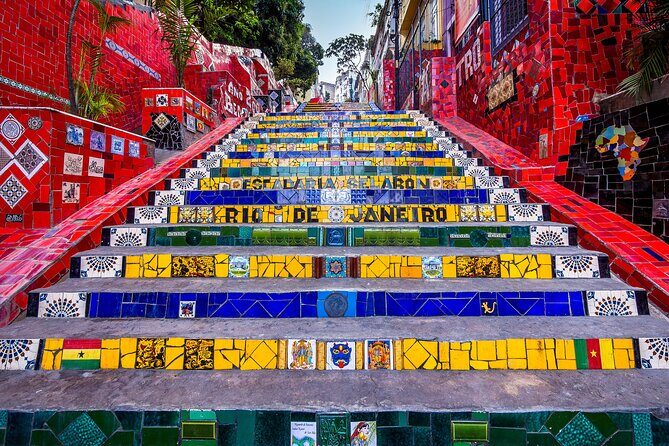
After Corcovado, you drop down into street level, and that’s when Rio turns from postcard to lived-in. The Escadaria Selarón is a long staircase between Santa Teresa and Lapa, covered in tiles that form a colorful tribute credited to Chilean artist Jorge Selarón. It looks playful, but it also works like public art therapy: it’s hard to walk through and not feel the personality of the place.
This stop is shorter—around 20 minutes—but that actually works well for this part. You’re not trying to tour a museum. You’re grabbing the best angles, watching how the tile colors change as you move, and taking in the layers of message and mosaic.
Admission is listed as free. So this is one of the easiest value wins in the whole loop: you spend your time looking, not paying.
If you’re taking photos, be ready for people moving through. The staircase gets attention because it’s famous, so the most peaceful photos usually come if you arrive with a plan and don’t spend the entire time chasing one perfect angle.
You can also read our reviews of more city tours in Rio de Janeiro



Sambadrome Marquês de Sapucaí: Carnival Without the Parade

The Sambodromo da Marquês de Sapucaí (officially Passarela Professor Darcy Ribeiro) is Rio’s parade stage, built for samba school competition during Carnival. Even if you’re not there in the middle of Carnival, the venue still tells you something important about Brazil’s culture: big public celebrations take infrastructure, and Rio invests in that.
You’ll spend about 20 minutes here. That’s not a deep dive into Carnival history, but it’s enough to understand the scale. You can look at the layout and grasp why people build entire performances around this space.
Admission is listed as free, so you’re basically buying time and context, not ticket costs. For me, the value is how it connects the dots between Rio’s everyday streets and the massive spectacle it can produce.
Quick reality check: this isn’t the moment for long questions or long walks. The timing is “see it, register it, move on.”
Metropolitan Cathedral of Rio: Modern Shape, Massive Glass

Next comes the Cathedral in the city center, officially São Sebastião do Rio de Janeiro (also known as the Metropolitan Cathedral). The building is modern, conical, and huge—about 106 meters in diameter and 75 meters external height, with a capacity listed for 20,000 people standing.
What makes it especially worth a stop is the stained-glass effect. Colored glass covers the walls up to the dome, and it changes how light behaves inside. Even if you’re not a church person, you’ll probably notice the visual contrast right away.
You get about 30 minutes here, and that feels like the right amount. You can step in, orient yourself, look at the glass, and still not feel rushed.
Admission is listed as free. So this is another cost-light, interest-heavy stop—architecture that’s easier to enjoy than it is to explain in a hurry.
Floresta da Tijuca: A Short Break from City Noise
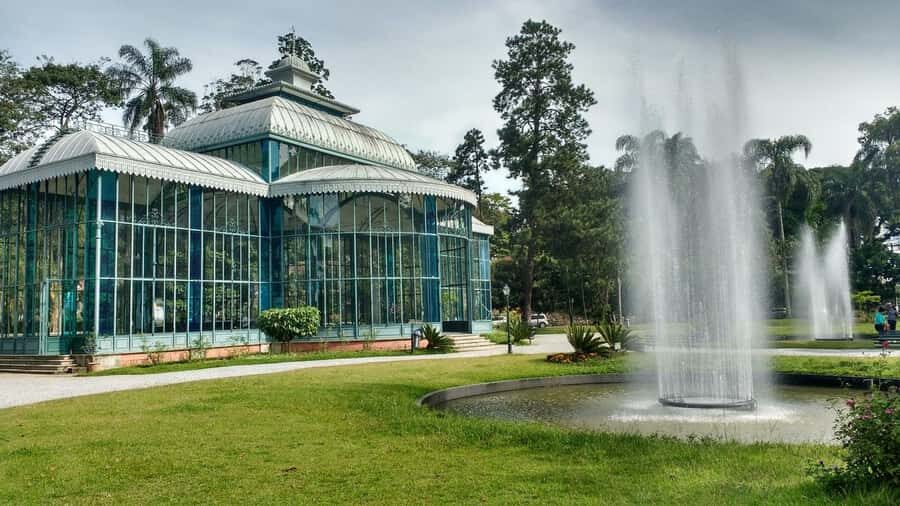
Then you get the green reset: Floresta da Tijuca. This is one of the largest urban forests in the world, created in 1861 by Emperor Pedro II to reforest areas damaged by deforestation from sugarcane and coffee cultivation.
Your time here is brief—around 10 minutes—so don’t expect long hiking. Think of it as a breathing pause inside the city, a place where you can feel the temperature shift slightly and watch how nature works even when the city is close.
Admission is listed as free. The “free” part matters, but so does the timing: in a 5-hour loop, a micro-nature stop helps your brain reset between heavier sights.
If you’re sensitive to motion or crowds, this is also the point in the day where you’ll likely appreciate having an easy moment without constant maneuvering.
Maracanã Stadium: Football Culture in a Short Window
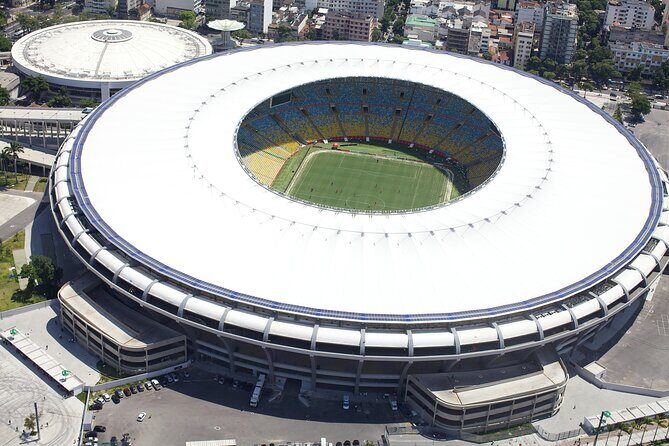
No Rio highlights list feels complete without Maracanã. The Estádio Jornalista Mário Filho is known as Maracanã or Maraca, and it sits in Rio’s North Zone.
You’ll have about 20 minutes here. Again, it’s not a full stadium tour. It’s more like: see the stadium’s presence, understand why it matters, and move on with your mental map of the city updated.
Admission is listed as free. So the value comes from cultural context, not add-on ticket value. If football is part of your travel language, this stop will probably land better than you expect.






Beaches by Comfortable Vehicle: Seeing the Coast Without the Headache
One part of the day is dedicated to seeing Rio’s beaches from a comfortable vehicle. That matters because beaches can eat time fast if you’re trying to navigate on your own.
What you should expect here is simple: scenic views and coastal context without the stress of parking, transfers, or figuring out which stretch is best. Since the day is about 5 hours total, this “drive-by viewing” style fits the pace.
One thing to keep in mind: time in a vehicle is still time. If your goal is to walk on sand, you might feel the day is too tight for beach time beyond looking and snapping a few quick photos.
Price and Time Value: Is $90 for 5 Hours Worth It?
At $90 per person for roughly 5 hours, this tour can feel like a bargain or like a disappointment depending on two things: pacing and punctuality.
Here’s the value math. The day hits major Rio icons in one run—Corcovado, Selarón, Sambadrome, cathedral architecture, an urban forest area, and Maracanã—plus beach scenery. Many of the stops show admission as free in the tour information, which lowers the chance you’ll hit surprise costs for entry fees.
Group size also plays a role. With a maximum of 19 travelers, you’re usually not dealing with the chaos of massive buses. Smaller groups can mean a better flow—when everyone stays on schedule.
That said, the main reason people complain about tours like this is also the main reason tours like this work: the schedule is shared. If someone is slow or late, the group’s clock gets pushed, and each stop gets shorter or more crowded. One negative experience described delays at pickup and repeated waiting at meeting points, turning the day into a lot of time spent standing around. You don’t have control over other people, but you can protect your experience by being early and staying ready.
My practical take: if you’re the kind of traveler who likes structured highlights and doesn’t need a long lunch break, $90 for a five-stop Rio sampler is fair. If you want lots of wandering time at every location, you’ll likely wish for a longer, less compressed tour.
Guides, Language, and Group Pacing: How Your Experience Might Feel
The success of this tour often comes down to the guide and how the group behaves.
In the positive side of the experience, Márcio stands out for strong explanations and good energy. He’s credited with communicating in both Spanish and Portuguese, and in a way that helps you connect what you’re seeing to Rio’s culture. That kind of guide makes the quick stops feel smarter, not just rushed.
There’s also a different pattern that can affect your day: strictness around meeting times. If you show up late, the tone might be firm, and you could get less flexibility on the spot. One negative experience described being treated rudely for being minutes late and losing time at Christ the Redeemer because the group couldn’t linger.
So here’s the move: arrive early to every meeting point in your day, and treat the tour schedule like it’s non-negotiable. Bring water, wear comfortable shoes, and keep your photo-taking plan simple.
Language-wise, explanations are mentioned in Spanish and Portuguese. If you’re relying on English-only instructions, you’ll want to be prepared for communication to depend on what the group needs. The tour doesn’t advertise English in the info you provided, so I’d plan to be flexible.
Who This Tour Is Best For
This tour fits best if you want:
- A highlight-first Rio morning with minimal planning.
- The big icons—Christ the Redeemer, Selarón, Sambodrome, cathedral, Tijuca area, Maracanã—without building a route.
- A small-group vibe (max 19) and a guide who can connect sights to local culture.
You might want a different style of tour if:
- You hate time pressure and prefer slow strolling with lots of stops for food, shopping, and side streets.
- You need guaranteed in-depth time at every site. Even the longest stop (Christ) is 1 hour.
This is a smart choice for first-timers who want the city’s core visual story in one go.
Should You Book This Rio Highlights Tour?
Yes, I’d book it if your priority is seeing Rio’s most famous landmarks in a single, organized outing. The mix is the point: mountain panorama at Corcovado, street-art color at Selarón, culture at the Sambadrome, light-and-glass architecture at the cathedral, a quick reset in Tijuca, and a dose of football identity at Maracanã.
Skip it or choose carefully if you’re sensitive to strict timing. Be early, stay ready, and plan your photos early at Christ so you don’t end up scrambling. With good weather and a punctual group, this is a strong value way to get your Rio bearings fast.
FAQ
How long is the Rio tour?
The tour is listed at approximately 5 hours.
What time does the tour start?
The start time is 8:00 am.
What are the main stops included?
The tour includes Corcovado and Christ the Redeemer, Escadaria Selarón, beaches of Rio by comfortable vehicle, Sambodromo da Marquês de Sapucaí, Catedral Presbiteriana do Rio de Janeiro (Metropolitan Cathedral), Floresta da Tijuca, and Maracanã.
How big is the group?
The maximum group size is 19 travelers.
Are admissions included?
Admission tickets are listed as free for the stops, including Christ the Redeemer, Selarón Staircase, Sambadrome, the cathedral, Floresta da Tijuca, and Maracanã.
What if the weather is bad?
This experience requires good weather. If it’s canceled due to poor weather, you’ll be offered a different date or a full refund.
Can I get a full refund if I cancel?
Yes. You can cancel up to 24 hours in advance for a full refund.