REVIEW · RIO DE JANEIRO
Vidigal Favela Tour
Book on GetYourGuide →Operated by Carioca Tours with Nat · Bookable on GetYourGuide
A motorcycle ride up to Vidigal sets the tone fast. This 90-minute tour blends street art, local stories, and a sure-footed introduction to neighborhood life, with panoramic views of Rio you can’t really get from the streets below.
My favorite part is how the guide helps you feel at ease from the first minute, then turns a short walk into real context for what you’re seeing. I also love the mix of adrenaline (the ride) and payoff views (Ipanema Beach and Morro Dois Irmãos). One drawback: it’s not set up for slower pacing or mobility needs—there’s a ride and walking on uneven ground.
In This Review
- Key things I’d circle before booking
- Vidigal from the first uphill start: Praça do Vidigal to the ridge
- The 90-minute rhythm: how the ride and walking time actually feel
- Walking Vidigal with a local guide: what you’re really learning
- Street art and murals: seeing the art and respecting the rules
- The payoff views: Rio’s coast, Ipanema, and Morro Dois Irmãos
- Rooftop pause for a drink or a meal: where it can fit
- Price and value: is $49 worth 90 minutes in Vidigal?
- Who should book Vidigal—and who should skip it
- Practical tips to help you enjoy every minute
- Should you book the Vidigal Favela Tour?
Key things I’d circle before booking
- Motorcycle ride up the hill: an adrenaline start that gets you quickly to the best vantage points
- Small group (up to 8): more room for questions and a more personal pace with your guide
- Guided walking tour at street level: history and culture explained right where it happens
- Street art with photo guidance: you’ll learn where cameras are welcome and where they’re not
- Rooftop option for a pause: grab a drink and, if you want, breakfast or lunch with locals
Vidigal from the first uphill start: Praça do Vidigal to the ridge
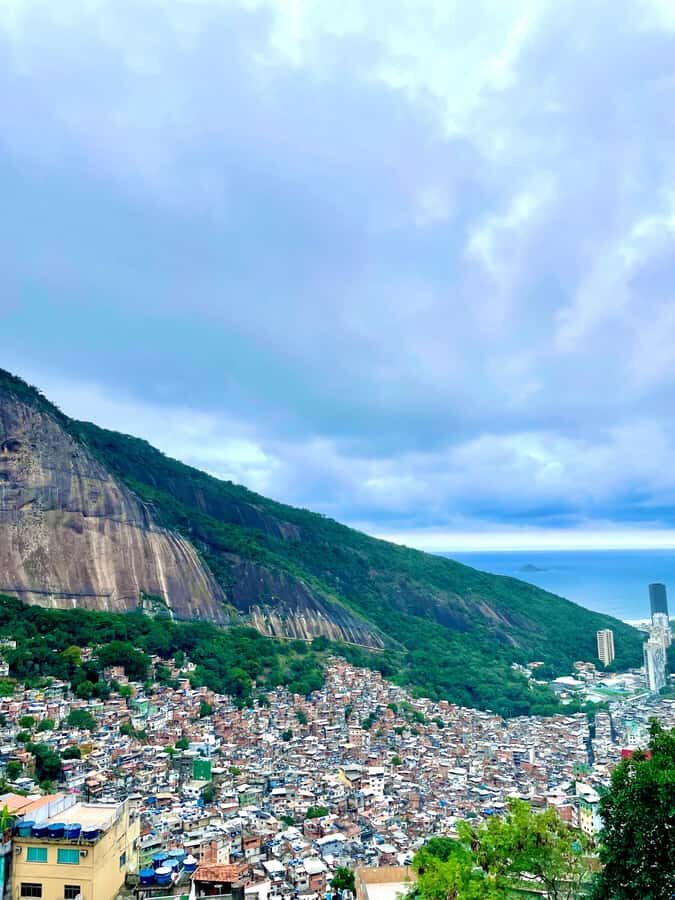
The tour begins at Praça do Vidigal, the lively square at the base of the neighborhood. I like this start because it gives you a real sense of place right away—vendors, street art, and local rhythms, before you ever climb. It’s also a practical meeting point: you can spot it as the center-of-the-world for this part of Vidigal.
Then comes the signature move: you ride a motorcycle up to the top of Vidigal. You’ll hold on as you ascend, and yes, it feels like a rush. That adrenaline matters more than you might think. It changes the whole rhythm of the morning or afternoon—your brain wakes up, and you start noticing details sooner: how the streets stack up, how homes line the slope, and how the city reveals itself in stages as you climb.
The drivers are described as pros at navigating Vidigal’s lively streets, and the big benefit of that is confidence. You’re not trying to figure out steep turns or road flow while also taking in a new neighborhood. When the ride is done well, it’s the fastest way to get to viewpoints without turning the tour into a hard slog from the start.
You can also read our reviews of more tours and experiences in Rio De Janeiro.



The 90-minute rhythm: how the ride and walking time actually feel
This experience is short on paper—90 minutes total—but the structure is smart. You get a motorcycle transfer up, then about an hour of guided walking, then you return to Praça do Vidigal.
That pacing works because it hits three phases:
1) Arrive high enough for views without exhausting yourself first.
2) See Vidigal up close at walking speed, with context from a local guide.
3) Come back to the square while you still feel like you’ve fully understood what you just saw.
The walking portion is where you’ll notice the neighborhood beyond the “views from above.” You’ll move through colorful alleys and see how people use the space—how streets connect, where murals sit, and what’s meaningful locally. The guide keeps it organized so you’re not wandering without purpose, but the group stays small enough (limited to 8 people) that it doesn’t feel like you’re being herded.
If you’re someone who hates feeling rushed, this might still work because the group size stays tight. But if you have limited stamina, the uphill nature of the day (including the ride) is something to weigh carefully. Comfortable shoes aren’t optional—they’re the difference between enjoying the route and thinking about your feet.
Walking Vidigal with a local guide: what you’re really learning
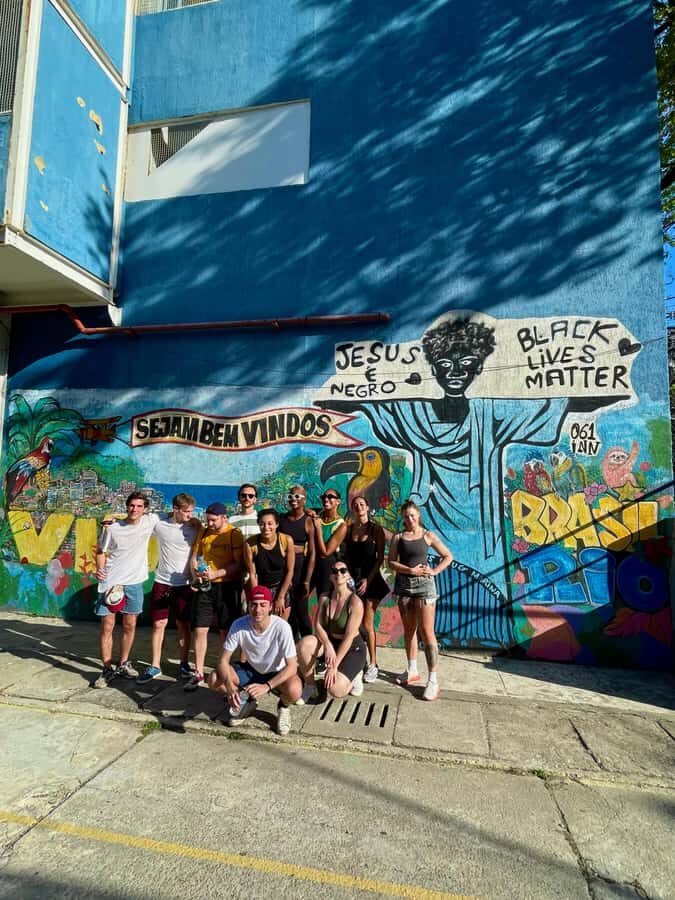
The guided walking portion is the heart of the tour. You’re not just looking at walls—you’re hearing stories about Vidigal’s past and present, and learning how everyday life shapes what you see around you.
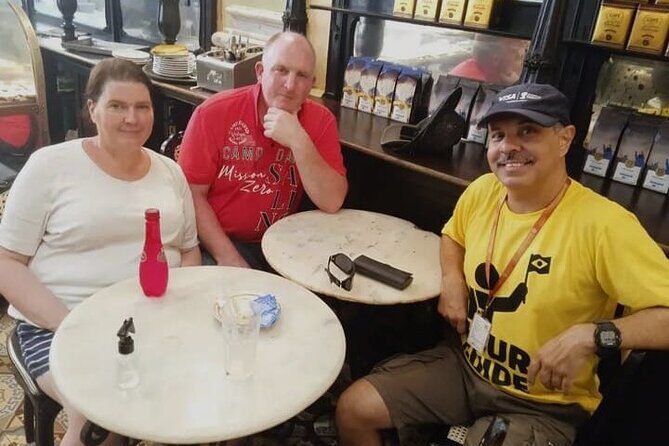
This is where names from past groups stand out. Guides like Nat, Thaina, and Gabriels have led people through the most interesting sections and shared clear explanations. I like this because you can usually tell when a guide is invested: the stories feel tied to specific streets and landmarks rather than generic talking points.
The guide also helps with practical confidence. That sounds vague, but on the ground it matters. You’re walking through a real community, and the guide’s role is to keep the group together, point out what matters, and set expectations so you’re not guessing. You’ll also get guidance about photos—your guide will let you know where pictures are allowed and where they aren’t. That kind of instruction keeps things respectful and reduces awkward moments.
Language coverage is another real-world advantage. The tour offers a live guide in English, Portuguese, Spanish, or French. In some groups, Thaina has even tried speaking Spanish while guiding, which can help if you’re comfortable communicating beyond the default language.
Street art and murals: seeing the art and respecting the rules
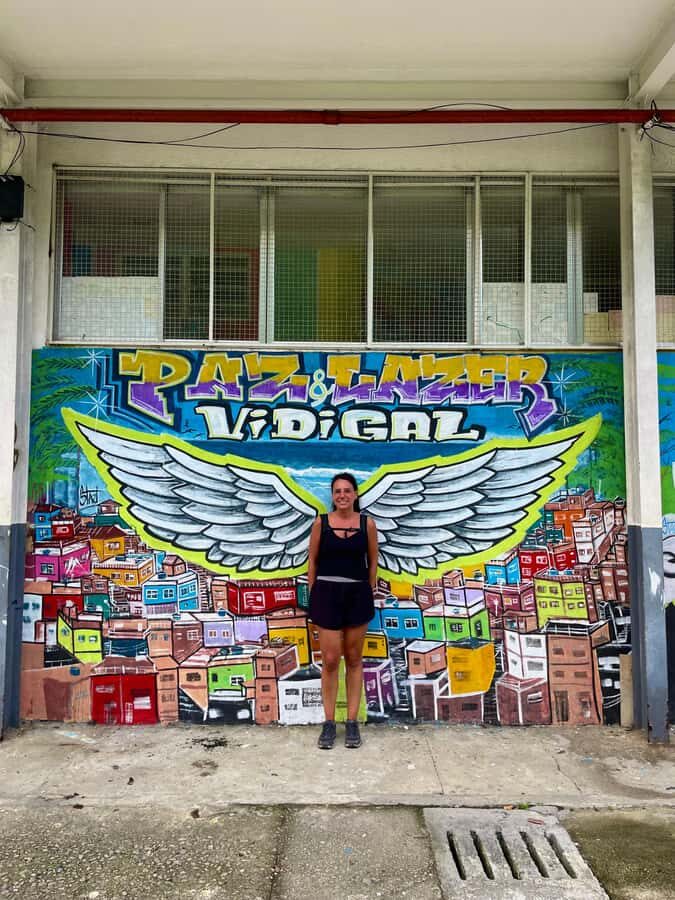
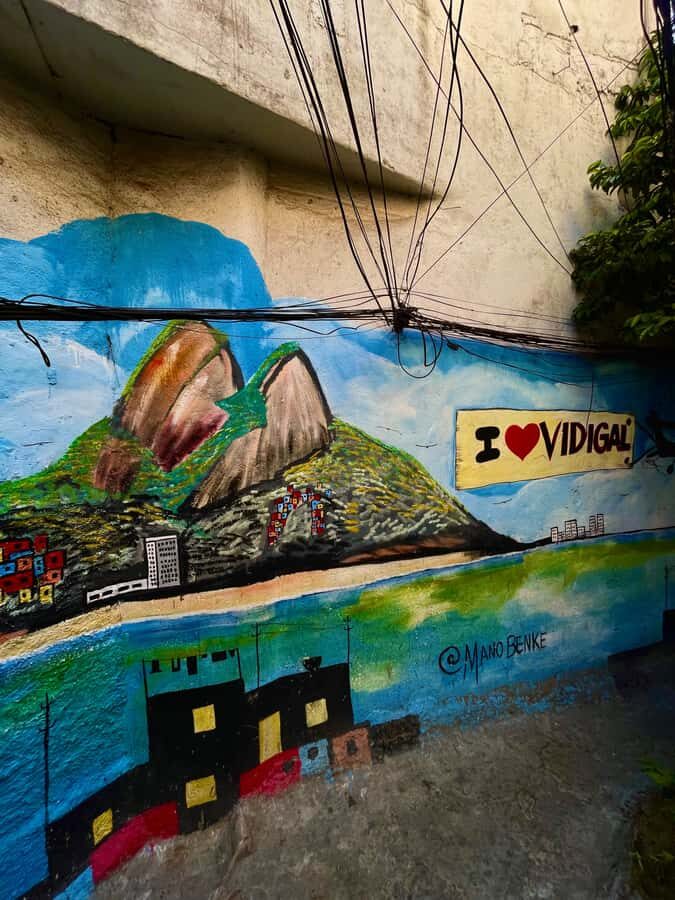
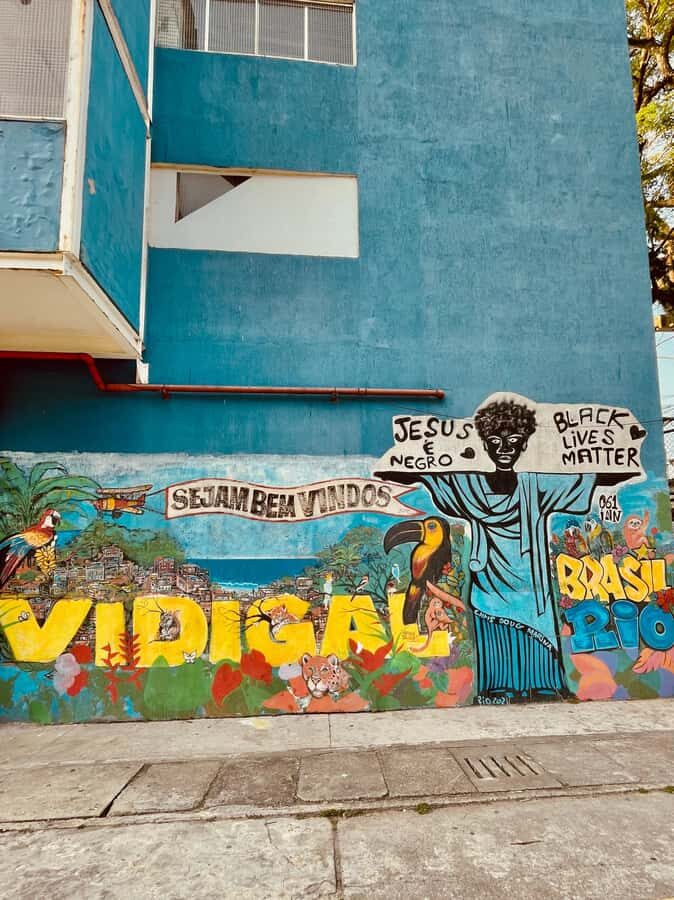
Vidigal’s street art is one of the main reasons people book. And it’s not only about aesthetics. Murals and painted walls work like a public bulletin board—stories, identity, messages, and creativity shared across the neighborhood.
Here’s what I’d watch for during the walk: don’t only look for the biggest mural. Pay attention to the smaller details too—the way artwork connects to a wall’s texture, the placement on a corner, or how the art is used to define space. Since you’re also hearing history and culture explained nearby, the art becomes easier to read. You’ll understand what you’re seeing in context instead of treating it like a random photo backdrop.
The tour’s photo approach is important. You’ll likely want camera time, and that’s allowed—but it’s managed. Your guide will tell you where photography is okay and where it’s not. This means you won’t spend the day fighting with yourself about whether a particular spot is respectful. Just follow the guidance and move on to the next wall the moment your guide says it’s time.
Also note: there are restrictions like no smoking. It’s the kind of simple rule that makes a short neighborhood tour feel smooth rather than chaotic.
The payoff views: Rio’s coast, Ipanema, and Morro Dois Irmãos
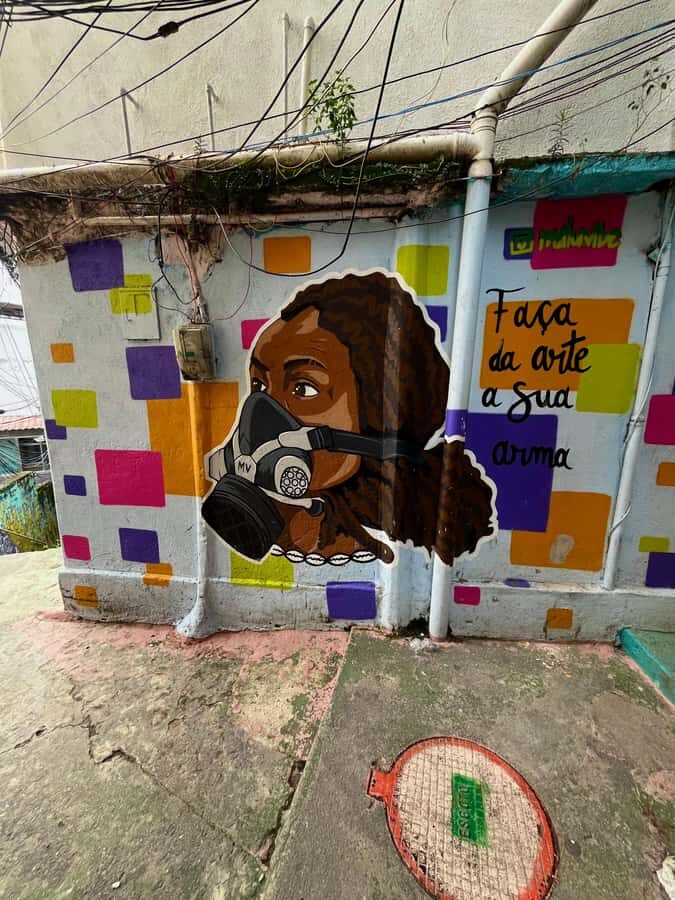
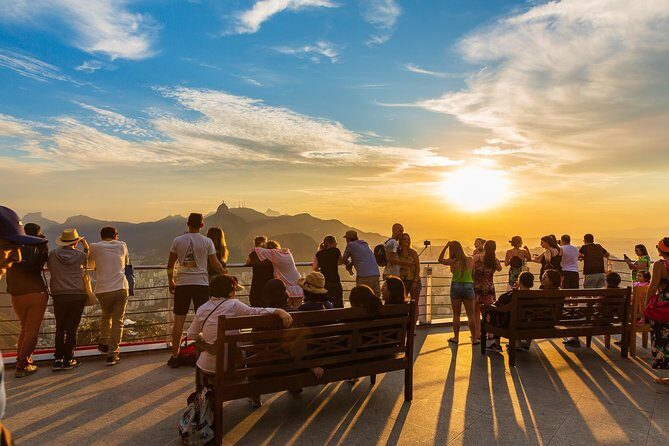
Let’s talk about the moment the views start. As you ride up, you’ll get early peeks of Rio unfolding. Then at the top and during the walking portion, the outlook becomes the reward for the climb.
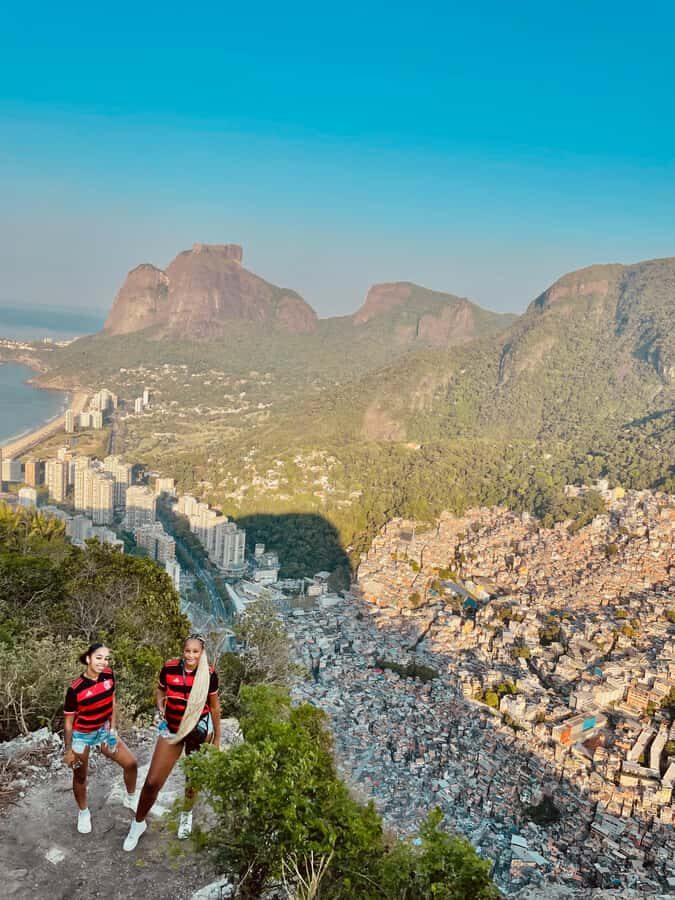
You’re specifically in view of Rio’s coastline, including iconic sights like Ipanema Beach and Morro Dois Irmãos. Even if you’ve seen Rio from photos, the angle you get from Vidigal helps you understand how the city stacks—ocean, hills, and neighborhoods in one connected picture.
This is also why the motorcycle start matters. Without it, you might never feel like the day earns those panoramas. Instead, you’re positioned for the view early, then you walk afterward with a sense of where you are relative to the larger city.
If you’re the type who cares about photos, bring a camera—and use sunscreen and a hat. The walk and viewpoints mean you’re exposed. Water helps too, because there’s no mention of long rest breaks baked into the plan. A rooftop stop is optional (more on that next), but you shouldn’t plan on that being your only water moment.




Rooftop pause for a drink or a meal: where it can fit

The tour leaves room for a choice: if you want, you can stop at a rooftop restaurant. This isn’t required, but it’s a nice way to slow down after the ride and while you’re still high with the views.
What you might do there is simple—have a refreshing drink or breakfast/lunch. That matters for value and comfort because you’re not forced into a rigid schedule. You can keep it light (a drink) or turn it into a mini-meal if the timing works for your day.
In at least one group experience, people reported conversations while sipping a caipirinha with their guide. That’s exactly the kind of moment that makes a short tour feel personal: you’re not just hearing facts; you’re chatting, comparing impressions, and letting the neighborhood atmosphere settle in.
Just keep your expectations realistic. The tour is 90 minutes total, and the rooftop stop is optional. If you want food, plan to order quickly and keep the group’s pace in mind.
Price and value: is $49 worth 90 minutes in Vidigal?
At $49 per person for a 90-minute outing, the big question is value: what’s included that you’d otherwise pay for or organize yourself?
You get:
- the motorcycle ride up (fee included)
- a guided walking tour
- panoramic viewpoints, including Ipanema Beach and Morro Dois Irmãos
- entrance visit fees handled with your local guide
You also don’t need hotel pickup, which can reduce hassle if you’re already in the area. And with a small group capped at 8, you’re paying partly for access and guidance—not just transportation.
If you were trying to cobble this together alone, you’d still face the same essentials: getting safely to the viewpoints, finding a trustworthy guide who can explain what you’re seeing, and navigating photo etiquette. This tour bundles those pieces into a short package.
One more practical point: with multiple language options, you’re less likely to end up in a mismatch. That matters for a tour where the explanations are a major part of what you’re paying for, not just the scenery.
Who should book Vidigal—and who should skip it
This tour is a great fit if you want a confident, guided look at Vidigal with real context fast. It’s especially good for:
- people who like short experiences with big payoffs
- anyone interested in street art, murals, and neighborhood storytelling
- travelers who prefer a small group over large bus tours
- photographers who want permission guidance for where pictures are okay
It’s not suitable for people with mobility impairments or wheelchair users. That’s not a minor note—walking and the overall route don’t fit those needs, and the ride component makes accessibility planning harder.
If you’re worried about comfort, the best simple fix is preparation: wear comfortable shoes, bring water, and protect yourself from sun with a hat and sunscreen. The tour is designed to help you feel confident as you go, but it’s still outdoors and still active.
Practical tips to help you enjoy every minute
A short tour magnifies small mistakes. Here are the practical things that can make or break the experience.
Bring what you’ll use
- Comfortable shoes for walking
- Camera for street art and viewpoints
- Water, because you’ll be out and exposed
- Sunscreen and a hat if the sun is strong
Plan your expectations
- This is a guided neighborhood walk. You’re not in a controlled theme park.
- Photo permissions can vary by spot, so follow your guide’s directions.
Fit it into your day
- Since there’s no hotel pickup, make sure you can get to Praça do Vidigal on time.
- If you want the optional rooftop break, decide quickly after the ride so you don’t lose momentum.
Should you book the Vidigal Favela Tour?

I’d book this if you want a fast, guided way to understand Vidigal through street art, stories, and viewpoints—without having to figure out access, timing, or photo etiquette on your own. The combination of a motorcycle ride plus an hour of walking with a local guide is a smart use of time, and the small group size keeps it from feeling industrial.
Skip it if mobility is a concern or if you want a slow, fully seated experience. And if you don’t enjoy walking outdoors, you’ll probably feel rushed by the structure.
If your goal is to see Rio from a different angle—one that includes culture, daily life, and murals you can actually stand in front of—this is a strong, practical choice.