REVIEW · RIO DE JANEIRO
The real life behind the word favela
Book on Viator →Operated by Favela Lives Tour · Bookable on Viator
This tour is about Rocinha as a living neighborhood, not a TV headline, with a local guide leading you through real daily life. I like that it’s designed to help you see the “city within the city” from the inside, and I also love the way the route mixes viewpoints with culture (not just photo stops). One thing to consider: it’s a walking tour with a moderate fitness level, and you may want to be alert about any extra costs or strong suggestions around tips.
You start in the São Conrado area and get private transport to keep things simple, then spend about 3 hours out in the neighborhood with a personal guide. The group stays small (max 20), which matters because questions come faster when you’re not packed like sardines.
At $49.05 per person, it’s not the cheapest “bus and look” tour in Rio—but it also isn’t priced like a luxury experience. You’re paying for local context, local access, and a tight time window that actually teaches you something.
In This Review
- Key things to know before you go
- Rocinha in 3 Hours: Why This Tour Feels Like Real Life
- Meeting in São Conrado: The Transport Setup That Saves Time
- The Salocin Tour Route: Viewpoints, Narrow Lanes, and Cultural Stops
- Learning Beyond the Word Favela: What the Guide Turns Into Meaning
- Safety, Comfort, and Who Should Book This
- Price and Value: What $49.05 Buys You (and What It Doesn’t)
- How to Prepare: Shoes, Questions, and a Respectful Mindset
- Should You Book the Favela Lives Tour?
- FAQ
- How long is the tour?
- Where does the tour start and where does it end?
- What’s included in the ticket price of $49.05 per person?
- Is food included?
- What happens if the weather is bad or the tour can’t run?
- What fitness level do I need?
Key things to know before you go

- Small group (max 20) so your guide can answer questions without rushing.
- Rocinha viewpoint time gives you orientation before you walk the tighter lanes.
- Culture stops can include Capoeira, local schools, and a cathedral tied to Rocinha’s origins.
- Local agency created by a guide with 9 years of experience.
- Moderate walking means comfy shoes matter more than perfect outfits.
- Not included: food and souvenirs, so plan on keeping snacks separate.
Rocinha in 3 Hours: Why This Tour Feels Like Real Life
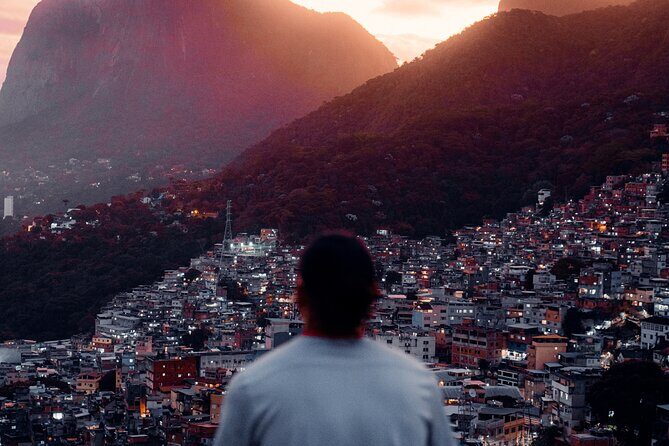
Rio has a way of turning neighborhoods into stereotypes. This tour pushes back. Instead of treating a favela like a single story, you’ll be shown Rocinha as a place shaped by people, work, community, and history—plus the day-to-day choices that don’t show up in brochures.
What makes this kind of experience work is the guide. You’re not just getting facts; you’re getting explanations that connect those facts to the streets in front of you. Guides in this program include Carolina, Carlos, Gilvan, and others, and multiple guests highlight how clearly their English comes through and how patiently they answer questions. When you’re trying to understand a place with real complexity, that back-and-forth matters.
The tour also aims to correct the usual shortcut thinking. The big idea here is simple: don’t arrive with one-liners. Learn why the word favela means different things in different contexts, and how daily life continues under the realities most tourists never see.
You can also read our reviews of more tours and experiences in Rio de Janeiro.



Meeting in São Conrado: The Transport Setup That Saves Time
Your tour starts at Metrô São Conrado (Saída B, on Estr. da Gávea in São Conrado). Then you’ll use private transportation—helpful in a city where traffic can turn a good plan into a sweaty mess.
Why I like this setup for a short, 3-hour outing: it reduces “wasted” time. You don’t have to solve Rio logistics before your actual experience begins. You also end back at the meeting point, which keeps the evening stress low if you’ve still got plans later.
Because the group is capped at 20, your pickup and coordination should feel controlled rather than chaotic. Still, arrive a few minutes early. Small groups move faster than you expect, and you don’t want to be the person who delays everyone’s walk.
The Salocin Tour Route: Viewpoints, Narrow Lanes, and Cultural Stops
The main experience is the Salocin Tour stop in Rocinha. Expect a route that mixes orientation with close-up life. You’ll start by getting your bearings from a viewpoint, then move through narrow ways where the pace slows down naturally—because there’s no room for rushing.
Here’s what you can realistically look for during the walk:
- Viewpoints for context: you’ll get a sense of where you are and how the neighborhood folds into the hillside.
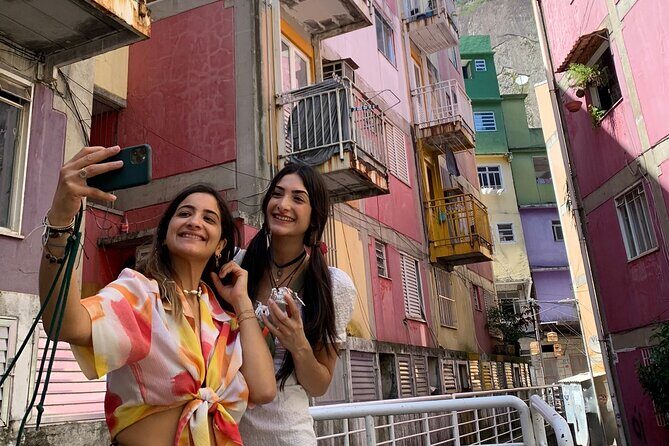
- Narrow-lane street life: this is where the “city within the city” feeling becomes real—houses, local businesses, and everyday movement.
- Cultural moments: some routes include Capoeira, plus visits connected to community spaces like local schools and a cathedral linked to Rocinha’s origins.
- Community discussion: your guide will explain what you’re seeing, and that’s the point. You should expect questions—and space to ask them.
If you’re nervous before going, you’re not alone. One guest story mentions being worried but then feeling comfortable and even playing soccer with teenagers during the tour. That doesn’t mean every tour includes sports, but it does show the broader vibe: human connection over “watch from a safe distance” sightseeing.
The walking can be a bit uneven, and the lanes can feel tight. This is why “moderate physical fitness” is listed as the requirement. Bring practical shoes and give yourself permission to move at the guide’s pace.
Learning Beyond the Word Favela: What the Guide Turns Into Meaning
The tour’s goal isn’t to shock you. It’s to give you language for what you’re seeing.
You’ll likely hear about:
- How Rocinha functions as a neighborhood rather than an attraction.
- How community institutions matter, including schools and religious sites that connect people to shared identity.
- How culture lives on the street, not in a museum. Capoeira shows up as more than performance here—it’s tied to community rhythm and expression.
One standout theme from the experience descriptions is that guides challenge your assumptions. Guests using guides like Carlos or Henrique mention feeling like their preconceptions got pushed aside—in a good way. That’s the practical value: you leave with a more accurate mental map of how life works there.
And yes, you’ll learn history, but not in the “lecture voice.” The history shows up as an explanation attached to a place. When you see something physical—like a cathedral connected to Rocinha’s origins—it makes the story feel grounded, not abstract.
Safety, Comfort, and Who Should Book This
Let’s talk about the big fear some people carry: is it safe?
The most honest answer from the information you have is that the tour is led by local guides and designed specifically to show daily life. Also, multiple guests explicitly say they felt safe and found Rocinha “safe and nice to visit.” That’s not a guarantee for every situation, but it does suggest the program runs with care and local know-how.
Still, keep your expectations realistic:
- You’re walking through real neighborhoods, not a controlled set.
- You should dress for movement and comfort.
- You should treat the guide as your decision-maker for where to walk, when to pause, and what to ask.
This tour is a great fit if:
- You want a human-scale experience in a small group.
- You’re open to questions and want context, not just views.
- You like cultural stops and explanations you can connect to streets and people.
Skip it (or choose another Rio option) if:
- You can’t handle walking on uneven ground or in tight lanes.
- You want a traditional “sit, watch, leave” tour.
- You’re uncomfortable with the social nature of community visits.
One possible drawback that came up in feedback: a guest felt uneasy because of strong tipping pressure and an extra payment request that wasn’t described in the basic tour info. That doesn’t mean it happens on every tour, but it’s a fair consideration. I’d handle it like this: ask your guide what, if anything, is expected beyond the ticket price. You’ll feel better going in with clarity.





Price and Value: What $49.05 Buys You (and What It Doesn’t)
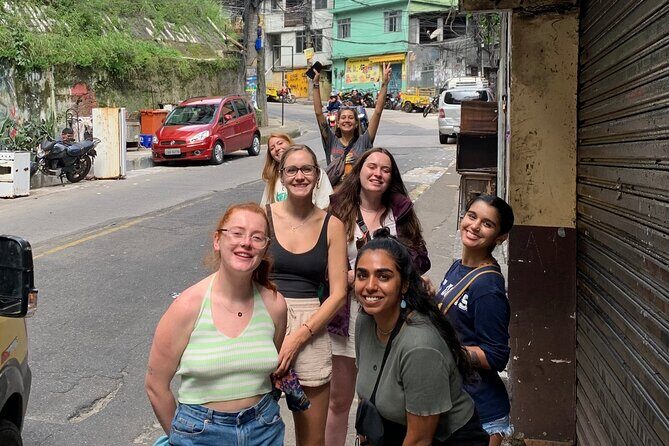
At $49.05 per person for about 3 hours, you’re paying for more than transportation. The included items are:
- Private transportation
- Viewpoint
- Personal guide
- Admission ticket included (for the tour’s scheduled stops)
You’ll notice what’s not included: foods and souvenirs. That’s actually normal for a short neighborhood tour, and it keeps you flexible. Plan on a snack if you need one, and don’t assume you’ll be fed during the experience.
So is it good value? For me, it’s “fair value” if you want the story, not just the photos. The difference between cheap sightseeing and this kind of tour is the human context. When a guide explains Capoeira, community institutions, and how Rocinha is organized day-to-day, you’re buying comprehension—not just entertainment.
Also, this runs best when you book with enough time. The average booking time is about 9 days in advance, so if you’re traveling during busy weeks, don’t leave it to the last minute.
How to Prepare: Shoes, Questions, and a Respectful Mindset
For a smooth experience, I’d prep in three simple ways.
First: wear comfortable walking shoes. Narrow lanes and uneven ground are the rule, not the exception.
Second: come with questions. The guides are described as patient and strong on explanations, and that’s where you’ll get the most out of the time. If you want to understand life in a favela beyond headlines, ask about work, schooling, community spaces, and what surprised your guide when they started guiding years ago.
Third: be respectful and practical about money. Since there are mentions of extra requests around tips or small payments, set your personal boundaries before you arrive. If you’re not sure, ask your guide directly in a calm way.
That’s it. No big performance required. Just show up with an open mind and good shoes.
Should You Book the Favela Lives Tour?
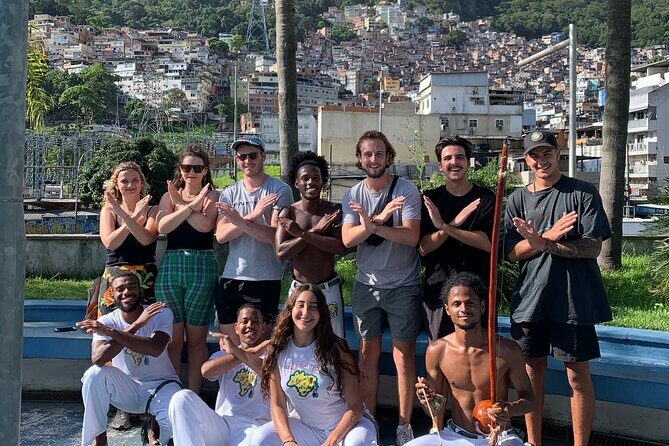
Book it if you want a short, structured look at Rocinha through a local guide—and you care more about understanding daily life than collecting iconic photos. It’s small-group, about 3 hours, and the cultural and practical orientation (viewpoint plus community stops) makes the experience feel coherent.
Don’t book it if you hate walking, dislike discussion, or you want a strictly commercial sightseeing vibe. Also, if you’re very sensitive to any “extra requests” beyond the ticket price, consider asking the guide upfront what to expect so you can enjoy the tour without stress.
If you’re choosing between “Rio highlights” and “real Rio life,” this is one of the better pivots in town—because it doesn’t treat Rocinha as a spectacle. It treats it like a place where people live.
FAQ
How long is the tour?
The tour runs about 3 hours.
Where does the tour start and where does it end?
It starts at Metrô São Conrado (Saída B, Estr. da Gávea – São Conrado, Rio de Janeiro). The activity ends back at the meeting point.
What’s included in the ticket price of $49.05 per person?
The included items are private transportation, a viewpoint, and a personal guide (with an admission ticket included as part of the experience).
Is food included?
No. Foods are not included, and souvenirs are also not included.
What happens if the weather is bad or the tour can’t run?
This experience requires good weather. If it’s canceled due to poor weather, you’ll be offered a different date or a full refund. It also has a minimum number of travelers, and if that minimum isn’t met you’ll get an alternative date/experience or a full refund.
What fitness level do I need?
You should have a moderate physical fitness level for this tour.