REVIEW · RIO DE JANEIRO
Rio de Janeiro: Be a true Rio’s local for a day – Tour
Book on GetYourGuide →Operated by Rio Carioca Tours & Service · Bookable on GetYourGuide
Rio runs on football, samba, and caipirinha. This 5-hour tour strings those passions together across Maracanã and the Sambadrome, then finishes with souvenir shopping at the Sahara district.
What I like most is how quickly it gets you into the story of Rio. You start with a classic caipirinha, and you move on to places tied directly to Brazilians’ everyday pride, not just postcard views.
One thing to keep in mind: in high season, traffic and crowds can stretch the schedule, so plan for a bit of flexibility in your day.
In This Review
- Key highlights at a glance
- How the 5-hour day actually flows in Rio
- Pickup and timing: what matters for a smooth experience
- Maracanã Stadium and the Football Museum: where football pride becomes real
- Sambadrome: Carnival culture explained, even when it’s not parade day
- Sahara district market: shopping for souvenirs that aren’t basic
- The caipirinha welcome: a small start that changes the whole mood
- Guides and drivers: the difference between seeing and understanding
- What’s included (and what you’ll need to handle yourself)
- Price and value: why this feels fair for what you get
- Who should book this, and who should consider alternatives
- What to bring so you’re comfortable in Rio
- Should you book Rio as a local for a day?
- FAQ
- How long is the Rio de Janeiro local-style tour?
- What is the price per person?
- What’s included in the tour price?
- Are meals included?
- Where does pickup happen?
- Is there a meeting point if I can’t do hotel pickup?
- What languages are available for the live guide?
- What should I bring?
- Is there an extra charge for pickup outside the main areas?
- What’s the cancellation and booking flexibility?
Key highlights at a glance
- Caipirinha welcome drink sets the tone fast
- Maracanã Stadium + Football Museum entry focuses on football culture, not just the stadium exterior
- Sambadrome Carnival context helps you understand what you’re seeing even when the parade area looks different outside Carnival
- Sahara district market is a big, variety-filled shopping stop for practical souvenirs
- Round-trip hotel transfers make the day feel low-stress
- Multilingual live guide options (English, Spanish, Portuguese, French, Italian, German)
How the 5-hour day actually flows in Rio
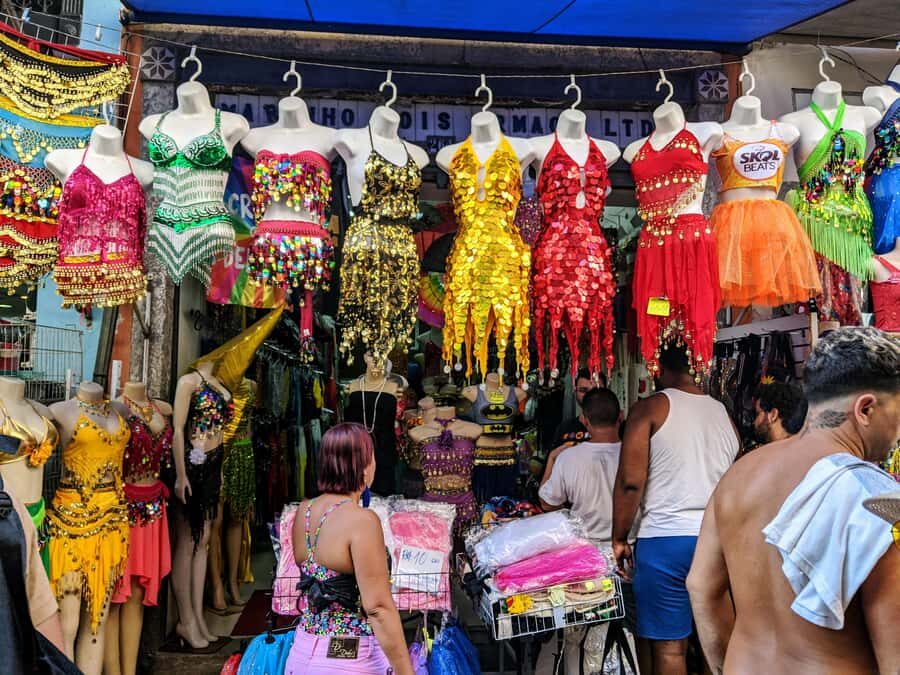
This is built like a tight “Rio sampler” that still feels like you’re doing real activities. In one morning or afternoon block, you’ll hit three big themes of the city: football at Maracanã, Carnival culture at the Sambadrome, and street-market shopping at the Sahara district. Then you’re back at your hotel without needing to figure out transport.
Because the tour is only 5 hours, it’s a good fit if you want structure but don’t want a full day. It’s also a smart way to see several neighborhoods and icons without getting stuck in planning mode, especially if you’re not traveling with a local friend who can point you the right way.
You can also read our reviews of more tours and experiences in Rio De Janeiro.



Pickup and timing: what matters for a smooth experience
The tour includes round-trip transfers, and pickup is offered from most hotels in Leblon, Ipanema, Copacabana, Flamengo, and Centro areas, plus the cruise port. If you’re staying outside those zones, there’s an additional charge for pickup in Barra da Tijuca/Recreio dos Bandeirantes (10 USD or 40 BRL per person).
You’ll also see a set meeting point option: Rio Othon Palace on Avenida Atlantica in Copacabana. So even if pickup is available for you, it helps to know there’s a backup location if your hotel pickup details need confirming.
In high season, the bigger factor isn’t the attractions—it’s time lost to traffic and crowds. That doesn’t mean the experience changes, but your pace might feel slightly less “quick” than you planned. If your goal is exact timing for dinner or another reservation, keep that buffer in mind.
Maracanã Stadium and the Football Museum: where football pride becomes real

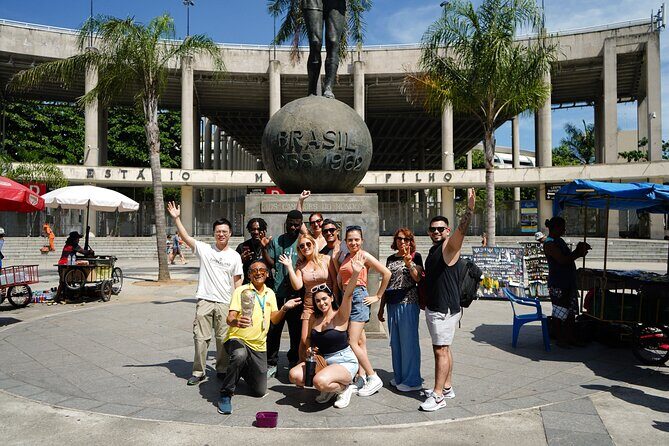
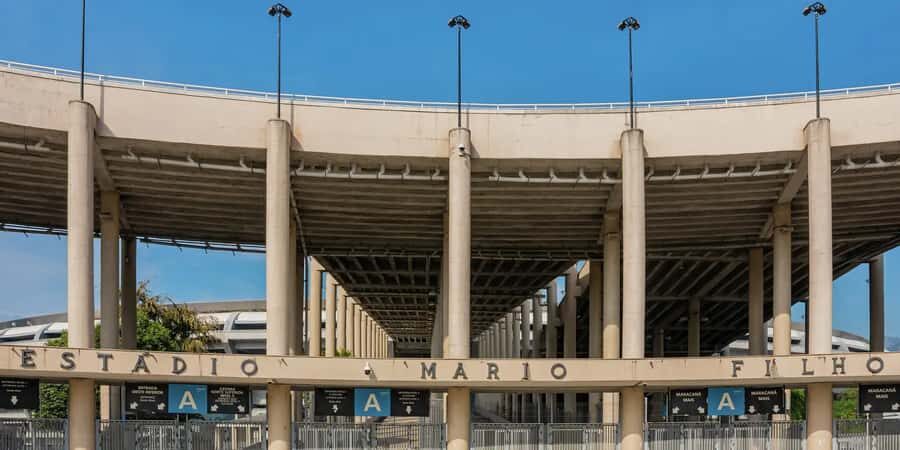
Maracanã isn’t just famous. It’s the kind of place that makes football feel like a shared language across generations. The tour stops at the stadium with included entrance to the Football Museum. That matters, because the museum is where the story sticks.
In practice, you’re not just looking at seats. You’re looking at memorabilia and details that explain why this stadium is so emotionally charged for many Brazilians. The museum setup is designed to connect the sport to the clubs, legends, and visual history fans grew up with.
The tour also includes time in areas tied to match day feel. One review highlighted a dressing-room stop with Brazilian club shirts, which is the kind of “wait, this is where the atmosphere lives” moment that photos don’t fully capture.
What to watch for: if you’re a die-hard fan, you’ll probably want more time than the 5-hour window allows. If you’re more casual about football, you’ll still get enough context to understand why Maracanã is a cornerstone of Rio identity. Either way, you’ll leave with the sense that football here is not a hobby; it’s part of the city’s rhythm.
Sambadrome: Carnival culture explained, even when it’s not parade day

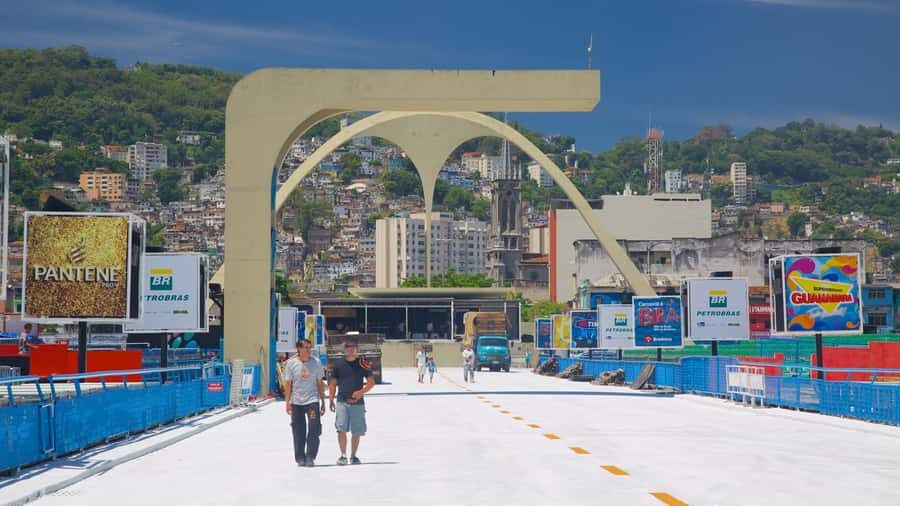
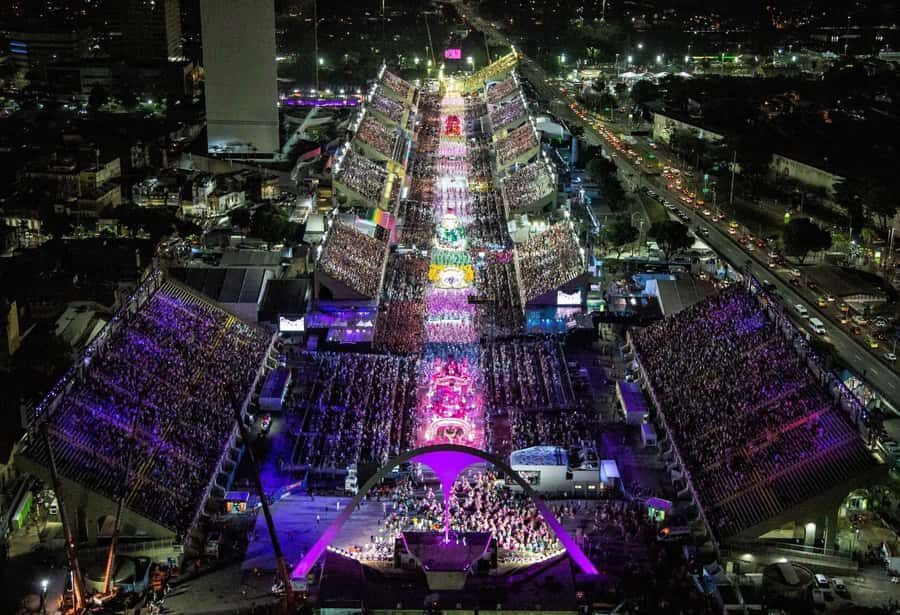
The Sambadrome is the Carnival heart of Rio. Even if you’re visiting outside peak parade dates, the tour’s focus here is on learning what that space means and how it works during Carnival.
Here’s the practical catch: outside Carnival season, the Sambadrome can look more like a stretch of bleachers and roads than the full spectacle you see on TV. One tour experience described it as mostly limited visual features unless it’s right in the parade setup period.
So what’s still worth it? The value is in the explanation. When your guide walks you through why the Sambadrome matters, you’ll start connecting details: how the parade format works, why the design is built for performance, and what people mean when they talk about Carnival as culture rather than just parties.
This stop is best for you if you want context. If your only goal is maximum costume-and-floats visuals, you might feel slightly less wowed at the Sambadrome itself. But if you go in expecting learning plus the chance to picture the parade in your mind, it lands well.
Sahara district market: shopping for souvenirs that aren’t basic
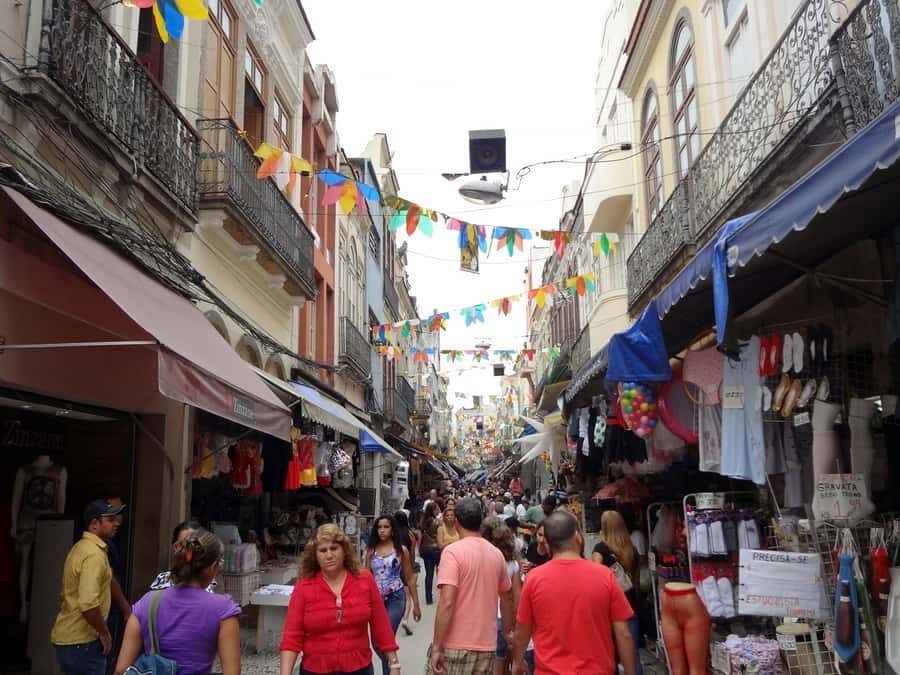
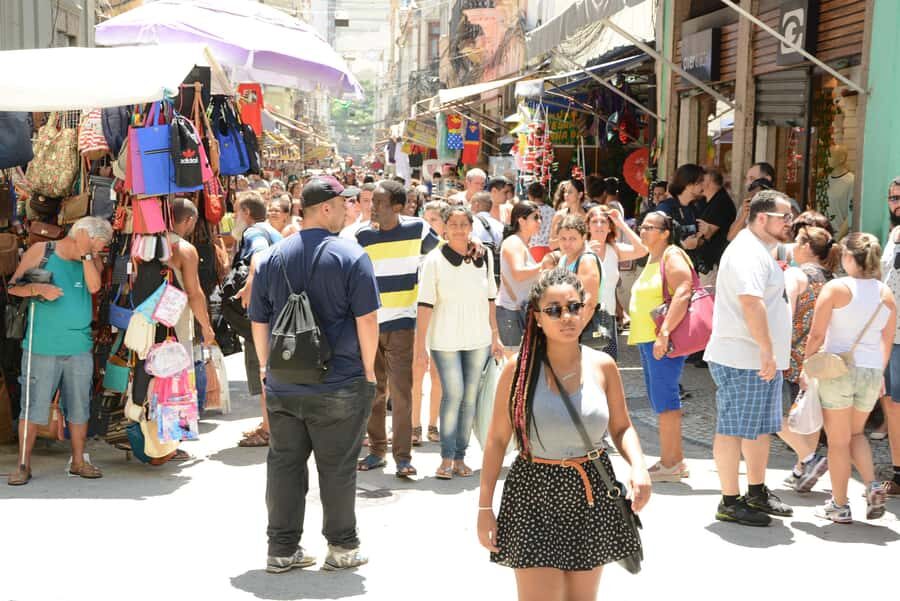
After football and Carnival, you land in the Sahara district, Rio’s largest market area. This part is a totally different energy: more shops, more variety, more bargaining-style conversations, and more “I didn’t know I needed that” moments.
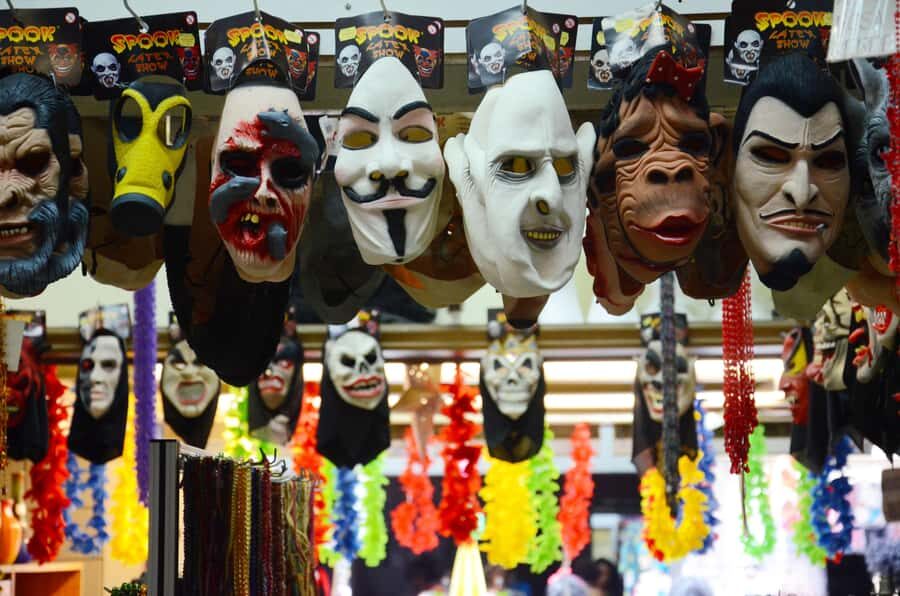
The market is broad. You’ll find clothes, shoes, accessories, costumes, makeup, and even items that go beyond typical souvenir shopping like furniture and party supplies. There are also toys, so it’s a place to grab gifts that don’t look like generic airport stuff.
One reason this stop works is the guide support. In one experience with Karen, she acted as a translator between the vendor and the shopper, even helping pick a bikini color. That kind of assistance is surprisingly useful in markets where your Spanish or English might not be enough to handle sizing, material, or pricing questions confidently.
What to watch for in your own shopping:
- Go with a clear idea of what you want (clothes vs. costumes vs. small gifts), so you don’t lose the best items to decision fatigue.
- If you’re shopping for clothing, expect some trial-and-error depending on sizing availability.
- Bring cash if you prefer—but the tour info doesn’t specify payment methods here, so just be ready for market-style variety.






The caipirinha welcome: a small start that changes the whole mood
You begin with a welcome drink: a caipirinha. This isn’t just a cute gesture. It’s a practical way to get the day feeling local and relaxed from the first stop.
One review noted the tour ended with another caipirinha moment shared along the way, which shows how the experience can keep momentum instead of feeling like a checklist. Either way, starting with caipirinha helps you settle in and treat the day as a cultural stroll with structured stops.
If you’re not a fan of strong lime-and-spirit flavors, consider it a sample rather than a commitment. Still, it’s one of those Rio traditions that makes the rest of the itinerary click faster.
Guides and drivers: the difference between seeing and understanding
This tour lives and dies by its human factor. The guide is there for the connections: why Maracanã and the Sambadrome matter, and how to move through the market without feeling lost.
You’ll see multiple languages offered, including English, Spanish, Portuguese, French, Italian, and German. That’s a big deal because it lets you actually follow the story while you’re moving between sites.
Specific guide experiences show the range:
- Luis delivered explanations in French and was described as genuinely passionate about football, sharing enthusiasm that made Maracanã feel more personal.
- Renato was credited with helping people discover a beautiful side of Rio through interesting explanations, and Eric handled the driving smoothly.
- Karen kept the tone lively and engaging, and helped translate in the Sahara market to make shopping easier.
If you care about context, you’ll appreciate how much the guide shapes the day.
What’s included (and what you’ll need to handle yourself)
Included in the price:
- Tour guide
- Transfer in/out (round trip)
- Entrance to the Football Museum at Maracanã
- Welcome drink (caipirinha)
Not included:
- Meals and other beverages
So you’ll want to plan either:
- Eat before the tour, or
- Bring a simple plan for after, since the itinerary covers three major stops without including a full meal.
Because you’re in-market by the Sahara district, it can be tempting to snack on the go, but you’ll still be responsible for any food purchases.
Price and value: why this feels fair for what you get
At $74 per person for a 5-hour guided tour, you’re paying for three things that can be expensive or annoying if you do them alone: transportation, guided context, and the paid museum entry.
If you’ve ever tried to string together stadium access, museum entry, Carnival-site context, and market time in one go, the real cost isn’t just money—it’s decision fatigue plus time. Here, the logistics are handled, and the guide adds the explanation piece that makes the stops feel connected instead of random.
Where value shines:
- You get museum entry without hunting tickets or timing.
- You get round-trip transfers, which saves effort and reduces navigation stress.
- You get someone helping with Carnival meaning and market bargaining-style questions.
Where value might feel limited:
- If you’re expecting Carnival parade visuals at the Sambadrome, the tour timing and season can limit what you physically see there. In that case, you’re paying mainly for understanding, not spectacle.
Who should book this, and who should consider alternatives
Book this tour if you:
- Like football culture and want to see Maracanã in a structured way
- Want a quick, organized day that touches Carnival culture without needing to plan everything yourself
- Enjoy shopping in a real local market and want help communicating
- Prefer hotel pickup and transfers instead of figuring out routes
Consider a different plan if you:
- Only want maximum parade-day visuals at the Sambadrome and are visiting outside Carnival setup windows
- Need lots of free time for shopping or extra museum time beyond a fixed 5-hour schedule
What to bring so you’re comfortable in Rio
Rio weather can change your whole experience, and you’ll be walking and outdoors at multiple stops. Bring:
- Hat
- Sunscreen
Also consider your comfort shoes, since the market part is the most stop-and-shop style, and you’ll likely move through lots of stalls.
If you have reduced mobility or use a wheelchair, notify in advance. Access is subject to availability.
Should you book Rio as a local for a day?
If your goal is a focused taste of Rio’s biggest passions—football, Carnival culture, and market shopping—this is a strong choice. The combination of Maracanã museum entry, Sambadrome context, and Sahara district browsing gives you variety without turning the day into a transportation headache.
I’d book it if you like having someone connect the dots. The guide experience seems to matter a lot here, from Luis’s football enthusiasm to Karen’s shopping help in the Sahara district. Just go in expecting the Sambadrome to be more about meaning and context outside Carnival, and you’ll get the best out of the 5-hour format.
FAQ
How long is the Rio de Janeiro local-style tour?
The tour lasts 5 hours.
What is the price per person?
The price is $74 per person.
What’s included in the tour price?
It includes a tour guide, transfer in/out, entrance to the Football Museum at Maracanã, and a welcome drink (caipirinha).
Are meals included?
No. Meals and other beverages are not included.
Where does pickup happen?
Pickup is available from most hotels in Leblon, Ipanema, Copacabana, Flamengo and Centro areas, plus the cruise port. You’ll need to confirm your hotel location to set the pickup time.
Is there a meeting point if I can’t do hotel pickup?
Yes. The meeting point listed is Rio Othon Palace at Avenida Atlantica, 3264 in Copacabana.
What languages are available for the live guide?
The live guide is available in English, Spanish, Portuguese, French, Italian, and German.
What should I bring?
You should bring a hat and sunscreen.
Is there an extra charge for pickup outside the main areas?
Yes. There is an additional charge for pickup in Barra da Tijuca/Recreio dos Bandeirantes: 10 USD or 40 BRL per person.
What’s the cancellation and booking flexibility?
You can cancel up to 24 hours in advance for a full refund, and you can reserve now & pay later.