REVIEW · RIO DE JANEIRO
Rio Culture and History through the Art of Traditional Foods
Book on GetYourGuide →Operated by Gregtur Tourism · Bookable on GetYourGuide
Food turns Rio into a living museum. On this guided walk through Santa Teresa and Lapa, you eat your way through Rio’s food culture, from pão de queijo to cachaça, while a local guide brings the stories to life. I especially like the hands-on tastings (salty snacks and drinks included) and the lively guide energy you can feel, with guides such as Romayne and Camila leading some departures.
One thing to plan for: this is $198 per person, so it’s best when you’re genuinely ready to eat and drink your way through a full morning. Also, there’s no hotel pickup, and you’ll start at 10:45 am from a set meeting point, so you need to get there on your own with no large bags.
The day runs about 6 hours, with a mix of walking, sightseeing, and a tram ride over the Lapa Arches aqueduct—plus a scenic stop by Ruins Park. If you want Rio that smells like kitchens and bakeries, this is a great format.
In This Review
- Key things I’d prioritize on this tour
- A Food-Focused Walk Through Santa Teresa and Lapa
- What You Taste: Brazilian Classics, Plus the Ingredients Behind Them
- Colombo Confectionery: Why the Sweet Stop Isn’t Just a Break
- The Tram Over Lapa Arches and the Ruins Park Views
- Santa Teresa and Lapa Streets: How the Neighborhoods Support the Food Story
- Food History You Can Actually Use
- Timing, Group Feel, and What to Bring
- Price and Value: Is $198 Worth It?
- Who This Tour Suits Best (and Who Might Skip It)
- Should you book Rio Culture and History through the Art of Traditional Foods?
- FAQ
- How long is the Rio Culture and History through the Art of Traditional Foods tour?
- Where do I meet the guide, and when does the tour start?
- Is hotel pickup or drop-off included?
- What languages is the live guide available in?
- How much walking is involved?
- What is included in the price?
Key things I’d prioritize on this tour
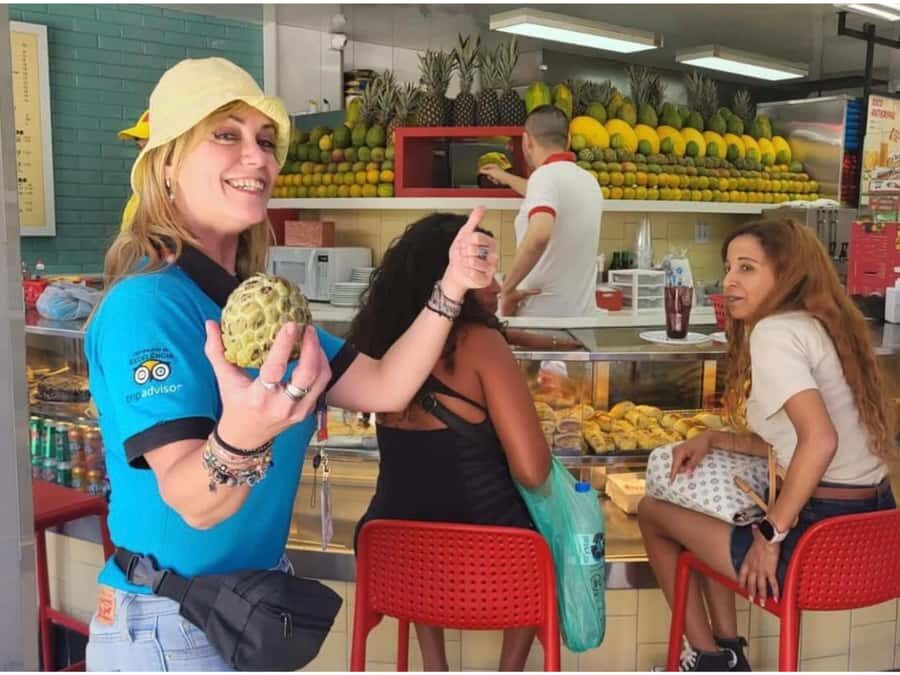
- Pão de queijo, coxinha, and cachaça: you get the classic hits, not just one or two tastes
- Colombo confectionery for sweet and salty: a big stop for Rio sugar culture
- Santa Teresa + Lapa neighborhoods: trendy bars and restaurant streets mixed with local detail
- Tram over the Lapa Arches aqueduct: quick city views without adding a ton of extra walking
- Food-history storytelling: you learn why ingredients like manioc and tapioca matter
- A real local guide experience: the guides on offer (including Romayne and Camila) tend to be energetic and story-forward
A Food-Focused Walk Through Santa Teresa and Lapa
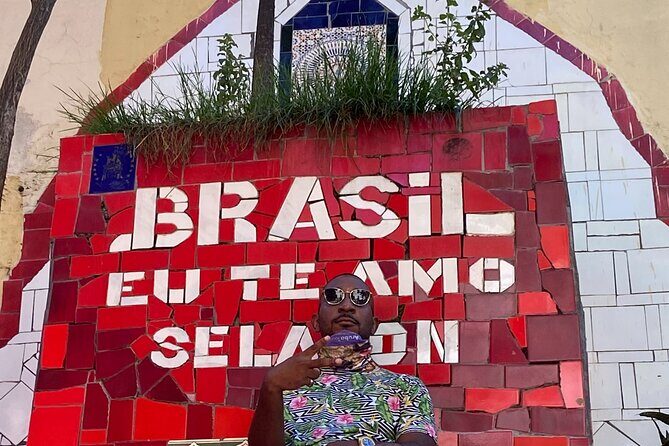
This tour is built around the idea that Rio’s food isn’t just food. It’s geography, family tradition, and everyday life, packed into a morning walk that covers two very different-feeling neighborhoods. Santa Teresa gives you that hillside neighborhood vibe, and Lapa brings you street energy and the kind of restaurant density where it feels like you’re walking past someone’s favorite spot.
The pacing is travel-friendly. You’ll walk about 1 mile total, so you’re not doing an all-day hike. Most of the time, it feels like moving from one food world to the next, with stops planned so you can sample and then regroup.
You’ll also get a guide who works the route like a story. In practice, that means explanations aren’t stuck behind a lecture tone; they show up when you’re standing in front of what you’re eating and where it comes from.
You can also read our reviews of more historical tours in Rio De Janeiro



What You Taste: Brazilian Classics, Plus the Ingredients Behind Them

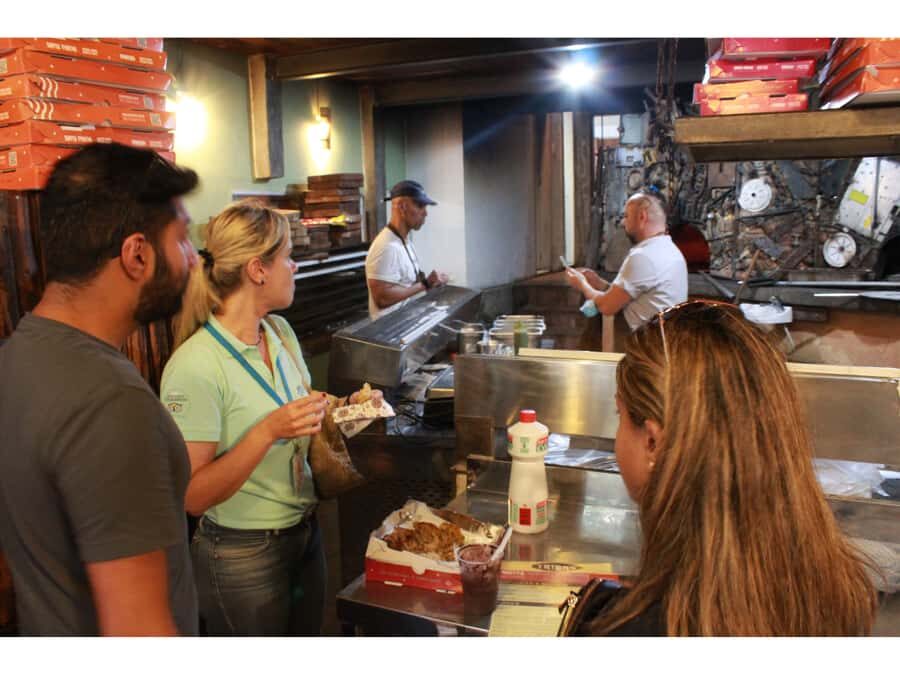
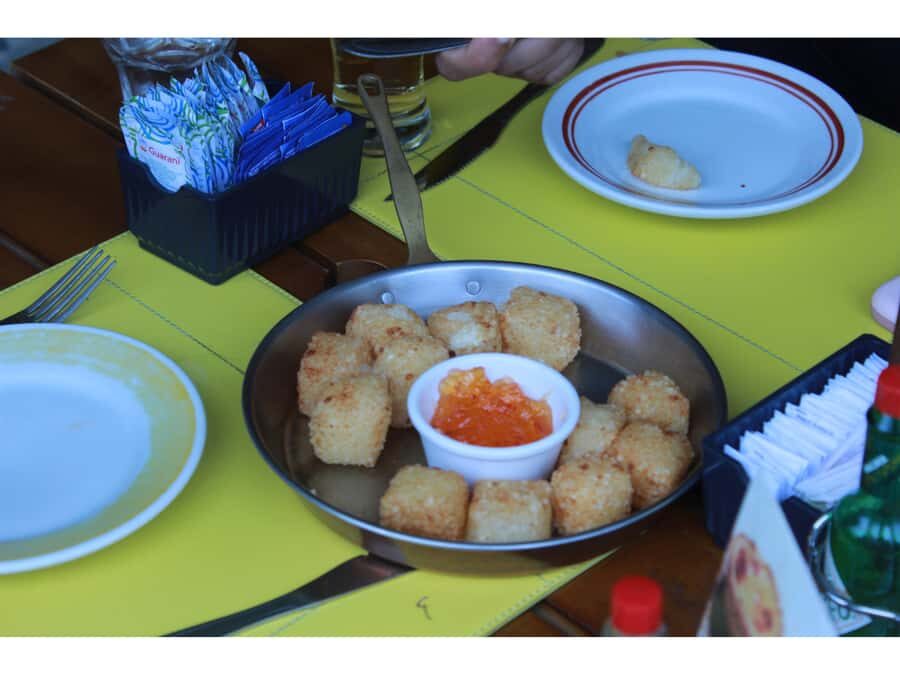
The tastings are the main event here, and the tour is careful about variety. You’ll sample authentic local products like pão de queijo and coxinha, plus other salty snacks that help you understand what locals reach for in daily life. If you tend to travel hungry and you want more than one bite per stop, this format fits.
What I like is that the tour connects foods to ingredients you’ll recognize in Brazilian cuisine. Expect to see elements like açaí, tapioca, and manioc flour show up along the way. When a guide ties those ingredients to why they’re used, you end up with a mental map you can use later, whether you’re ordering at a restaurant or shopping at a market.
Drinks also matter on this tour. You’ll taste local beer and cachaça, not just one small sip. That’s important because in Rio, beverages and snacks often travel together—so the story of taste is bigger than what’s on a plate.
A practical note: you’ll want to start the day with a full stomach buffer. Even if the walking amount is light, the total amount of sampling is not “one sample per stop.” Come hungry, and you’ll have a better time.
Colombo Confectionery: Why the Sweet Stop Isn’t Just a Break
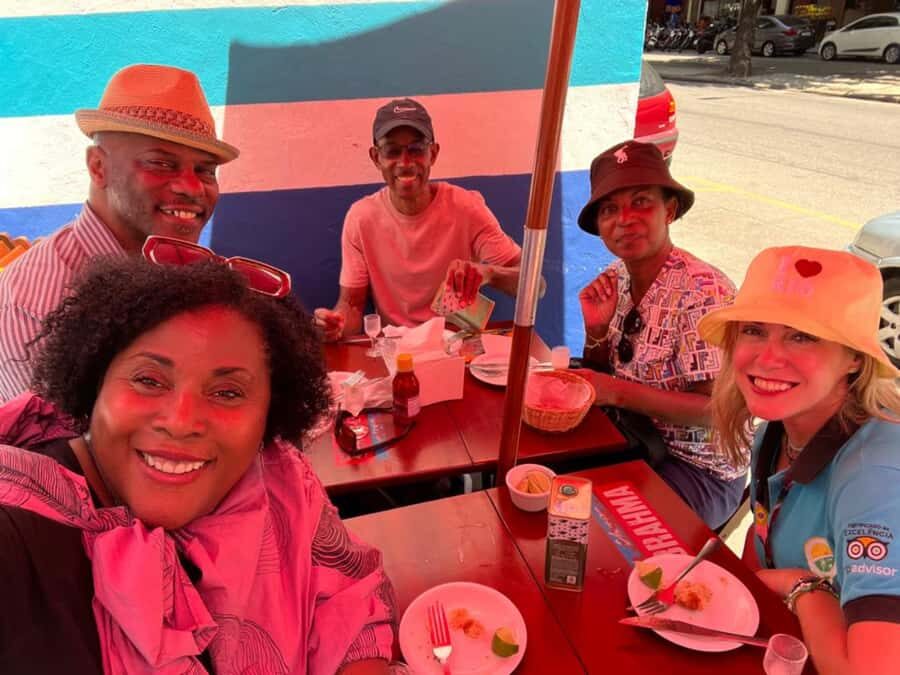
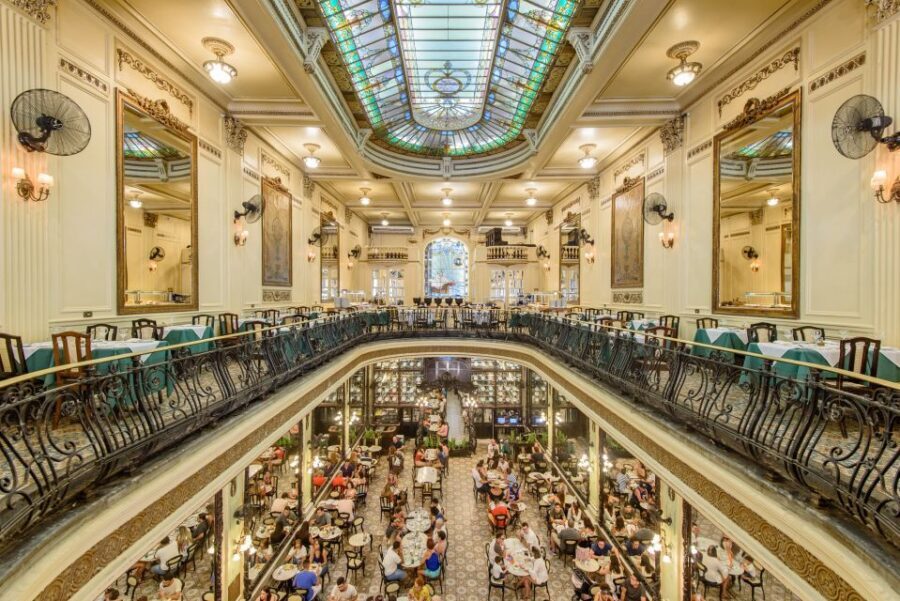
One standout highlight is the well-known Colombo confectionery. It’s the kind of stop that feels like you’re stepping into a Rio institution—part store, part nostalgia machine, part sugar education. You’ll lose yourself among sweets and salty snacks, which matters because Rio’s candy and savory snacks often share the same cultural lane.
This is also where the tour’s structure really helps. Instead of treating dessert like a last-minute sugar hit, the guide uses it to tell the food-story thread that runs through the whole morning. You’re not just eating; you’re noticing how flavors and textures fit into Rio’s food preferences.
If you love contrast—crunch against creamy, syrupy sweetness next to savory salt—this stop is a good bet. If sweets aren’t your thing, you can still enjoy it, but you may want to keep your expectations realistic and focus on the broader tasting set.
The Tram Over Lapa Arches and the Ruins Park Views
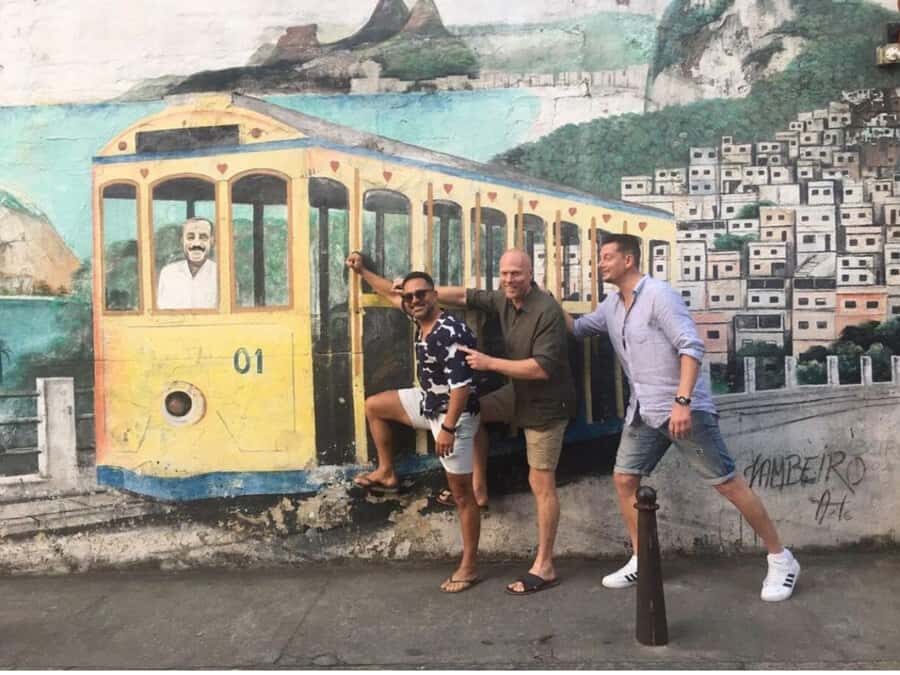
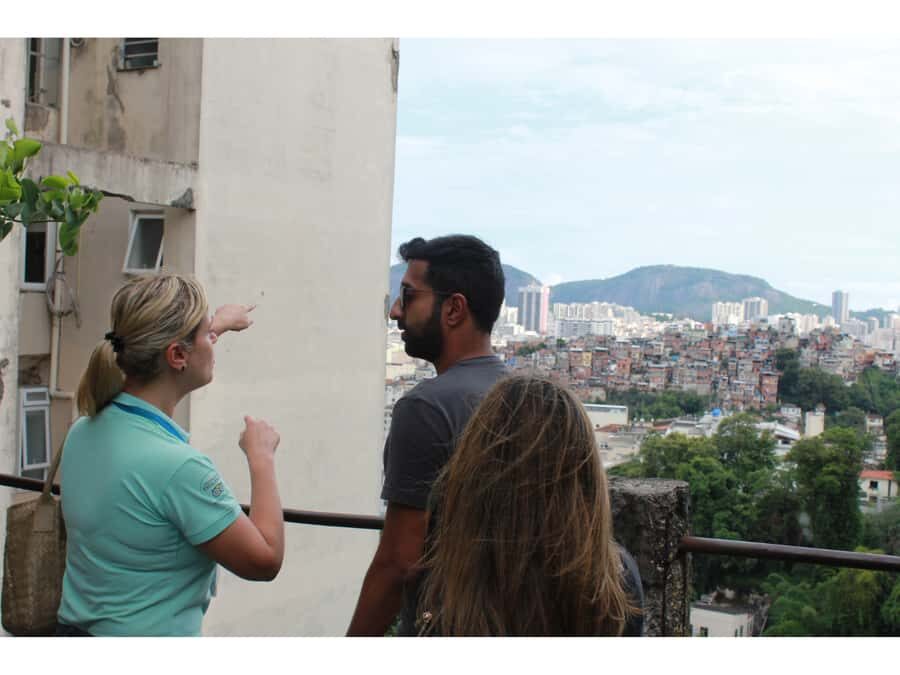
A big chunk of the sightseeing comes from a charming tram ride over the Lapa Arches aqueduct. This is a smart add-on because it gives you city views without turning the day into a long endurance test. You’ll ride through downtown toward Santa Teresa, and you’ll also pass by Ruins Park where you can look out over the city.
The aqueduct stretch is visually memorable. It’s one of those Rio scenes where you can feel why people love old infrastructure turned into modern views. And because it’s part of the route rather than a separate “tour inside the tour,” it keeps the day flowing.
Ruins Park adds a different feeling: more open sightlines and a chance to reset before you go back into eating and walking. It’s the right kind of pause, especially when you’ve been tasting for a couple hours.
Santa Teresa and Lapa Streets: How the Neighborhoods Support the Food Story
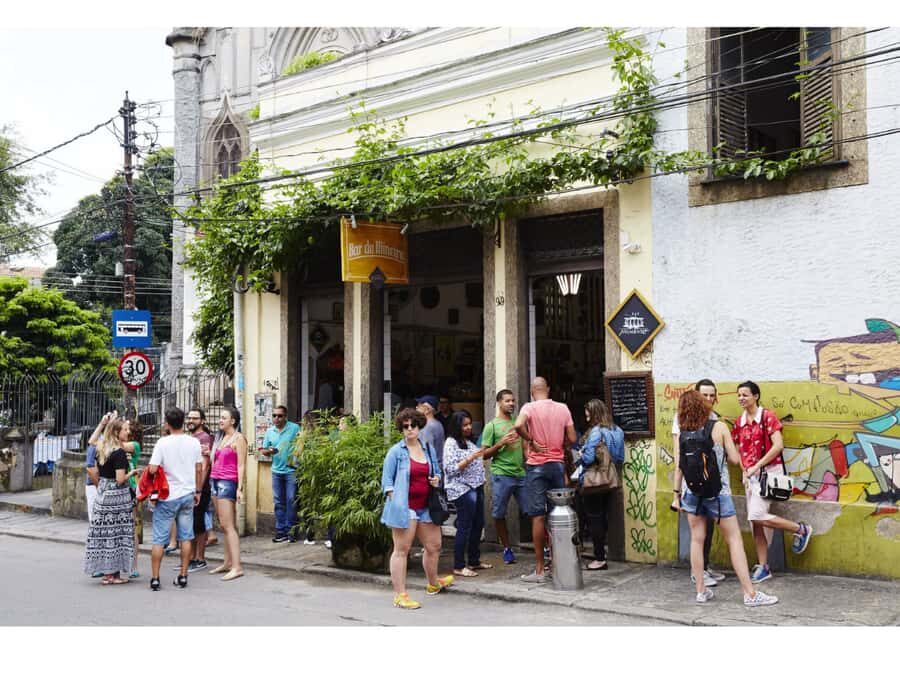
The route doesn’t treat Santa Teresa and Lapa as just photo stops. The neighborhoods give context to the food culture you’re tasting. Santa Teresa is where the tour’s mix of views and local hangout energy makes sense, while Lapa is where street life and dining density help you understand why these foods are so “everyday.”
This matters for your trip because it turns a list of dishes into something you can place on a map. Instead of remembering flavors only, you’ll remember streets, viewpoints, and neighborhood rhythms.
You’ll also notice that the guide’s explanations often connect to how people live. That’s where guides such as Romayne and Camila tend to shine in the departures they lead: storytelling that feels tied to the street, not just to facts.
If you like photos, you’ll find opportunities. If you prefer slower walking to stop-and-stare sightseeing, this route still works because the walking distance is moderate.






Food History You Can Actually Use

The tour’s angle is “Rio culture and history through the art of traditional foods.” That doesn’t have to mean speeches. In this format, history shows up when your guide explains why certain ingredients are so common and how food traditions persist.
You’ll learn about Rio de Janeiro’s food history and the family traditions behind the food locales you visit. That kind of detail helps you understand why a snack tastes the way it does and why people choose it. It also gives you better ordering instincts later, since you’ll know what each ingredient typically brings to the flavor and texture.
You’ll also pick up useful context about the way Brazilian cuisine uses staples like manioc flour and tapioca. Those ingredients might sound technical until you’re tasting them in the dishes on the street. Then they start to make sense.
This is the kind of tour that pays off beyond the meal. When you return to a restaurant, you’ll have a sharper sense of what’s traditional and what’s just a modern twist.
Timing, Group Feel, and What to Bring
The tour runs 6 hours, starting at 10:45 am after check-in at 10:30 am. You’ll meet at a designated spot, so give yourself buffer time to find it and get oriented. There’s no hotel pickup, so plan your own way to the meeting point.
In terms of effort, the walking distance is about 1 mile. That’s usually manageable for most people, but you’ll still be on your feet for several hours while moving between tastings and viewpoints. Comfortable clothes and outdoor-ready wear are a good idea.
Bring sunglasses and a sun hat. Rio sun can be bright, and you’ll have at least some time where you’re outside and looking around. Also, no luggage or large bags are allowed, so travel light.
Price and Value: Is $198 Worth It?
At $198 per person, you’re paying for more than a snack crawl. You’re getting a professional guide, tastings and food samples, a tram ticket, and entrance fees—all built into one time block. When the cost includes guided tastings plus transport elements, it tends to be more cost-effective than piecing everything together on your own.
The value equation improves if you’re the type of traveler who likes to try lots of foods in one go. The tour includes multiple tastings, plus beer and cachaça, so you’re not just sampling one category. You’re getting a full “Rio flavor” morning, not a short stop at two places.
The main reason this price might feel high is if you don’t drink alcohol, don’t eat much, or you’re looking for only light, quick bites. In that case, you might prefer a shorter food-and-coffee style tour instead.
Who This Tour Suits Best (and Who Might Skip It)
This works especially well if you want:
- a food-centered Rio day that also includes real neighborhood sightseeing
- a guide who can connect dishes to Rio’s culture and ingredients
- a moderate walking route with a tram ride for viewpoints
It might not be your best choice if:
- you’re not interested in tasting a variety of foods and drinks
- you need hotel pickup or don’t want to manage your own meeting point arrival
- you’re traveling with luggage or larger bags (those aren’t allowed)
If your idea of travel is “find local flavors and learn the why,” this tour fits your style.
Should you book Rio Culture and History through the Art of Traditional Foods?
I think this is a smart pick if you’re visiting Rio for a limited time and you want a morning that combines food culture with neighborhood atmosphere. The best part is the balance: tastings like pão de queijo and coxinha, a memorable sweet stop at Colombo, and a scenic tram ride over the Lapa Arches aqueduct, all wrapped in food-history storytelling.
Book it if you’re hungry for variety and you’re comfortable meeting at 10:45 am without pickup. Skip it if you want a slower, non-food-heavy tour or if you’re not likely to enjoy the beer and cachaça component.
FAQ
How long is the Rio Culture and History through the Art of Traditional Foods tour?
It lasts about 6 hours.
Where do I meet the guide, and when does the tour start?
You meet at the designated meeting point and time. Check-in is at 10:30 a.m., and departure is at 10:45 a.m.
Is hotel pickup or drop-off included?
No. Hotel pickup and drop-off are not included.
What languages is the live guide available in?
The live tour guide is available in English and Spanish.
How much walking is involved?
The distance walked is about 1 mile, which is suitable for most fitness levels.
What is included in the price?
The tour includes a professional guide, tastings and food samples, a tram ticket, entrance fees, and the walking tour itself.