REVIEW · RIO DE JANEIRO
Pedra da Gávea the Most Challenging Hike of Rio de Janeiro
Book on Viator →Operated by EcotuRio · Bookable on Viator
Rio’s hardest climb starts with trees.
This hike up Pedra da Gávea turns a rainforest approach into real rock work, including a short technical section where you’ll use safety equipment. I like that the route is small-group and focused, so the guide can manage pace and safety, and I like that you get a proper summit payoff over a full half day. The main thing to consider: it’s physically demanding, and the exposed summit area means you need to come prepared for sun and heat.
Two things really stand out for me. First, the guidework—especially Thomas Arias (often called Tom)—comes through as calm, safety-first, and able to adapt when someone in the group needs extra confidence on the climb. Second, the experience is built around the rock: you’re not just walking to a viewpoint; you’re learning how to move safely on a challenging route with the right gear.
One possible drawback is timing and effort. You should plan on about 6 to 8 hours total, and you’ll be doing a lot of uphill with a notable climbing step in the middle. If you’re not strong on endurance and footwork, this can feel like a battle instead of an adventure.
In This Review
- Key Highlights You’ll Care About
- Pedra da Gávea: when Rio turns into rock climbing
- The uphill grind: 5km uphill and a summit around 980 meters
- Carrasqueira: the 30m technical moment where safety gear matters
- Meeting in Barra da Tijuca at 8:00 am and starting smart
- Shade on the way up, sun at the top: water and head protection
- What the summit experience gives you (besides a good workout)
- Gear and route guidance: included equipment and a safety-first mindset
- Price and value: what $88.71 covers on a technically demanding route
- Who this hike is for (and who should choose another plan)
- Weather and planning your best day in Rio
- Should you book Pedra da Gávea with EcotuRio?
- FAQ
- How long does the Pedra da Gávea hike take?
- Where is the meeting point and what time does it start?
- How much hiking is involved before reaching the top?
- What is carrasqueira during the hike?
- Do I need strong fitness for this activity?
- What should I bring for the hike?
- Is lunch included?
- Is climbing equipment provided?
- How many people are in the group?
- What happens if weather is bad or I need to cancel?
Key Highlights You’ll Care About
- A 30m carrasqueira climbing section with safety equipment, not just a casual scramble
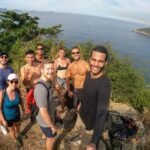
- Small group size (max 6) for better attention and smoother pacing
- Shade for most of the climb, then sun exposure when you reach the top
- Thomas Arias brings bilingual support (English/Spanish) for an easier, less-stress experience
- Photo help and a Google Photos album afterward, so you leave with more than memories
- Certified, in-good-condition climbing gear included in the price
Pedra da Gávea: when Rio turns into rock climbing
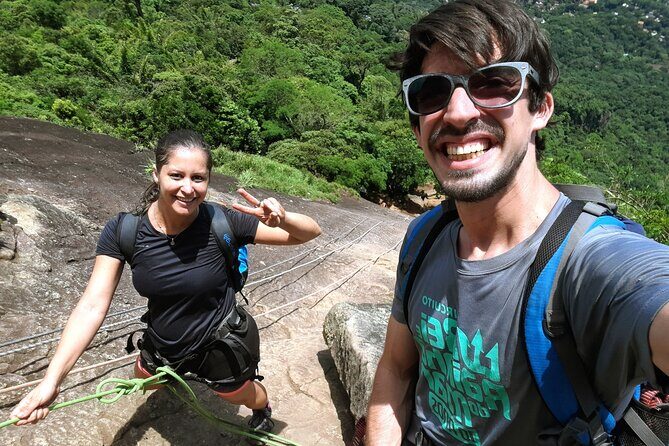
Pedra da Gávea sits right above Rio de Janeiro, and it has a reputation for being tough for a reason. This isn’t a scenic stroll. You hike uphill to reach the top of the rock, and then a technical section takes over the middle of the route.
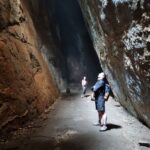
What makes it special is that you get two different experiences in one day. You’ll spend a good chunk moving through shaded greenery, then shift to exposed stone when the trail gets serious. That mix is part of why this feels like a real outdoor challenge, not a quick photo stop.
And because the route includes a climbing segment, you’ll be using specialized gear. That changes the vibe from hike-only to hike-plus-climb, and it’s why a guide matters so much here.
You can also read our reviews of more hiking tours in Rio de Janeiro
The uphill grind: 5km uphill and a summit around 980 meters
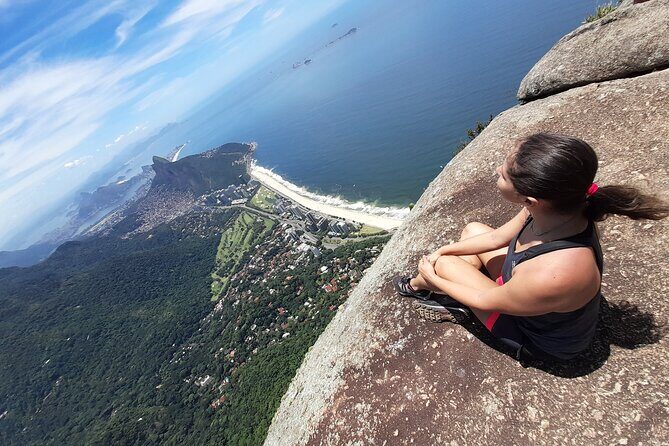
Expect to cover about 5km uphill to reach the top at roughly 980 meters high. That number can be misleading if you’re thinking in “easy trail” terms. Even if the distance isn’t huge, the climb is uphill for a reason: the rock is steep and the trail is demanding.
The total time runs about 6 to 8 hours. I’d treat that as the real planning window, not a best-case estimate. If you’re slower on steep terrain, or if you need extra time with the climbing section, it adds up.
There’s also a practical reason to respect the time: you’ll be managing hydration, heat, and focus for hours. This isn’t a one-hour adrenaline burst. It’s an all-morning to early-afternoon effort that asks you to stay steady.
Carrasqueira: the 30m technical moment where safety gear matters
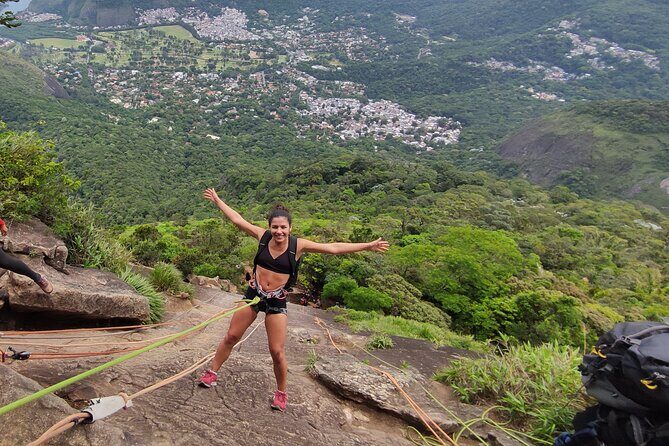
Around 70% of the hike, you hit the biggest challenge: carrasqueira. This is a 30-meter climbing section where you’ll use security equipment to make the climb safe and manageable.
The key point for your decision-making is that the climbing part isn’t just “reach and hope.” It’s a guided, equipment-assisted segment. That means your guide handles the setup, checks your readiness, and gives instructions so you can move with confidence.
In the best cases, that confidence transfers to the whole group. In the accounts I’m drawing from, Thomas/Tom is described as patient and attentive—especially with first-time climbers and anyone who felt nervous before the rope-and-safety style portion. If you’re worried about being the only beginner, this is the kind of activity where a good guide can change your experience fast.
Meeting in Barra da Tijuca at 8:00 am and starting smart
You meet at Point da Meire, Estr. Sorimã, 932 – Barra da Tijuca, Rio de Janeiro (CEP 22611-030). Start time is 8:00 am, and the activity ends back at the meeting point.
Arrive with a little buffer. With a technical route, it’s not just about starting on time—it’s about getting the gear check right before you commit to steep and exposed sections. If you show up rushed, you’ll feel it later.
Since this is a maximum 6 travelers format, you’re not waiting around with a big crowd. The small size is a value, but it also means your punctuality helps the whole group keep a steady rhythm.
Shade on the way up, sun at the top: water and head protection
About 70% of the hike is in the shade of trees. That’s excellent news for comfort, especially in Rio’s warmer hours. But at the top, there’s no protection, so your time near the summit depends on preparation.
Bring 2 liters of water per person. That specific number matters. Even if you’re a strong hiker, the technical section and long uphill push your body more than you might expect. Under-hydration turns a climb into a struggle, and you want the climbing part to be about technique, not exhaustion.
Also pack sunscreen and something to protect your head. It sounds basic, but it’s a big difference between enjoying the top views and counting minutes until you can get back to shade.
What the summit experience gives you (besides a good workout)
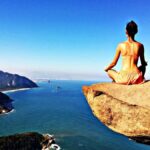
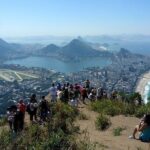
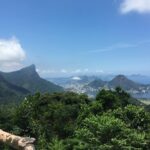
Reaching the top is the point. Pedra da Gávea is known for views that feel like a different side of Rio—rock, city, and ocean energy all pressing together in one sightline. This is one of those hikes where the reward isn’t just a single viewpoint; it’s the way the rock frames Rio while you’re standing on it.
Plan to slow down at the top. Your eyes will work overtime, and the exposed environment means you’ll want to keep sun management in mind. Think “stand, look, breathe, and hydrate,” not “run around fast for photos.”
It helps that Thomas/Tom is described as a strong photographer—someone who knows where to stand to get great shots. If you care about leaving with more than a blurry phone snapshot, that’s a real plus. You may even receive a Google Photos album afterward, which is a nice convenience when you want to keep the trip memories organized.
Gear and route guidance: included equipment and a safety-first mindset
Climbing equipment is included. For a hike that includes a 30m carrasqueira climbing section, that inclusion isn’t a small detail. You’re paying for a trained guide and for the safety system that lets you tackle the technical part without improvising.
In multiple accounts, Thomas/Tom is described as professional about safety and instruction. The tone you want from a guide on a climbing segment is calm and direct. That’s how it’s portrayed, including explanations before the hike and careful guidance during the climb.
There’s also an important “human” detail that matters on hard hikes: the guide checks your readiness and adapts when needed. One account describes tailoring the hike to different comfort levels in a mixed-experience group. That’s exactly what you want when you’re dealing with a short but serious technical step.
Price and value: what $88.71 covers on a technically demanding route
At $88.71 per person, this is not a bargain-bus tour. But it also isn’t overpriced for what you’re actually doing.
Here’s the value logic:
- You’re hiking 5km uphill on terrain that includes a 30m climbing section.
- Climbing equipment is included.
- The group is capped at 6 travelers, which typically means more time with the guide and more oversight during the technical part.
Lunch is not included, so you’ll want to plan food around the hike time. But the tour price is focused on the experience that matters most: safe access to the rock climb and expert coaching to get you through it.
If you want a purely easy hike, this won’t feel like value. If you want an experience that includes real climbing work with safety gear and a guide who can teach and reassure, the cost makes more sense.
Who this hike is for (and who should choose another plan)
This hike is best for people who:
- are in strong physical shape
- can handle steep uphill for hours
- feel comfortable with the idea of a short technical climb with equipment support
It’s also a strong pick for first-timers who are open to learning. Accounts describe first-time climbers feeling safe while being guided through the equipment-assisted section with patience.
Who might struggle:
- anyone who gets winded easily on uphill trails
- people who dislike exposed conditions and bright sun at the top
- anyone who can’t commit to carrying water and staying focused for 6 to 8 hours
If you’re on the fence, be honest with yourself. Pedra da Gávea is not a “try it and see” hike.
Weather and planning your best day in Rio
This experience requires good weather. If it’s canceled due to poor weather, you’ll be offered a different date or a full refund. That’s a big deal for a route that mixes steep rock and exposure.
If you can be flexible, you’ll give yourself a better shot at enjoying the climb rather than losing time to rain, slick rock, or delays. Rio’s weather can shift fast, so the ability to adjust matters here.
Should you book Pedra da Gávea with EcotuRio?
If you want a Rio hike that actually feels like an accomplishment, this is one of the better choices. The combination of a shaded approach, a serious carrasqueira climbing section, and included safety gear makes it more than a viewpoint walk.
Book it if you’re ready for effort and you want expert guidance—especially if you’re a first-time climber and you’d appreciate a guide who can coach you through the hard parts. The small group limit and Thomas Arias’s described calm professionalism are exactly what you want on technical terrain.
Skip it if you’re aiming for an easy day outdoors, or if you know you can’t handle hours of uphill with sun exposure at the top. In that case, pick a lower-risk hike and save this one for when you’re fit and ready to move on rock.
FAQ
How long does the Pedra da Gávea hike take?
The activity takes around 6 to 8 hours (about 7 hours on average).
Where is the meeting point and what time does it start?
You meet at Point da Meire, Estr. Sorimã, 932 – Barra da Tijuca, Rio de Janeiro – RJ, 22611-030, and the start time is 8:00 am.
How much hiking is involved before reaching the top?
You’ll hike about 5 km uphill to reach the top of Pedra da Gávea.
What is carrasqueira during the hike?
Carrasqueira is the biggest challenge on the route: a 30-meter climbing section where you’ll use the security equipment. It happens around 70% of the way through the hike.
Do I need strong fitness for this activity?
Yes. The activity is described as requiring strong physical fitness, and it’s recommended only if you are on shape and prepared for the adventure.
What should I bring for the hike?
Bring 2 liters of water per person. Also plan for sunscreen and head protection, since the top has no protection from the sun.
Is lunch included?
No. Lunch is not included.
Is climbing equipment provided?
Yes. Climbing equipment is included.
How many people are in the group?
The maximum group size is 6 travelers.
What happens if weather is bad or I need to cancel?
The experience requires good weather. If it’s canceled due to poor weather, you’ll be offered a different date or a full refund. You can cancel up to 24 hours in advance for a full refund.