REVIEW · RIO DE JANEIRO
Hiking in Little Africa
Book on Viator →Operated by Guia Wellington/Berimbautour · Bookable on Viator
Rio has a Little Africa trail. This hike in Rio de Janeiro takes you through Saude, Gamboa, and Centro, linking streets to Afro-Brazilian culture with a guide who can explain what you’re seeing in plain English. I like the way the route moves from major landmarks to quieter, story-heavy corners, and I especially like hearing it all through Wellington (Guia Wellington/Berimbautour).
Two things I also like: the stops include places you’d normally skip if you only chase postcard sights, and many of the entries are free so the price mostly goes to the walking, guidance, and context. It ends at Museu do Amanhã, which is a nice reset point if you still want to keep exploring after the walk.
The main drawback to consider is that this experience needs good weather. Also, you’ll walk through sites tied to slavery and the way forced history was buried and remembered, so keep an open mind if you want something light and breezy.
In This Review
- Quick hits before you go
- Why Little Africa is the right kind of walk in Rio
- Price and what you get for $54.93
- Meeting points, timing, and how the pace feels
- Saude walk: Harmony Square, Pretos Novos, and the Valongo pier
- Stop-by-stop reality check
- Gamboa to Morro da Conceição: the Hanging Garden and “whitening” history
- Pedra do Sal: where samba history meets the street
- Igreja de São Francisco da Prainha: finish near food, bars, and community energy
- The guide: Wellington’s style and why it matters
- Who this hike is best for (and who should skip it)
- Should you book this Little Africa hike?
- FAQ
- How long is the hiking experience in Little Africa?
- What does the tour cost?
- Is the tour offered in English?
- Is this tour private?
- Do I get a ticket on my phone?
- Where do we meet, and where does it end?
- Is it near public transportation, and are service animals allowed?
- What happens if the weather is bad?
- Can I cancel and get a full refund?
Quick hits before you go
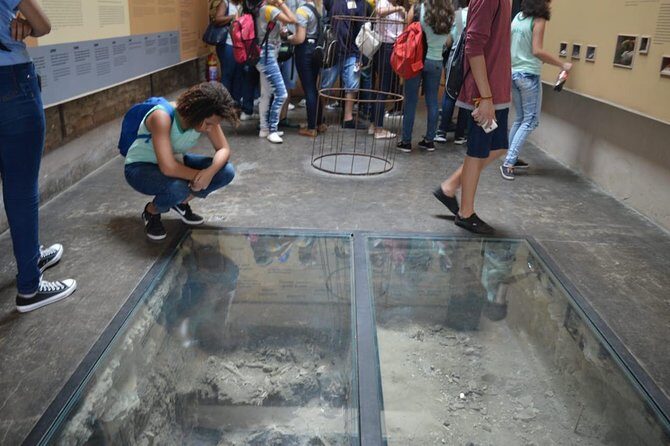
- Saúde to Valongo: pass Harmony Square, the Museos dos Pretos Novos, and the pier of Valongo, tied to UNESCO recognition
- Museos dos Pretos Novos: learn about a clandestine black enslaved cemetery found there
- Gamboa’s Hanging Garden: hear how the city’s whitening process played out in space and planning
- Samba at Pedra do Sal: arrive at a spot framed as the cradle of Rio samba and an important historic collection
- Finish at Prainha: end near Largo São Francisco da Prainha, with Afrobrasileira food and drinks nearby
Why Little Africa is the right kind of walk in Rio
Most Rio tours spend their time on beaches, viewpoints, and the big-name monuments. This one uses your feet to follow a different map: the areas where Afro-Brazilian life shaped Rio’s culture, even when society tried to erase or control that influence.
You’re not just looking at buildings. You’re learning how the city’s power and identity were built—then how people kept music, community, and faith alive anyway. That’s why I like this kind of walk. It gives you context fast, without making you sit through lectures.
Also, the tone matters. The reviews I’m basing my expectations on highlight Wellington’s humor and energy, plus his honesty. That combination is useful here, because some moments are heavy, and you still want the explanation to land in a human way rather than a cold history lesson.
You can also read our reviews of more hiking tours in Rio de Janeiro

Price and what you get for $54.93
At $54.93 per person, this isn’t a budget-only deal, but it’s not priced like a premium private transfer either. You’re paying for a short guided program (about 2 to 4 hours) that strings together multiple culturally important stops across different neighborhoods.
Here’s the value logic that matters for you: most of the major stops list free admission tickets, so your cost is less about entry fees and more about interpretation—having someone connect Saude’s cemetery discovery to Valongo’s significance, then carry that thread through samba’s roots at Pedra do Sal.
If you enjoy “understanding the city” travel more than “collecting photos,” this cost makes sense. If you only want scenic time with minimal walking, you might feel it’s too story-focused.
Meeting points, timing, and how the pace feels
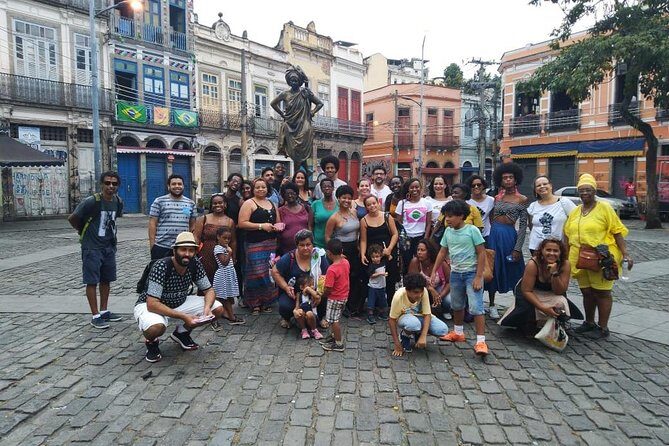
You start at AquaRio Praça Muhammad Ali, Via Binário do Porto, s/n, in Gamboa (Rio de Janeiro). The end point is Museu do Amanhã, Praça Mauá, 1, in Centro—right in front of the main entrance.
This route is built for a walk-and-stop rhythm. You’ll spend around an hour at Saude, about an hour in Gamboa, then shorter segments at Pedra do Sal and the church area in Prainha. Expect enough movement to feel like a real hike, but not so much that it turns into a full-day trail outing.
A couple practical notes:
- It’s offered in English, so you’ll get explanations rather than just sight descriptions.
- It’s private, meaning only your group participates, so you’re less likely to feel like you’re being rushed through a crowd.
- It’s near public transportation, which helps if you want to start early and finish close to more sightseeing.
Because the experience requires good weather, plan to wear shoes you trust. Rio rain can change plans quickly, and this kind of walking tour lives or dies on footing.
Saude walk: Harmony Square, Pretos Novos, and the Valongo pier
Saude sets the emotional and historical tone. You start from the Health District and move through Harmony Square, then into the Museos dos Pretos Novos area, where a clandestine black enslaved cemetery was found.
That stop is important because it reframes what you’re seeing. The point isn’t shock for shock’s sake. It’s the fact that the ground under the city holds evidence—hidden, then discovered—and that discovery changed how people could talk about slavery’s footprint in Rio.
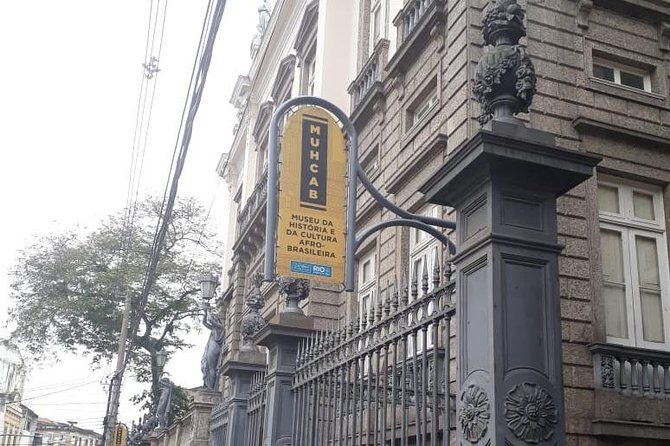
From there, you head to the Museo de Arte e Cultura Afrobrasileira and continue toward the pier of Valongo. The Valongo pier connection is the kind of historical link that makes your visit feel bigger than Rio alone. This area is recognized as a UNESCO World Heritage site (in 2016), and the context given connects it to the wider set of globally acknowledged sites like Auschwitz and Hiroshima.
If you’re sensitive to heavy subjects, go in with a plan for your own pace. You don’t have to force yourself to match anyone else’s energy. If you want to take a moment at the cemetery-related stop, do it.
Stop-by-stop reality check
- You’ll likely feel the shift from everyday streets to places with strong historical weight.
- Even though the listed admission is free, you’ll still spend real time hearing explanations—so treat it as a guided learning experience, not a quick photo stop.






Gamboa to Morro da Conceição: the Hanging Garden and “whitening” history
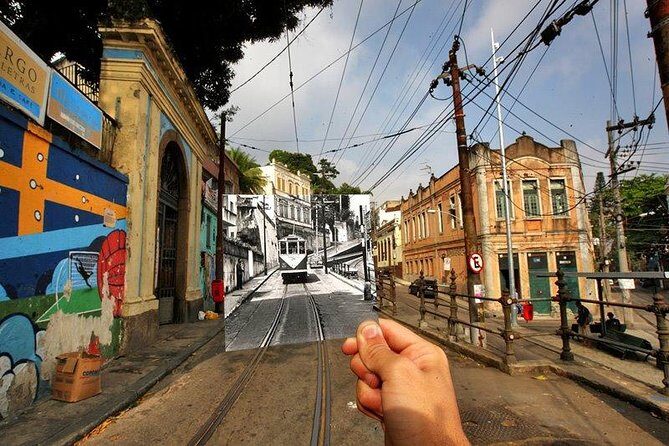
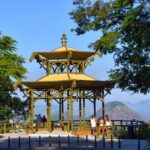
Next comes Gamboa, where the mood becomes more about how the city was shaped. You visit the Hanging Garden, and you’ll hear how it relates to the process of whitening the city.
That phrasing can feel blunt, but it’s part of what makes the stop memorable. You’re seeing how “whitening” wasn’t just a cultural slogan—it was something people tried to build into the city’s look and policies. When your guide ties that theme back to the physical space around you, it stops being abstract.
From the Hanging Garden, you move toward Morro da Conceição, described as a place that delimits the City Center with the suburb of Rio de Janeiro. This is a good moment for you to pay attention to geography. In many cities, neighborhoods carry invisible boundaries. Here, the explanation helps you see how Rio’s center and surrounding communities don’t just sit next to each other—they connect through history, inequality, and movement.
If you tend to understand cities by their “edges,” this stop will click. If you only like flat routes, the Morro da Conceição segment may be more tiring—but it’s still framed as part of a typical guided walk.
Pedra do Sal: where samba history meets the street
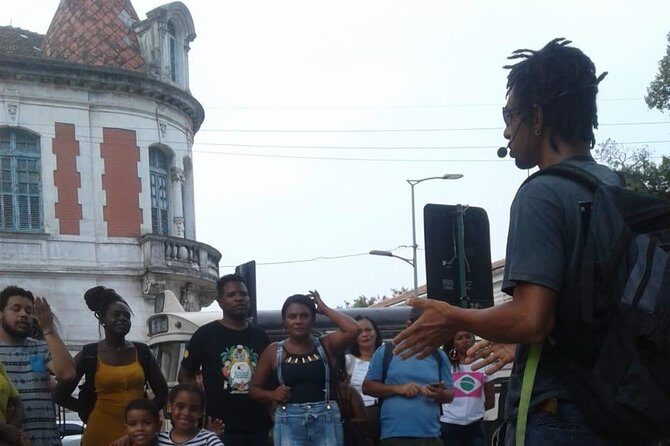
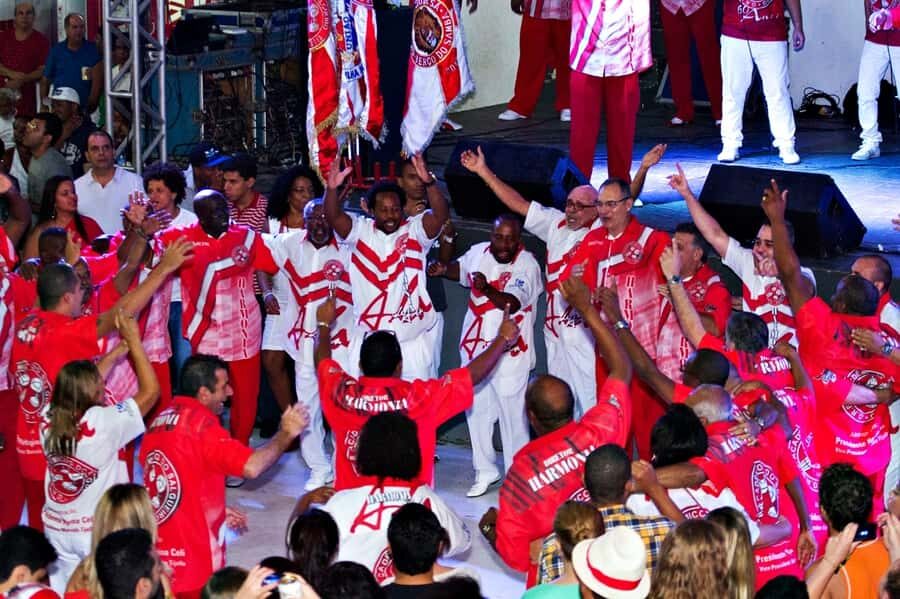
At Pedra do Sal, you arrive at a location framed as the cradle of Rio’s samba. It’s also described as having an immense historical collection.
This is where the tour can feel more joyful, but in a grounded way. Samba isn’t treated as a marketing word. It’s tied to place—where people gathered, where culture grew, and where history is stored in the streets.
The stop is shorter (around 30 minutes), which is a good thing. It keeps the energy moving while still giving you a chance to connect the music you hear all over Rio to one specific neighborhood source point.
You’ll likely enjoy this section if you:
- care about how culture develops over time
- like your music history with context
- want more than a museum version of Afro-Brazilian life
Igreja de São Francisco da Prainha: finish near food, bars, and community energy
The tour wraps at Largo São Francisco da Prainha, near Igreja de São Francisco da Prainha. The idea here is simple: you end where you can keep your evening going.
The information tied to this finish point highlights great restaurants and bars for typical Afrobrasileira food. Even if you don’t eat right away, it’s a smart end location because it gives you options within walking reach.
After a tour focused on history, ending near food makes the day feel complete. It turns knowledge into lived culture—what people carried forward through music, community, and daily life.
If you’re the type who plans one “anchor” activity and then free-floats the rest, this ending works well. Museu do Amanhã is also close by, so you can add another stop if you want.
The guide: Wellington’s style and why it matters
The standout pattern in the feedback is Wellington’s approach. One review called him #1 and praised his knowledge of Little Africa and the Afro-Brazilian experience, plus his honesty, humor, and energy. Another theme: he’s willing to accommodate a tight schedule and offer extra sights when circumstances shrink the tour (like Carnival-related timing).
That last part matters for you. In Rio, timing changes. A private, flexible guide can save your day when the official plan gets shortened. Even with a fixed route, you’ll get a human response to real-world changes.
There is one downside note you should keep in mind: one guest reported a no-show and expected a refund. I can’t promise every departure will be perfect, so I’d do two things:
- arrive early so you’re standing in the right spot when your guide arrives
- keep your booking communications handy, just in case you need to contact the provider quickly
When things go right, this tour sounds like exactly the kind of Rio experience you’ll remember: not only what you saw, but how you understood it.
Who this hike is best for (and who should skip it)
This experience fits best if you want:
- Afro-Brazilian history connected to real streets, not just museum walls
- a guided walk in English across multiple neighborhoods
- a culture-first route that avoids focusing only on classic tourist highlights
It may not be the best match if:
- you want only light sightseeing with minimal walking
- you get overwhelmed by sites tied to slavery, burial discoveries, and the violence behind historical records
You can still go, even if the topics are hard. Just go with the right mood and plan to take breaks.
Should you book this Little Africa hike?
Yes—if you like learning while you walk and you want Rio beyond the obvious. The combination of culturally significant stops in Saude, Gamboa, and Centro, plus Wellington’s energy and flexibility, makes this a strong use of a half-day. At $54.93, you’re also getting excellent value for a guided route with multiple free admission stops.
Before booking, do two quick checks:
- Choose a day with good weather so the walk stays comfortable.
- Bring the right mindset for solemn history. This tour doesn’t sugarcoat how Rio’s story was written.
If that sounds like your kind of travel, I’d book it.
FAQ
How long is the hiking experience in Little Africa?
The duration is approximately 2 to 4 hours.
What does the tour cost?
The price is $54.93 per person.
Is the tour offered in English?
Yes, it’s offered in English.
Is this tour private?
Yes. It’s a private tour/activity, and only your group participates.
Do I get a ticket on my phone?
Yes. You receive a mobile ticket, and you’ll receive confirmation at the time of booking.
Where do we meet, and where does it end?
You start at AquaRio Praça Muhammad Ali, Via Binário do Porto, s/n, Gamboa, Rio de Janeiro. You end at Museu do Amanhã, Praça Mauá, 1, Centro, in front of the main entrance.
Is it near public transportation, and are service animals allowed?
The tour is near public transportation, and service animals are allowed.
What happens if the weather is bad?
This experience requires good weather. If it’s canceled due to poor weather, you’ll be offered a different date or a full refund.
Can I cancel and get a full refund?
Free cancellation is available. You can cancel up to 24 hours in advance for a full refund.